

Three years after going viral for delightful barbecues, Zibo in Shandong province thrives as a tourist hot spot
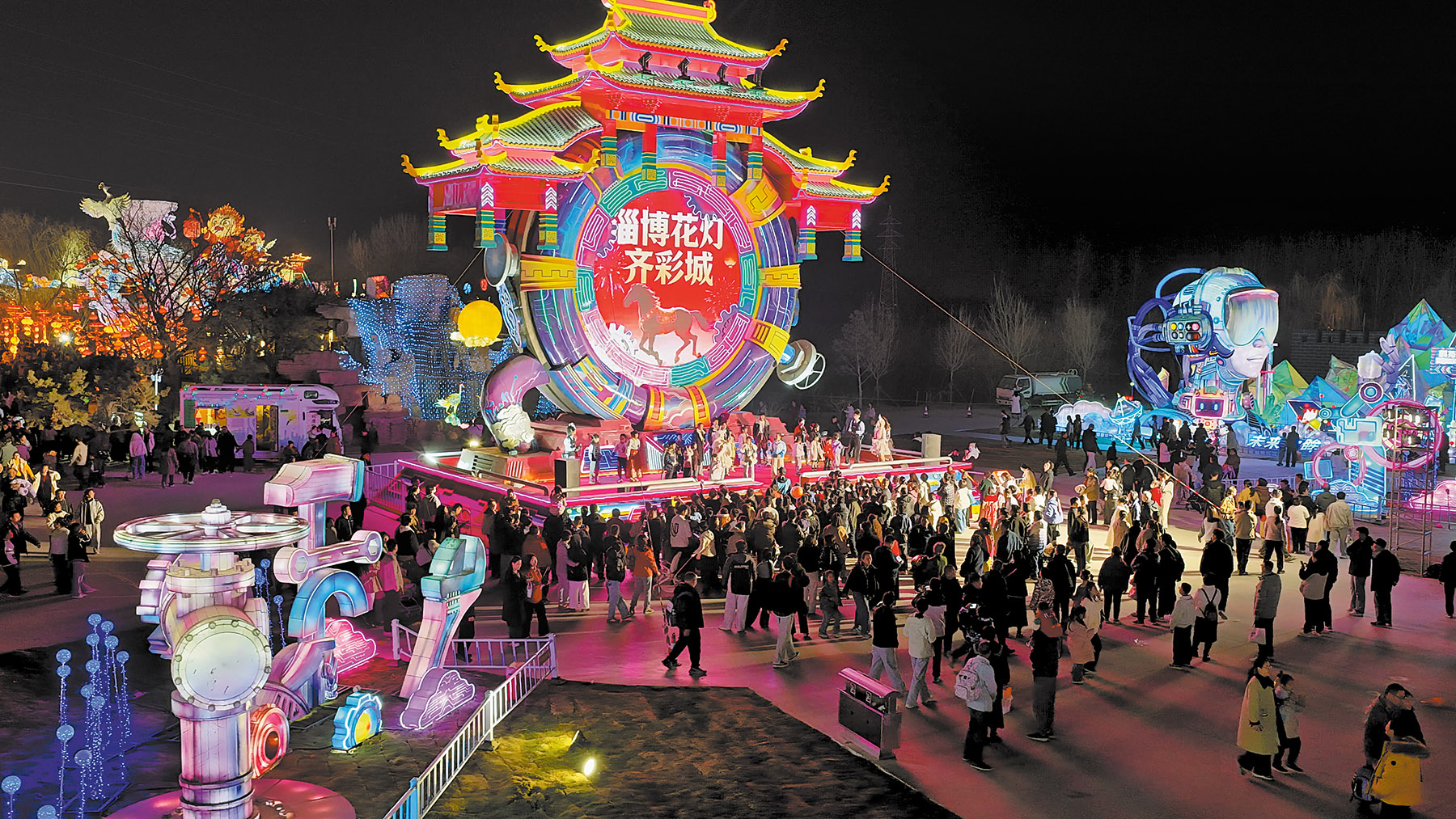
On a regular weekday in early April, tourists from across the country browsed stalls to taste local snacks, filling each crevice of the food alley at the Badaju Market in Zhangdian district of Zibo, Shandong province.
Yu Xianxian, a traveler from Anhui province, made Badaju Market her first stop in the morning. “I’m going to try the purple rice cake,” Yu said as she waited in line. “And tonight, I want to have some barbecue.”
She was referring to a meal fans call the “soul three-piece set”, served with a small stove, pancakes, and dipping spices. This delicacy turned Zibo into a national phenomenon in the spring of 2023. For months, travelers formed long queues, lured by the promise of a sublime barbecue experience. Tables were nearly impossible to book.
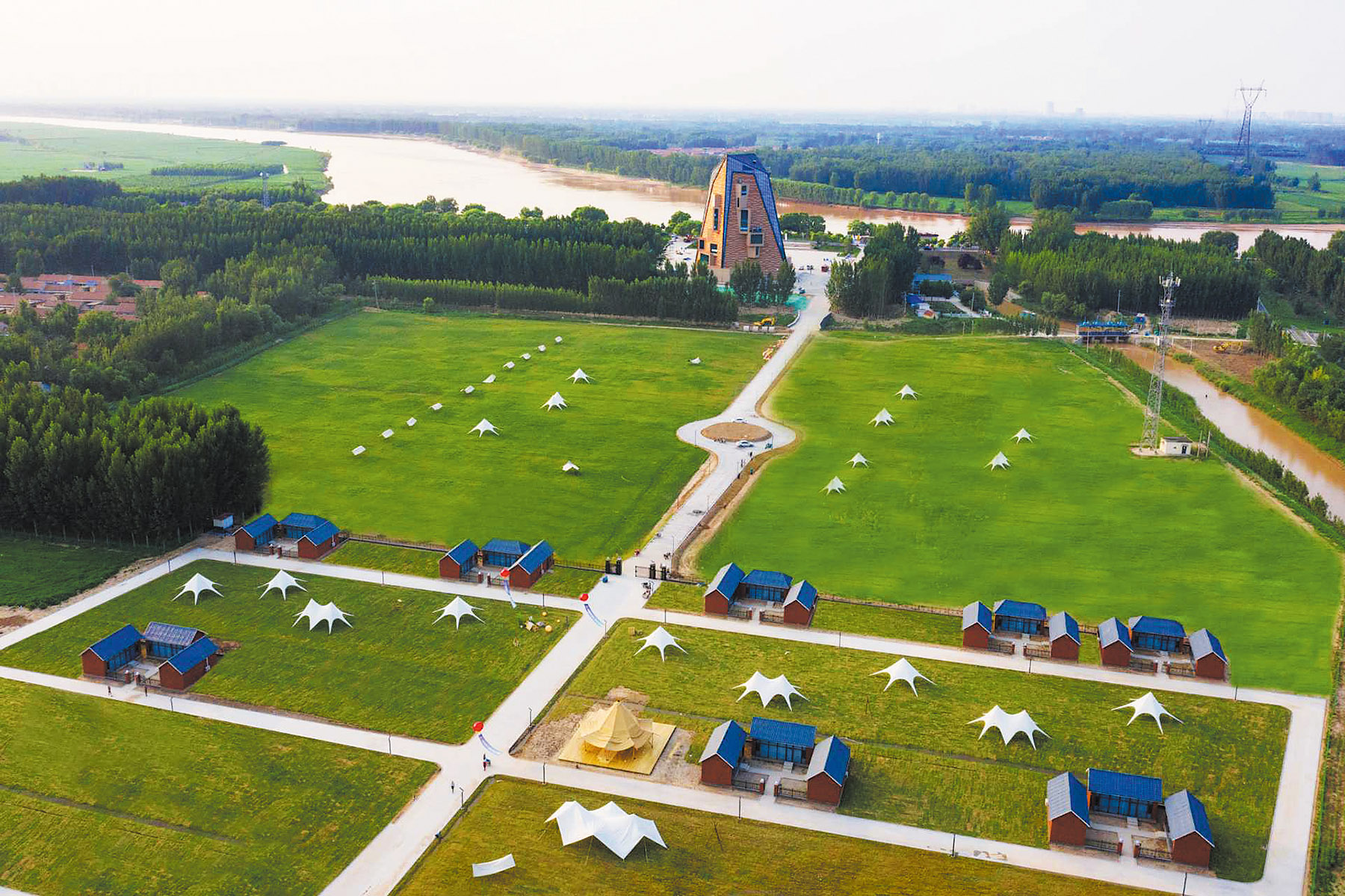
Three years later, Zibo is proving it was never just a flash in the pan. The city has used the intervening years since its viral moment to build on the attention with better market regulation, improved public services, and a growing variety of tourism projects.
The goal, in the words of vice-mayor Guo Qing, is to “turn tourism buzz into real benefits for people and long-term growth”. In 2025, the city welcomed 75.87 million tourists, a year-on-year increase of 24 percent.
At Badaju Market in Zhangdian district, where many of the 2023 visitors first landed, the transformation is most visible. The 670-meter main street has been reorganized around cultural and tourism businesses, while two flanking side streets preserve the everyday morning market — vegetable stalls, local shoppers, the ordinary texture of city life. Tourism and daily routine now coexist without one swallowing the other.
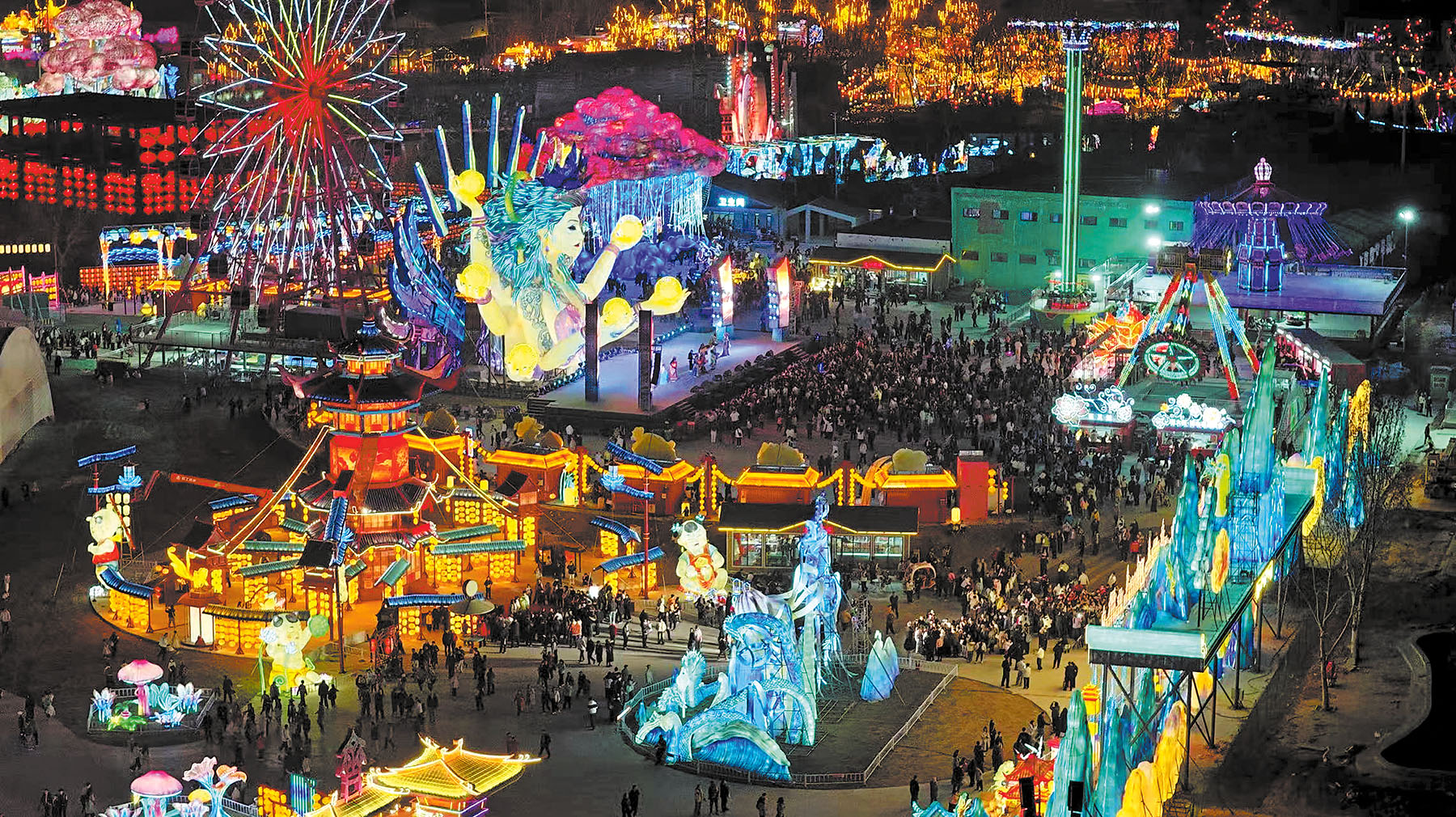
The physical space has also been reimagined. An abandoned repair workshop has become a venue for painting and calligraphy. A former cultural bureau building is now a modern commercial complex, creating room for new businesses. Unused corners of the market have been converted rather than demolished, preserving the layered, slightly weathered character that makes the place feel lived-in rather than staged.
“Since the start of 2026, visitor numbers at the market have grown noticeably compared to last year, even exceeding the peak of the 2023 barbecue craze,” said Zheng Haolin, head of the Badaju Market management office. “Visitors no longer come just for a barbecue meal. They come for the immersive experience.”
Two restaurants at the market illustrate how businesses have adapted. Azi barbecue now stages theatrical performances drawing on Zibo’s identity as the capital of the ancient Qi state, one of the dominant powers during the Spring and Autumn (770-476 BC) and Warring States (475-221 BC) periods, weaving stories of its founding and the old dyeing workshops of Zhoucun between courses. Since the performances premiered in August 2025, visitor numbers have jumped by 30 percent, according to Zheng.
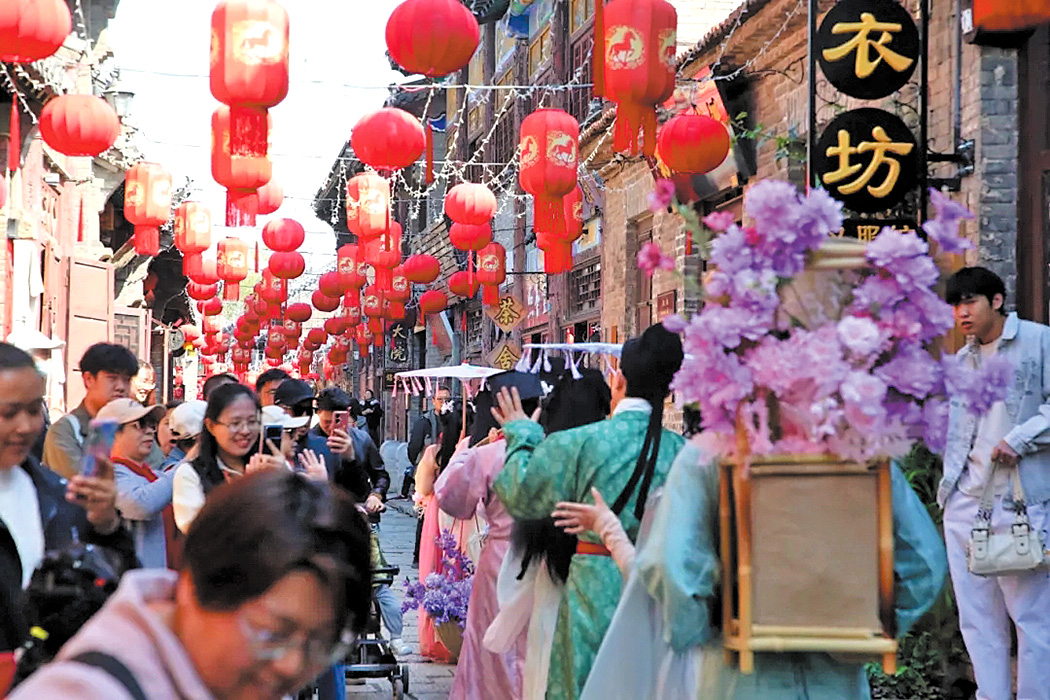
The menu has expanded too, adding dishes from Boshan cuisine, a local tradition that has long shaped the broader Shandong culinary canon. Among them is the tofu box — fried tofu stuffed with pork and mushrooms, braised low and slow — a dish specific enough to Zibo that ordering it feels like an act of local knowledge.
Xiaowanshua barbecue, a short walk away, has taken a more relaxed approach. It offers performances calibrated to different audiences, ranging from young trend-seekers to local families looking for a quiet night out. “We’ve added small chairs with backrests and free snacks,” said Yu Di, the restaurant’s manager. “Even if nearby residents don’t eat here, they can come in and watch the show for free.”
Customer numbers have increased. During the 2026 Spring Festival holiday, Xiaowanshua served over 10,000 people in a single day, Yu Di said.
The market’s reinvention is part of a much broader pattern playing out across Zibo’s districts. The city is deliberately expanding what it offers beyond the original barbecue circuit, adding cultural venues, heritage sites, and experience-driven destinations that give visitors reasons to stay another night and wander further afield.
At the Liaozhai Teahouse, Zibo’s literary heritage takes center stage. The teahouse draws on Strange Tales from a Chinese Studio, a celebrated collection of supernatural stories written by Zibo native Pu Songling in the seventeenth century, weaving cross-talk, local opera, and children’s plays into a daily program of three performances. Each ticket covers the show, a meal, and tea, a format designed to turn what might have been a quick stop into a two-hour stay.
“People don’t necessarily want grand mountains or rivers,” said Geng Jiapeng, head of the teahouse. “Instead, they want a place to briefly escape busy work and home routines. We offer that kind of retreat.”
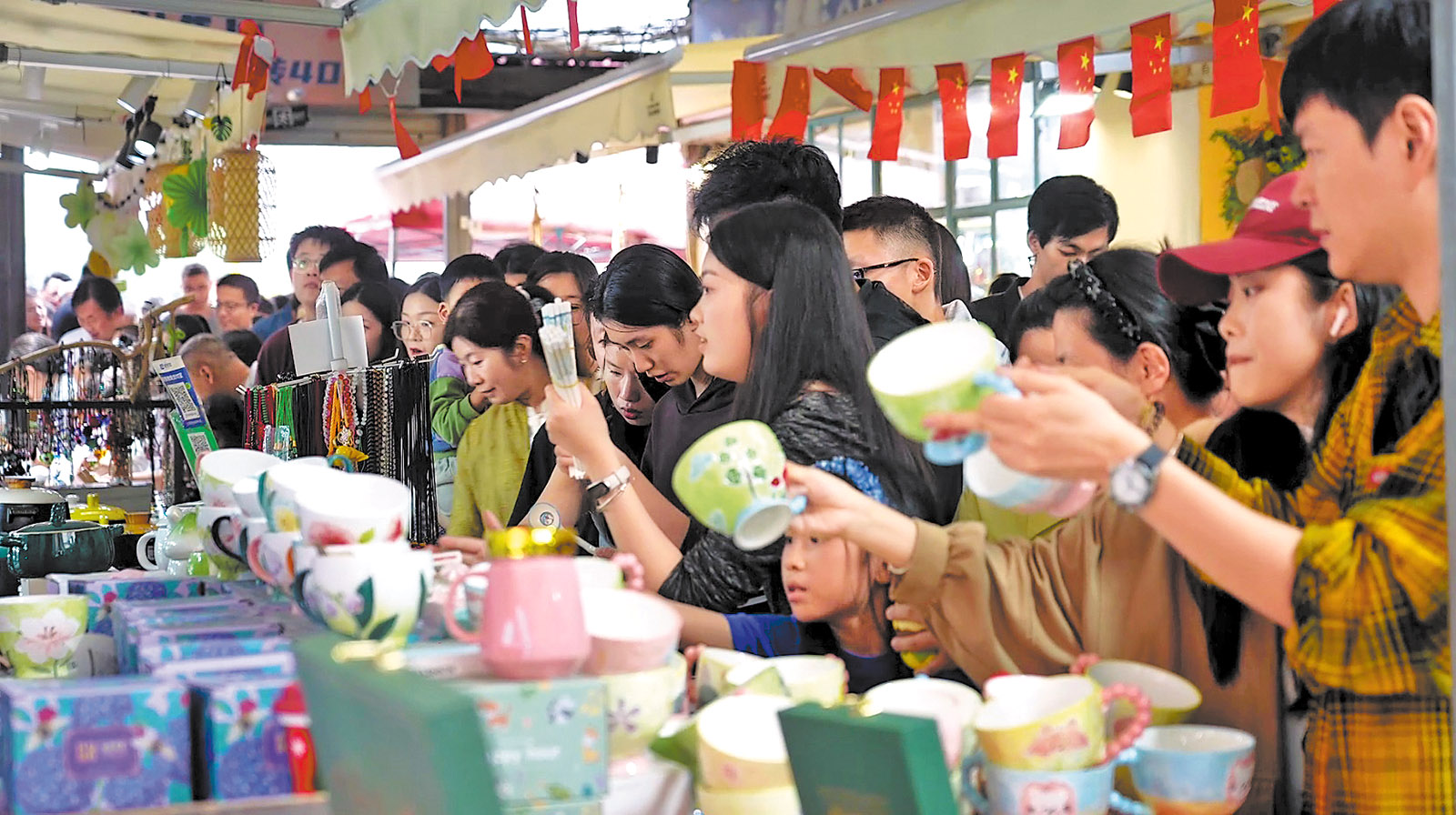
The China Ceramics and Glass Museum has leaned into the social media moment. During the Qingming Festival holiday in early April, its glass art hall became one of the city’s most talked-about new attractions after visitors began posing for photos wearing glass flower crowns against dramatic lighting. The museum’s online reservation system sold out every day of the three-day holiday, with over 80,000 visits recorded. Ninety percent came from outside Zibo, according to the museum.
At the Tangku Cultural and Creative Park, old industrial warehouses have been converted into a complex hosting more than 80 brands, spanning craft workshops, art exhibits, trendy sports, casual dining, stand-up comedy, and aesthetic lifestyle activities. It has become a natural gathering point for younger visitors.
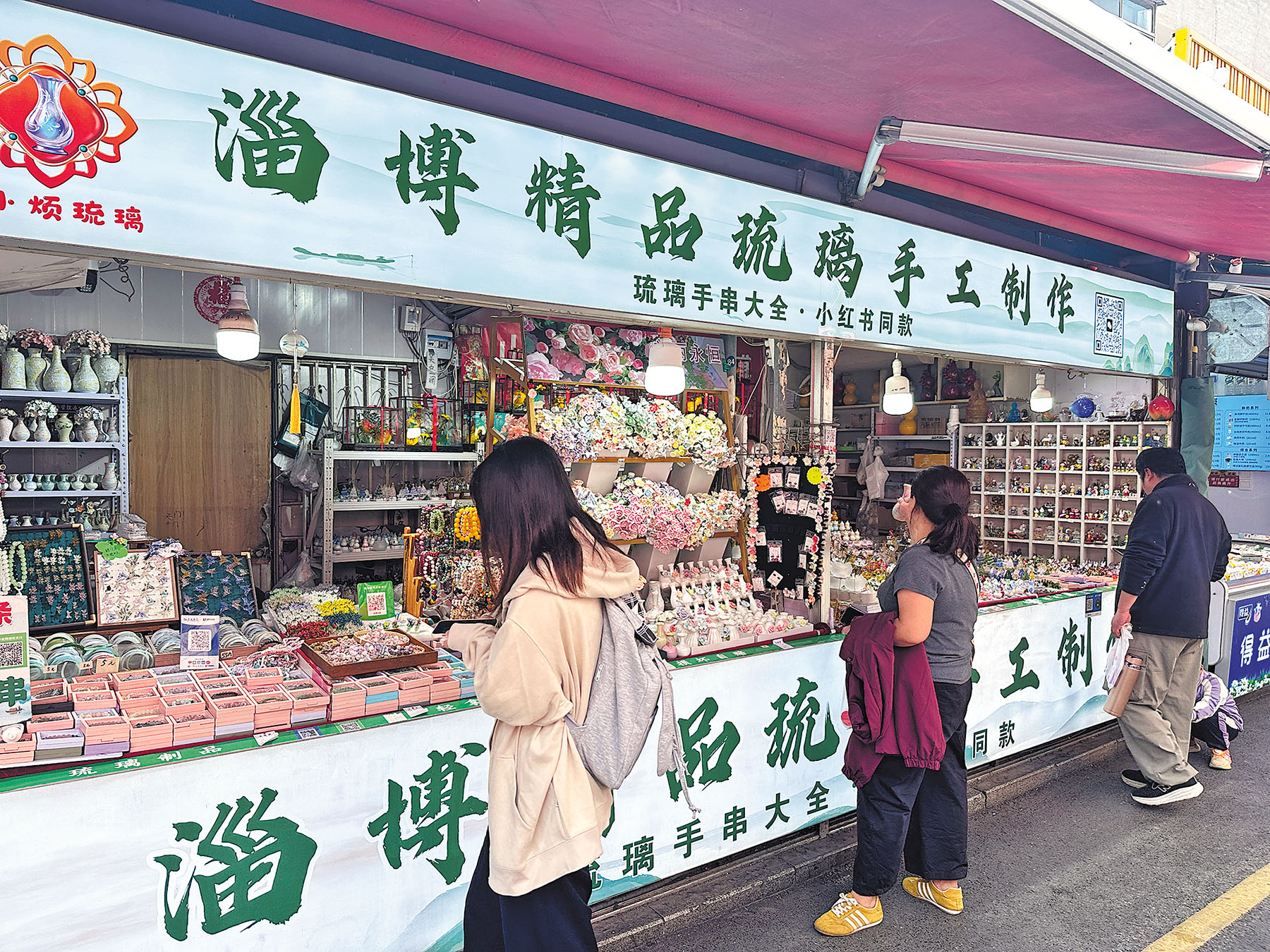
In Boshan district, the Ceramics and Glass Grand View Garden offers a more tactile kind of souvenir shopping. Stalls selling glass flowers, mini vases, delicate ornaments, and tiny trinkets are popular among visitors. A golden glass persimmon, so lifelike you almost want to eat it, costs just seven yuan ($0.98). Cartoon animals, such as little pandas, piglets, and caterpillars cost just a few yuan each.
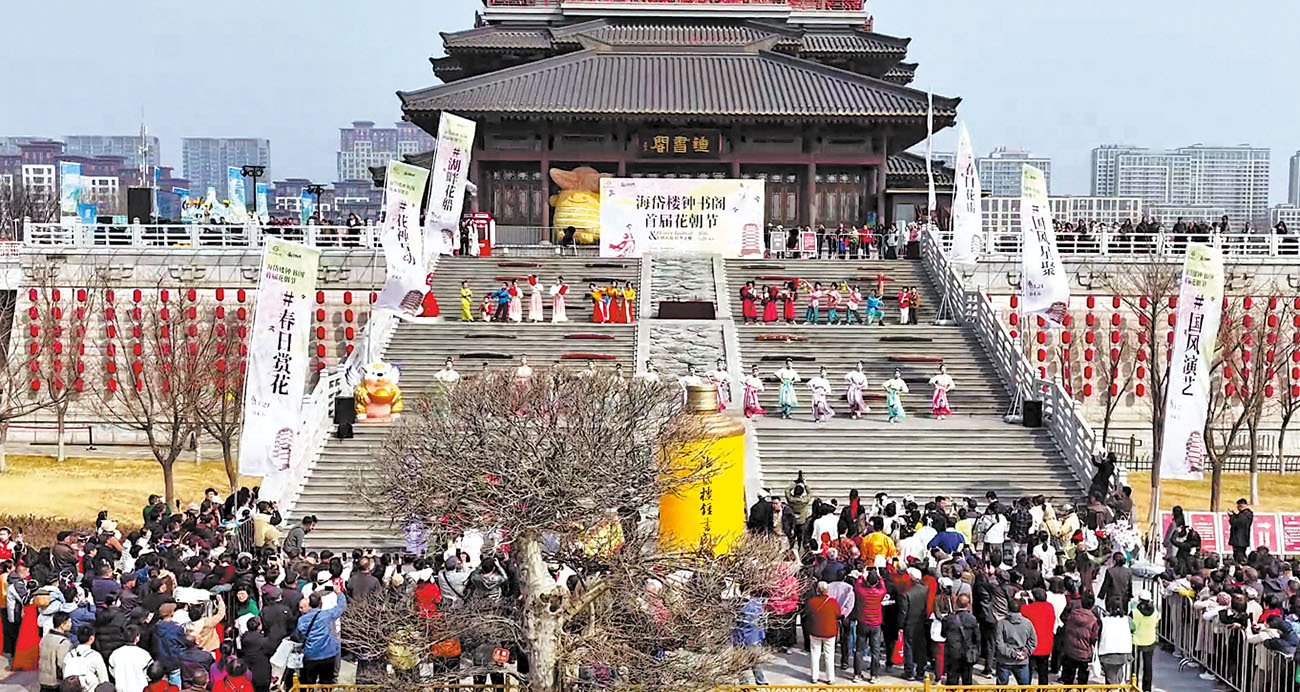
Zhoucun Ancient Town, in the district bearing the same name, is running a Fortune Festival through May 10, organized around the Qi state’s historic identity as a center of trade. The town holds over 50,000 square meters of preserved Ming and Qing dynasties (1368-1911) architecture, a density of old buildings rare enough to warrant a visit on its own.
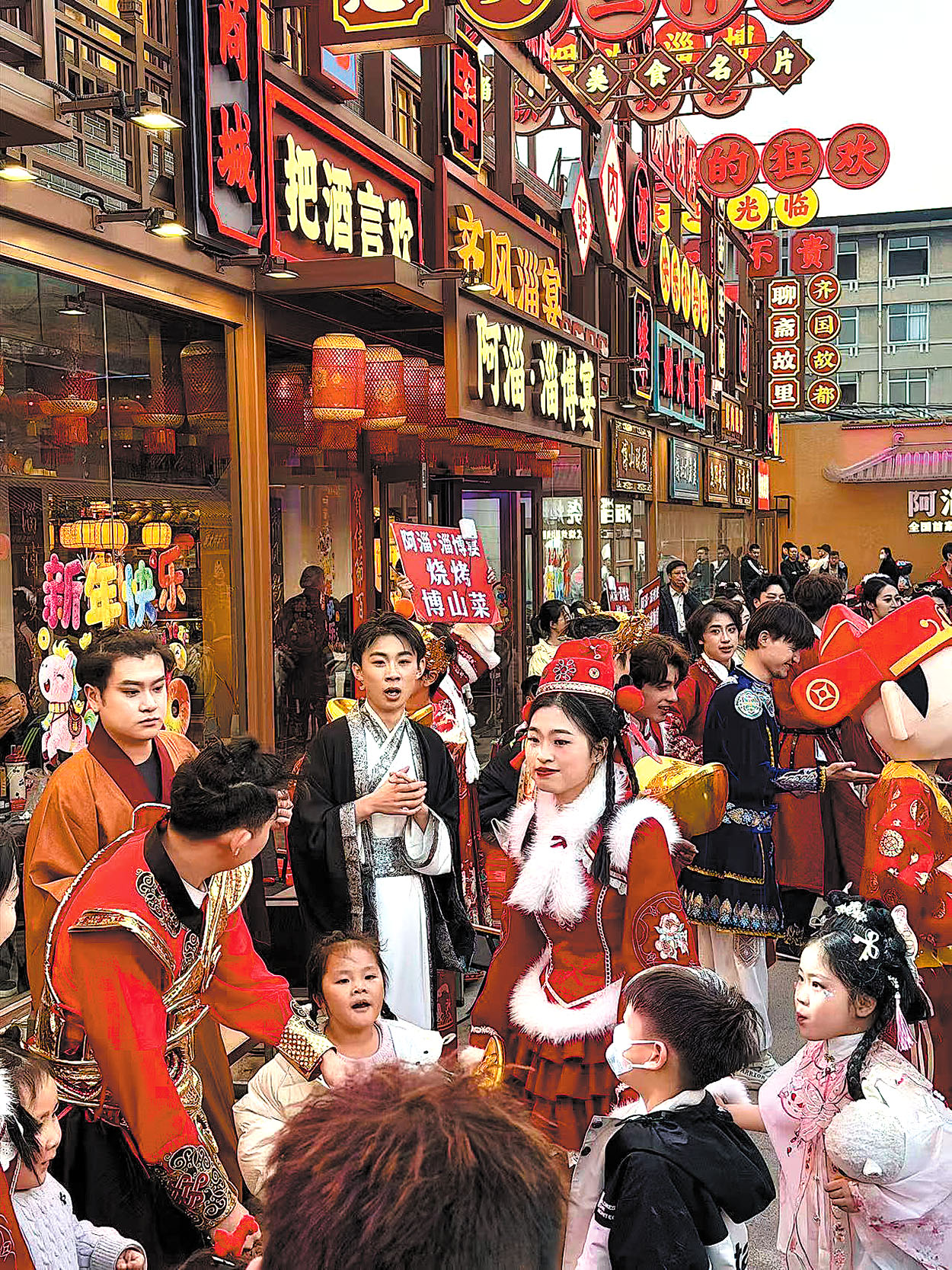
The festival layers performance over that backdrop: a figure dressed as the God of Wealth moves through the streets to drums and gongs, tossing gold-colored ingots to the crowd; drama actors stage scenes drawn from the commercial ethics of Zhoucun’s old merchant class. Four walk-through performances run daily, meaning visitors move through history rather than stand in front of it.
What distinguishes Zibo’s approach from standard tourism boosterism is an attempt to treat the city as a whole rather than a collection of attractions strung together by a map.
Fifteen subsidized bus routes link major sites for just one yuan a ride. Roads have been resurfaced, signage improved, parking expanded, and public restrooms upgraded across the city. The cumulative effect is a city that is pleasant to move through. A visitor who can navigate a city without frustration stays longer, spends more, and is more likely to return.
Zibo’s 2023 visitors came largely for a single weekend. Today, two-and three-night stays are common. People are exploring districts they would not have reached on a barbecue-and-back itinerary: Zhoucun’s merchant history, Boshan’s glass workshops, the Qi cultural sites that predate the city’s modern identity by two millennia.
Digital programming at the Qi culture documentation center and the China Ceramics and Glass Museum is designed to deepen that engagement further, offering interactive experiences that connect the city’s contemporary appeal to the history and craft traditions underneath it.
Zibo’s growth stems from its recent reputation for honest, unpretentious hospitality. Its transformation suggests the barbecue was never really the point. It was the door.
Contact the writers at zhaoruixue@chinadaily.com.cn
