

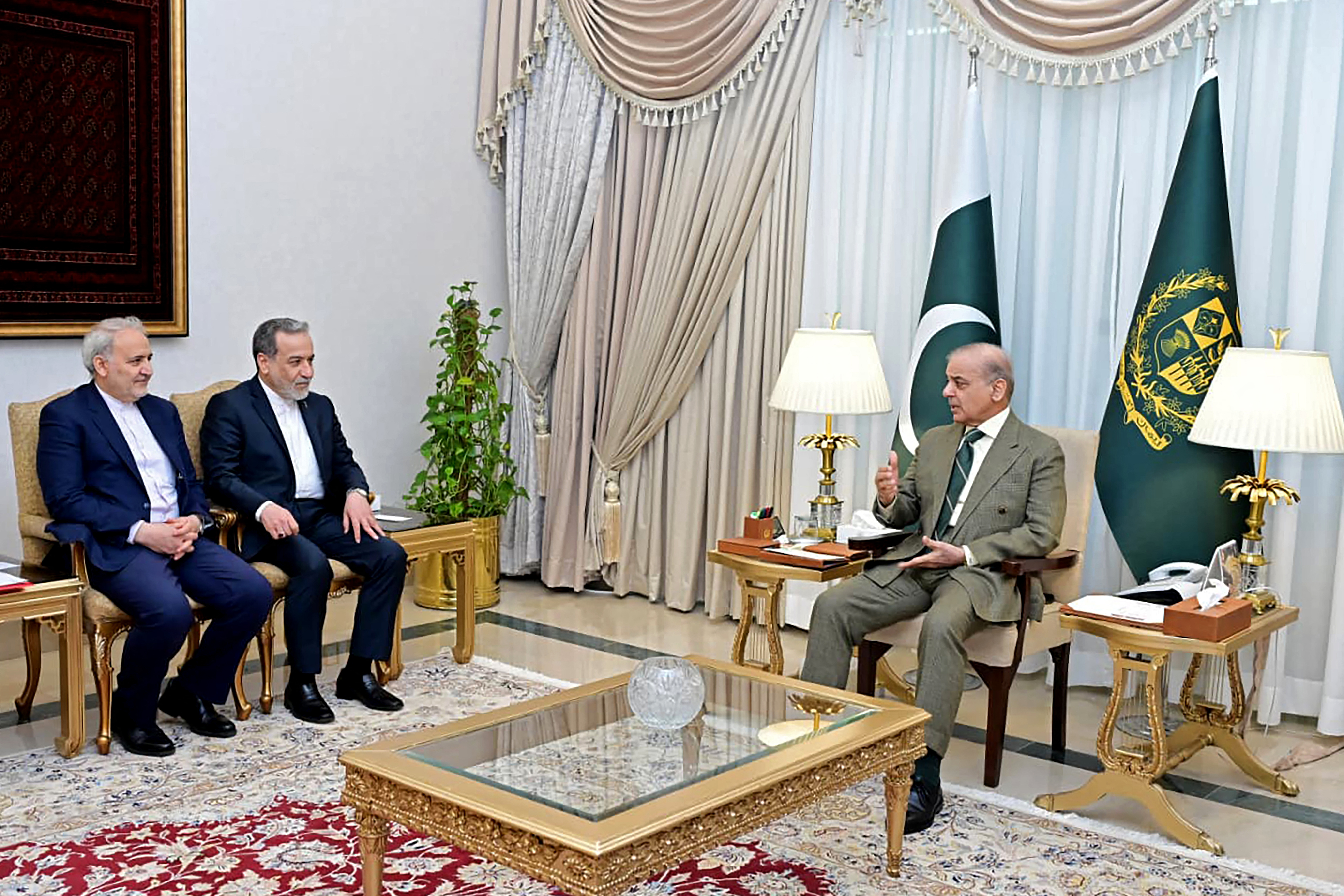
TEHRAN/WASHINGTON - Iranian Foreign Minister Abbas Araghchi on Monday said Washington's "excessive demands" led to the collapse of recent peace negotiations in Pakistan, Iranian state media reported.
Araghchi made the remarks after arriving in Russia for a scheduled meeting with President Vladimir Putin. According to Iranian reports, he said that although the previous round of negotiations had made progress, it ultimately failed to reach its goals because of the US approach.
He also stressed that ensuring safe passage through the Strait of Hormuz is "an important global issue," as tensions between Tehran and Washington persist in the strategic waterway.
Araghchi's visit to Moscow is expected to focus on bilateral ties and regional security matters, including developments in the Middle East and the situation in the Gulf, Iranian officials said.
ALSO READ: Tehran rejects direct talks with Washington amid US maritime blockade
On Sunday, US online media outlet Axios reported that Iran, through Pakistani mediators, has presented the United States a new proposal to reopen the Strait of Hormuz and end the war, while postponing nuclear negotiations to a later stage
Citing a US official and two sources familiar with the matter, Axios said the new proposal is aimed at breaking the current stalemate in the talks and bypassing the internal disagreements within the Iranian leadership about the scope of nuclear concessions it is willing to make.
However, reaching such a deal would leave US President Donald Trump with little leverage to press Tehran to give up its stockpile of enriched uranium and suspend uranium enrichment, the report added.
Citing three US officials, the report said Trump is expected to hold a situation room meeting on Iran with his top national security and foreign policy team on Monday.
Conveying Iran's conditions for ending the war to Pakistan, as a mediating country, was among the key purposes of Araghchi's return to Islamabad on Sunday, Iran's semi-official Tasnim News Agency reported.
According to Tasnim, Araghchi's return to Pakistan was not related to nuclear negotiations with the United States. Instead, the foreign minister was expected to discuss bilateral relations with Pakistan, along with other issues such as Iran's enforcement of a new legal system on the Strait of Hormuz, seeking war compensation, guarantees against repeated "aggression by the warmongers," and lifting the US naval blockade.
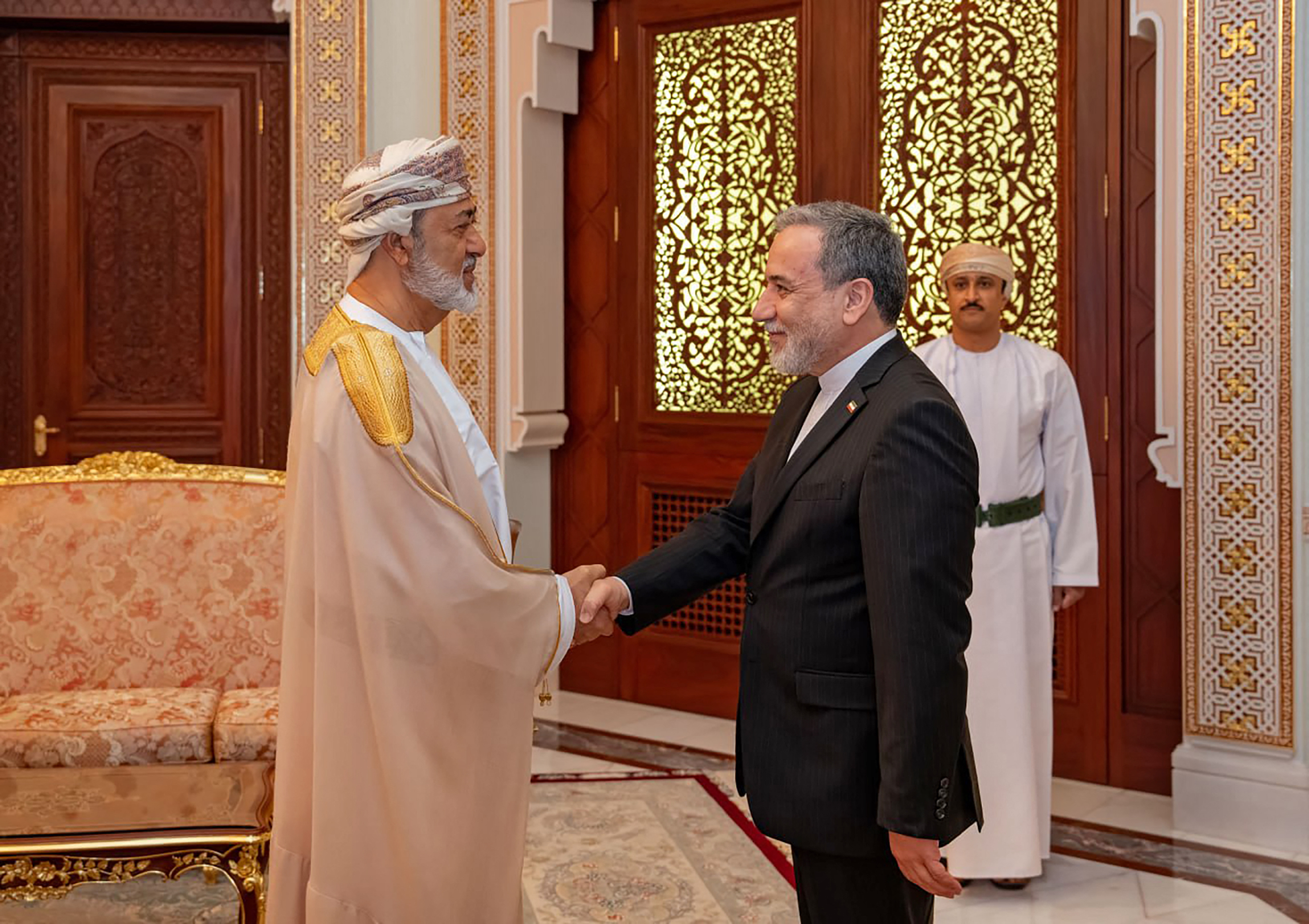
Araghchi arrived in Islamabad on Sunday afternoon for his second visit since Friday, following a stop in Oman. His brief visit to Pakistan aimed to continue consultations with Pakistani officials, it added.
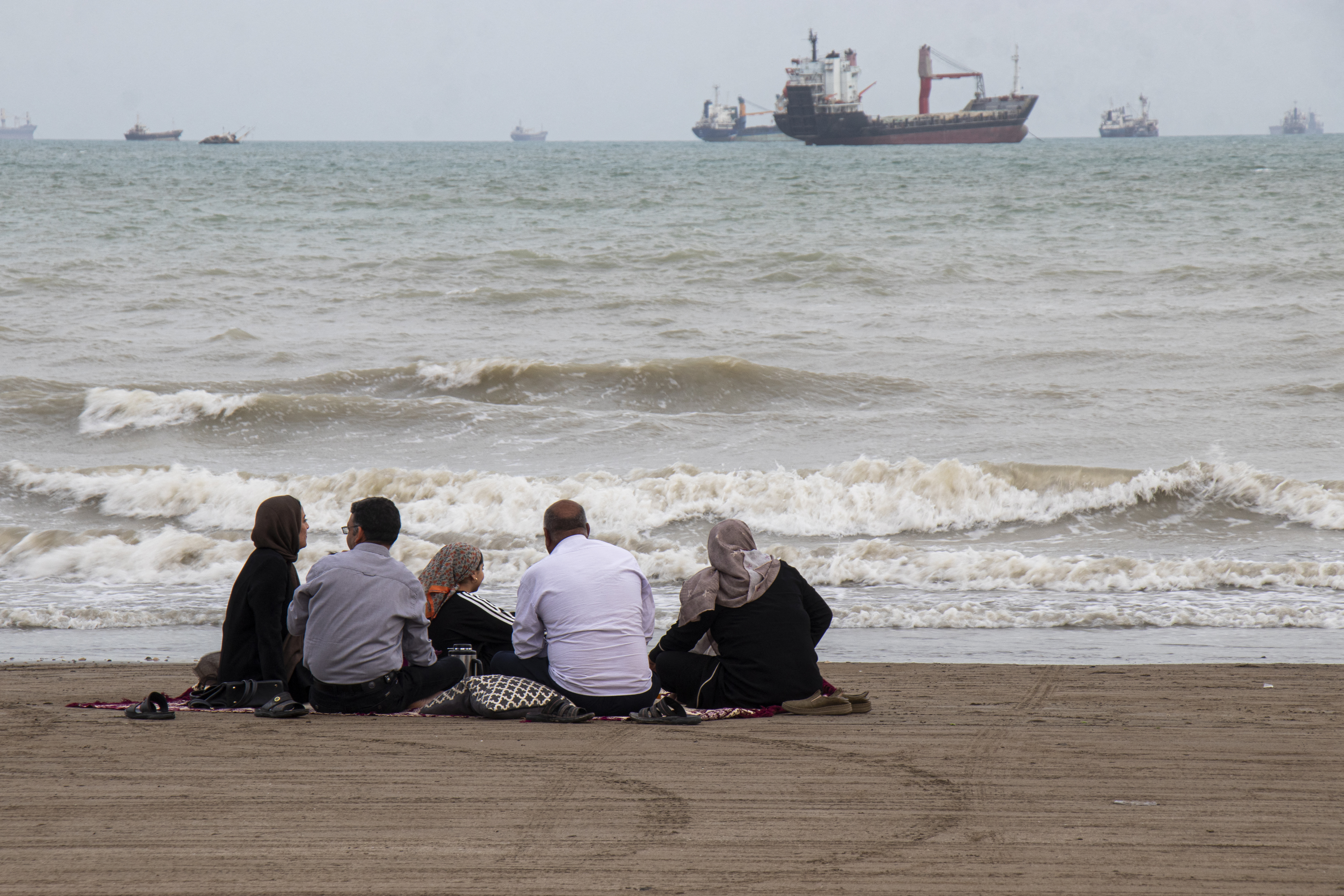
Araghchi said midnight Sunday that the discussions he had earlier in Muscat with Omani officials included ways to ensure safe transit through the Strait of Hormuz.
"Important discussions on bilateral matters and regional developments. As only Hormuz littoral states, our focus included ways to ensure safe transit that is to benefit of all dear neighbors and the world," Araghchi wrote on social media platform X.
Trump: US no longer sending delegations to talk with Iran
Trump said Sunday that he will no longer send delegations to talk with Iran.
"If they (the Iranians) want to talk, they can come to us, or they can call us," Trump told Fox News.
"If they want, we can talk. But we're not sending people to travel 18 hours to meet," he said.
Trump said that he has great respect for Pakistan, which had been hosting US-Iranian talks in Islamabad, and that Pakistan will stay involved.
He repeated that Iran cannot have nuclear weapons. "So if they want, they can call us. But again, they know what has to be in the agreement. Very simple: they cannot have a nuclear weapon. Otherwise, there's no reason to meet," said Trump.
IRNA: Nearly half of war casualties were civilians
Meanwhile, Iranian state media on Sunday said civilians made up about 45 percent of those killed during a 40-day war with Israel and the United States.
The official news agency IRNA, citing Iranian officials, reported that the total death toll stood at 3,468, including 1,460 civilians.
Jamshid Nazmi, a senior adviser to the head of Iran's Foundation of Martyrs and Veterans Affairs, gave the figures at a press conference in Tehran, according to IRNA.
He said the civilian dead included women, men, children and older adults, and added that citizens of Lebanon, Palestine, Iraq and Pakistan were also among those killed.
At the same briefing, Farideh Oladqobad, a deputy head at the foundation, said 499 of the victims were women and 2,969 were men. She also said the military death toll was 2,008.
READ MORE: EU: Any Iran deal not involving nuclear experts weaker than 2015 pact
The report did not provide details on how the figures were verified or independently confirmed.
Iranian officials have said the fighting began on Feb 28, when Israel and the United States launched joint strikes on Tehran and other Iranian cities. Iranian authorities said senior military figures were killed in the opening attacks.
Iran responded with waves of missile and drone strikes targeting Israel and US bases and military assets in the Middle East, according to officials on both sides.
A ceasefire was reached on April 8, and follow-up talks were held in Pakistan on April 11 and 12, but they ended without an agreement, according to previous reports.
