

Pezeshkian says ‘bad faith, siege, and threats’ stopping talks as oil supply remains disrupted
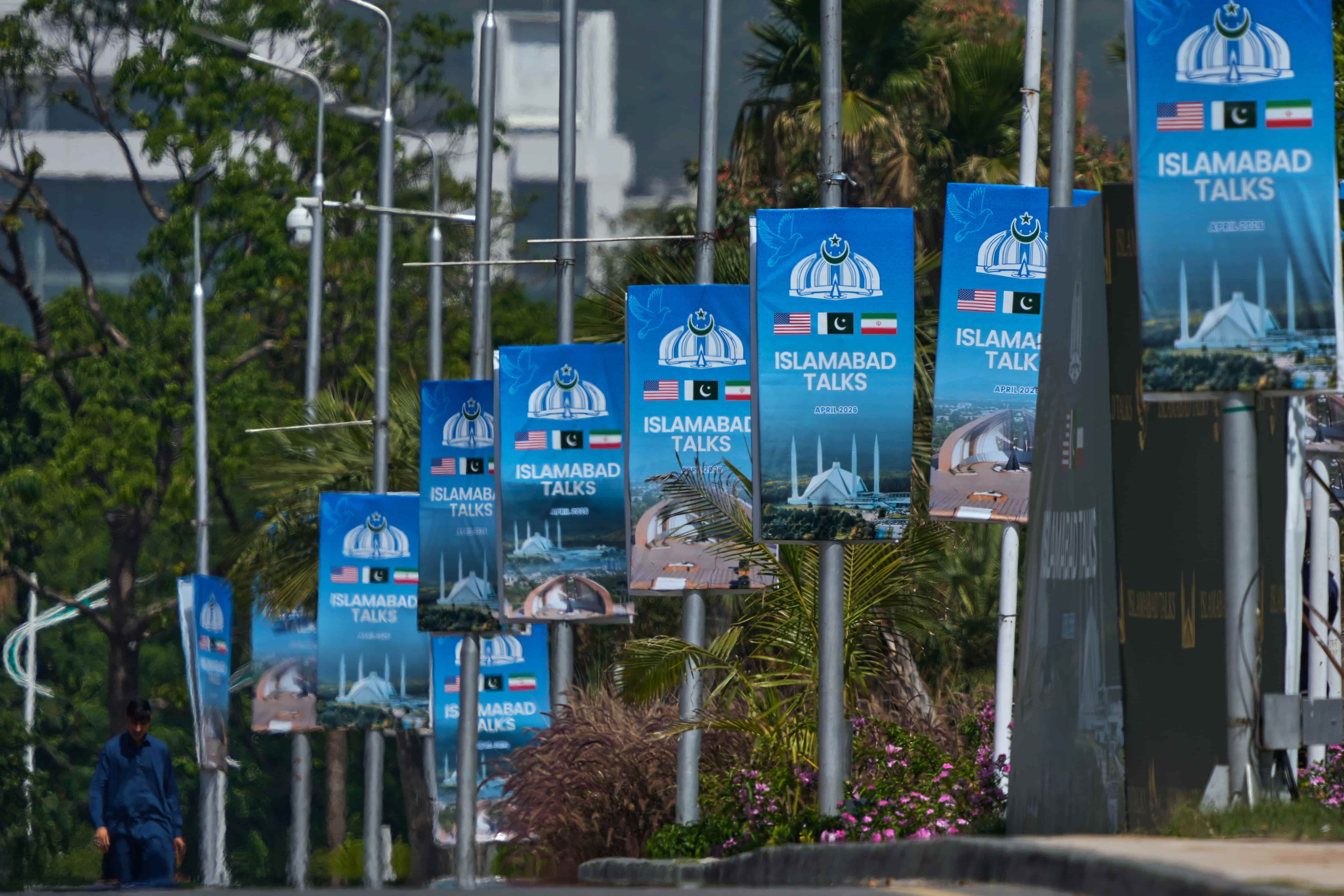
Amid the US-Iran ceasefire being unilaterally extended on Washington's terms and ongoing disruptions in the Strait of Hormuz, Iranian President Masoud Pezeshkian has blamed the United States for the latest stalemate in negotiations, prolonging global anxiety and volatility.
“The Islamic Republic of Iran has always welcomed and continues to welcome dialogue and agreement,” said Pezeshkian in a post on X late on April 22.
“Bad faith, siege, and threats are the main obstacles to genuine negotiation. The world is witnessing your hypocritical, empty talk and the contradiction between your claims and your actions,” he added.
However, the White House pointed to a lack of unified response from the Iranian side, saying it is US President Donald Trump who will “ultimately dictate” how long the extension of a ceasefire will last.
ALSO READ: Trump says there is 'no time frame' for ending conflict with Iran
“We see a lot of different messaging and rhetoric coming out of Iran — and I would caution you against taking anything they say at face value. What they say publicly is much different than what they concede to the US and our negotiating team privately,” White House Press Secretary Karoline Leavitt told reporters on April 22.
Leavitt said that the US maintains control over the situation and leverage over the Iranian regime.
“Not only have they been significantly weakened and obliterated militarily, but they are losing economically and financially every single moment that passes with this blockade. So the president is going to continue to lead the free world, to run the United States of America as we await the Iranian response,” she added.
Iran's parliament and Supreme National Security Council (SNSC) are jointly reviewing a proposed plan to assert sovereign control over the Strait of Hormuz, Iran’s Mehr News agency reported on April 23.
READ MORE: Possible talks in limbo as Hormuz blockade persists
Fadahossein Maleki, a member of the Iranian parliament's National Security and Foreign Policy Commission, said both the legislative body and SNSC are examining proposals on the strategic waterway.
Iran’s Parliament Speaker Mohammad Bagher Ghalibaf said in a post on X that a complete ceasefire “only makes sense if it is not violated by the maritime blockade and the hostage-taking of the world’s economy, and if the Zionist warmongering across all fronts is halted”.
He said that reopening the Strait of Hormuz is impossible with such a flagrant breach of the ceasefire.
“They did not achieve their goals through military aggression, nor will they through bullying. The only way forward is to recognize the rights of the Iranian nation,” said Ghalibaf.
READ MORE: Minister: Attack on Iran's cultural heritage 'a great crime'
On April 23, the Islamic Republic News Agency and Islamic Republic of Iran Broadcasting published the first footage showing the IRGC navy seizing a violating container ship in the Strait of Hormuz since the Trump administration said Iran no longer had a navy.
The IRGC said it seized two foreign vessels in the Strait of Hormuz and opened fire on a third for violating its restrictions on shipping transiting the waterway.
Haji Babaei, Iran’s second deputy speaker of parliament, also said the first revenue from tolls collected on vessels passing through the Strait of Hormuz had been deposited into Iran’s Central Bank, Tasnim News Agency reported.
Meanwhile, the US Central Command said that US forces have directed 31 vessels to turn around or return to port as part of Washington’s blockade against Iran.
It noted that a majority of the vessels have complied with US directions and that most of the vessels asked to turn around have been oil tankers.
The Washington Post reported that the Pentagon assessment said it could take six months to completely clear the Strait of Hormuz of Iranian-laid mines, which could keep oil prices high.
International Energy Agency Executive Director Fatih Birol said the world had lost 13 million barrels of oil supply per day amid the war.
Contact the writers at jan@chinadailyapac.com
