

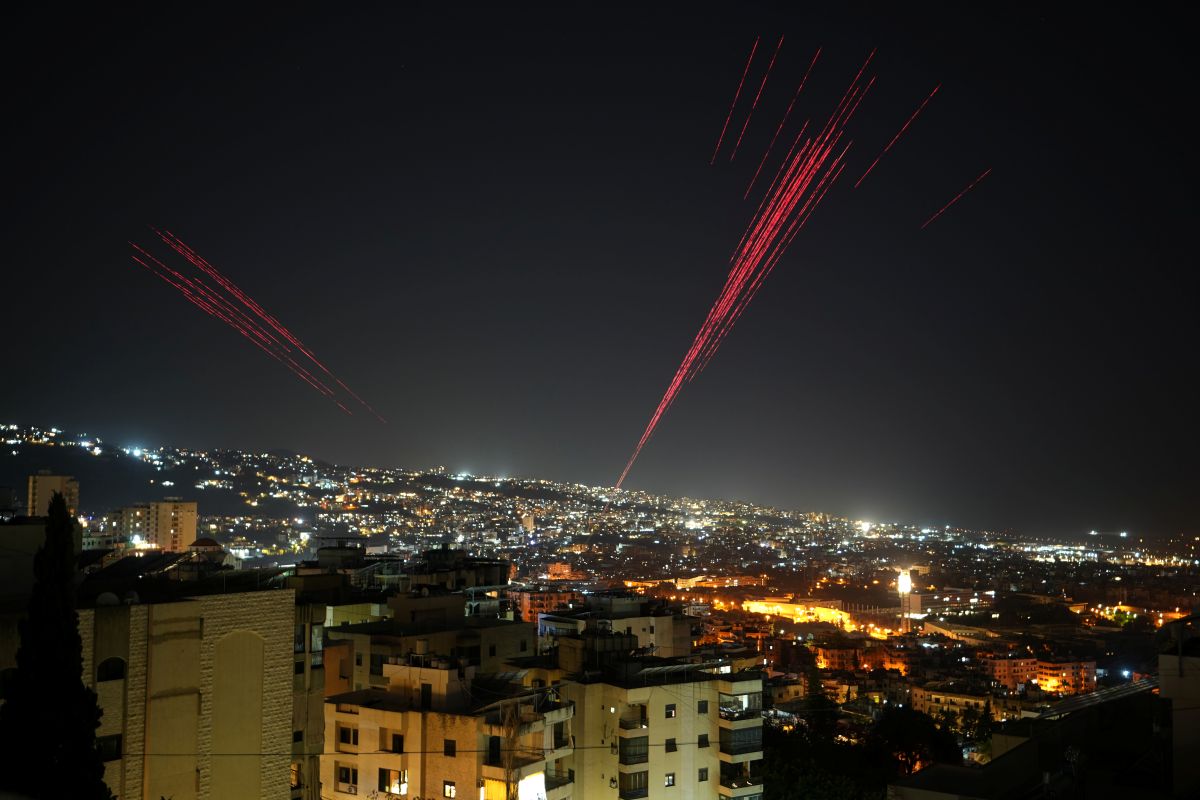
WASHINGTON/JERUSALEM/BEIRUT – A 10-day ceasefire between Israel and Lebanon took effect at midnight between Thursday and Friday local time (2100 GMT), following an earlier announcement by US President Donald Trump.
The truce aims to end more than a month of deadly escalation between Israel and Hezbollah, which has claimed over 2,000 lives.
Trump said on Thursday he will meet Israeli Prime Minister Benjamin Netanyahu and Lebanese President Joseph Aoun at the White House "over the next week or two."
"I think we're going to have a meeting," he told reporters, noting the talks would be the first in 44 years and a potential deal would include Iran-backed Hezbollah in Lebanon. "I think we will have an agreement between Lebanon, and they're going to take care of Hezbollah.”
Israel reserves the right "to take all necessary measures in self-defense" during the ceasefire, which could be extended, the US Department of State said in a six-point statement.
"Besides this, it (Israel) will not carry out any offensive military operations against Lebanese targets, including civilian, military, and other state targets, in the territory of Lebanon by land, air, and sea," adds the statement.
It said that "the government of Lebanon will take meaningful steps to prevent Hezbollah and all other rogue non-state armed groups in the territory of Lebanon from carrying out" hostile activities during the ceasefire.
The truce "may be extended by mutual agreement between Lebanon and Israel if progress is demonstrated in the negotiations and as Lebanon effectively demonstrates its ability to assert its sovereignty," reads the statement.
The statement outlines the terms of the ceasefire and has been agreed upon by the governments of Israel and Lebanon, according to the State Department.
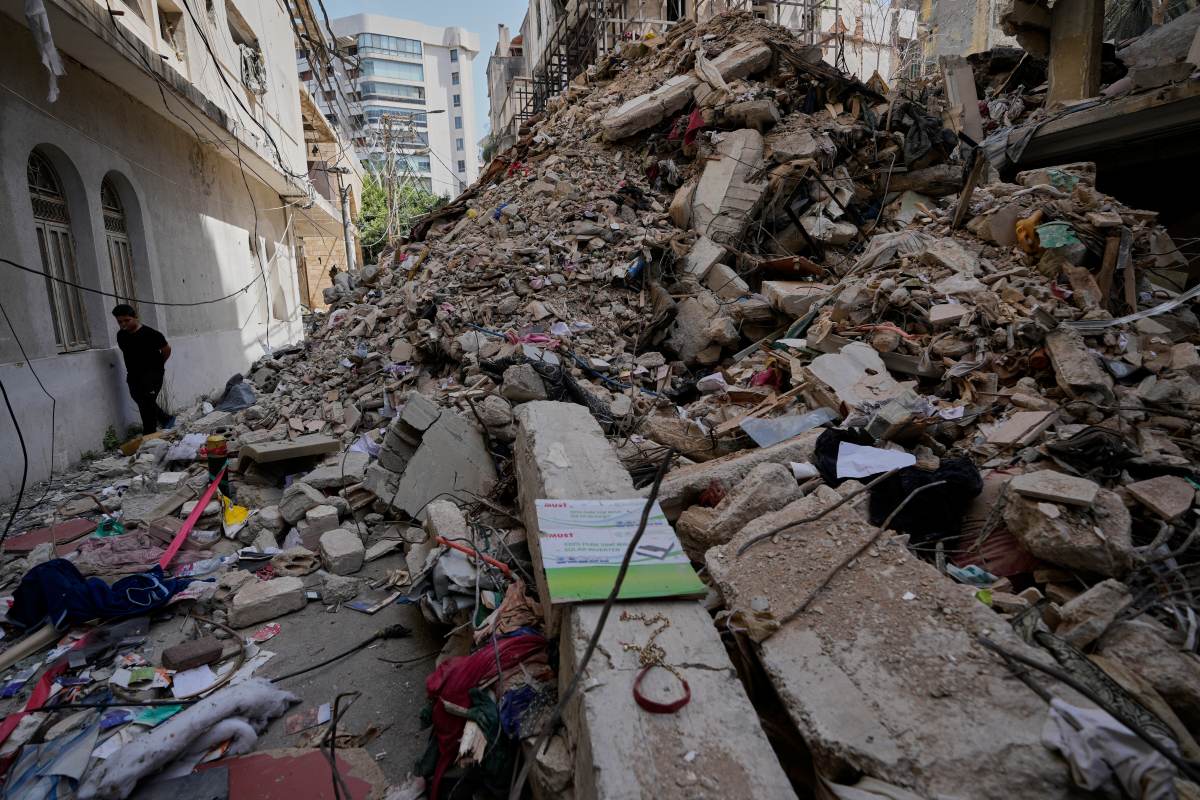
Israel attacks continue
In a statement, Israel's military said that it struck more than 380 Hezbollah targets in southern Lebanon over the past day, including militants, launchers and headquarters.
Israel's rescue service Magen David Adom claimed that Hezbollah launched rockets into Israel during the final hours before the ceasefire went into effect, resulting in three injuries.
In a videotaped statement, Netanyahu said Israel will maintain a 10-km security zone in southern Lebanon during the ceasefire period.
He cited security needs, rejected withdrawal, and highlighted a historic opportunity for peace between Israel and Lebanon, alongside a demand to disarm Hezbollah.
The Israeli prime minister noted that he had rejected Hezbollah's demand for an Israeli withdrawal to the international border, and that Israeli forces would remain in a security zone in Lebanon.
He argued that this buffer zone would help prevent "invasions" and anti-tank fire into northern Israeli communities. "We have an opportunity to make a historic peace agreement with Lebanon," he said, adding that Trump intends to invite him and Aoun to advance such a deal.
Intl community welcomes ceasefire
"We welcome steps that would end hostilities and suffering on both sides of the Blue Line," said Stephane Dujarric, chief spokesman for UN Secretary-General Antonio Guterres, while calling on parties concerned to "abide by this ceasefire."
Arab League Secretary-General Ahmed Aboul-Gheit praised the ceasefire as a positive step to alleviate the suffering of the Lebanese people, urging the relevant parties to immediately abide by the truce and launch serious negotiations to secure a sustainable ceasefire.
Iranian Foreign Ministry spokesman Esmaeil Baghaei also welcomed the truce, noting that it is part of the Pakistan-mediated two-week ceasefire deal between Iran and the United States to stop the war, according to official news agency IRNA.
Egypt described the move as a significant measure to de-escalate regional tensions and halt the "Israeli aggression" on Lebanon.
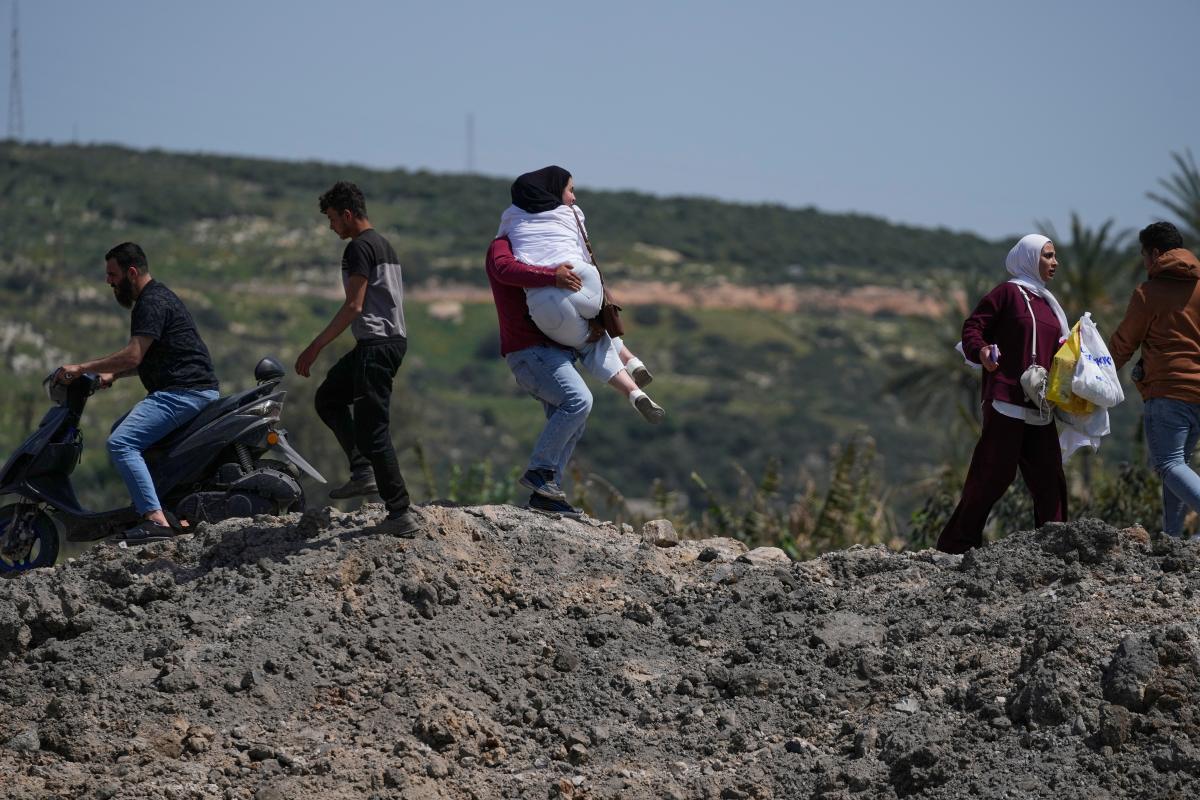
In a statement, the Egyptian Foreign Ministry urged the international community to fulfill its responsibilities to ensure the ceasefire's sustainability, facilitate the delivery of humanitarian aid, and enable displaced people to return to their homes.
The Ministry of Foreign Affairs of the United Arab Emirates voiced hope that the truce will serve as a positive step toward fostering an environment conducive to regional stability, according to the Emirates News Agency.
The ministry also affirmed the importance of continued effective international coordination to prevent further escalation and mitigate the humanitarian and security repercussions across the region.
The Qatari Ministry of Foreign Affairs said the ceasefire is a step towards de-escalation, expressing hope that it will support regional and international efforts aimed at achieving a comprehensive, just, and sustainable peace in the region, according to Qatar News Agency.
A previous ceasefire in Lebanon, which had been in place since November 2024, was characterized by near-daily Israeli strikes in the country. The fragile truce collapsed on March 2, when Hezbollah launched rockets toward Israel in support of Iran, triggering intensified Israeli airstrikes across Lebanon.
