

Disused sites reinvented as art centers, museums, sports facilities
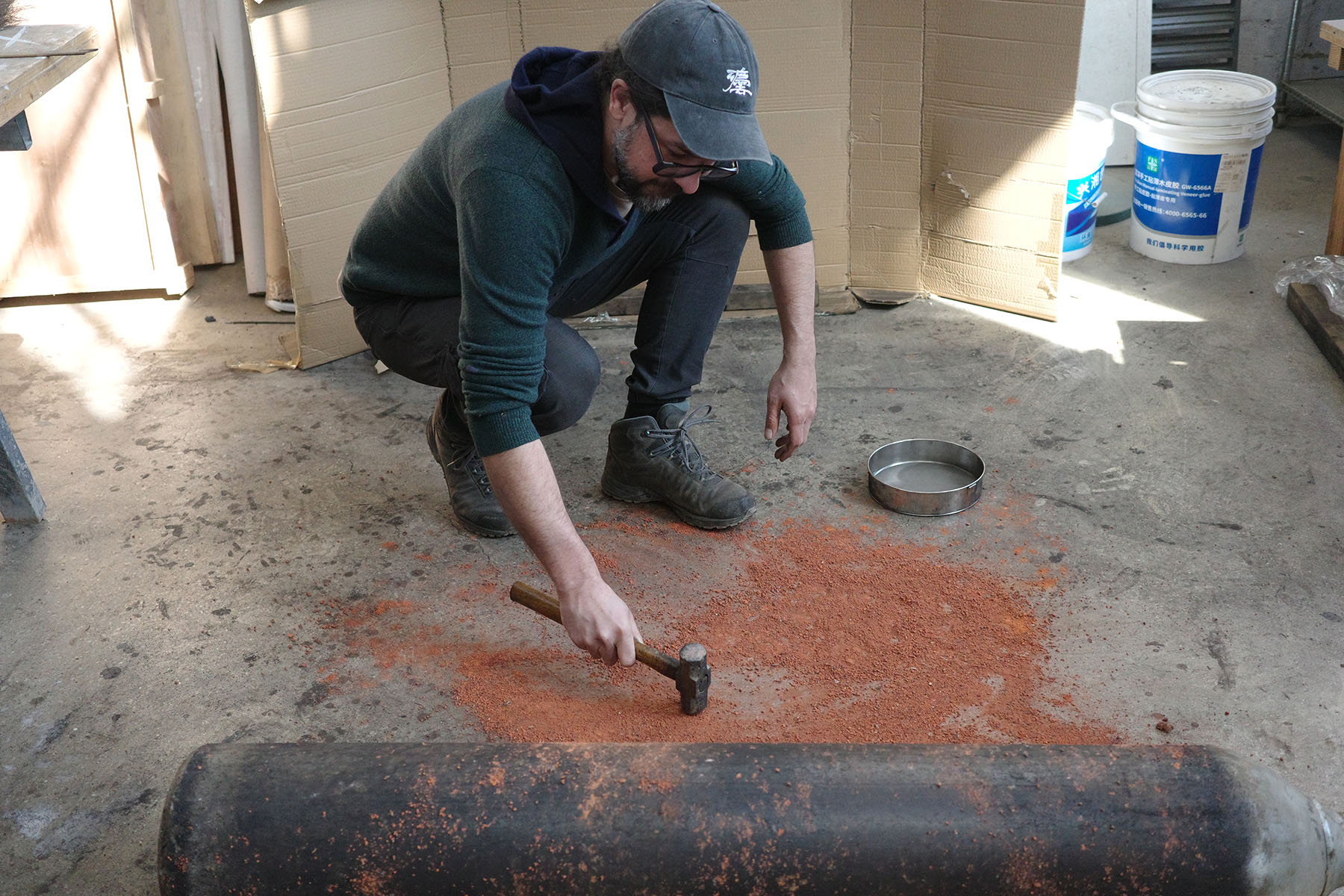
After weeks of relentless spring rain, French-German artist Alexandre Dupeyron finally navigated the decaying corridors and broken staircases of an abandoned coal mining area in Ningxiang, Hunan province. His footsteps stirred the dust that had settled over scattered debris.
Dupeyron picked up a small fragment of coal from the floor. Remnants of the conveyor that once carried coal through the facilities, stretched like a skeletal staircase against the sky. This humble lump of coal, glittering faintly in the sunlight, became the raw material for his artwork.
"I've been working with crushed coal here, blending drawing and photography," said Dupeyron, 43, who arrived at the former Wumuchong coal mine area in early March for a one-month artist's residency.
In his temporary studio, Dupeyron ground coal and brick fragments gathered from the area into fine powder, filtering it multiple times. With his own recipe, he planned to use the powder to create pigments — for drawings, photographs and artworks born from the substance of the mine area.
One of the recurring themes in his artwork is the relationship between people and nature, Dupeyron said.
As an artist exploring the changing urban landscape, Dupeyron has always wanted to work at a former industrial site. "This place is amazing," he said.
Gradual restoration
The Wumuchong coal mine was once a key energy production base in Hunan. At its peak, the mining area employed 2,000 miners, with dormitories, bathhouses, sorting conveyors, and ventilation shafts spread across the area. For decades, the coal extracted and processed in Wumuchong powered industries and heated homes across the region.
In 2014, the local government decided to shut down the mining operation to phase out outdated production methods and address environmental concerns.
After the mine officially ceased production in 2016, many industrial facilities and buildings were preserved. Nine main buildings, three mine shafts, kilometers of railway tracks, and the skeletal frame of the sorting conveyor sat silently in the nearly 10-hectare area.
With the initiative of artists and the local government, the coal that once fueled industry now fuels creation.
The project to build an international art zone in the former mining area began in 2020, said Liu Ke, a professor at the Guangzhou Academy of Fine Arts and one of the project's initiators.
Instead of rapid construction, the team chose a gradual, year-by-year transformation for the area. The heart of the complex, once completed, will be a museum built on-site to preserve and display the main industrial heritage of the old mine, surrounded by artist studios and living areas, galleries and exhibition halls, and a public ecological art park.
International artist residencies are one of the Wumuchong art zone's primary focuses, Liu said. Artists like Dupeyron are invited to stay and create their artworks on-site, with access to studios and accommodation.
"We encourage visiting artists to stay longer, typically for one or two months," Liu said. "This extended immersion allows them to develop a closer bond with China, gain a better understanding of the local culture, and form collaborative relationships with local artists."
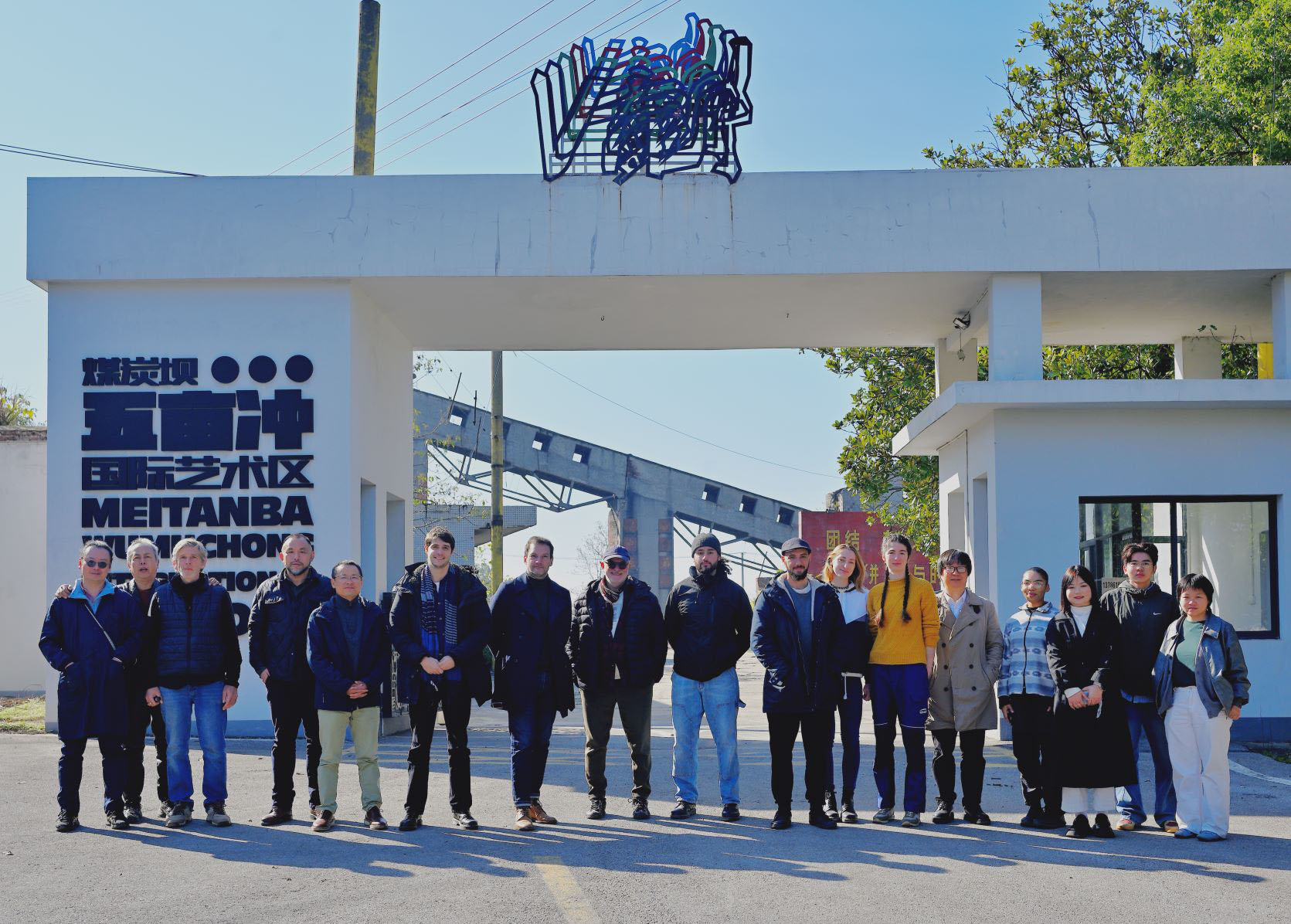
Since 2020, approximately 300 international artists have completed short-term residencies in the area, while seven artists are in long-term residence, according to Liu. The art zone has also established ongoing exchange mechanisms with residency programs in Germany, France, Switzerland, Italy, Turkiye and Malaysia.
Preservation and restoration work on the old industrial sites is underway, with a collaborative project carried out within the framework of Sino-French cultural cooperation.
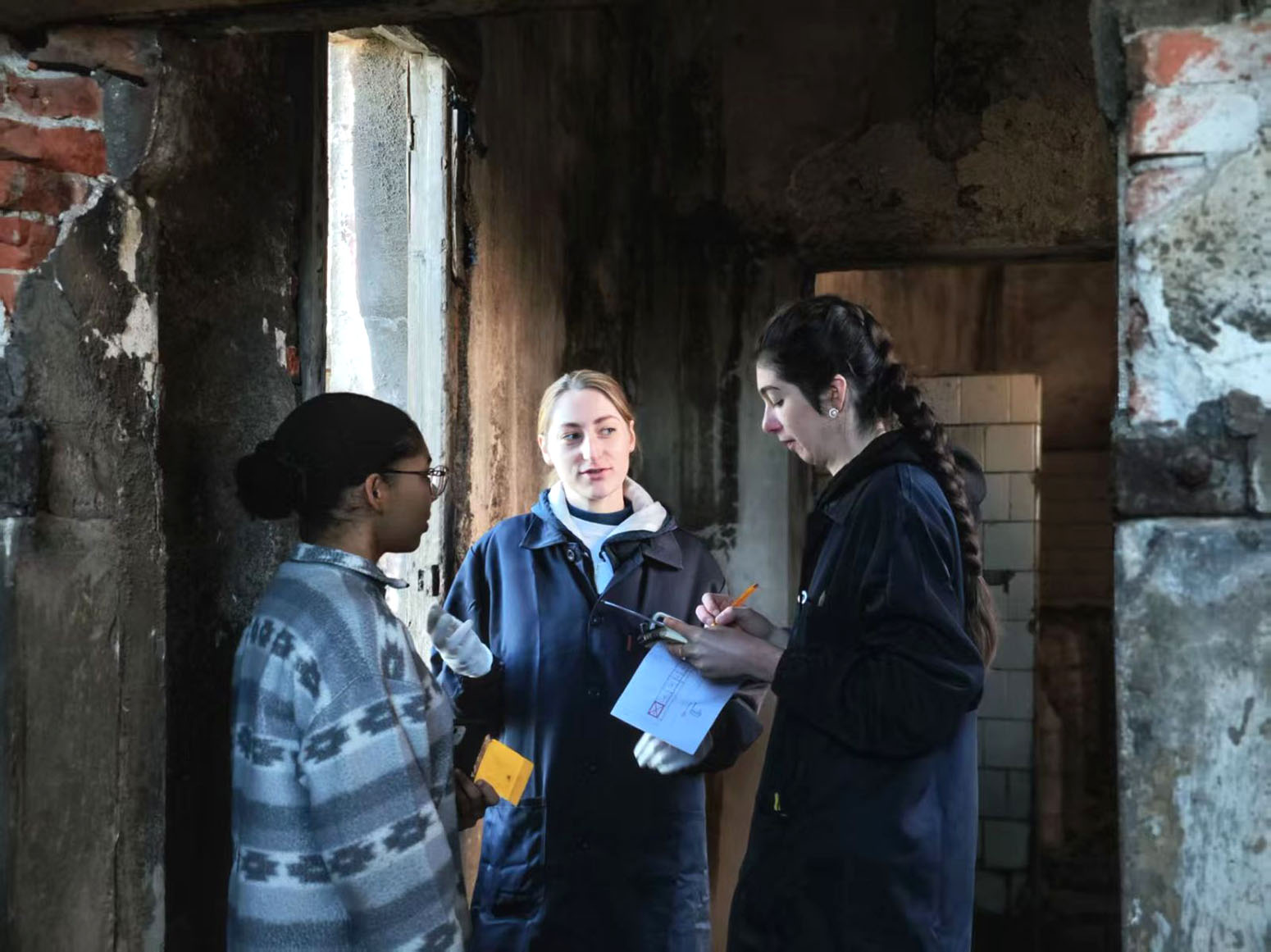
In 2024, against the backdrop of the 60th anniversary of the establishment of diplomatic relations between China and France, as well as the Sino-French Year of Culture and Tourism, the Guangzhou Academy of Fine Arts and the Avignon Higher School of Art in France jointly launched the Wumuchong Coal Mining Area Cultural Preservation and Ecological Restoration Project. Via multidisciplinary approaches including art, architecture and heritage conservation, the Chinese and French teams together conducted systematic research on the mining site. They also interviewed veteran miners and technical personnel who once worked in the mining area to gather firsthand information on production processes and spatial usage patterns, aiming to draw a complete picture of the area's industrial memory.
"The restoration of the buildings aims to preserve their authentic materials," said Herve Giocanti, a professor of conservation and restoration of cultural heritage at the Avignon Higher School of Art. "First, we need to understand the history of this mine and its people."
Ecological considerations also play a vital role in the project. The French team introduced biochar technology, which treats abandoned materials through anaerobic combustion, reducing pollution while producing outputs useful in both agriculture and art.
Last year, French artist Sarah Venturi created a unique pigment from recycled coal dust from the site, naming it "Meitanba Black" after the township where the mine was located.
According to Liu, restoration work will focus on two to three buildings each year, while advanced ecological technologies will be utilized in both restoration and construction of several new buildings.

New social context
In the restoration process, a core discussion among Chinese and French experts was how this space could exist in the new social context after the end of industrial production — a question relevant to every industrial heritage site in China and worldwide. The answer in Wumuchong lies in creating an open cultural space where the elements that once served mining production are integrated into a system of artistic creation, academic research and public communication. Unlike many other successful projects, the team chose to avoid large-scale commercialization.
"Instead of a cultural consumption destination, we want a space centered on artistic creation, a place where new work and new ideas emerge," Liu said.
Recognizing its importance in the historical and industrial landscape, the Wumuchong mining production area was designated as a provincial industrial heritage site of Hunan in January.
The transformation underway in Wumuchong is part of a larger phenomenon seen across China. In nearly every Chinese city, the physical remnants of industrialization — shuttered factories, abandoned mines and disused rail yards — stand as quiet witnesses to the rapid industrial upgrading and urban development, awaiting their next chapter.
Worldwide, the recognition of industrial heritage developed progressively throughout the past century. In the mid-20th century, the foundation for "industrial archaeology" as a research approach was established in the United Kingdom, significantly accelerating the recognition of the historical significance of industrial remains.
In 1973, efforts to coordinate international perspectives on industrial heritage resulted in the founding of the International Committee for the Conservation of the Industrial Heritage. This initiative brought together scholars, professionals and enthusiasts to promote international cooperation in preserving, conserving, investigating, documenting, researching, interpreting and advancing education on industrial heritage.
"The term 'industrial heritage' helps us understand the significance of these sites through the lens of historical timelines," said Qiu Jun, a senior architect at the China Architecture Design and Research Group. "Just like cultural relics or geological remains, industrial heritages are also carriers of the memory of human beings at a particular historical moment," Qiu said.
Unlike archaeological sites, most industrial heritage sites date from a more recent era and remain standing above ground in modern cities, Qiu added.
"That tangibility — the fact that you can walk through them and touch them — is precisely what makes them unique and valuable," he said. "They are still part of the growing urban fabric."
The challenge, then, is not simply to preserve these spaces as museum pieces but to weave them back into contemporary life.
The Ruhr region in Germany, once the industrial heartland of Europe, presents one of the most significant industrial transformations in the world. In 2001, the Zollverein Coal Mine Industrial Complex in the region, once the largest coal mine in the world, was inscribed on the UNESCO World Heritage List.
After the mine ceased operation in the 1990s, the region was successfully transformed into a cultural center. The former coal washing plant was converted into a museum for the entire Ruhr region and an international visitor center. Conveyor bridges, chimneys and the mixing plant of the former coking plant were gradually refurbished. The suction and compressor hall was converted into a modern event hall, and the comb building was redesigned to accommodate offices and studios for companies in the digital and creative industries.
Shougang Park
In China, one of the most renowned examples of industrial heritage preservation and regeneration is Shougang Park in Beijing. The site, featuring the world's first permanent big air venue, hosted the big air events during the 2022 Winter Olympics. As athletes soared against the backdrop of industrial giants, images of the transformed park captivated a global audience.
Located in western Beijing, the expansive complex was once home to China's oldest and largest steelmaker. Founded in 1919, its blast furnaces operated continuously for nearly a century, producing steel for bridges, buildings and railways across the nation. Production ceased in 2010 as part of the city's environmental overhaul.
Today, four massive blast furnaces stand preserved as striking monuments to the site's past. Nearby, former workshops have been converted into offices, hotels, restaurants and exhibition spaces. Railway tracks now weave through landscaped greenery, and the cooling pond has been transformed into a clear artificial lake. In 2021, the China International Fair for Trade in Services made Shougang its permanent home, with one furnace adapted into the fair's main venue.
The dominant feature of Shougang Park's transformation is the preservation of the site's original spatial and industrial logic, Qiu said.
"Those structures with the clearest historical and spatial value — the huge factory buildings, the major industrial landmarks — were preserved as a foundation of the landscape," he said. "New commercial, exhibition and cultural functions were added to that."
The result is not a museum frozen in time, but a living district where the industrial past coexists with contemporary life.
Across the country, cities are developing their own approaches, tailored to local conditions and histories, to breathe new life into their industrial heritage.
In Qingdao, Shandong province, the Tsingtao Beer Museum is housed in the century-old factory building of the brewery founded in 1903, during Qingdao's period under German colonial influence. The industrial fabric has been well preserved: the redbrick building, designed in the "Jugendstil" architectural style popular in Europe at the turn of the 20th century, features an 1896 Siemens electric motor, old copper mash kettles, and fermentation vessels made of ancient oak.
Building on this heritage, the museum has developed a profitable business model by offering visitors an immersive experience. After exploring fermentation cellars and learning about the brewery's production process from 120 years ago, visitors can taste freshly brewed beer, enjoy theater and light shows and purchase creative products ranging from beer glasses to wine-flavored ice creams.
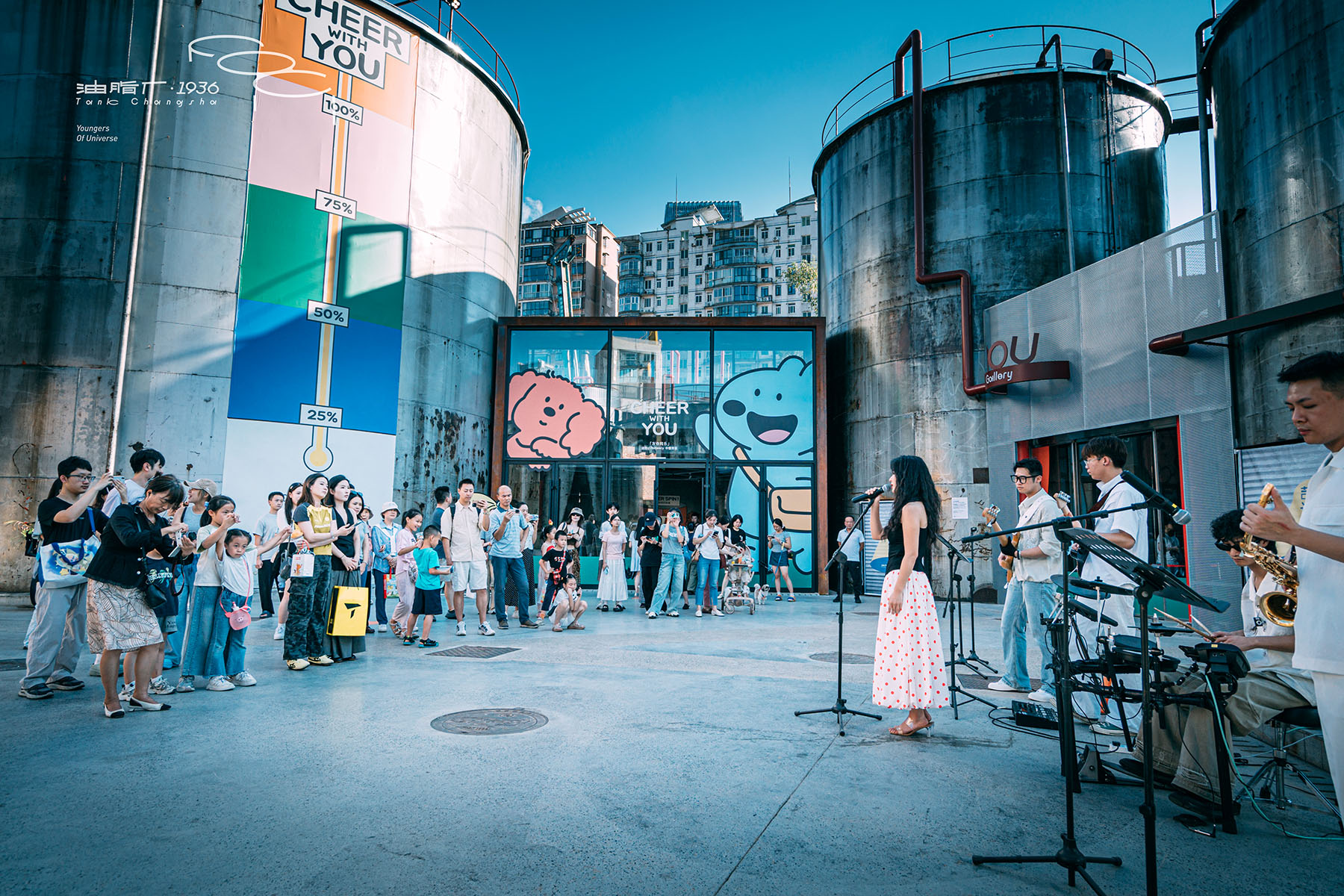
In downtown Changsha, the capital of Hunan, the renovation of an old oil warehouse complex was completed and opened to the public in July last year. Dating back to the 1930s, the warehouse's 12 massive steel tanks once stored cooking oil for the city — a place etched in the memory of generations who brought their own bottles to buy oil.
After renovation, the tanks were reinforced but retained their original appearance. Red bricks stamped with faded characters from demolished old buildings were preserved and reused. Rather than replicating successful models from other cities, the complex's operating team sought to recreate scenes of the "oil-buying culture" that older residents remember — a unique collective memory of the city.
"We held onto the unique feeling of the place — the warmth of everyday life in old Changsha," said Xiao Lei from the team.
In the newly opened complex named Tank Changsha, visitors strolling through shops and cafes built in the former warehouse buildings sometimes notice something unexpected.
"Occasionally, you can still catch a faint hint of oil in the air — decades of memory seeped into the bricks, refusing to fade," a visitor wrote on social media.
He Chun and Yang Xiaonan contributed to this story.
Contact the writers at limuyun@chinadaily.com.cn
