

From paddleboards and cherry blossoms on the Liangma River to the bustling Canal West Bank in Tongzhou, Beijing's restored waterways are creating new spaces for leisure and relaxation, Yang Feiyue reports.
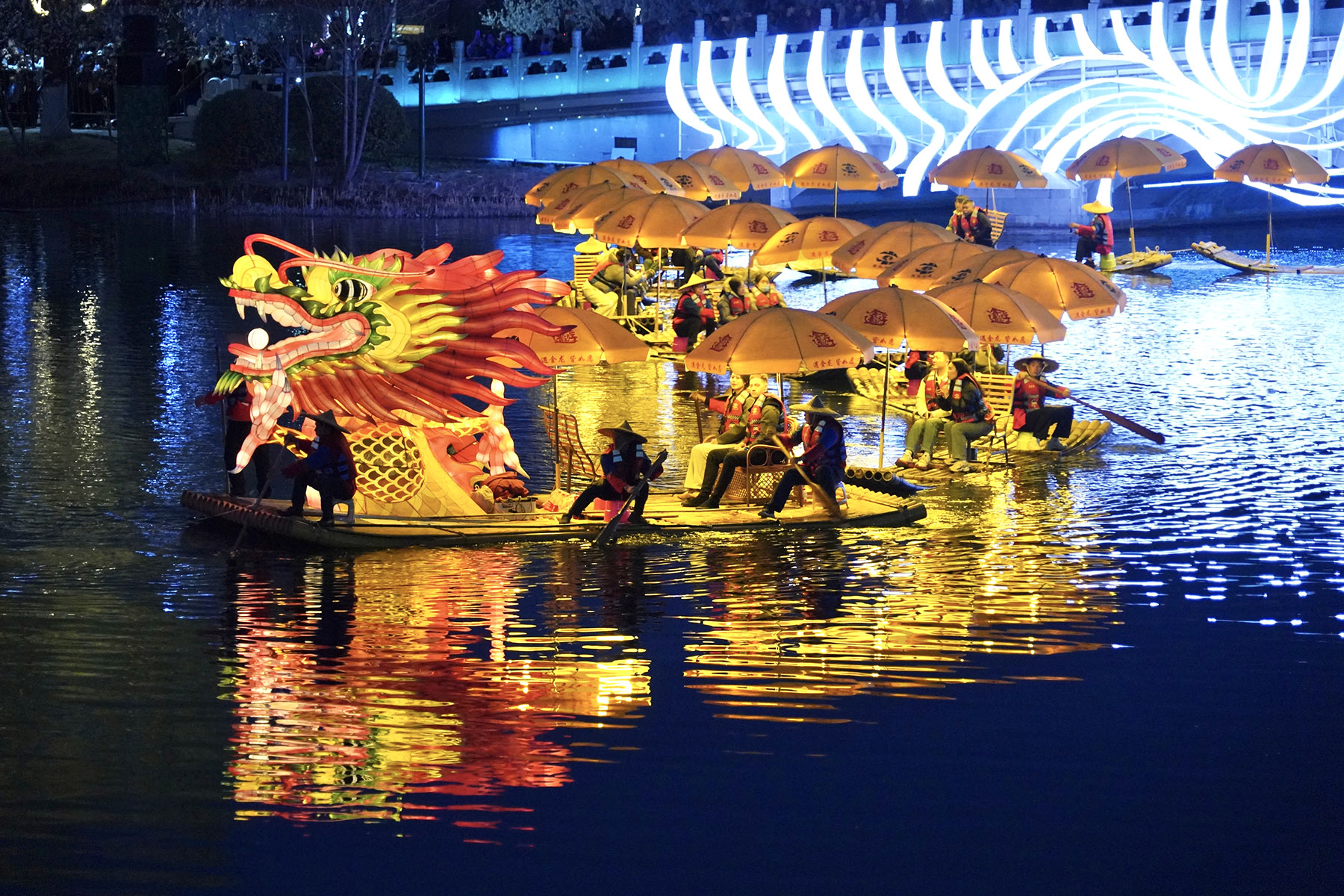
Beijing does not, to most of the world, register as a water city. Ask a traveler to picture the Chinese capital, and they will conjure up the Forbidden City's crimson walls, the Summer Palace's marble boat, or the labyrinth of hutong lanes.
But beneath this landlocked identity flow several major river systems that are etched into the city's very origin. The Daqing River, Yongding River and the Grand Canal thread their way through the capital, spilling into a network of tributaries that weave between high-rises and historical neighborhoods.
These waterways have shaped Beijing for millennia, with their indispensable role in transporting grain, defending dynasties, and giving rise to settlements.
READ MORE: Rhythms in flux
Although suffering neglect in the late 20th century, these waters are being reclaimed through arduous protection efforts and ingenious design as cherished public spaces in the megacity, where people gather to slow down, breathe and remember that a solemn capital can be softened by water.
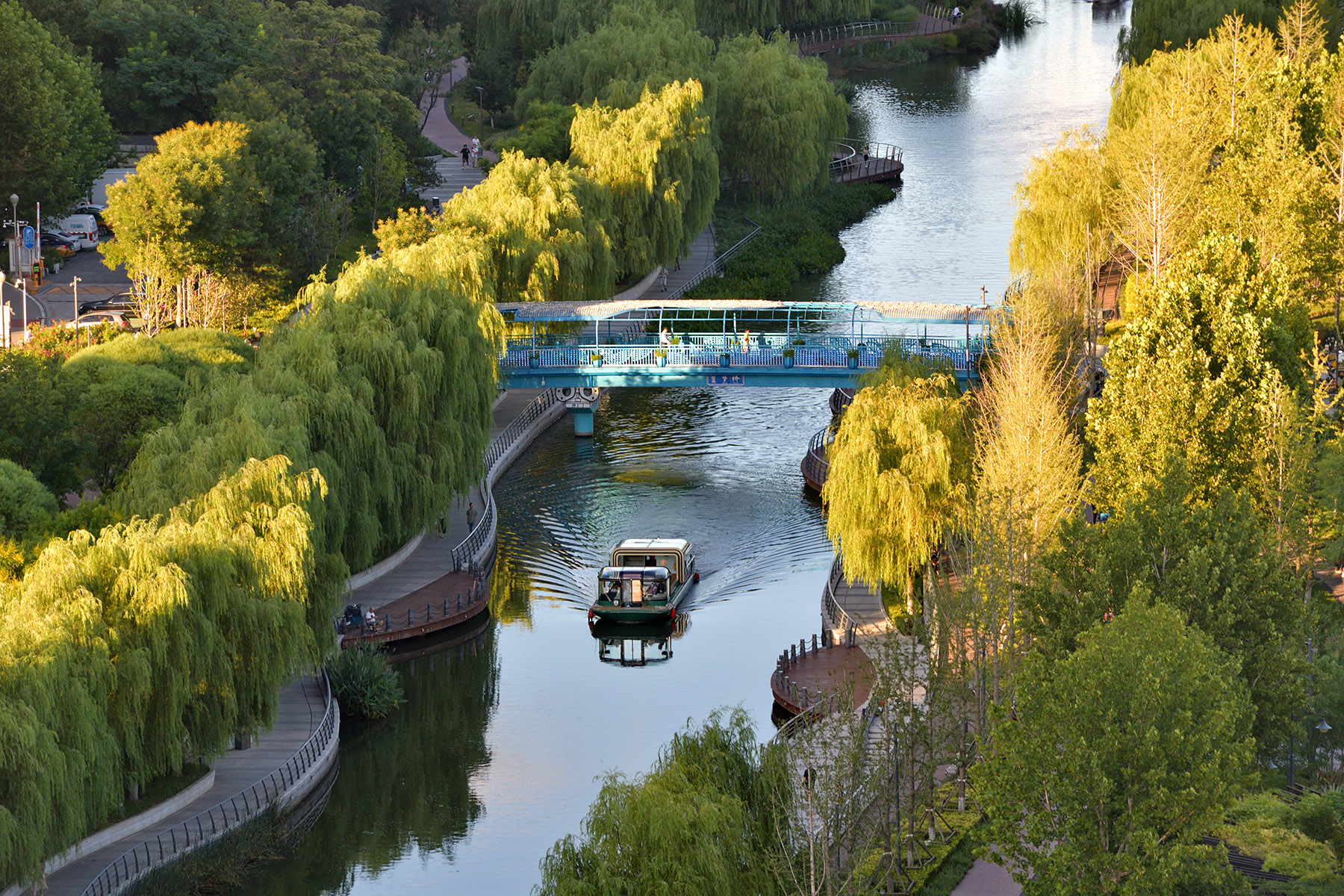
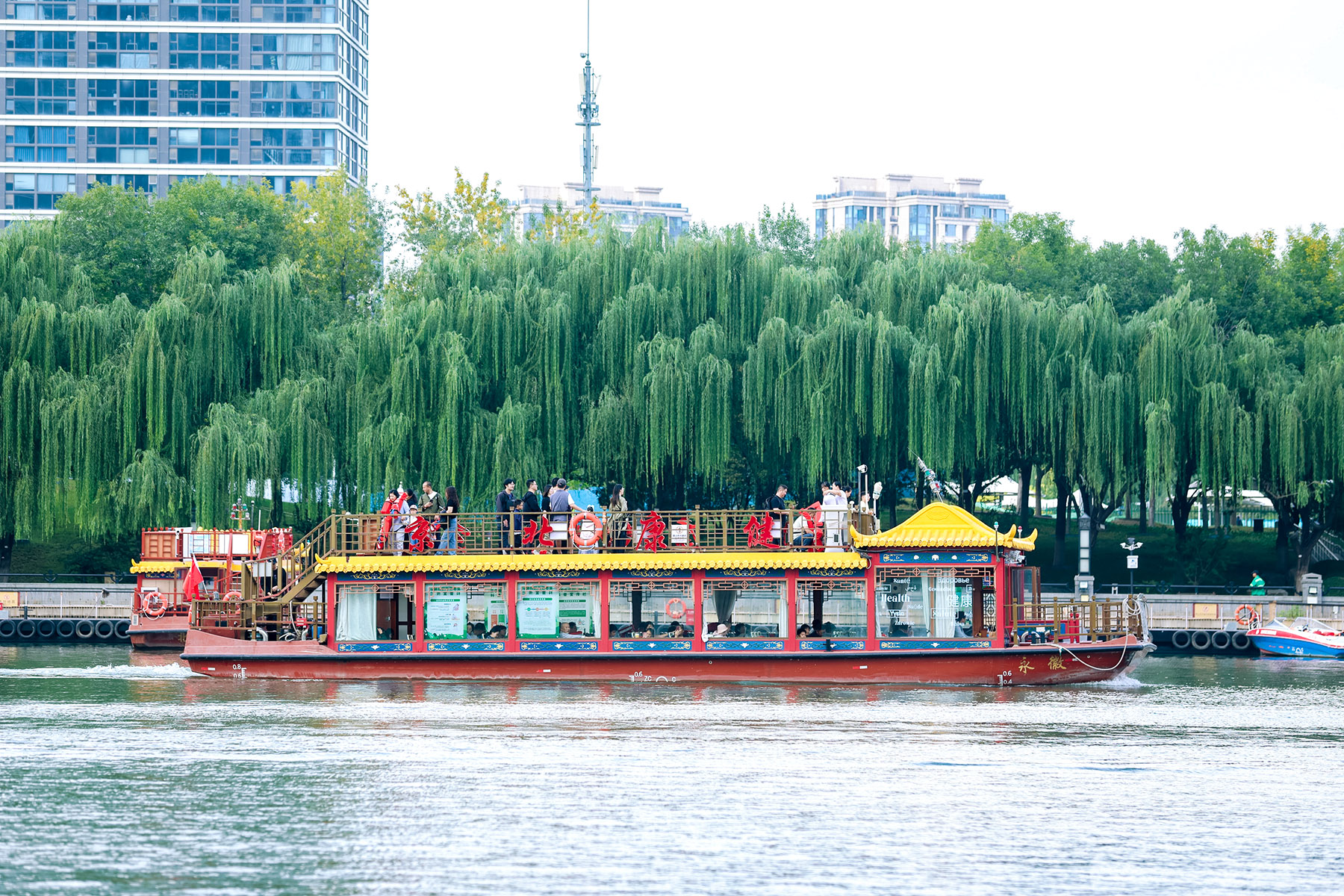
In mid-March, rows of boats start to glide away from Blue Harbor Pier on the Liangma River, cutting a gentle wake through the afternoon sunlight. On board, passengers lean against the rails, phones raised, capturing the scene unfolding around them.
Within minutes, the boat passes beneath Haoyun Bridge, known locally as the "proposal bridge".
"This section is my favorite," says Zhang Xiaoyu, a staff member with the Liangma River Cruise Center.
"You transition from an urban cityscape to an expansive natural view. The visual impact is unlike anything else in Beijing."
This 40-minute cruise along the Liangma River has become one of the capital's most sought-after experiences. Last year alone, the river attracted over 10 million visitors.
Urban renewal
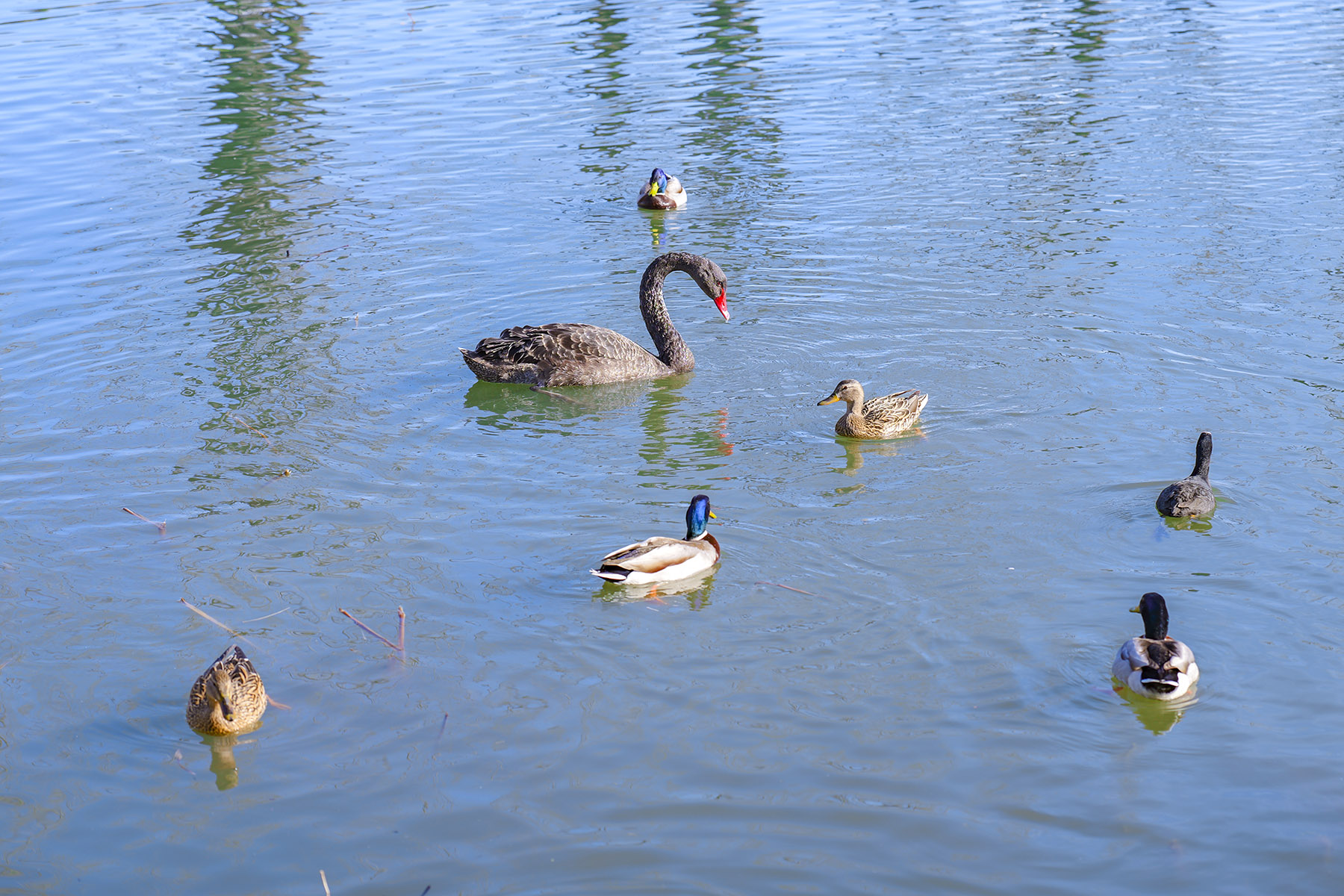
As spring rolls in, willow branches sway gently along the banks. Several mallards paddle leisurely across the surface, occasionally dipping their heads below before emerging with a spray of droplets.
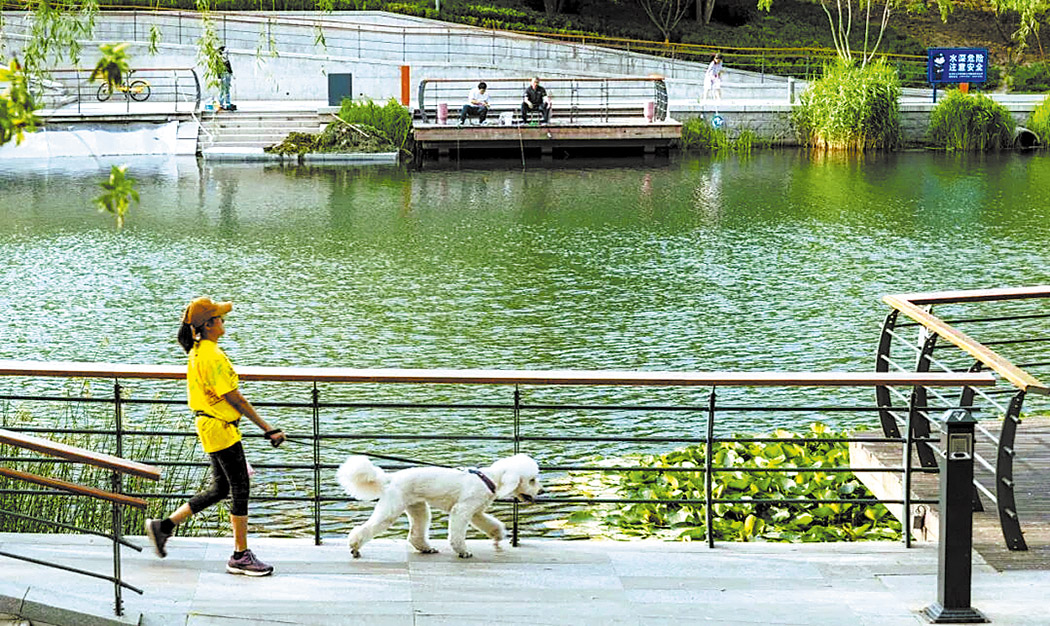
On the riverside path, people jog, walk their dogs, and push strollers at an unhurried pace.
It is a far cry from the scene over a decade ago, when much of the riverbank was lined with vertical embankments. Although many commercial buildings and office towers stood along the waterfront, most of them were oriented away from the river.
The site's transformation began decades ago. In 1982, more than 2,000 construction workers excavated 320,000 cubic meters of mud and built nearly 10,000 cubic meters of protective embankments.
The "Clean Water Chaoyang" initiative launched before the 2008 Olympic Games marked another turning point, when treating the river became an ecological battle. The most dramatic changes came in 2019, when authorities launched a comprehensive campaign, "River Restoration Driving Urban Renewal".
Today, the Liangma River's water is clear enough to see fish swimming, and egrets have returned.
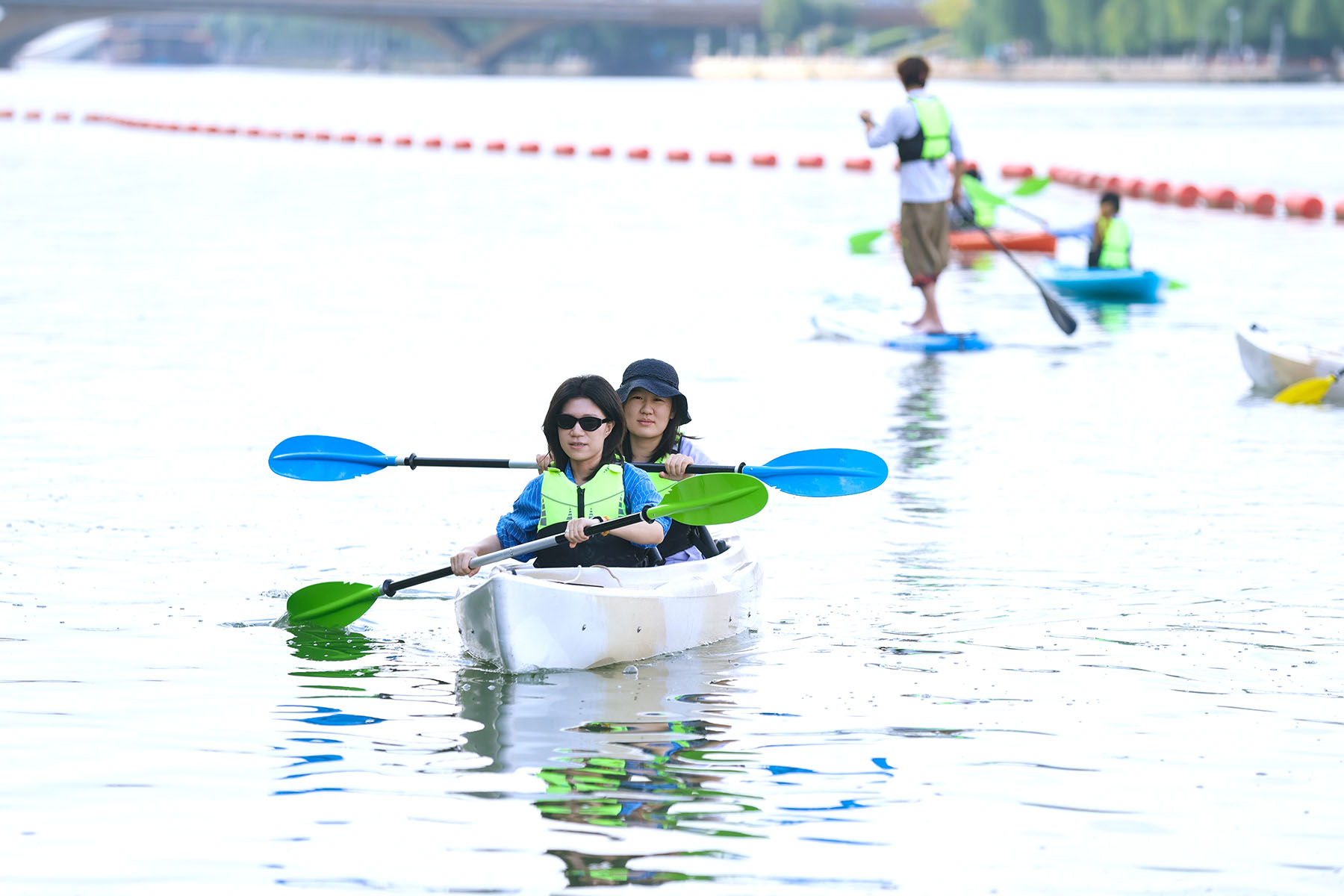
"Watching this river come back to life has been incredible," Zhang says, adding that when people fall into the water while paddleboarding, they laugh about it.
Views from this year's cruise season take in nearly 1,000 cherry and peach trees planted along the banks.
"When they're in full bloom, passengers will sail through clouds of pink and white," she says.
The boats operate from March through mid-November, with peak daily ridership reaching 1,000 passengers.
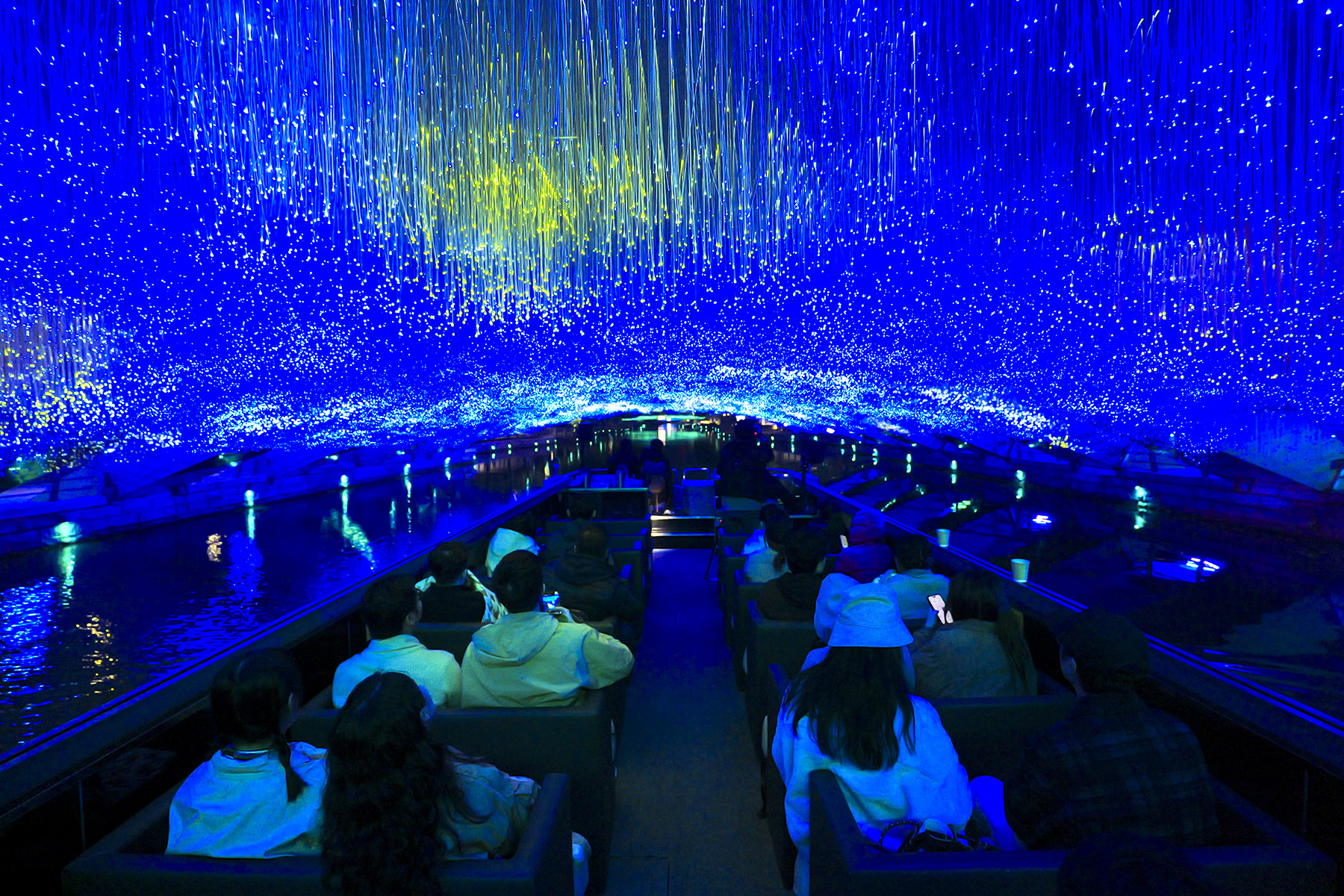
The route passes seven of the 24 bridges spanning the Liangma River. In addition to the splendid light shows, night cruises reveal another dimension, where a naked-eye 3D art space adds a futuristic layer to the journey.
A short walk along the north bank leads to Liangma Xiaoyuan (Liangma Small Courtyard), a quiet space tucked away from the bustle.
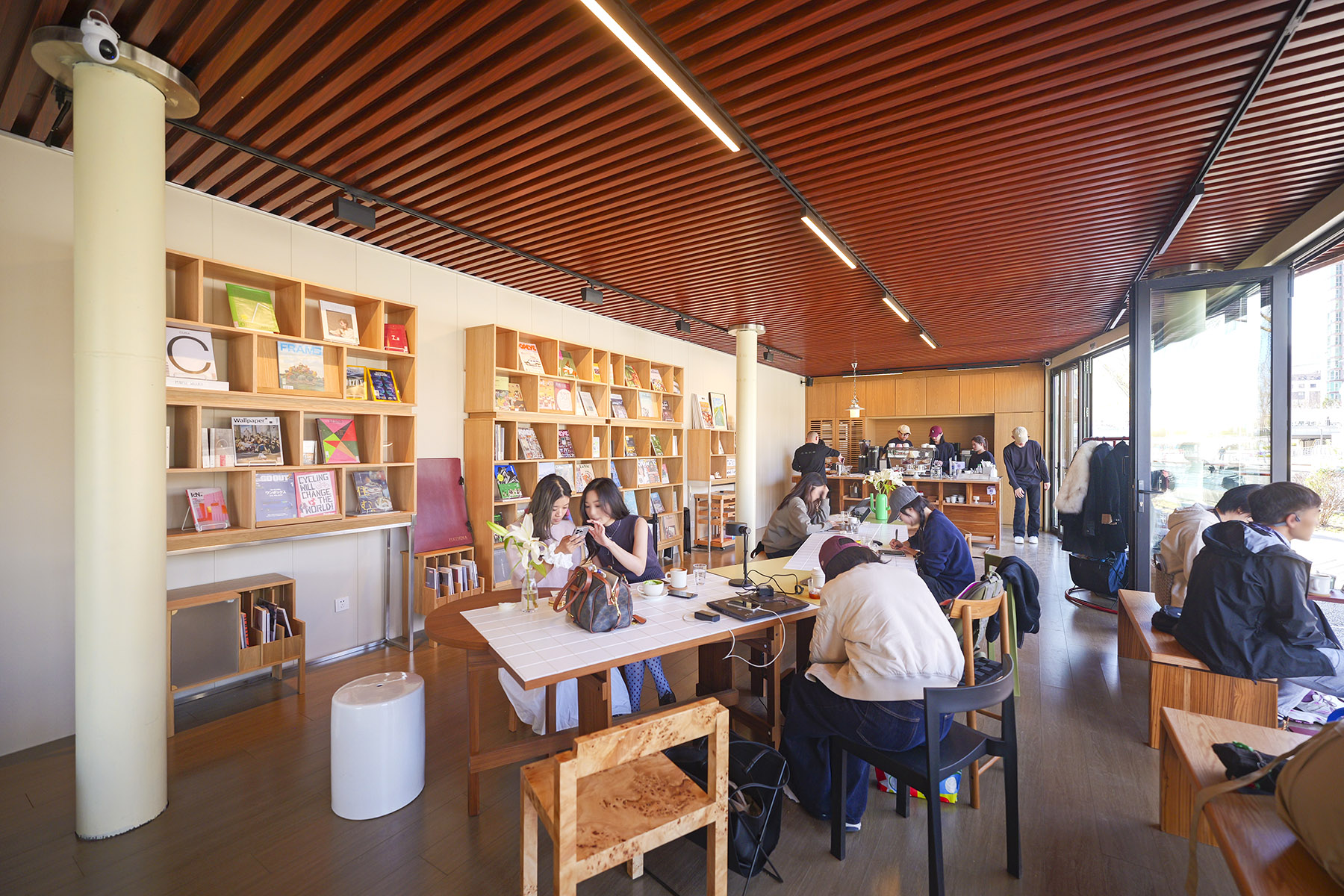
Under outdoor umbrellas, people sip coffee while reading, work on laptops, or simply gaze at the river. Young visitors pose for photos in front of a rose-covered wall, or seem lost in thought, sitting on a swing with their headphones on.
The courtyard now houses businesses ranging from a chic cafe, a creative cultural products store and a flower shop to a casual dining spot.
Seasonal flowers and plants create a pleasant atmosphere throughout the year. Street-side terraces and camping-style seating add to the relaxed vibe. At night, lights illuminate the space, creating an interplay of shadows and greenery.
"The courtyard hosts salon events where young people gather to chat over coffee, or simply soak up the sun," says Zhu Mengjiao, an official from the Beijing Chaoyang Culture and Tourism Development Group responsible for the development of the Liangma River cultural and economic belt.
Across the river, a newly opened two-level platform offers a leisurely rhythm that shifts from day to night — reading with coffee by day, unwinding with a drink after dark.
"These small commercial spaces are like capillaries feeding the river's vitality, representing the '1,000 ways of living' along the Liangma River," Zhu notes.
Outdoor attractions
From the Liangma River, water flows eastward into the Bahe River, and eventually reaches Tongzhou, where the river broadens noticeably.
Exit the subway at Beiyunhexi Station, cross the road, and you're at the south entrance of Yunhexi'an (Canal West Bank).
There are no walls, no railings, not even an obvious scenic area gate, as the path unfolds naturally along the riverbank. Walking along the river, one sees families strolling, elderly residents exercising, and young couples sitting on the steps, simply watching the water.
"The biggest change is that we've completely torn down the 'invisible wall' between people and the Grand Canal," says Du Qianhui, a guide for the Canal West Bank area.
It used to be an ordinary riverbank road, separated from the water by green belt. Now, all rest stations and shops have been moved to the street-facing side, and the waterfront area is completely open to pedestrians.
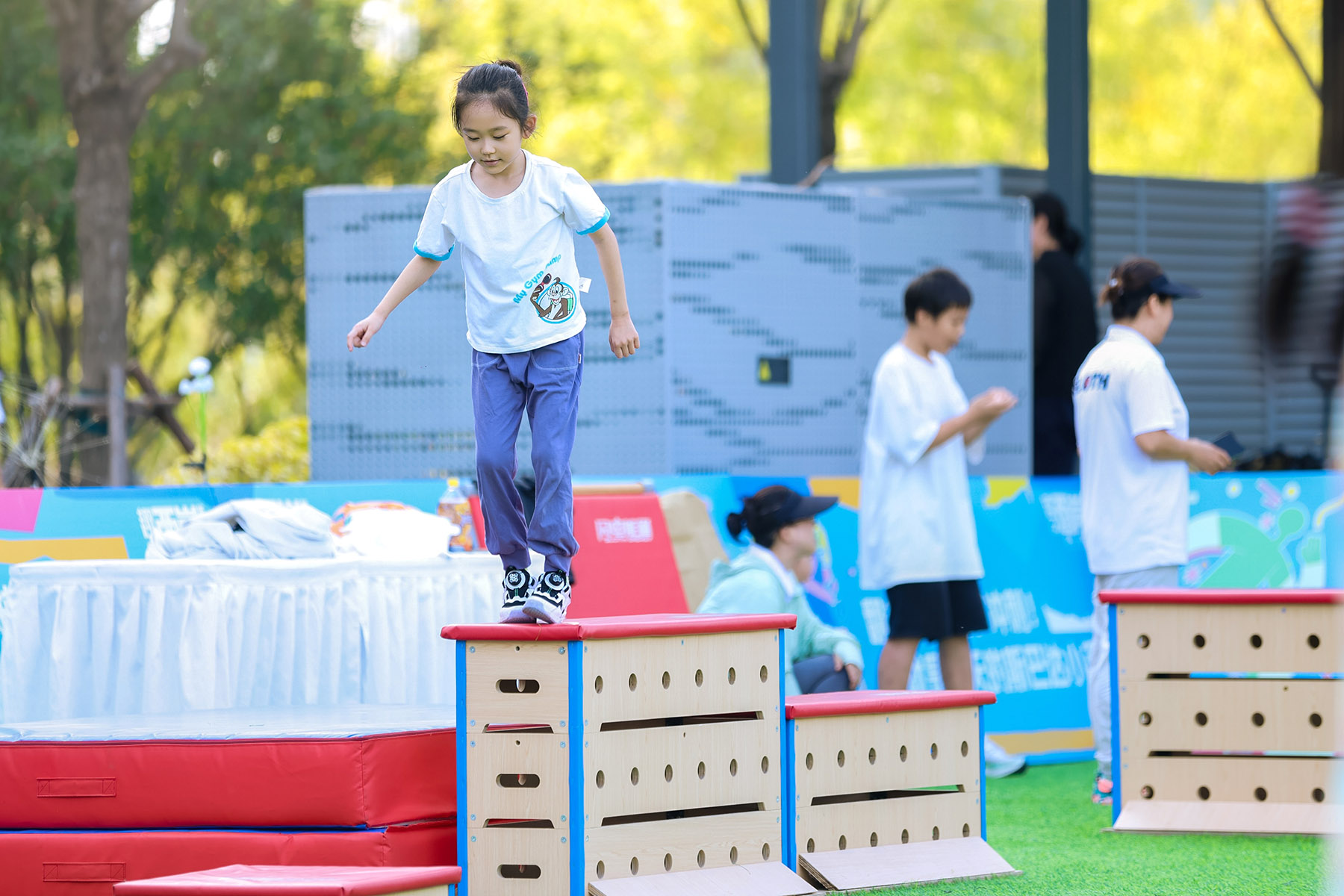
Two large viewing platforms break the visual barrier, becoming prime spots for watching dragon boat races. Outdoor standardized basketball courts host regular street basketball events and street dance competitions. Themed vending carts and open-air movies operate regularly.
Du observes that visitor spending follows a "gradual immersion" pattern.
"Most people don't head straight for a specific shop. They're first drawn by the river view, grab a riverside coffee, and then walk along taking photos," she says.
Eventually, they're attracted by a restaurant terrace, decide to stay for dinner, and afterward they might continue walking, perhaps buying dessert or stopping at a bar, she adds.
Walking north along the west bank, visitors will see the famous Randeng (Burning Lamp) Buddhist pagoda.
Historical accounts show that when ancient boatmen on grain transport vessels saw this pagoda, they knew they had arrived in Tongzhou.
Now, visitors to the pagoda area can experience more than just ancient architecture and photography. Guided tours explain the history, intangible cultural heritage displays showcase local crafts, and the cultural origins of Confucianism, Buddhism and Taoism — coexisting at this site — are explored.
In the eastern courtyard of the Confucian temple, visitors can see timber destined for imperial construction that sank in the canal centuries ago. These centuries-old logs, accompanied by detailed explanations, offer a tangible connection to the hardships of waterborne transport and the wisdom of ancient craftsmen.
To get closer to the Grand Canal, one can board a cruise boat from the Caoyun Terminal. As the boat rocks gently with the waves, the scenery transitions from forested green spaces to urban buildings and cultural districts.
ALSO READ: Past & present in dialogue
Be sure to drop by the Grand Canal Museum, which chronicles the history of the canal and Beijing from ancient times to the present day.
"If you still have energy afterward, order a cocktail, let the music wash over you or stop by a bar or bistro," Du says with a smile.
The paddleboards and coffee along the Liangma River and the vibrant life on the Canal West Bank are just a slice of Beijing's close relationship with water.
The city will open a 42-kilometer continuous navigation route this year, according to local authorities.
Eventually, residents will be able to trace the northern edge of Beijing's downtown area all the way to the canal in Tongzhou, taking in the diverse landscapes of the capital.
Contact the writer at yangfeiyue@chinadaily.com.cn
