

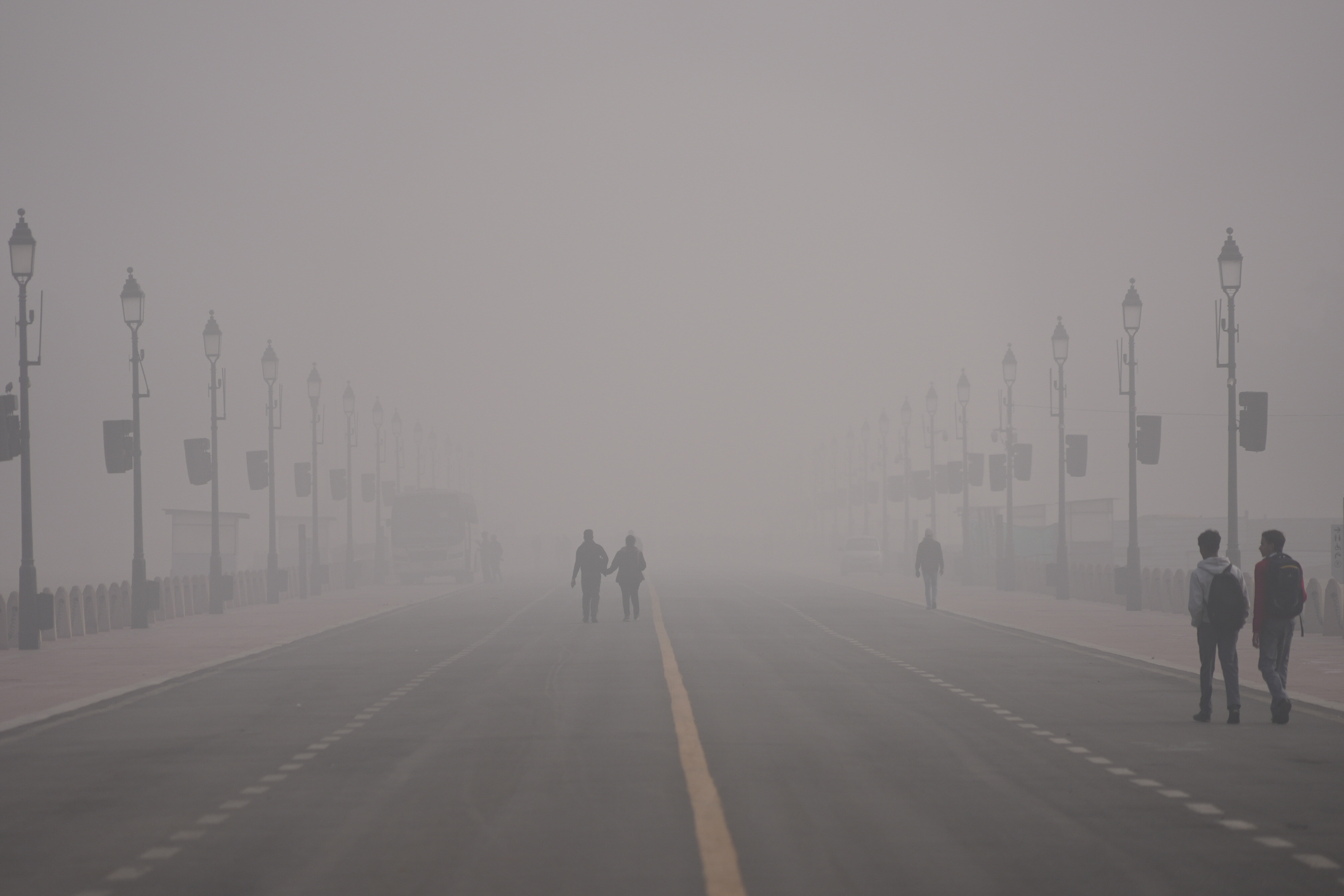
Global air quality declined in 2025, with more cities reporting standards below international health guidelines on the impact of severe wildfires and pollution from sectors including fossil fuels and agriculture.
Data from almost 9,500 cities showed 14 percent met World Health Organization standards for annual average concentrations of harmful fine-particle matter, or PM2.5, according to a report released Tuesday by IQAir Group. That compared to a total of 17 percent a year earlier when nearly 9,000 cities were surveyed.
ALSO READ: Delhi air quality at 'hazardous' levels after Diwali fireworks
The “productivity of a whole future generation will be linked” to air quality, said Frank Hammes, IQAir’s global chief executive officer. “We know that air pollution reduces IQ, we know that air pollution reduces the ability of physical labor, and we know that air pollution ultimately will cost the health system as people need medical attention and drop out of the labor force.”
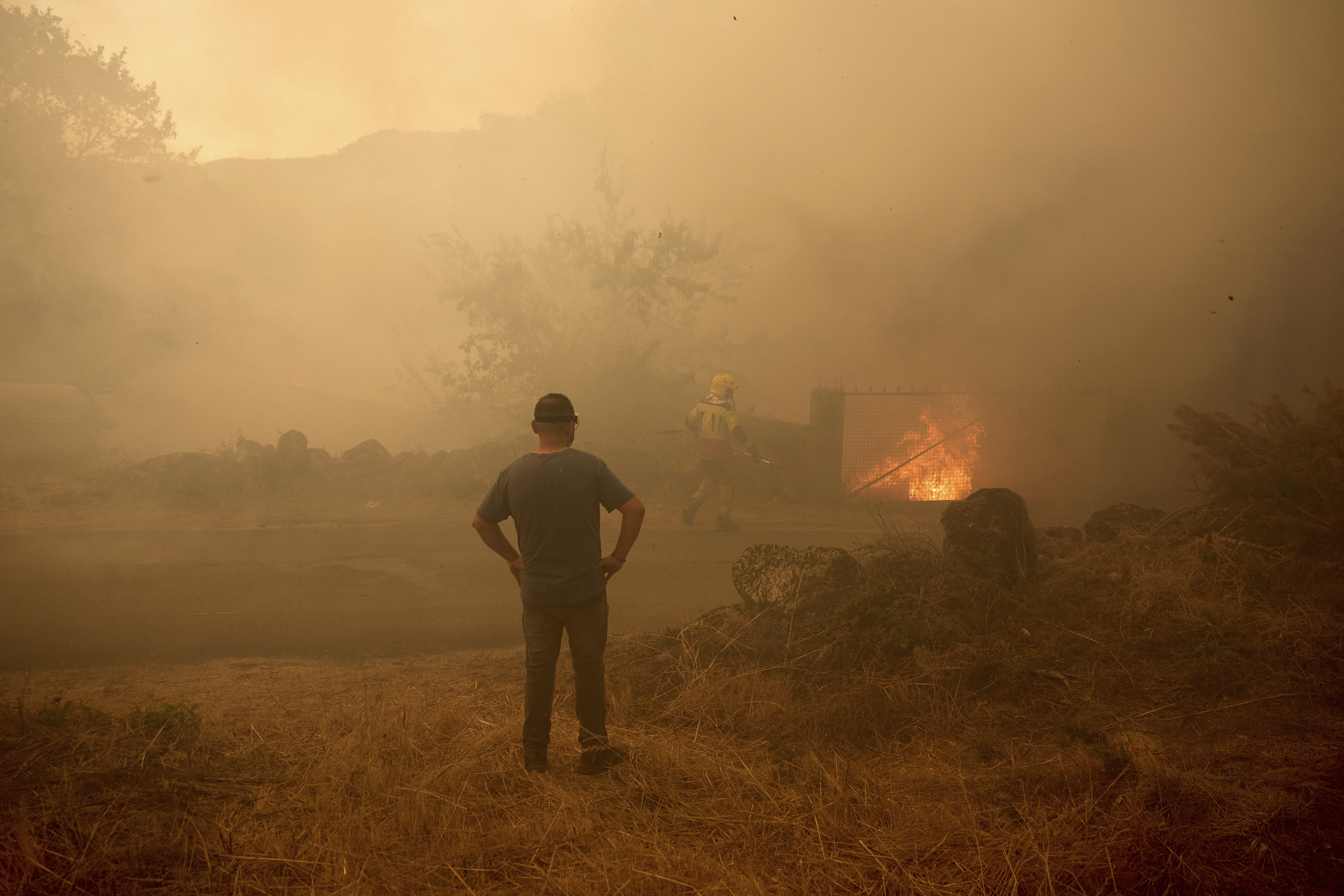
Wildfires played a primary role in the decline last year, with record emissions from incidents in Europe and Canada.
Outdoor air pollution killed about 5.7 million people in 2020 and annual economic damages are estimated at between $4.5 trillion and $6.1 trillion, the equivalent of as much as 6.5 percent of global gross domestic product, the World Bank said in a report last year. While some nations are imposing stricter air quality standards, policies are being rolled back in the US under the Environmental Protection Agency’s drive to remove rules seen as inflating costs and limiting consumer choice.
Some of the worst November and December conditions in years in northern India posed a more serious risk to the nation’s economy than trade tariffs, former International Monetary Fund official Gita Gopinath, told the World Economic Forum in Davos in January.
READ MORE: World Bank urges fresh push on economic threat of pollution
Pakistan and Bangladesh had the highest annual average PM2.5 concentrations, while French Polynesia and Puerto Rico recorded the lowest totals and were among 13 countries or territories with levels below the WHO’s recommended limits, IQAir said in the report. The Switzerland-based company is a provider of air quality data and supplies purification and monitoring systems.
PM2.5 is regarded as a greater risk to human health than larger particulates because the matter can embed deep into the lungs and cause inflammation, heightening the risk of cardiovascular and respiratory disease, and cancers. Children exposed to air pollution can suffer permanent respiratory damage.
Major sources of PM2.5 from human activity include combustion engines, industrial emissions, power plants, agriculture and residential wood or coal burning, according to the report. Data centers for artificial intelligence are seen as a potentially emerging source of PM2.5 pollution in the US, both indirectly through increased power plant emissions and directly as a result of the use of diesel generators for backup power.
