

Lack of effective measures could cost Vietnam its tourism appeal, UNDP says
Editor's note: In this weekly feature China Daily gives voice to Asia and its people. The stories presented come mainly from the Asia News Network (ANN), of which China Daily is among its 20 leading titles.
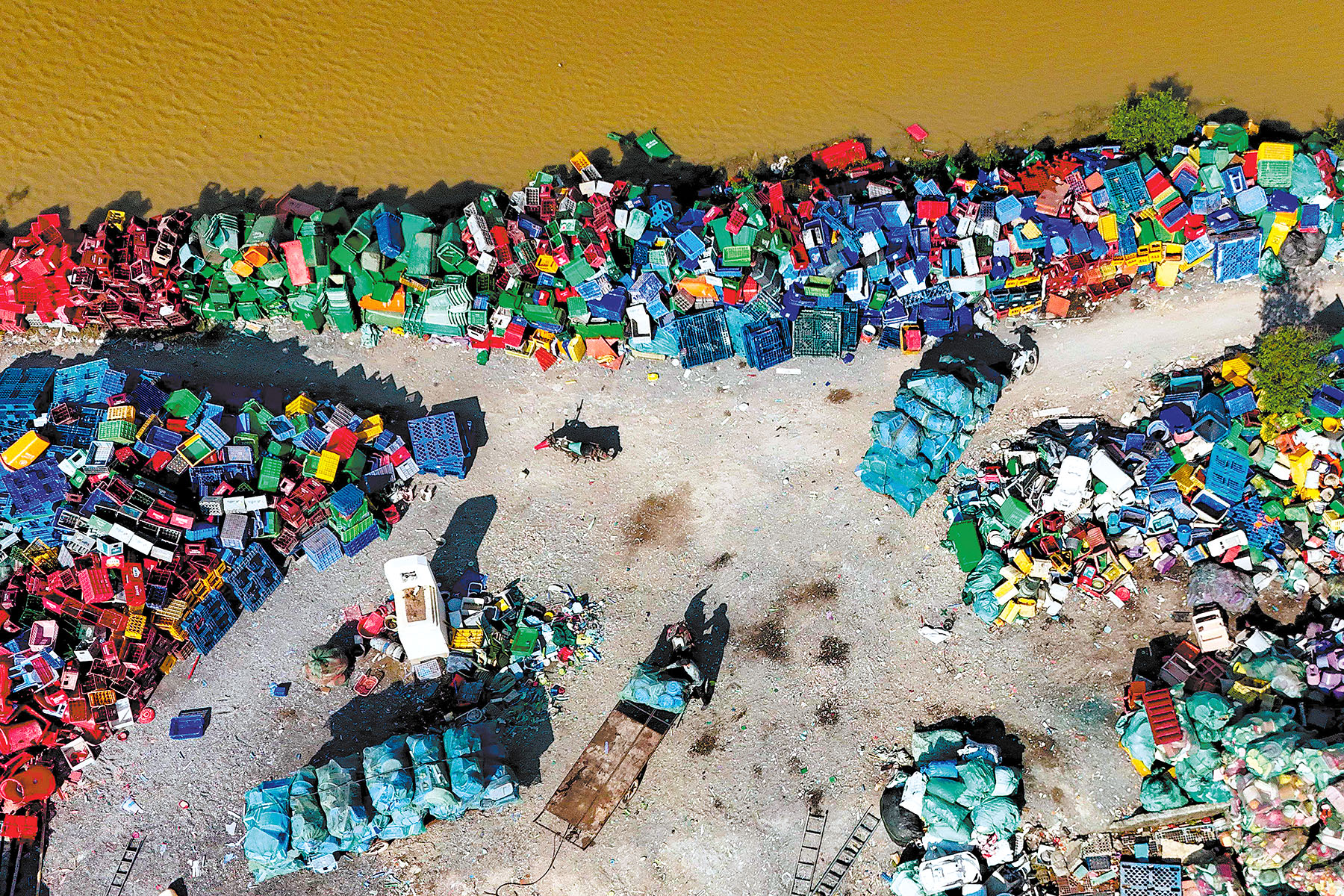
As visitor numbers climb and beaches, bays and heritage sites draw ever larger crowds, rapid tourism growth is mounting pressure on the environment, particularly through single-use plastic waste, according to a recent study by the United Nations Development Programme.
In Vietnam, around 70,000 metric tons of household waste are discharged into the environment each day, while per capita plastic consumption stands at 81 kilograms per year.
UNDP experts warn that without effective environmental management measures, especially to tackle plastic pollution, the core values underpinning Vietnam's tourism appeal risk being eroded.
READ MORE: Waste-to-energy technology viable solution for Vietnam's waste crisis
Ha Van Sieu, deputy director-general of the Vietnam National Authority of Tourism, or VNAT, said while the country's tourism sector had expanded strongly in recent years, it also faced significant challenges.
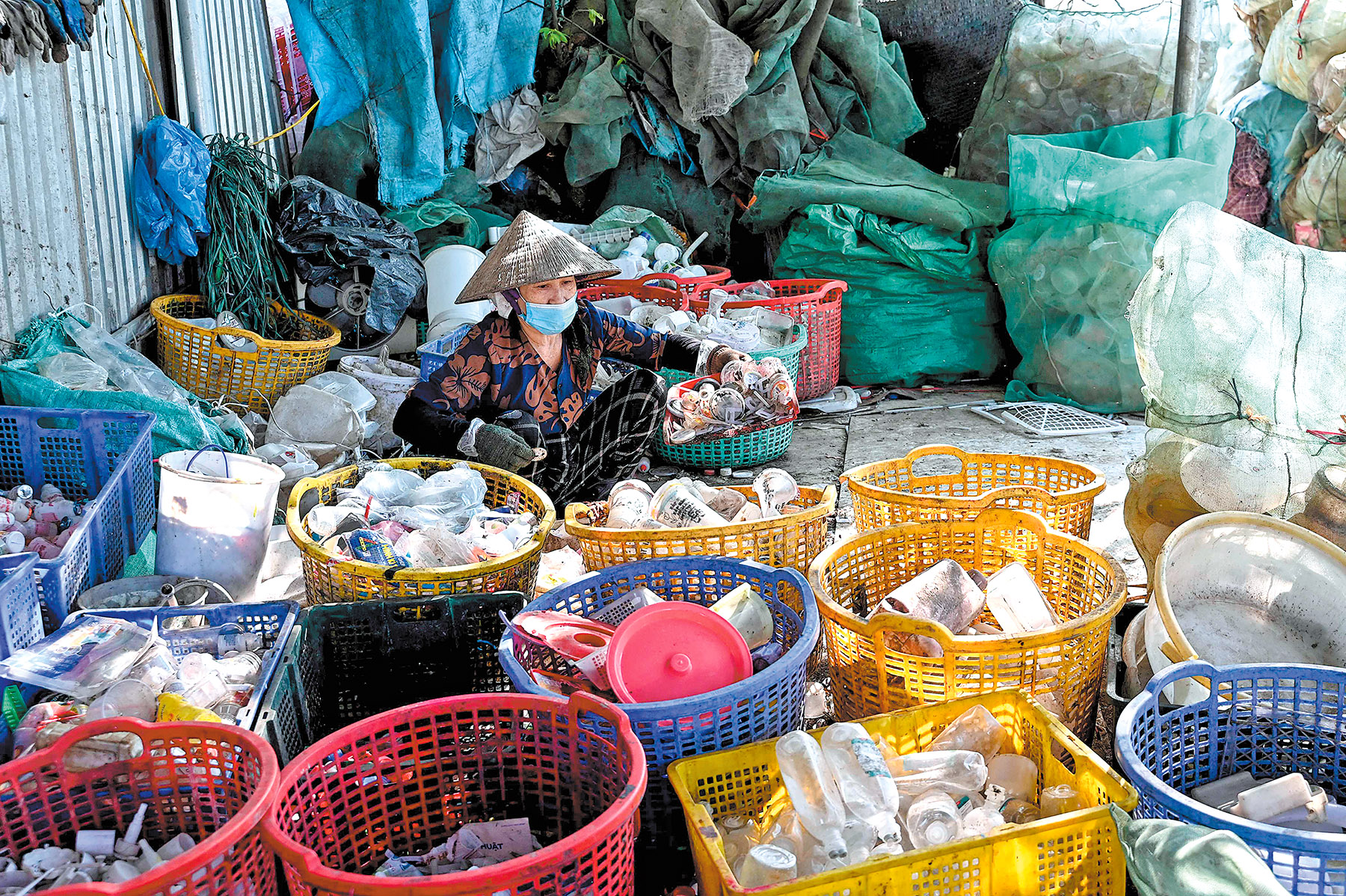
Single-use plastic waste had become a pressing issue at many destinations. Plastic products and packaging undermined their image, competitiveness and tourism-related livelihoods.
"Plastic pollution not only affects landscapes, ecosystems and biodiversity, but also directly impacts destination quality, visitor experience and the long-term competitiveness of Vietnam's tourism," said Sieu.
At a recent consultation workshop assessing plastic pollution in Vietnam's tourism sector, deputy head of the VNAT accommodation division Nguyen Thanh Binh noted that, on average, overnight guests would generate about 1.2 kg of waste per day, while day visitors would generate 0.5 kg per day, much of it plastic bottles.
She said that promoting green tourism in Vietnam presented multiple challenges, as changes to operational processes and internal regulations would require time.
Financial constraints are also significant, particularly for small-scale establishments that lack the capacity to implement major waste treatment programs or invest in treatment equipment, according to Binh.
Some business owners focus on short-term gains and lack a comprehensive understanding of sustainable growth and environmental protection. Establishments often do not have dedicated environmental staff and investors remain uncertain about the direction on environmental issues.
According to UNDP experts, while nearly all tourism businesses acknowledge the harmful effects of plastic waste, 95 percent of businesses in Ninh Binh Province and 81.6 percent in Da Nang, a coastal city, still provide single-use plastics to guests.
Some 53 percent say alternative products are more expensive than plastic, while 87 percent cite plastic's convenience and customer familiarity. Notably, the domestic market lacks stable and affordable suppliers of green products.
On the other side, tourists, though willing in principle, remain passive in green action.
In Ninh Binh, 72 percent of visitors use more than three plastic bottles per day. International tourists consume more plastic bottles than domestic visitors due to concerns about drinking water safety.
Meanwhile, 71 percent of tourists are willing to pay less than 10 percent extra on their trip costs for environmental protection measures. They are unlikely to change behavior without supportive initiatives and "green by default" options from businesses.
Experts also note that plastic products continue to see strong consumption and high profit margins in the market.
Service providers still largely prioritize plastic due to its low cost, convenient packaging and high demand. In particular, tourists' consumption habits have yet to find effective alternatives.
Novel initiatives
XomTour, a Da Nang-based regenerative tourism initiative, has built an ecosystem that partners with like-minded organizations concerned about the environment and creates plastic-free products.
This approach supports businesses in protecting the environment and local culture, empowers communities, enhances capacity and improves livelihoods, according to XomTour representative Hoang Ho Huu Huy.
XomTour connects travelers with local communities based on specific needs, generating economic benefits while improving skills for community members.
Meanwhile, Hoa Bac Cooperative for Ecological Agriculture and Community Tourism, also based in Da Nang, was established with the goal of restoring forests and protecting water resources, thereby promoting agricultural and tourism development.
Through tourism activities, the cooperative integrates community learning and livelihood development, helping to shift local awareness toward environmental protection.
"Stakeholders should focus on community-based tourism products and environmentally friendly agriculture. In doing so, both residents and visitors benefit and tourism continues to improve," said the cooperative's director Do Thi Huyen Tram.
In recent years, Vietnam has incorporated plastic waste reduction into national strategies and action plans, combining sustainable management, climate adaptation and coordinated policy support.
ALSO READ: Hovering danger
The government has also issued the National Green Growth Strategy, which focuses on greening the economy, developing renewable energy, applying circular economy principles and mobilizing green finance to achieve net-zero emissions by 2050.
Meanwhile, the Ministry of Culture, Sports and Tourism and the Vietnam National Authority of Tourism have adopted a multidimensional approach, integrating sustainability criteria into tourism management and operations and coordinating with local and international stakeholders to promote green and sustainable tourism policies.
They also encourage environment-friendly tourism business models while gradually reducing single-use plastics in accommodation establishments, tourist sites and service supply chains.
"Reducing plastic waste is no longer an option but an inevitable requirement in the development of sustainable, green and responsible tourism," said Sieu from Vietnam National Authority of Tourism.
