

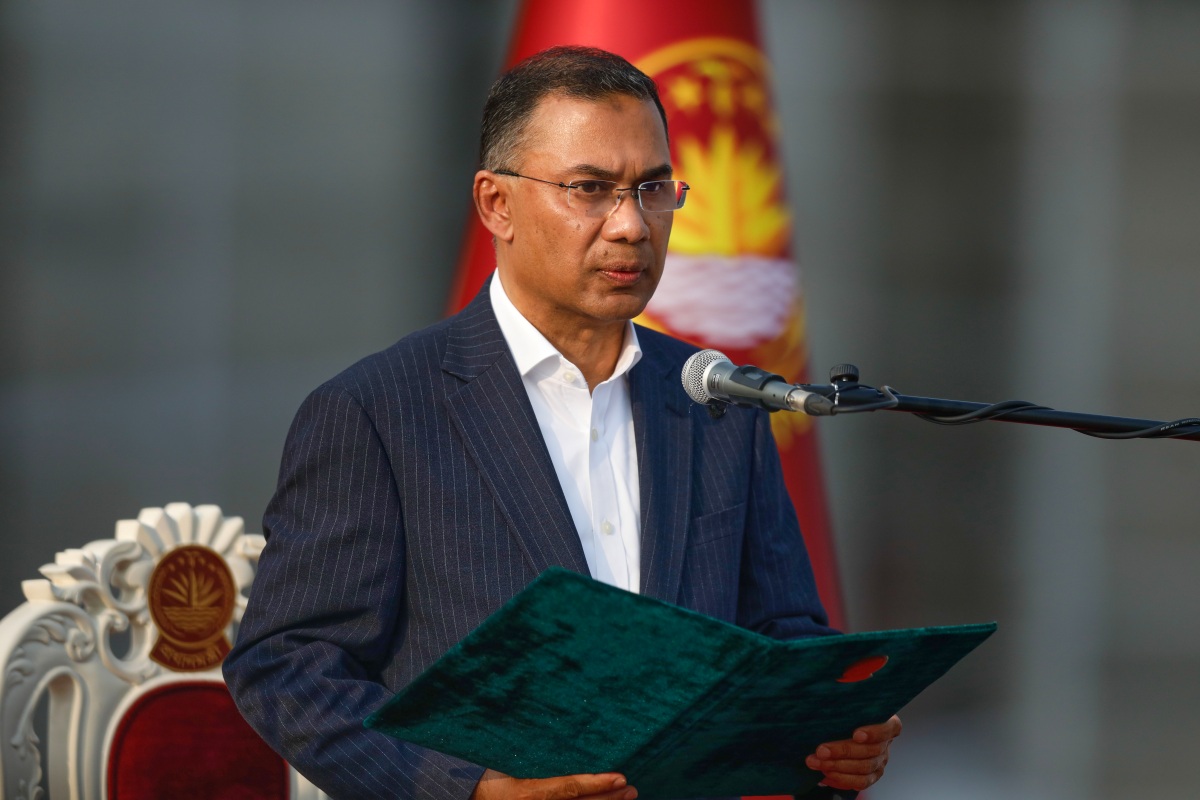
DHAKA – Chairman of Bangladesh Nationalist Party (BNP) Tarique Rahman was sworn in as prime minister on Tuesday, marking an important political shift in the South Asian nation following a period of turmoil.
Rahman, 60, son of former Prime Minister Khaleda Zia, takes office after his party’s sweeping parliamentary election victory.
He faces urgent challenges, including restoring political stability, rebuilding investor confidence, and reviving key industries such as the garment sector after the turmoil that followed the Gen Z‑led uprising that toppled Sheikh Hasina’s government in 2024.
RELATED ARTICLES
- Premier Li congratulates Bangladesh's new PM on assuming office
- Bangladesh's winning party: China regarded as important development partner
- BNP sweeps Bangladesh election, son of former rulers set to become PM
- Ousted Bangladesh ex-PM Hasina sentenced to death in absentia
- Bangladesh PM Hasina flees, army says interim govt to be formed
An interim administration led by Nobel laureate Muhammad Yunus ran the country through the transitional period leading up to the election.
Mix of experience and expertise
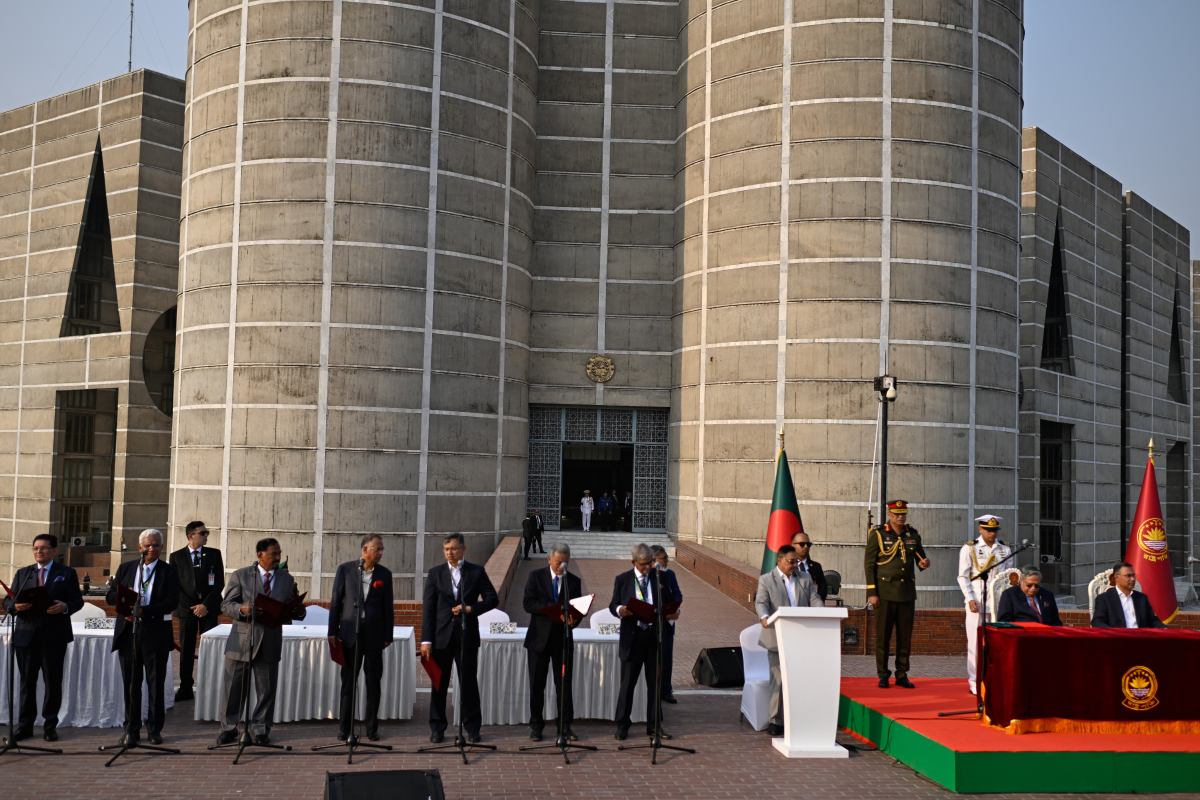
Breaking with tradition, the open-air swearing‑in ceremony was held at the South Plaza of the national parliament building, instead of the Bangabhaban, the president’s official residence.
President Mohammed Shahabuddin officiated as Rahman and his 49-member council of ministers took oaths in the presence of senior political figures, diplomats, civil and military officials, and representatives from various countries.
The new government includes both senior and junior ministers – a mix of experienced BNP leaders and fresh faces, reflecting an effort to balance political experience with technocratic expertise as the government focuses on economic recovery, law and order, and governance reforms.
Former Commerce Minister Amir Khasru Mahmud Chowdhury was named finance minister, and Khalilur Rahman, who was national security adviser in the interim government, was made foreign minister.
Rahman’s BNP secured a commanding two-thirds majority, returning to power after nearly two decades. The Islamist party Jamaat-e-Islami won a record 68 seats.
Hasina's Awami League party was banned from contesting after its registration was revoked by the Election Commission.
Jamaat and its allies — including the National Citizen Party (NCP), led by youth activists who played a prominent role in the movement that toppled Hasina — will form the opposition.
Jamaat, NCP boycott event
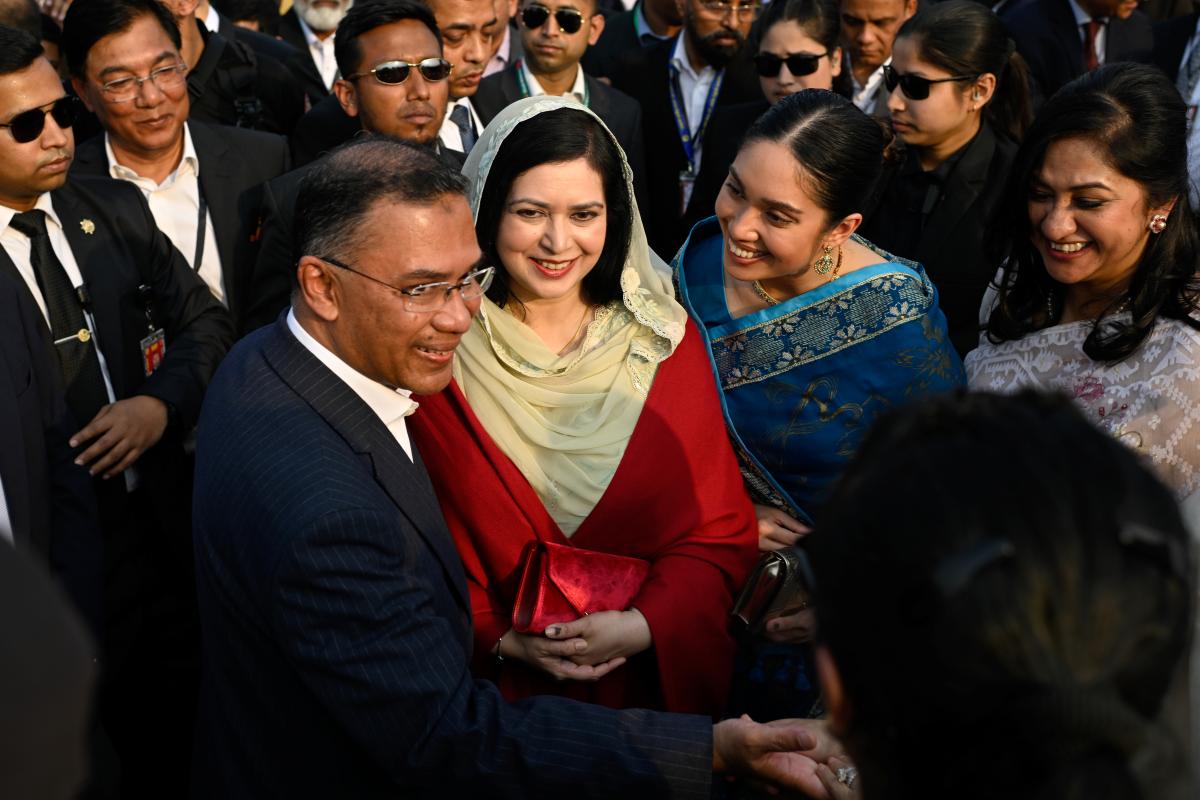
Jamaat and the NCP did not attend the ceremony in protest after Rahman's party rejected the interim government’s request for its lawmakers to take an additional oath under the proposed 'Constitution Reform Council'. The council intends to amend the constitution following the referendum held alongside the national election.
Rahman’s elevation caps a long and turbulent political journey. He returned to Bangladesh last year after 17 years of self-imposed exile in London, arriving shortly before his mother’s death.
Rivals have long criticized his political record, pointing to corruption allegations he denies, but his return energized party supporters and reshaped the BNP’s campaign.
In his first remarks after the election, Rahman urged calm and restraint, saying: “Peace, law and order must be maintained at any cost ... We will not tolerate any kind of chaos.”
