

Young authors, illustrators take fresh stories to readers worldwide
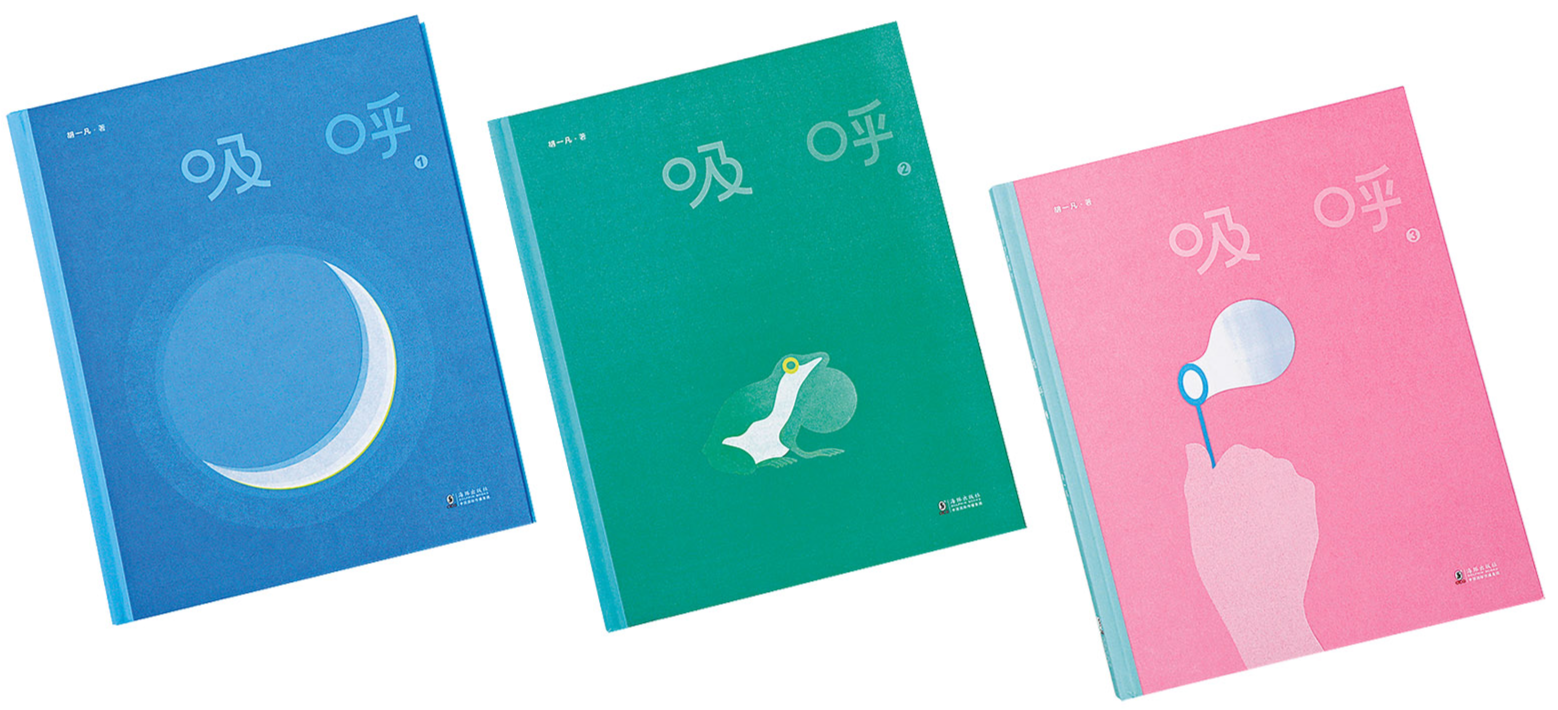
Hu Yifan, a 28-year-old Chinese picture book author and illustrator, is literally taking readers' breath away with his stories and minimalistic illustrations.
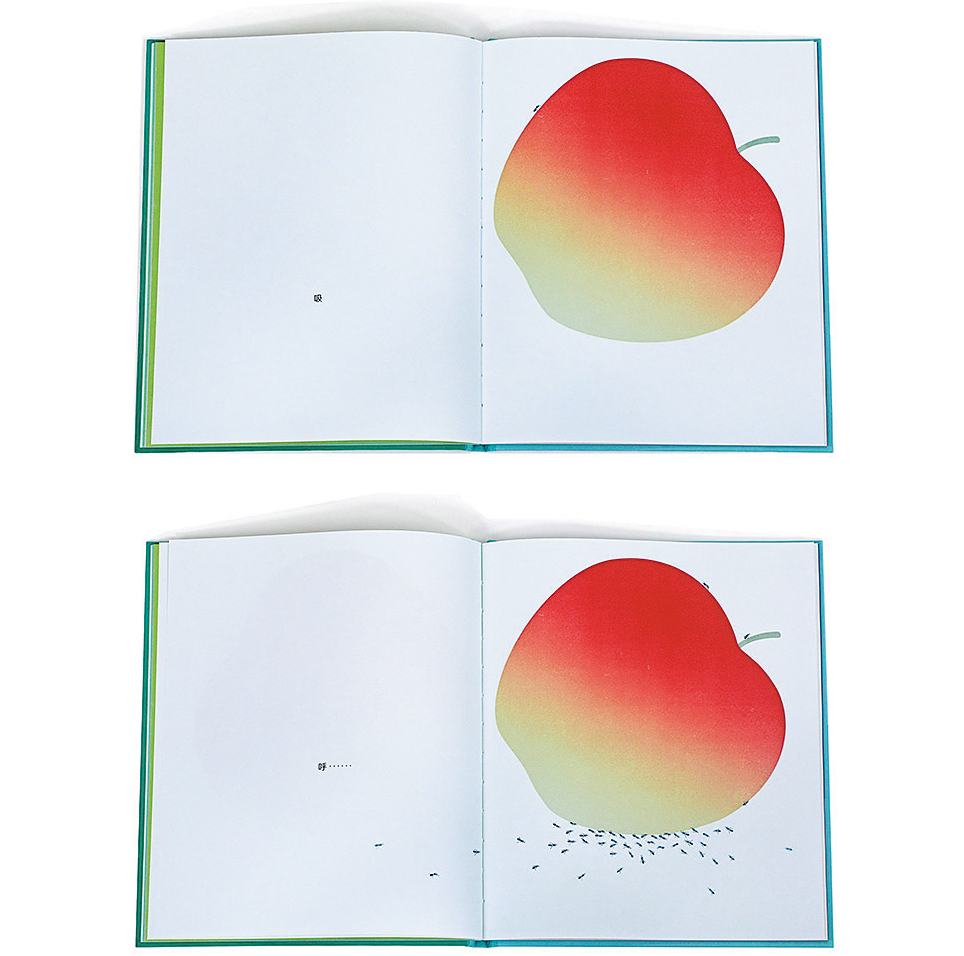
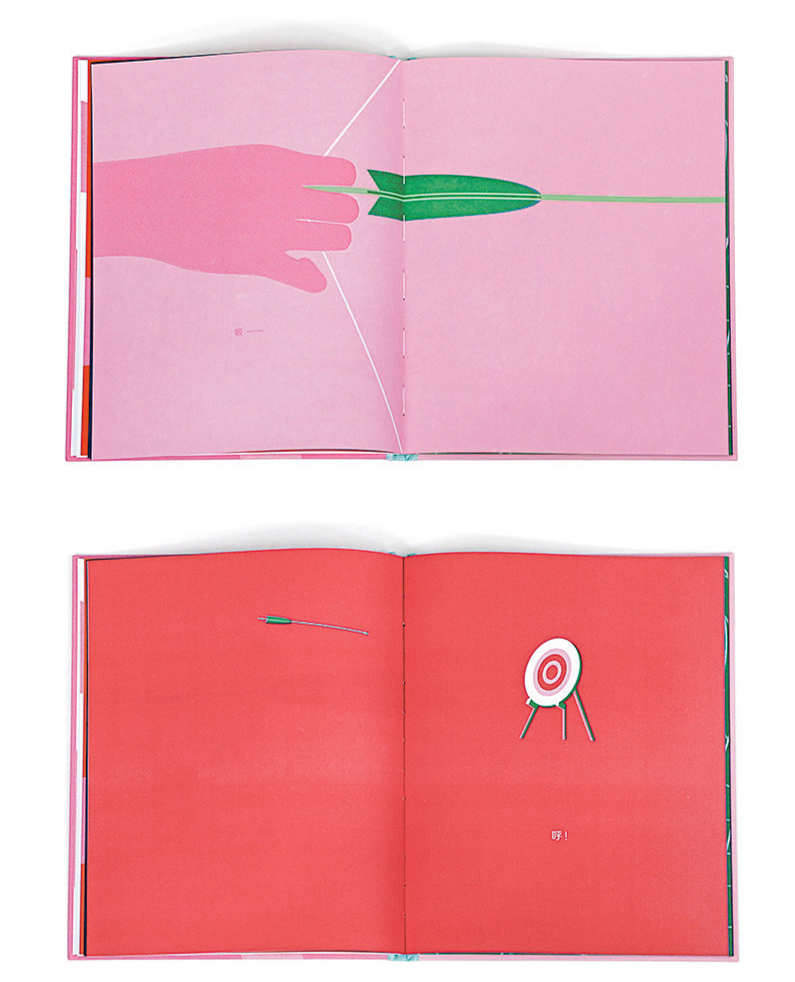
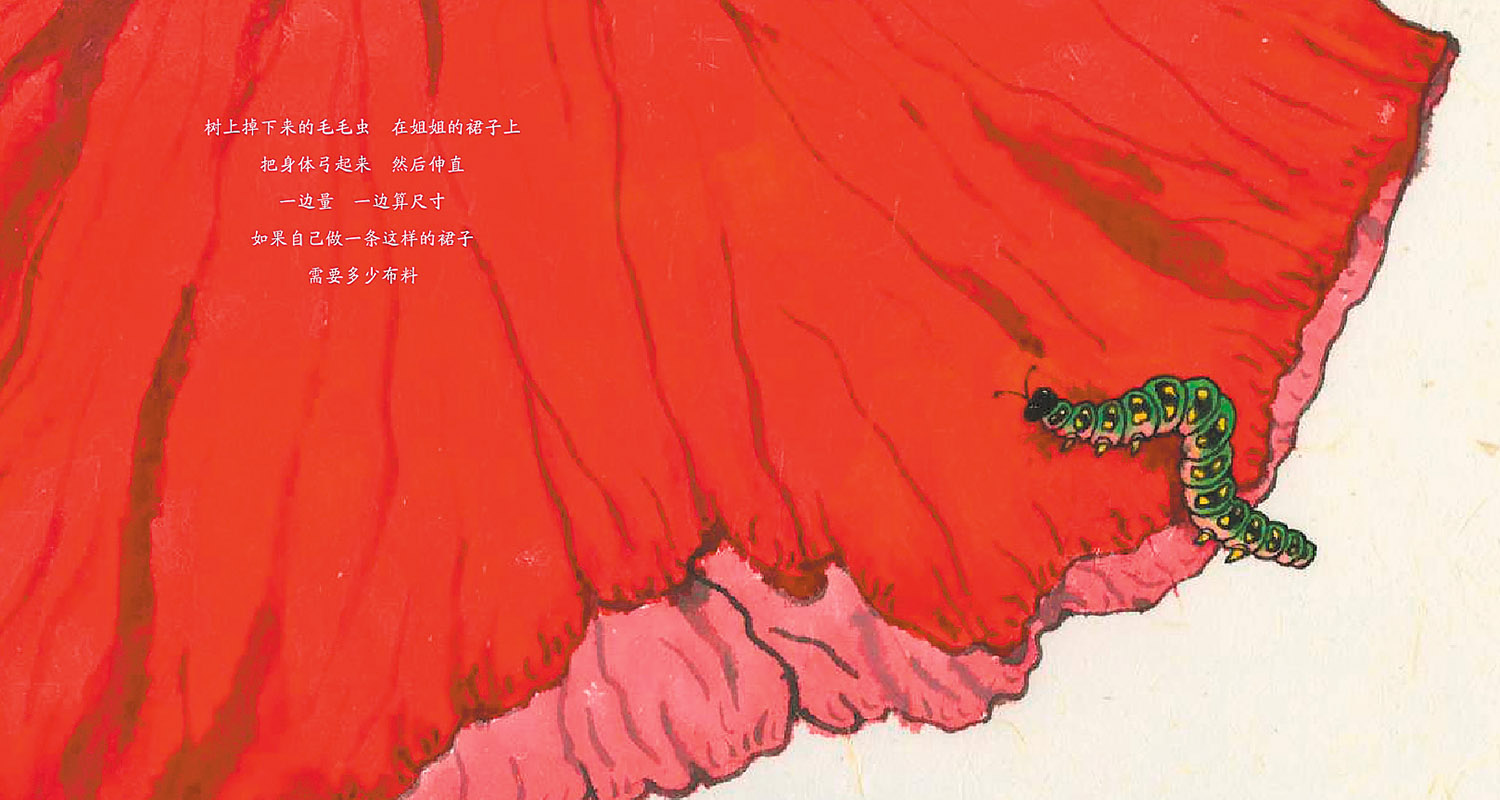
The three-volume Breathe In, Breathe Out is an eye-catching picture book with very few words. The illustrations in the books — such as blowing out candles or watching fireworks — work in pairs, leading readers to inhale and then exhale.
Published in June 2023, and intended as a children's book, it has been equally popular with adult readers. The book has gone on to win multiple domestic and international awards, including the Best Picture Book at the 35th Chen Bochui International Children's Literature Award, and The Beauty of Books in China design competition.
It was also selected for the dPICTUS 100 Outstanding Picture Books 2023 & 2024. A Portuguese version of the book was published in Brazil in 2024, and an English version and a French one are coming out soon.
Hu is part of a growing cohort of passionate and talented Chinese authors and illustrators who have been making every effort to deliver high-quality, original content for children in recent years, industry experts said.
READ MORE: Busy book fair shows draw of children's books, culture
"We have so many excellent original works in China, but they don't get many opportunities to reach a wider audience globally," said Solene (Fengbei) Xie, who has over 18 years' experience in the children's book industry and has been a consultant for the China Shanghai International Children's Book Fair since 2018.
Xie, who resigned from a national publishing house to establish an agency in Shanghai, said the original content in Chinese children's books is entering a new phase.
She is confident that with her experience and industry contacts she can promote this fresh Chinese content on the world stage. In 2021, Xie launched the Pictures and Words from the East project, and she also manages the rights of many local titles including Breathe In, Breathe Out.
Early chapters
In the early 2000s, China's children's book industry started to witness rapid growth along with the national economy.
In 2018, China published over 44,000 children's book titles, ranking first globally in total volume, according to a report by Xinhua News Agency. Over 500 publishers nationwide were producing children's books. The annual total print runs of children's books exceeded 800 million copies, featuring over 300,000 active titles and generating sales exceeding 20 billion yuan-($2.86 billion).
During this time, numerous children's books, especially literature and picture books, were introduced into the flourishing Chinese market from across the world. International collaborations and two-way exchanges also expanded and deepened.
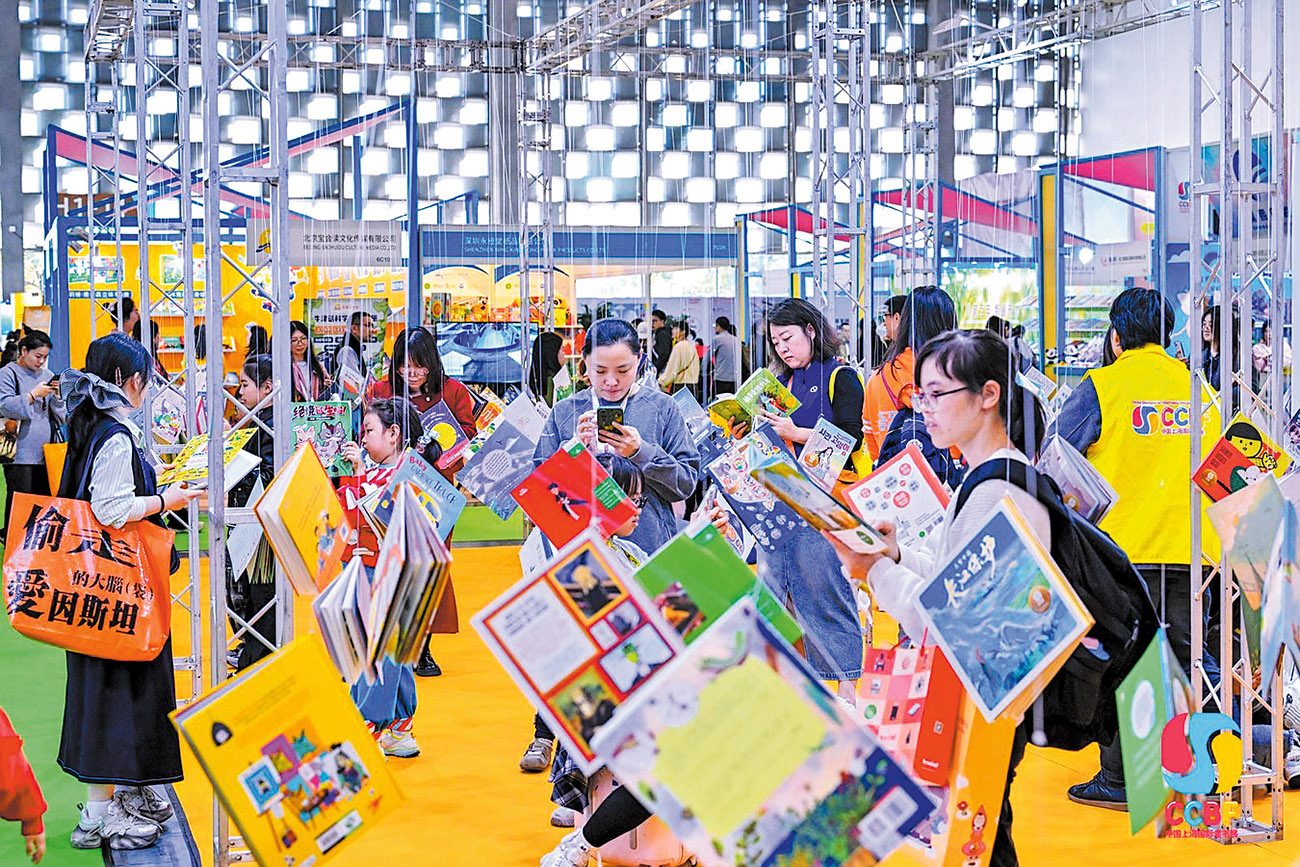
In 2013, the China Shanghai International Children's Book Fair was launched, and soon became an important event on global publishers' calendars.
In 2018, it boosted cooperation with the world-renowned Bologna Children's Book Fair, aiming to better promote original Chinese content worldwide while also bringing the best international books to local readers.
Chinese children's book authors also started to shine on the international stage.
In 2016, fiction writer Cao Wenxuan became the first Chinese author to win the Hans Christian Andersen Award, which is known as the "Nobel Prize for children's literature". The jury president said Cao "writes beautifully about the complex lives of children facing great challenges".
In 2018, Xiong Liang became the first Chinese illustrator to be short-listed for this highest international recognition for children's book illustrators, followed by Cai Gao who was short-listed as an outstanding illustrator for the award in 2024.
Going global
Founded in 1952, the Shanghai Juvenile and Children's Publishing House is China's first commercial publisher catering to young readers, and was also among the pioneers to bring Chinese children's books to global audiences.
It publishes more than 600 titles each year and has created many long-running bestsellers, including 100,000 Whys, Sanmao, 365 Bedtime Stories, Five Thousand Years of Chinese History and The Postman of Buluo Town.
Wang Yi, director of the publisher's copyright department, told China Daily the copyrighting of Chinese children's books started in the 1970s.
In 1979, the Shanghai publisher sold the copyright of a picture book Treasure Boat (Takarabune) to a Japanese counterpart, marking the start of its international copyright trade.
To date, it has sold approximately 3,000 copyrights to foreign publishers in over 40 nations, including the United States, the United Kingdom, Sweden, Italy, France, Malaysia, Vietnam, South Korea, Kazakhstan, Lebanon, Bulgaria, Egypt, and Morocco.
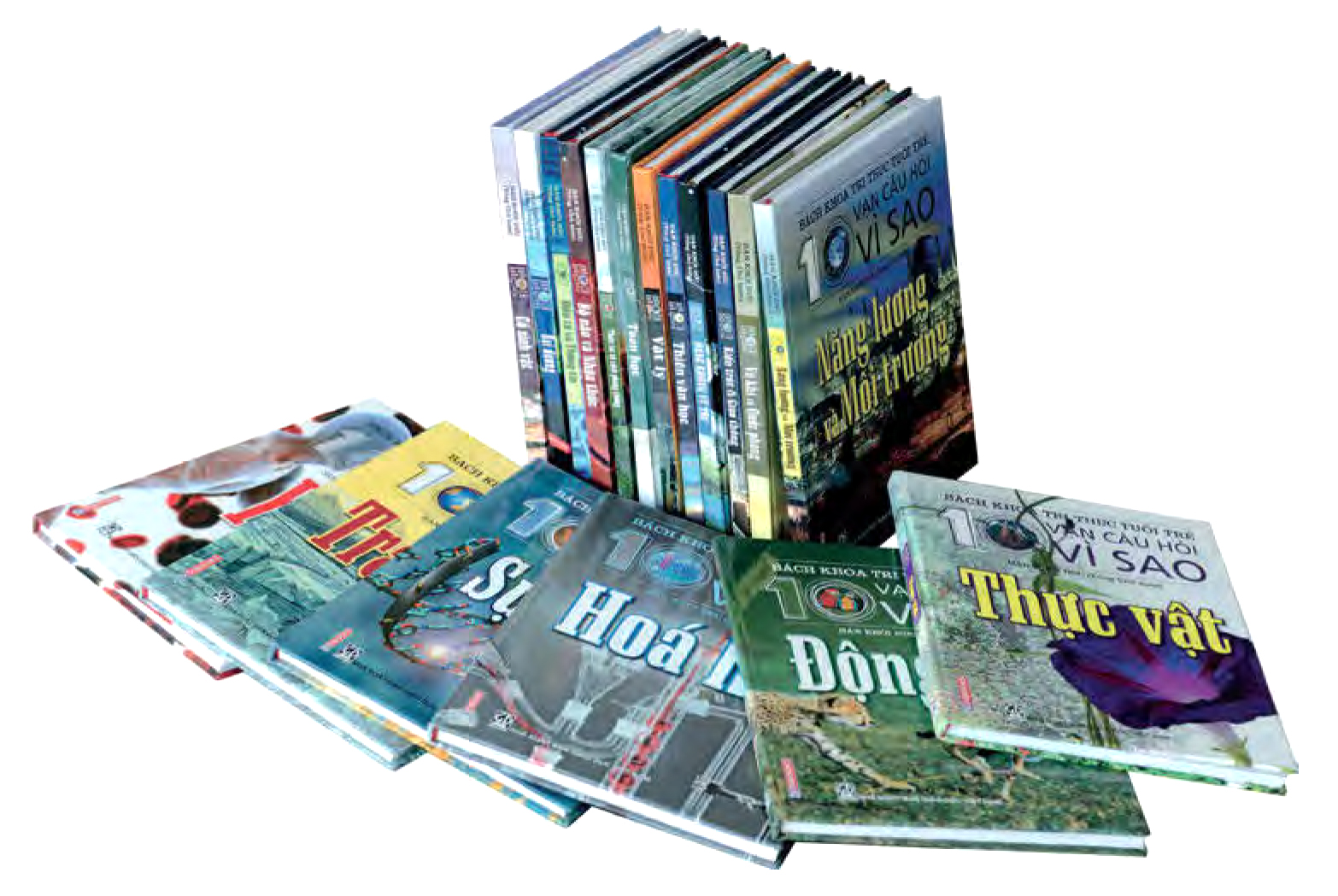
Among the publisher's landmark titles, the 100,000 Whys series is a standout of children's popular science books in China. First published in 1961, the series has seen over 200 million copies distributed across China.
The series is updated once a decade, with its sixth edition published in 2013. It is comprised of 18 volumes, totaling 6.6 million words, featuring over 7,800 vibrant illustrations and 4,500 contemporary topics that highlight cutting-edge scientific and technological advancements.
Over 115 experts from the Chinese Academy of Sciences and the Chinese Academy of Engineering, as well as 786 distinguished scientists and renowned science writers, contributed to the masterwork's creation. The series has been published in traditional Chinese, Vietnamese, Arabic, Malay, Kazakh, Korean, Mongolian and other languages.
"The series has facilitated increasing cultural exchanges, serving as a bridge for scientific dreams shared by teenagers both at home and abroad … Our mission is to share our outstanding works and content with all children in the world," said Wang.
In November, the publisher also announced new overseas publishing ventures at the CCBF, where over 20,000 new titles were showcased and about 1,000 intended copyright deals were made among 474 exhibitors from 35 countries and regions.
China's ideas
Hu's illustrated works reflect the new generation of Chinese children's books, most of which present a Chinese cultural identity less bound by convention — whether in illustration techniques, narratives, or ideas.
These authors grew up in the internet age with more diverse visual exposure and accesses to global artworks. Many of them also have overseas study experience, making them more open and international in their outlook and free in their creations, Hu said.
The change is an "inevitable" trend along with social development. However, it does not mean young Chinese artists are abandoning the nation's identity or traditional culture, Hu said. Instead, he sees a different cultural confidence growing.
Taking Breathe In, Breathe Out as an example, Hu said that many Chinese readers may see it as "not that Chinese".
But readers in Japan and South Korea said they sensed the subtlety of time flowing in Eastern cultures, while readers in France said they discerned the Chinese philosophy of yin and yang in the book.
"The feedback is interesting," Hu chuckled. "We might not have an obsession with a certain traditional Chinese identity, but our creativity and perspective on creating are from China.
"And these ideas and stories from China are now shared and well-accepted by the whole world. I feel proud of it, and see it as another form of our cultural confidence."
Hu said he has loved drawing since he was a child. But it was not until 2014, when he entered the Central Academy of Fine Arts, that he learned about picture books.
He was captivated by this "simple, poetic and creative" art form, through which any reader can enjoy the idea and creativity of a work regardless of their age, native language or background.
"For me, the charm of picture books lies in their simplicity as a medium. I compare them to poetry, as they both subtly connect readers and inspire our emotions or feelings within limited or very brief text.
"As the author, I care more about the new world I would like to create or present. Picture books are both commercial and cultural products. I simply hope all my readers love the real world more after reading the book," said Hu.
Creating for everyone
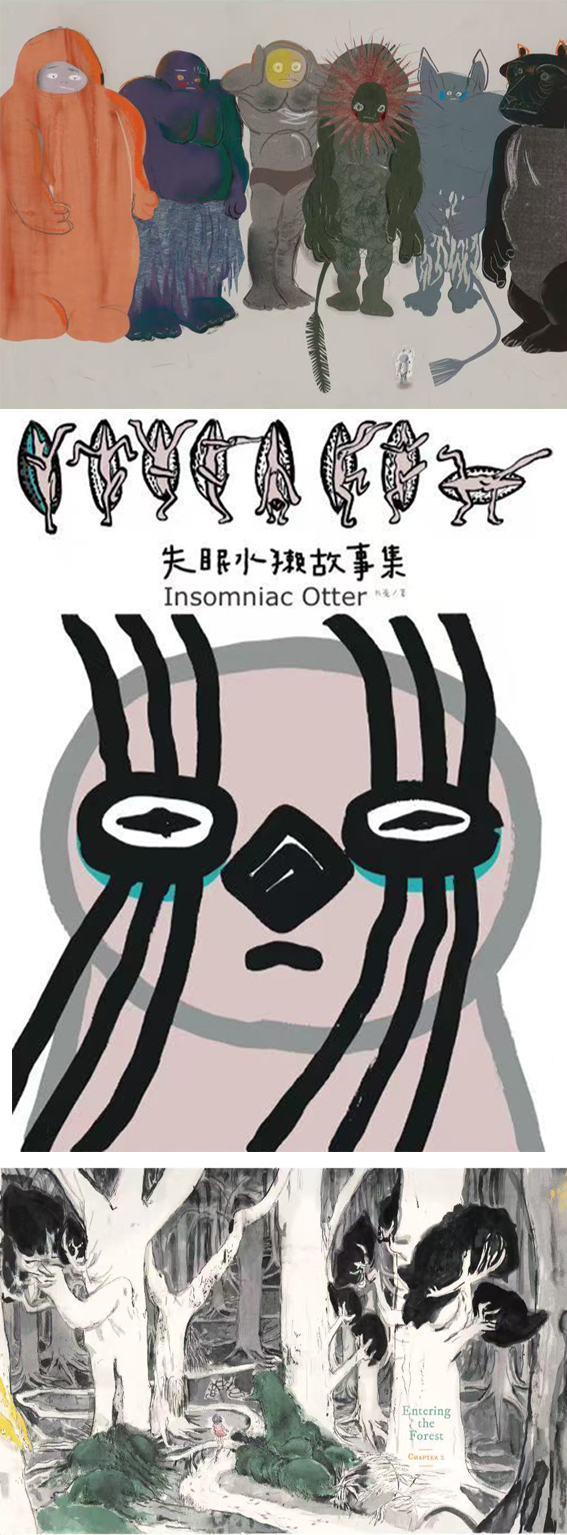
At the other end of the spectrum is pioneering illustrator Xiong Liang. Wholly self-taught, the accomplished artist's creations span a variety of genres, including children's books, novels, plays, modern ink-brush paintings and illustrations for adults.
About 20 years ago, he made his English-language picture book debut with The Little Stone Lion, widely regarded as the first Chinese illustrated book to achieve international success.
Many of his published works, such as his Story Of The Year, The Monster Of Monsoon and Take a Walk with the Wind, blend traditional and modern elements, and are embedded with strong Chinese cultural identity both in storytelling and illustration techniques. But recently, he has begun exploring new areas.
"Spontaneity is always the core of my creation. It matters most to me that what I truly want to do, and what I genuinely care about in life," he said, adding that he has focused on writing novels in the past few years, which has added to his "vitality".
In 2025, Xiong began crafting picture books that differed from his previous efforts, with less traditional elements and a greater focus on ideas that cater to children's needs.
He believes good stories can transcend national and cultural boundaries, can be understood by all children, and make a difference to the world's future.
After completing one of his latest books, Dream Bus, Xiong visited a school in New York to share the story.
What impressed him most was when the children, who showed no interest at first, understood the story and told their teacher they thought Xiong was "cool". The artist said at that moment he knew he had touched their hearts, which he sees as the true value of his creative work.
"Love is my original motivation to create. Readers across the world share very similar life experiences and common issues," he said.
"The cultural barriers we need to break down lie not between China and the world, but between creators and readers. It requires genuine communication, and stories that truly satisfy children and help them out of the puzzled life."
Building bridges
Three months ago, Italian publisher Silvia Vassena brought a picture book, Mama's Scent, to the CCBF.
Created by young illustrator Baraa Alwoor from war-damaged Gaza it explores the special bond between a mother and child, bringing comfort and connection to those navigating times apart.
The author told Vassena that the illustration "healed" her trauma, making the publisher feel great responsibility.
"Making children's book is not simple, as children are not simple," Vassena said. "They are pure, transparent, and see all the influence of life. We have responsibility not only for children, but for our future adult society."
She added that China has outstanding artists and quality works for children. In times of uncertainty, she believes books can help people communicate and start dialogues.
ALSO READ: 'Apron Mom' urged to cut strings to outdated image
Paolo Mancini, founder of Daco Studio, agreed that building bridges between people through literature is the basis for creating a better future. Daco Studio produces almost all of its books in China, where Mancini believes there is "different depth" to children's literature, which is more delicate and practical.
Despite various challenges the entire publishing industry is facing, the children's book sector still remains positive on its prospects. Diego Coccato, deputy trade commissioner at the Italian Trade Agency, said investment in this sector is critical, because children need to "touch and feel" material objects.
Wang Yi and Xiong Zhi from the Shanghai Juvenile and Children's Publishing House believe quality works always possess enduring qualities. "We are dedicated to making such works that will resist time and stay with the readers for long."
"Good stories should be shared by all people," said Hu, the illustrator.
Contact the writers at wangxin2@chinadaily.com.cn
