

Flagship commercial districts such as Beijing's Taikoo Li Sanlitun leading the way
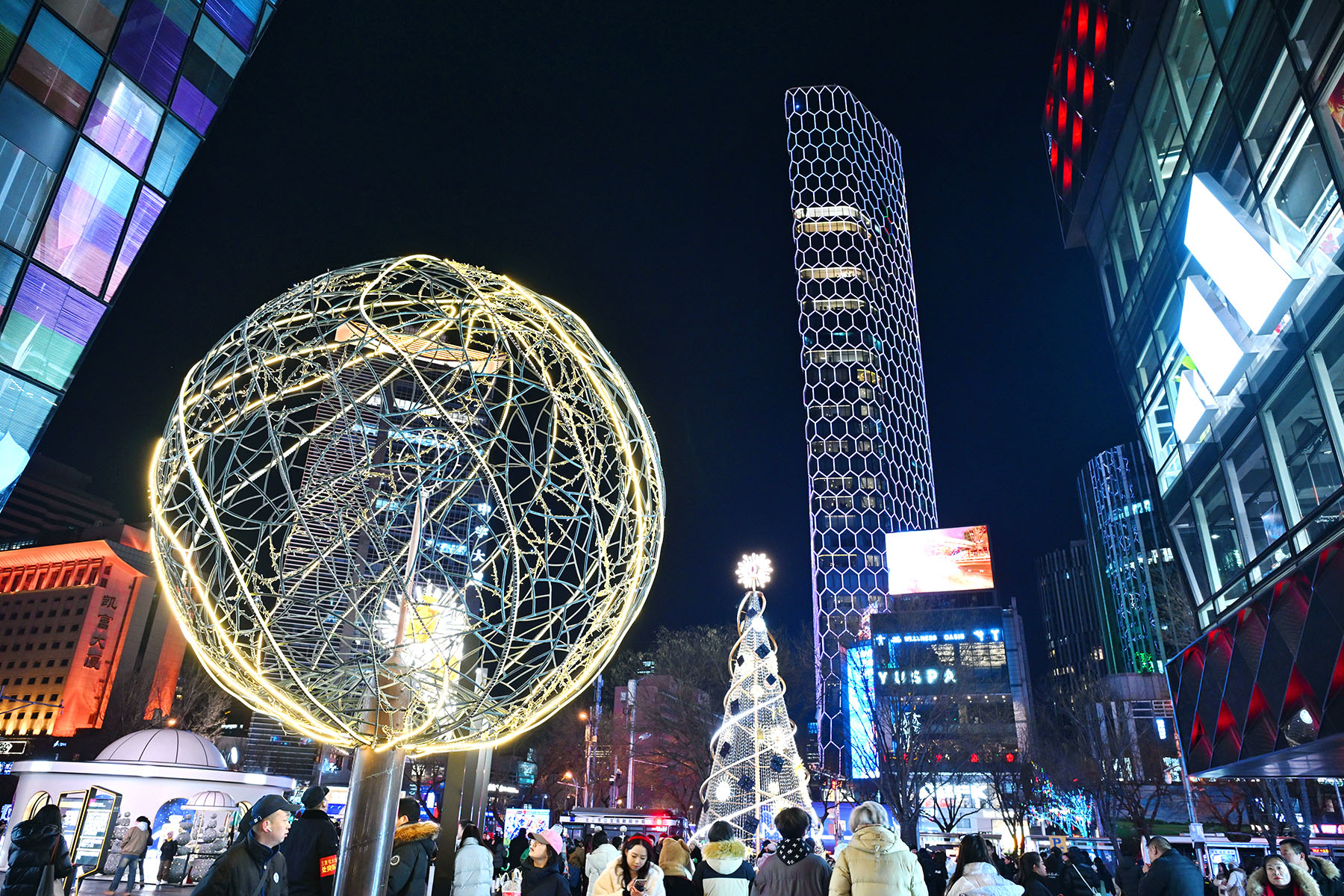
This year, the Ministry of Commerce has made "Shopping in China" a priority, aiming to establish the Chinese market as a global consumption magnet, drawing not just tourists but the world's top brands as well.
The "Shopping in China" initiative aims to inject new momentum into the economy and further advance the special campaign to boost consumption. The program will continue to organize a series of activities, focusing on three key themes: goods consumption, services consumption and consumption scenarios.
In Beijing, this vision is rapidly taking shape. A core component of this strategy is the city's ongoing retail upgrade, with flagship commercial districts such as Taikoo Li Sanlitun leading the way.
READ MORE: Malls, shopping centers change with times
"In the future, perhaps there's no need to travel all the way to Paris or Tokyo — experiencing the world's top brands and trends is now possible right here in Beijing," said CT Ma, general manager of Taikoo Li Sanlitun.
The district, known for its international appeal, recently completed a phased renewal. Ma offered insight into the broader vision: "This upgrade is a long-term commitment to the 'Greater Sanlitun' area. We focus on experiential retail, blending local culture with global lifestyles to create a dynamic platform for both international and domestic brands to showcase their latest retail concepts."
This shift in the retail landscape underscores a significant evolution in consumer behavior. As China's retail sector becomes more mature, the focus is no longer purely on price, but increasingly on emotional connections with products, immersive experiences and cultural resonance.
This change is driving the city's transformation into a magnet for both international brands and the global consumer market.
The transformation of Taikoo Li Sanlitun is a prime example of this shift. Nearly half of the commercial space in the North Zone has been renovated to cater to evolving consumer tastes. With an enhanced brand lineup, the district has evolved into a hub for international luxury flagship stores, welcoming marquee names such as Dior, Louis Vuitton, Hermes, and Tiffany & Co.
These stores, designed by world-renowned architects, are reshaping the retail environment in the capital, offering consumers an entirely new level of luxury experience.
Since the opening of several flagship stores in December, foot traffic in the area has increased significantly. The appeal of such high-end offerings has been matched by growing demand for exclusivity and culture-driven purchasing decisions.
"Foreign brands are viewing China as a launch market and a testing ground for creative innovations," Ma said.
For instance, LV unveiled the cardholders with customized and exclusive stamping in Beijing, integrating local cultural elements to enhance consumer connections, while Adidas launched a trendy series incorporating Tang suit elements — highlighting the popularity of culturally attuned products among Chinese consumers.
Ma also pointed out that the breadth of product categories now available in China often exceeds that of many non-first-tier cities worldwide.
"This is not only because of purchasing power, but also due to the increasing sensitivity of Chinese consumers to cultural added value," he added.
Alongside these retail upgrades, policies aimed at improving the shopping experience for foreign tourists are also playing a pivotal role. Simplified tax refund processes and expanded visa-free access have been key drivers in boosting inbound consumption.
"Over the past year, consumption by tourists from Southeast Asia, South Korea, Russia and Central Asia at Taikoo Li Sanlitun has grown noticeably," Ma said. This surge in inbound shoppers is particularly evident during peak periods such as holidays and year-end vacations.
Data show that the number of tourists from Russia and Central Asia visiting the area has risen by 30-40 percent year-on-year, as well as those from Southeast Asia, with their demand for both luxury products and high-quality retail services pushing the commercial sector to new standards of excellence, Ma added.
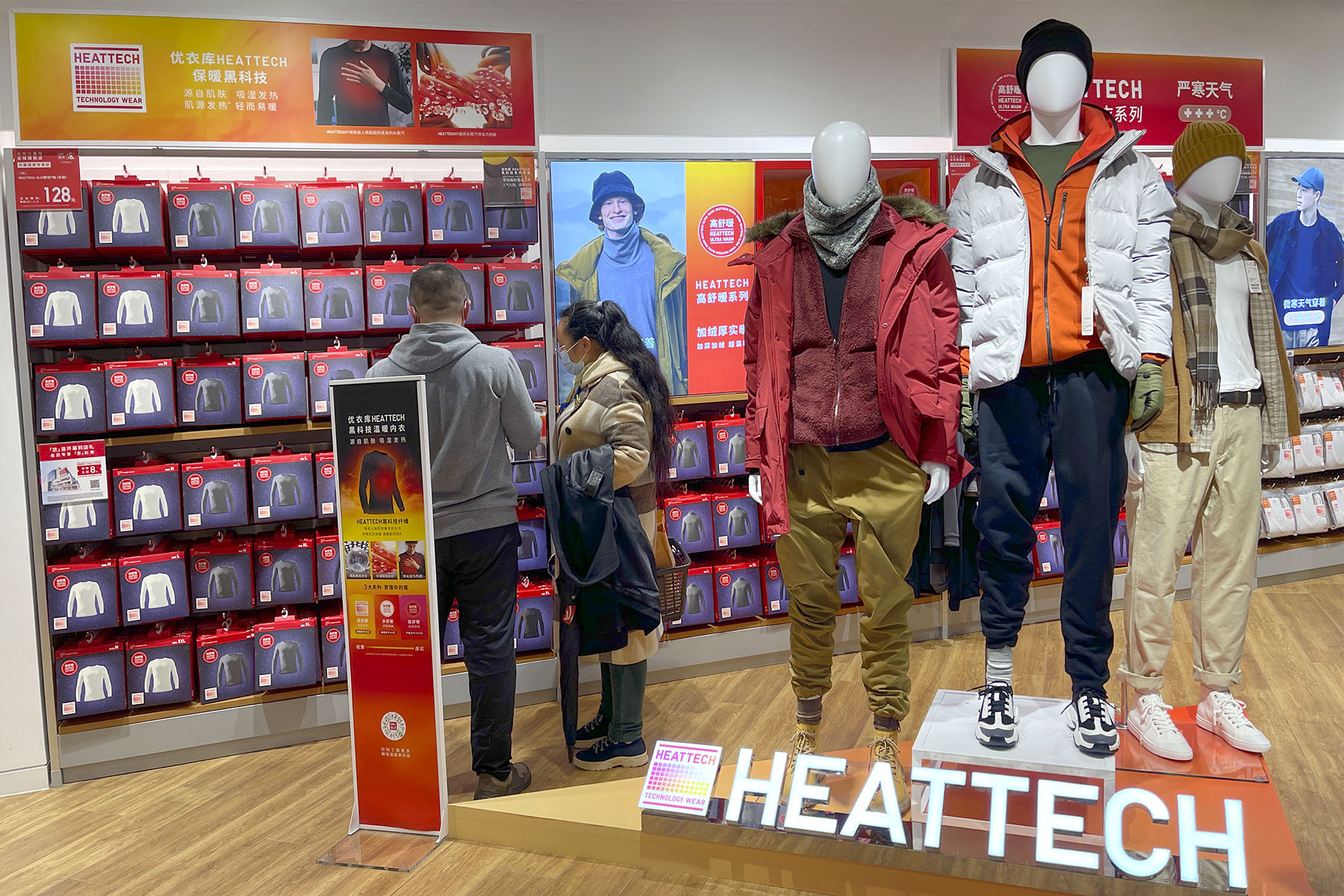
This new wave of purchasing power is not limited to luxury brands. It extends to mass market labels like Uniqlo and duty-free shops, signaling a broader appeal for China's retail ecosystem. The influx of international tourists has sparked a revitalization of the sector, benefiting both high-end and everyday consumer goods.
Sun Shuguang, secretary of the Sanlitun Subdistrict party, said:"The renewal of Taikoo Li Sanlitun not only enhances its own quality, but also drives the high-quality development of the entire Sanlitun area. We aim to foster closer government-enterprise collaboration to jointly create a more international Sanlitun."
This model is taking shape through various initiatives, such as improving payment convenience for international visitors, introducing multilingual services and offering culturally tailored dining experiences.
"We're making the area more accessible for tourists, from expanding the acceptance of international credit cards to offering multilingual menus and more diverse dining options," Ma said.
Additionally, commercial real estate operators are partnering with international brands to create localized experiences for foreign tourists. For example, Thai key opinion leaders (KOLs) have been invited for promotional events in Beijing, driving "reverse content output" to amplify the global appeal of the district.
"We believe that in the city's commercial sector, 'the more local, the more international'," said Han Zhi, director of retail business at Swire Properties, parent company of the Taikoo Li.
ALSO READ: China rolls out shopping campaign to boost Spring Festival consumption
"When a commercial project truly becomes part of the city's fabric and integrates into the daily lives of local residents, it naturally appeals to global consumers as well. Our commitment to ensuring that no two cities have the same retail offerings makes each of our projects a unique force in driving urban development," Han said.
The aim is for each shopping district to not just serve as a consumer destination, but also become an essential part of the city's urban fabric, seamlessly blending with local life while attracting global interest, said the company.
The rise of "Shopping in China" is more than just about luxury goods — it's about creating an immersive, culturally enriched experience that appeals to both domestic and international consumers alike.
As Taikoo Li Sanlitun and other commercial hubs in the city continue to evolve, they are setting the standard for what the future of retail can look like — not just in China, but around the world.
Contact the writers at wangzhuoqiong@chinadaily.com.cn
