

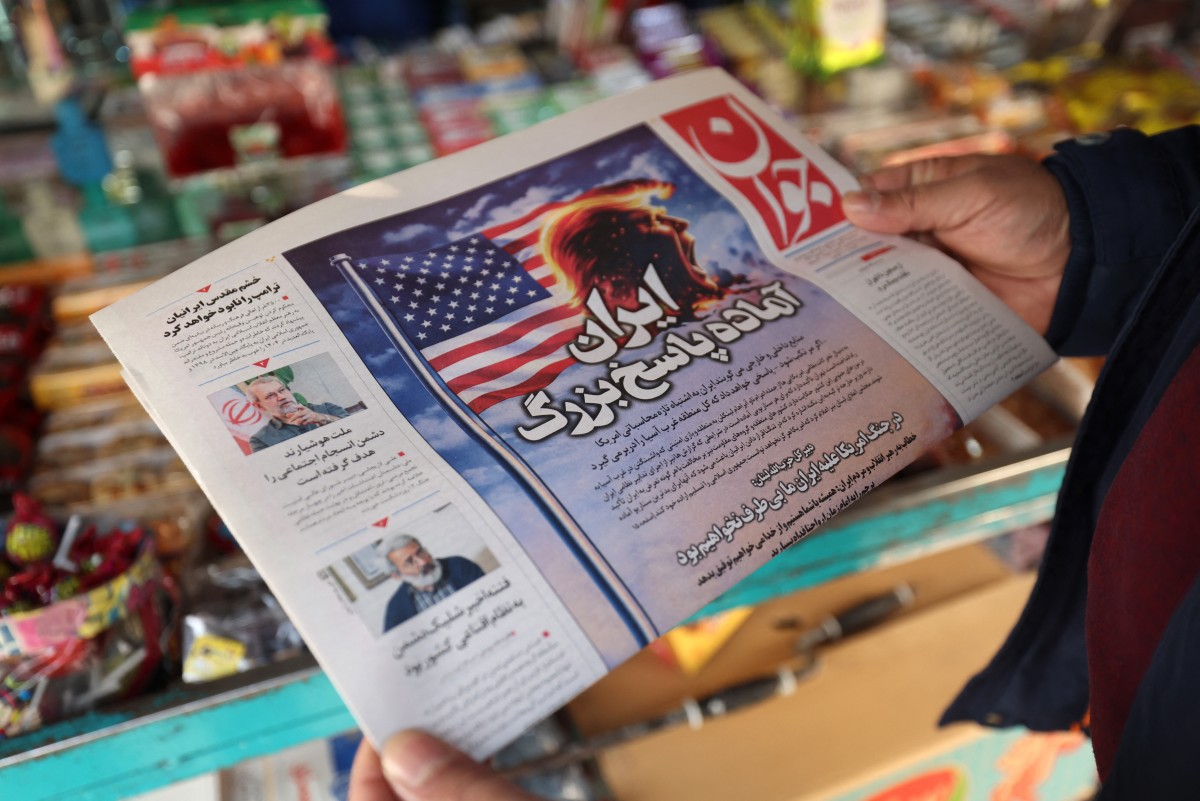
TEHERAN/CAIRO/BAGHDAD - A senior advisor to Iran's Supreme Leader Ali Khamenei warned on Wednesday that the Middle Eastern country will consider any military action by the United States against it as an act of war.
Ali Shamkhani, who is also the top leader's representative in the country's Defense Council, made the remarks in a post on social media platform X as tensions remain extremely high between Iran and the United States amid the latter's military buildup in the Middle East.
He said, a "limited strike" by the United States against Iran is nothing but an "allusion", adding, "Any military action by the United States from any source and at any level will be considered the start of war, and its response will be immediate, all-out, and unprecedented."
Shamkhani stressed that Iran's response will target "the aggressor, the heart of Tel Aviv, and all of the aggressor's supporters".
His remarks came as US President Donald Trump said Wednesday that a "massive armada", headed by the Aircraft Carrier Abraham Lincoln and larger than the one sent to Venezuela, is heading toward Iran, and warned Teheran that "time is running out" to make a deal with the United States.
The force would be larger than one previously deployed near Venezuela and would be ready to act if necessary, Trump wrote on his Truth Social platform.
"Hopefully Iran will quickly come to the table and negotiate a fair and equitable deal -- NO NUCLEAR WEAPONS," he added. "Time is running out." Trump warned that any future US strike would be "far worse" than previous military actions if no agreement is reached.
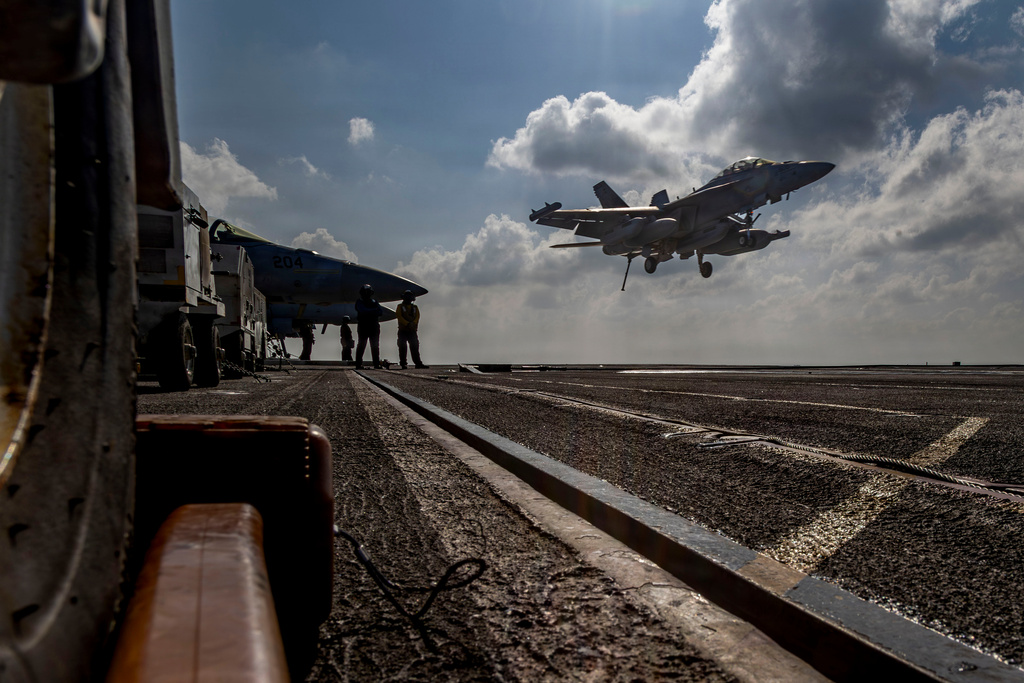
The United States has already dispatched the aircraft carrier USS Abraham Lincoln and accompanying guided-missile destroyers to the region. The US Central Command said Monday that the carrier-led strike group had taken up position in Middle Eastern waters, without disclosing its exact location.
The heightened military posture comes roughly a month after protests erupted across Iran, which Teheran has accused the United States and Israel of fomenting. Since then, Trump has sent mixed signals, alternately calling for negotiations while refusing to rule out military intervention.
No talks under threats
In response to Trump's threats in a Wednesday post on X, Iran's Foreign Minister Seyed Abbas Araghchi said, "Our brave armed Forces are prepared -- with their fingers on the trigger -- to immediately and powerfully respond to any aggression."
Araghchi, however, said, "At the same time, Iran has always welcomed a mutually beneficial, fair and equitable nuclear deal -- on equal footing, and free from coercion, threats, and intimidation -- which ensures Iran's rights to peaceful nuclear technology, and guarantees no nuclear weapons.
ALSO READ: Trump says another 'armada' sailing towards Iran
At a meeting with foreign media representatives, Iran's Deputy Foreign Minister for Legal and International Affairs Kazem Gharibabadi said Iran will deliver an "appropriate" response to any military action against it.
He pointed out that Teheran is determined to create deterrence against US military buildup and threats in West Asia.
"If they take a limited military action, Iran will give an appropriate response, not a proportionate one, to dissuade them from repeating their attacks," he said.
In a statement, Iran's mission to the United Nations also warned against military action, citing the cost of past US wars in the region.
"The last time the US blundered into wars in Afghanistan and Iraq, it squandered over 7 trillion US dollars and lost more than 7,000 American lives," the statement said. "Iran stands ready for dialogue based on mutual respect and interests -- but if pushed, it will defend itself."
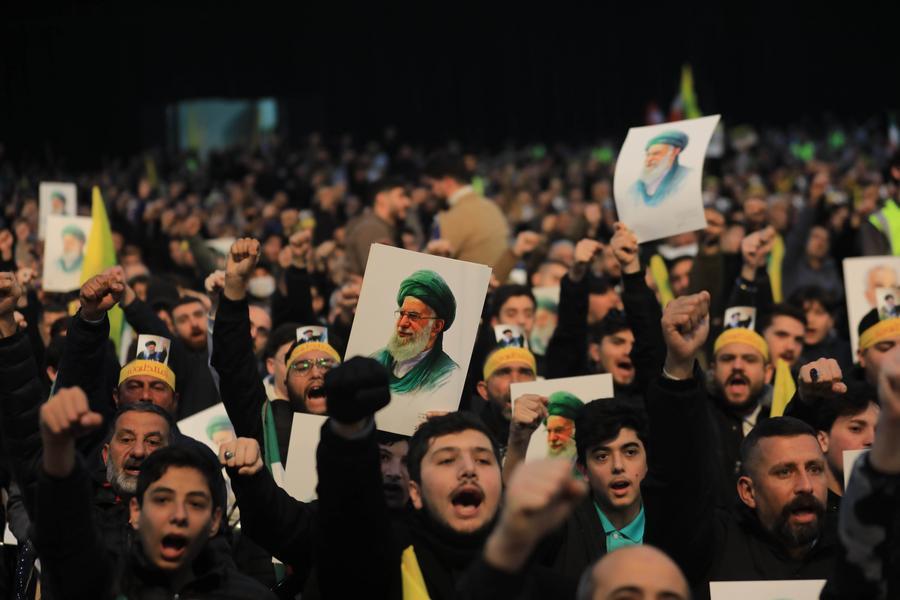
Iran has also sought to rally regional opposition to any US strike. Officials contacted several Arab states this week, including Saudi Arabia, Egypt, Turkiye, and the United Arab Emirates. Saudi Arabia and the UAE said they would not allow their airspace to be used for an attack on Iran.
Turkiye, a NATO member that shares a long border with Iran, urged diplomacy. Foreign Minister Hakan Fidan told Al Jazeera on Wednesday that Washington should restart nuclear talks with Teheran.
"It's wrong to attack Iran. It's wrong to start another war," Fidan said. He added that Iran was ready to resume negotiations on its nuclear program and called on the United States to address disputes step by step, beginning with the nuclear issue.
Also on Wednesday, Egyptian Foreign Minister Badr Abdelatty made separate phones talks with Araghchi and Trump's special envoy Steve Witkoff on the recent regional developments.
Abdelatty stressed the necessity to intensify efforts to reduce escalation and ease tensions, working to prevent the region from sliding into new cycles of instability, according to an Egyptian Foreign Ministry statement.
READ MORE: Iran condemns European Parliament's 'meddlesome, irresponsible' resolution
He also stressed the importance of prioritizing diplomatic channels to reach sustainable political solutions that support regional security and stability.
