

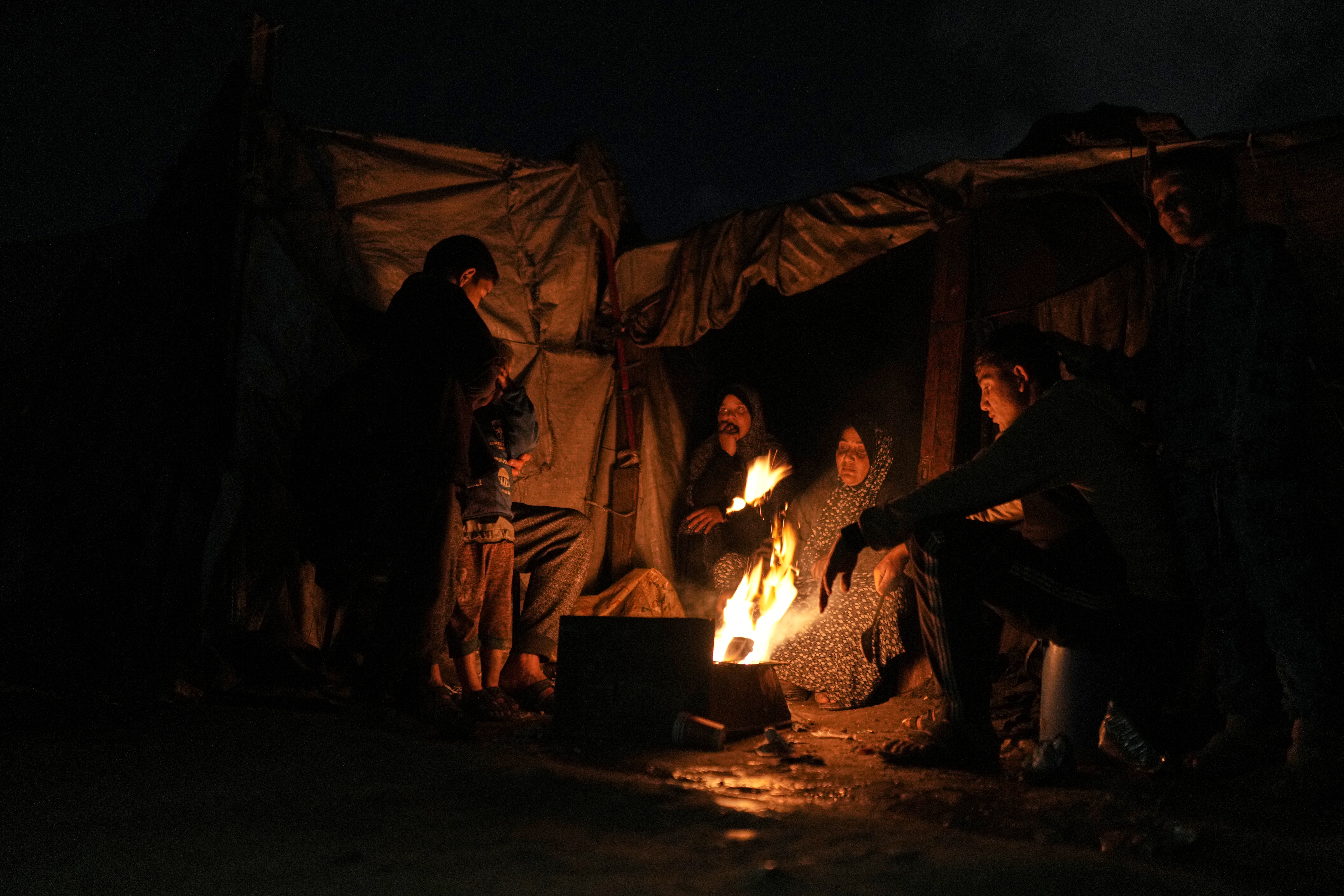
Sameh Abu Marsa, 40, a displaced resident living in an informal camp in Gaza City, said the announcement heightened his unease.
"When I read the names of the Peace Council members, I felt this was not a plan that prioritizes the interests of Gaza's residents," Abu Marsa said. "It looks more like a new form of international mandate, with decisions made externally and without participation from people on the ground."
He said the inclusion of former British Prime Minister Tony Blair is particularly troubling. "Blair's political background and involvement in previous conflicts raise doubts for us. These names suggest political deals rather than genuine peace," he added.
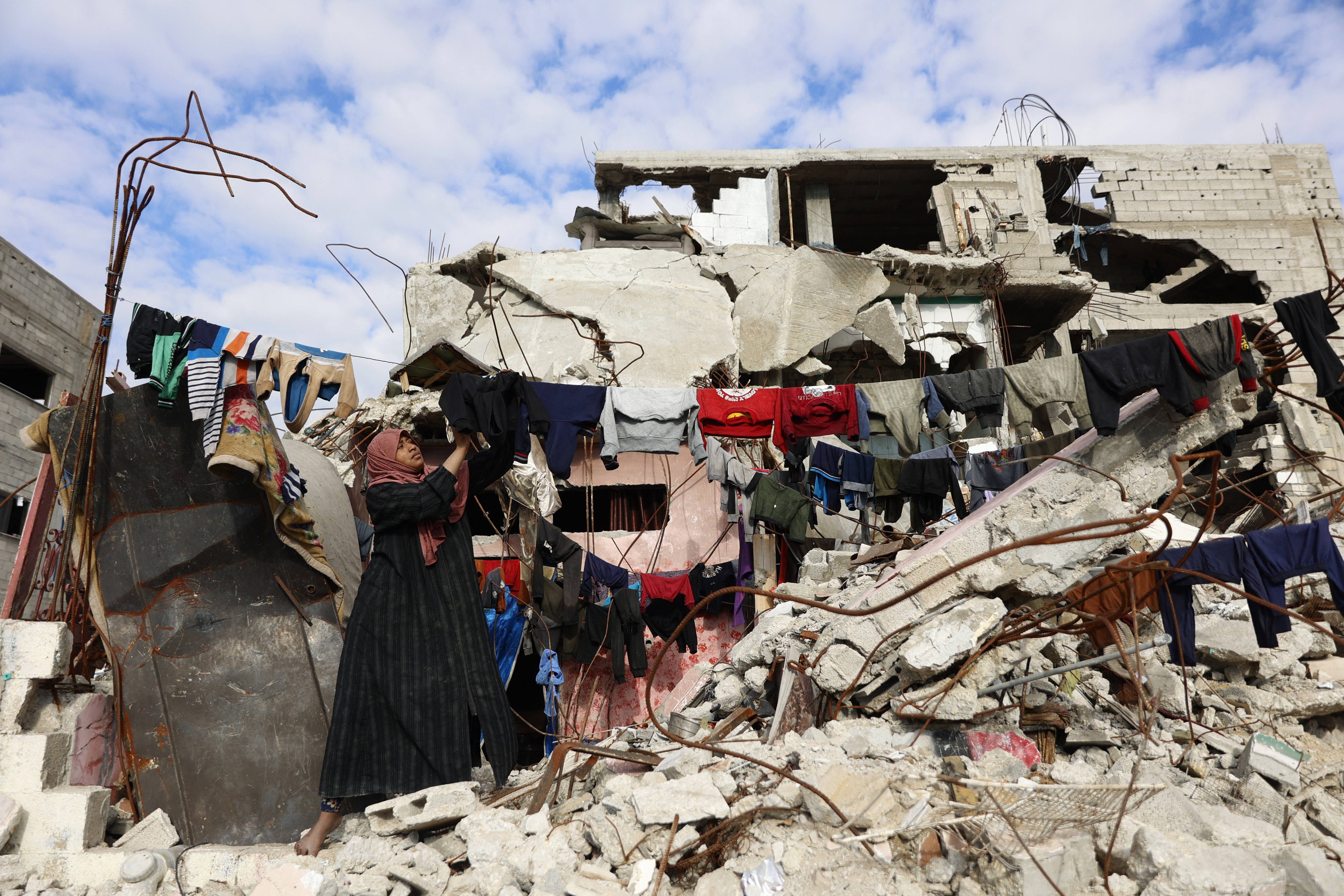
In Deir al-Balah in central Gaza, Hassan al-Hindi, 50, a father of four whose home was destroyed in recent fighting, said Gazans have seen many political initiatives fail to bring tangible change.
ALSO READ: US-led Gaza board triggers backlash
"For years we have heard about plans, councils and initiatives, but nothing has changed on the ground except more destruction and losses," he said. "Our priority is a complete halt to hostilities, a safe return to our homes, and real reconstruction, not political promises. This council appears aimed at imposing an American trusteeship under an international cover, serving external interests."
The White House on Friday announced the board's membership, saying Trump would serve as its chairman. Members include US Secretary of State Marco Rubio, Trump's special envoy Steve Witkoff, his son-in-law Jared Kushner, and Blair, among others.
The Islamic Jihad Movement said on Saturday it opposed the "Board of Peace," arguing it aligns with Israeli interests and threatens the implementation of a ceasefire. Israel also expressed dissatisfaction with Washington over the formation of an executive body to oversee Gaza's transitional administration without prior coordination.
Hamas spokesperson Hazem Qassem said the "Board of Peace," along with a Palestinian technocratic committee announced earlier this week in Cairo by Egypt, Qatar, and Türkiye, formed part of a US plan to end the conflict. He said Palestinian internal affairs must remain "in the hands of an independent Palestinian body" and reiterated Hamas's commitment to preventing renewed fighting and facilitating reconstruction.
Gaza-based political analyst Ahed Ferwana said prolonged conflict and mounting human and economic losses have weakened Palestinian factions' ability to shape political outcomes.
ALSO READ: Israel opposes line-up of US-formed Gaza executive board
"The Board of Peace is emerging within an international framework focused on crisis management rather than addressing core issues such as ending the occupation and guaranteeing Palestinian rights," he said.
The absence of guarantees for a permanent ceasefire, Ferwana added, continues to fuel Palestinian mistrust and cast doubt on the council's ability to gain public confidence.
In Khan Younis in southern Gaza, resident Abdul Raouf Awad pointed to continued Israeli bombardment. "How can we talk about a peace council while Israel's violations continue here?" he said.
READ MORE: White House names members of Gaza peace board chaired by Trump
Meanwhile, Hungarian Prime Minister Viktor Orban said Sunday that he has accepted an invitation from Trump to join the work of the "Board of Peace for Gaza" as a founding member.
In a post on Facebook, Orban said the invitation was extended in recognition of "Hungary's efforts for peace" and confirmed that Hungary had accepted what he described as an "honorable invitation."
He also shared the invitation letter dated Jan 16 from the White House, in which Trump formally invited Hungary to participate in the board.
