

Differences between Moscow, Kyiv remain, making prospects for deal unlikely
The Russia-Ukraine conflict, which erupted in February 2022, has gradually shifted from direct battlefield confrontation to a more complex phase over the past year marked by maneuvering over ceasefire terms, post-conflict arrangements and the responsibilities of major powers.
Deep and persistent differences remain between Russia and Ukraine, with core contradictions proving difficult to bridge, making the prospect of a mutually acceptable "peace agreement" in the near term unlikely. Even so, negotiations and contacts between the two sides are expected to continue in some form, leaving the outlook for peace uncertain, experts said.
Amid sporadic ceasefire pledges and protracted hostilities in 2025, Russia and Ukraine have engaged in negotiations aimed at ending the conflict, but none has resulted in a lasting halt to the fighting.
A limited 30-day suspension of attacks on energy infrastructure that began in March, along with an Easter truce in April, saw both sides accuse each other of violations.
READ MORE: Russia, Ukraine report overnight strikes amid intensified tensions
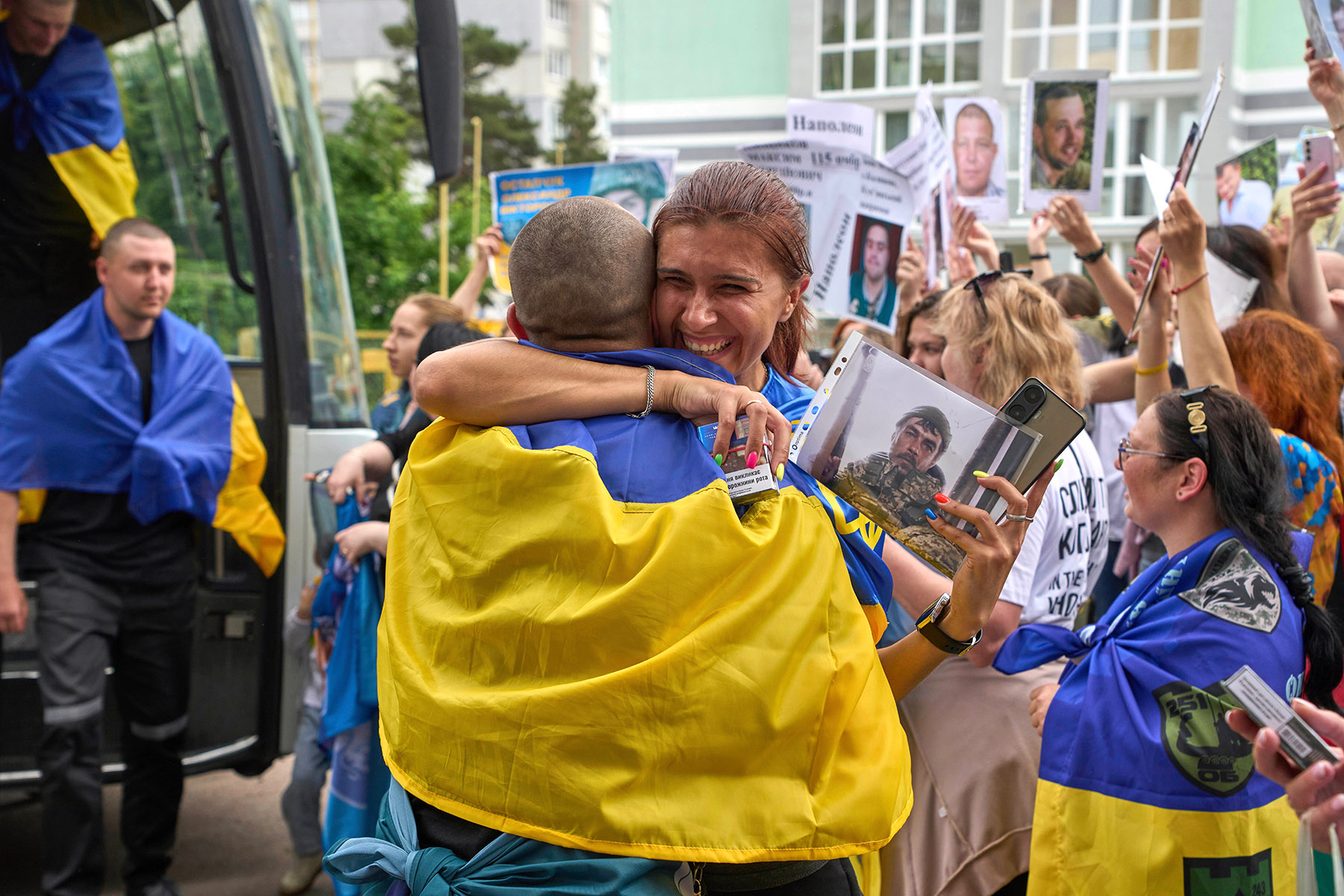
Three rounds of direct talks between Moscow and Kyiv from May to July, the first since negotiations were suspended in March 2022, failed to produce a major breakthrough, despite limited outcomes such as prisoner exchanges and the return of the remains of fallen soldiers.
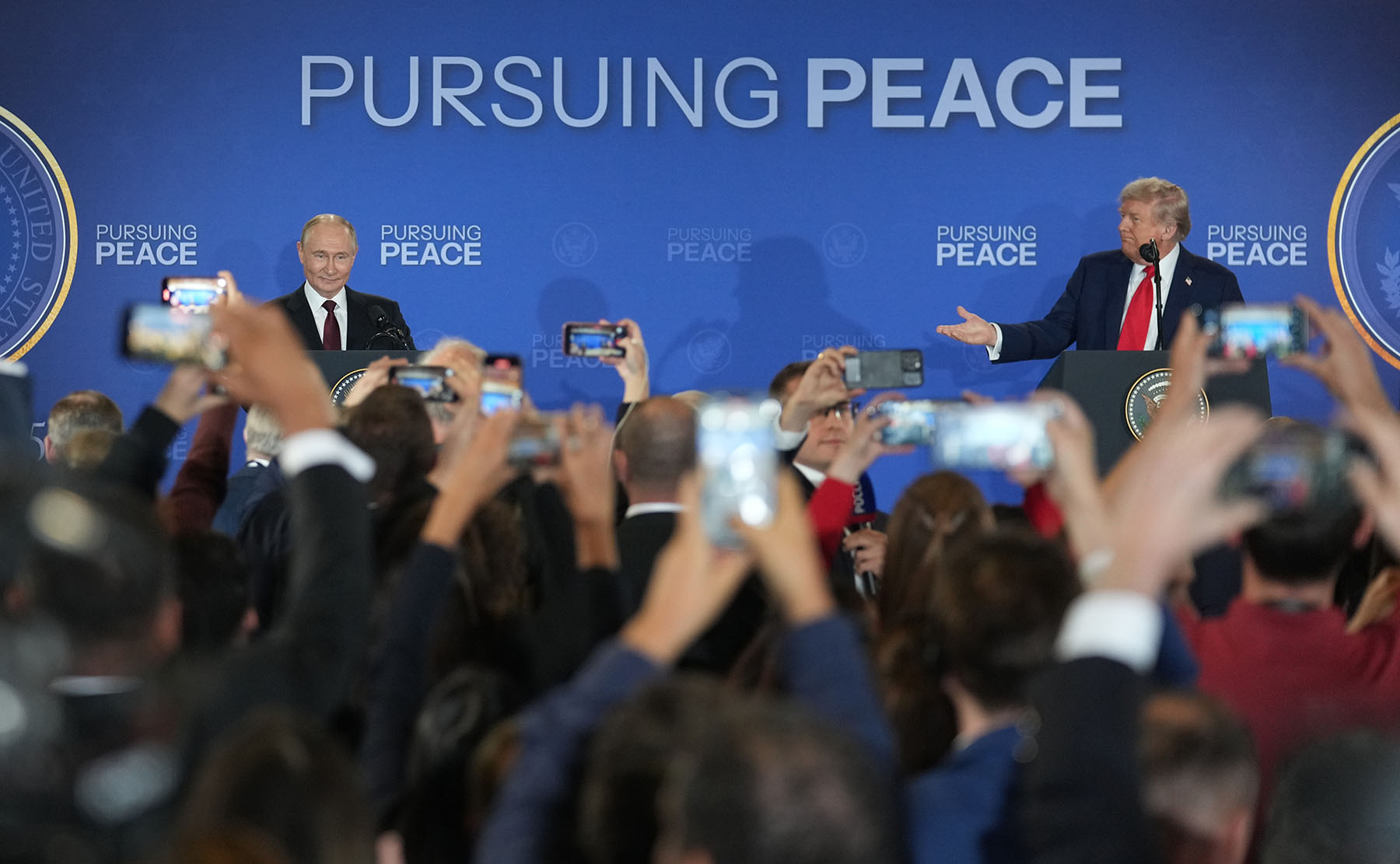
Russian President Vladimir Putin and his US counterpart, Donald Trump, met on Aug 15 in the US state of Alaska, but the talks produced no concrete agreement, as Ukraine and several European countries expressed concern over being sidelined.
In November, the US put forward a 28-point proposal, which was later revised by Ukraine and European countries but still failed to gain Russia's full acceptance. A meeting involving the United States, Europe, Russia and Ukraine in Miami, Florida, in December also yielded no significant progress.
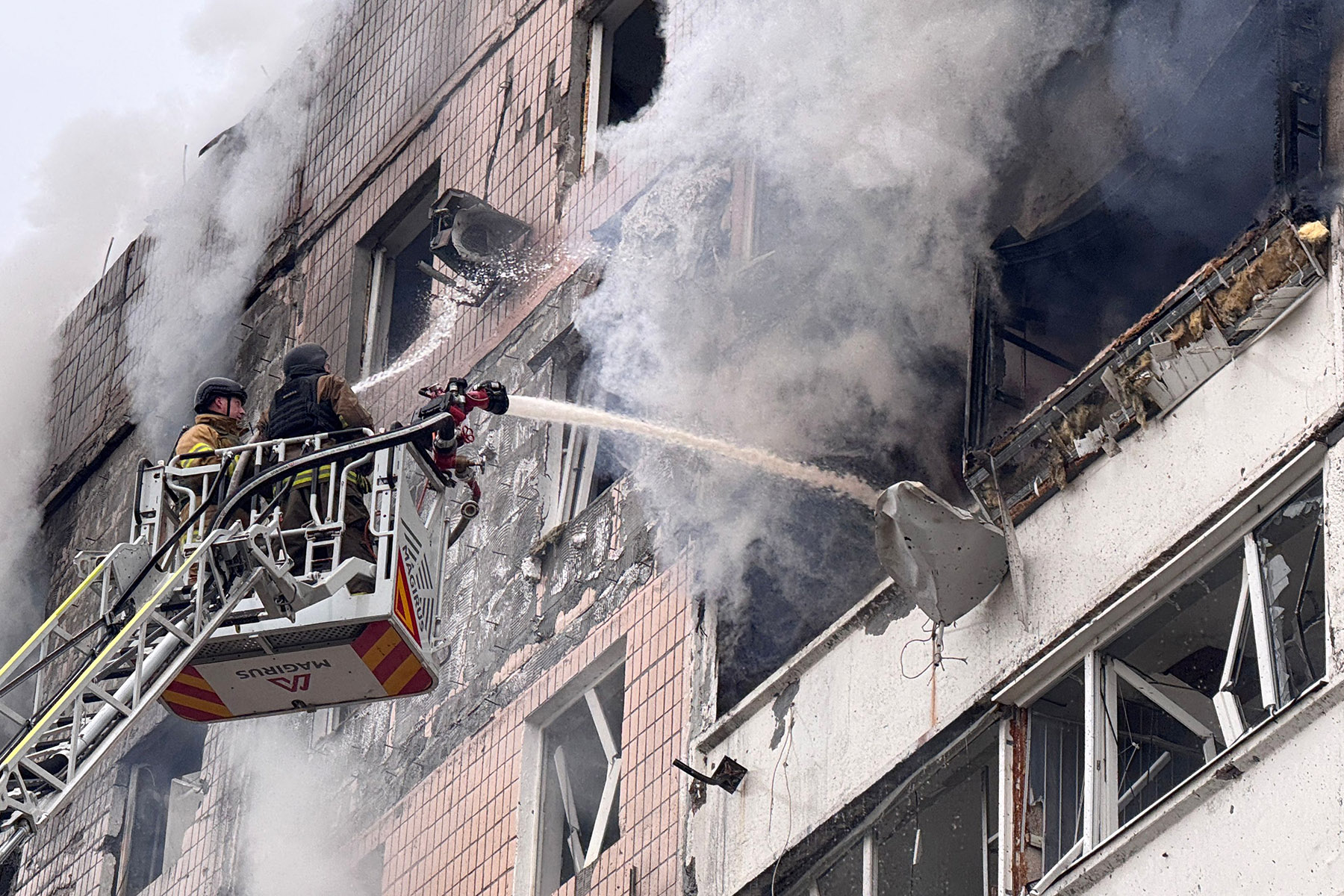
On the battlefield, Russian forces have taken control of more than 300 populated areas so far this year, including the recently captured strategic logistics hub of Krasnoarmeysk. Ukrainian forces have continued to resist Russian advances in parts of the Sumy, Kharkiv, Donetsk and Zaporizhzhia regions, while launching frequent artillery and drone attacks on several regions in western Russia. Overall, however, the battlefield situation has become increasingly challenging for Ukraine.
Along the Donetsk-Zaporizhzhia front line, Russian forces are on the offensive while Ukrainian troops remain largely on the defensive.
However, no single battle is likely to determine a decisive shift in the overall trajectory of the conflict. The Ukraine crisis in 2025 was defined by its protracted and enduring nature, said Li Yonghui, researcher at the Institute of Russian, Eastern European and Central Asian Studies of the Chinese Academy of Social Sciences.
Wan Qingsong, an associate research professor at the Center for Russian Studies of East China Normal University in Shanghai, also pointed out that the Russia-Ukraine conflict had escalated across military, political, and diplomatic fronts over the past year.
"On the military-political level, Russia leveraged progressively upgraded technological capabilities, particularly expanded fiber-optic control systems and longer-range drones, alongside accumulated combat experience to refine its assault and advance tactics, thereby maintaining overall battlefield initiative."
Fiscal crisis
"Ukraine, by contrast, faced further depletion of its military strength, marked by chronic infantry shortages along the front lines, a sharp rise in desertions, and drastic pay cuts for rear-area personnel amid a fiscal crisis," he said.
In his annual end-of-year news conference on Dec 19, Putin reiterated a tough Russian stance in resolving the Ukraine crisis.
Russia agrees to end the Ukraine crisis through negotiations, alongside eliminating the root causes, he said, noting that now "the ball is entirely in the court of Ukraine and its European sponsors".
Underscoring Russia's battlefield advantages, he said that 700,000 Russian troops are currently deployed on the front lines, advancing along the entire line of contact while Ukrainian forces are in retreat.
The balance of power on the battlefield has shifted decisively in Russia's favor following the expulsion of Ukrainian troops from the Kursk region, he added.
"The core positions of Russia and Ukraine have not undergone substantive change," Wan from Shanghai said.
He said Russia has repeatedly stated in various forums its determination to achieve the primary objectives of its special military operation, namely, demilitarization, denazification, and neutrality.
"Ukraine, meanwhile, has maintained firm 'red lines' in negotiations, a stance consistently emphasized by President Volodymyr Zelensky. These include preserving territorial integrity, now framed with greater nuance compared with earlier demands to fully restore the 1991 borders, seeking NATO membership as a core security guarantee, and retaining unrestricted freedom to develop its military capabilities," Wan added.
Unlike the stalemate on the battlefield, the momentum toward a political resolution of the crisis gained strength in 2025, with both Russia and Ukraine clearly pursuing a strategy of "fighting while negotiating".
In 2025, the Ukraine crisis has reached a critical juncture, with peace hanging in the balance. Since the Trump administration took office, it has pushed for a Russia-Ukraine peace process, leading to multiple rounds of interactions among all parties, said Chen Yu, deputy director of the Institute of Eurasian Studies at the China Institutes of Contemporary International Relations.
After returning to the White House in early 2025, Trump reversed his predecessor's policy of supporting Ukraine against Russia. He not only halted unconditional aid to Ukraine but also pressured the country to engage in peace talks with Russia, while accusing Europe of obstructing US efforts to end the crisis.
Limited outcomes
The US president's shift in stance toward the conflict injected new momentum into efforts to pursue a negotiated resolution. Russia and Ukraine resumed talks in Istanbul that had been suspended since April 2022, but the discussions yielded only limited outcomes, including exchanges of prisoners of war and the remains of the deceased, Wan said.
Although the Alaska summit in August between Russia and the US laid some groundwork for consensus, shifting from demanding a ceasefire as a precondition for talks to focusing on addressing the root causes of the conflict and broader European security concerns, Trump later abruptly altered course by imposing a new round of sanctions on Russia.
Europe aligned with Washington's approach, adopting its 19th round of sanctions against Russia. The European Commission also pushed for legislation to confiscate frozen Russian foreign exchange reserves and assets, but ultimately failed.
"Despite these diplomatic moves aimed at accelerating an end to the conflict, no substantive progress has been achieved," Wan added.
The shift in the US position has not led to a swift resolution of the crisis but has instead introduced new uncertainties. The Russia-Ukraine conflict is increasingly evolving into a long-term structural contest with profound implications for regional and even global order, Li from the CASS said.
Looking ahead, the Ukraine crisis may witness fragile ceasefires emerging from multiple rounds of negotiations in 2026. However, reaching a comprehensive peace agreement through a formal political document will remain extremely difficult, and the crisis is likely to persist, she said.
ALSO READ: Zelensky says in talks with Trump over possible deployment of US troops
In the year 2026, two key factors will most decisively shape the Russia-Ukraine situation, Wan said.
"First, under pressure from US midterm elections, Trump's pursuit of a swift 'deal' is likely to yield little, potentially prompting him to intensify pressure on Russia and further strain US-Russia relations. Second, developments within Ukraine, particularly the intensification of internal political struggles, will play a significant role," he said.
Intense fighting on the Russia-Ukraine battlefield is likely to continue, with Russian forces potentially retaining the initiative. As battlefield dynamics and the balance of power gradually shift, Ukraine may adopt more flexible countermeasures, while European nations could become more actively involved in the negotiation process, he added.
"However, they may seek to reshape the framework terms of European security guarantees in ways that Russia finds unacceptable. This would further complicate and prolong the negotiation process, leaving the underlying conflict fundamentally unresolved," Wan said.
Agencies contributed to this story.
Contact the writers at liujianqiao@chinadaily.com.cn
