

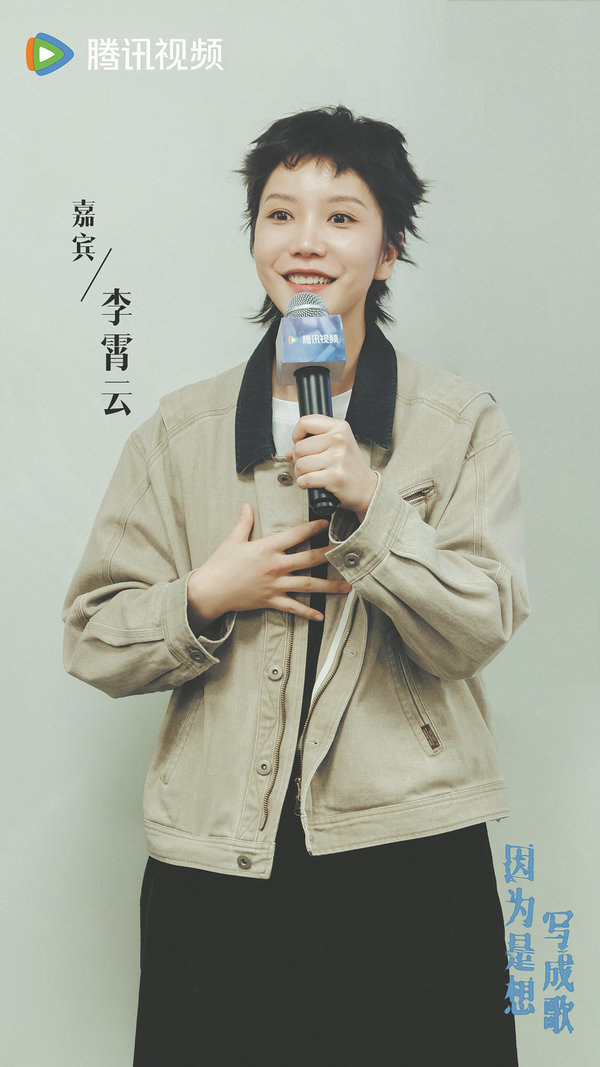
The 2009 season of China's pop-culture juggernaut talent show Super Girl launched two names into the stratosphere: Li Xiaoyun, then a sophomore at the University of Melbourne who placed second, and Huang Ying, the third-place finisher who once worked as a singer at weddings and funerals in the mountainous areas of Sichuan province. Though both signed with the same entertainment management company, their career paths soon forked.
Plagued by discomfort and insecurity under corporate control and the unrelenting glare of fame, Li eventually retreated to a windowless studio in Beijing, forging her own identity as an independent artist.
By contrast, Huang leaned into the system, actively showing up at commercial gigs. After her contract expired in 2017, she transitioned into the booming influencer economy of short videos and livestream commerce.
Fifteen years later, in September 2024, the two reunited at a concert featuring contestants from across five seasons of the Super Girl franchise.
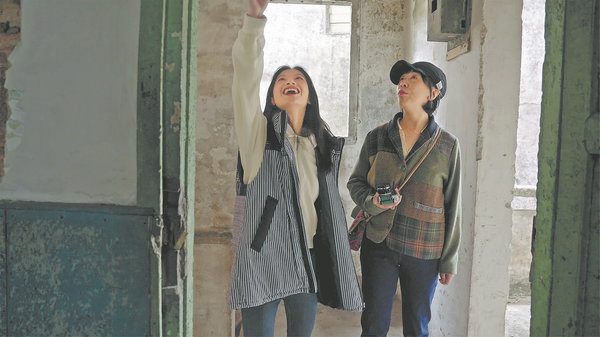
It was there that the documentary Meant to Sing began filming Li and Huang.
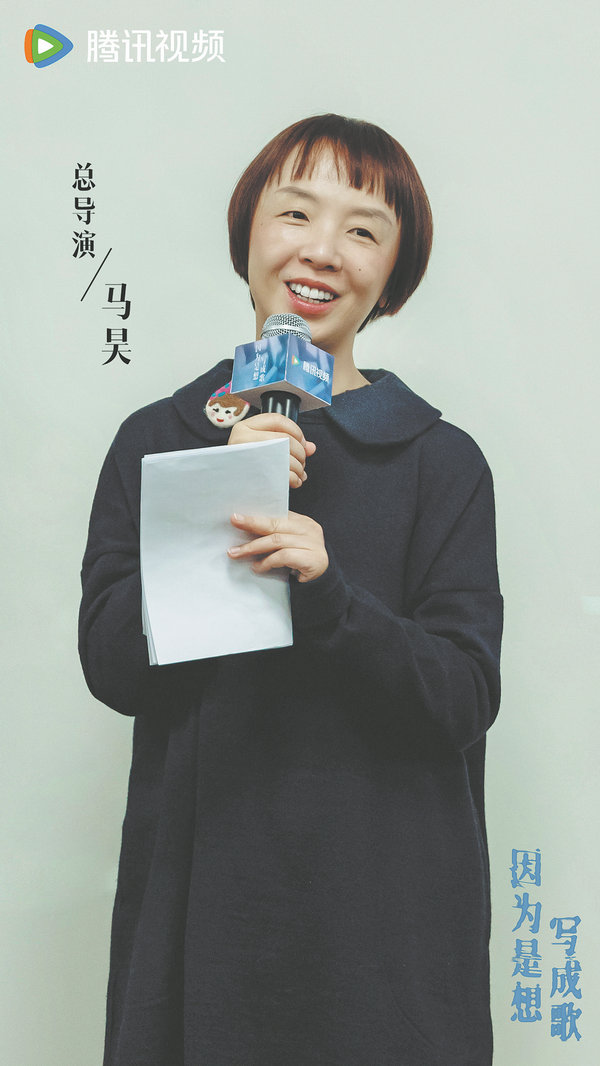
The documentary follows Ma Hao, the chief director of talent shows Super Girls 2009, Super Girls 2011, and Super Boy 2013, as she visits, shadows and talks with contestants now living in different cities and facing diverse life circumstances.
By turning its lens onto China's earliest group of contestants who gained public attention through music talent shows, the documentary explores how they have navigated the fluctuations of fame over the years.
Through in-depth conversations, it captures their true selves in both everyday life and musical creativity.
It all began in 2004, when Hunan Satellite TV launched Super Girls, a groundbreaking music competition that encouraged ordinary people to express their individuality and chase their musical dreams.
For the first time, a national audience could vote for their favorites via text message.
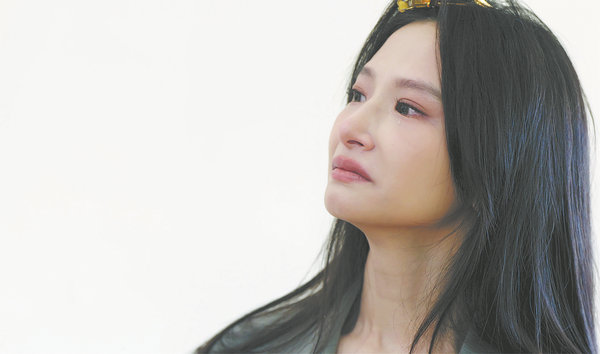
The show soon became a cultural phenomenon, leading to a series of successful spin-offs that captivated the country for years.
Ma, who initiated the documentary, believes the production speaks directly to audiences today.
In an era where social media permeates daily life, she says, many people post a photo, a thought, or a moment from their day only to anxiously await likes and comments.
ALSO READ: C-dramas gain global momentum
"If ordinary users feel this quiet desperation for attention," Ma asks, "how do those who experienced overnight fame and then faced the ebb of public interest cope with it?
"These individuals reached the peak of public attention, then lived through its decline. How do they face life after the spotlight fades? How do they find and become their true selves? Perhaps this documentary can offer reflection and insights for everyone," Ma says.
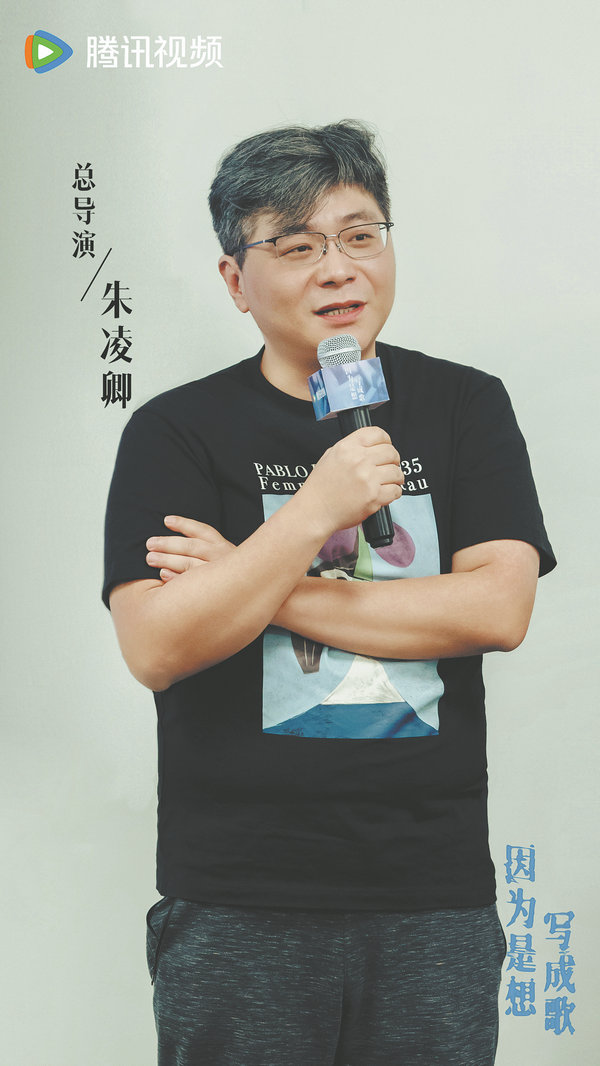
"By diving deeply into real-life stories, it reawakens viewers who hold shared memories of the talent-show era or the cultural milieu of yesteryear. In tracing the paths of others, it invites each of us to look back on our own," adds Zhu Lingqing, chief director of the documentary.
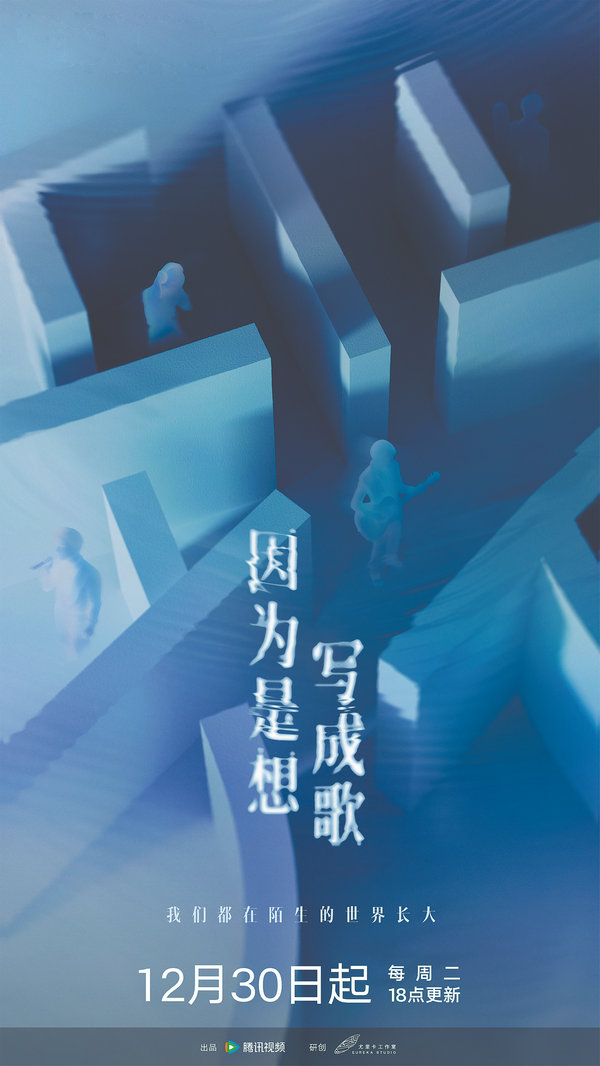
Along with Huang and Li, the documentary also follows former contestants He Jie, the fourth-place finisher of Super Girls 2005, Chen Chusheng, champion of Super Boy 2007, Zeng Yike, ninth-place finisher of Super Girls 2009, and Bai Jugang, third-place finisher of Super Boy 2013.
Recently aired on Tencent Video, the second episode traces the daily lives of Huang and Li. It invites viewers into Huang's home, where she films lighthearted videos with her husband and two children, sharing snippets of family life in the hope of attracting more followers on Douyin. The camera also follows Li as she drives alone to a windowless studio — where a painting of a blue sky is taped to the wall beside her desk — to write and record songs.
"Embracing immense success requires more strength and a healthier mindset than enduring failure. I was young back then and didn't handle it well. While it brought me great fortune, it also carried with it an equal measure of confusion and restraint," Li recalls. "Competing in that show and being known to the public is part of my life's journey and remains the luckiest chapter so far. No matter how 'entertainment-focused' it may have seemed, it has allowed me to keep making music, and that is what truly matters."
Interestingly, a song Huang and Li performed together at the 2024 concert became a hit that year.
Soon after, Huang was invited to join the popular reality show Riding Wind 2025, a TV program known for shattering age stereotypes and showcasing the brilliance of women over 30 in the entertainment industry. There, she practiced dance and rehearsed on less than two hours of sleep a night — yet when Ma asked if she was tired, Huang replied, "Not at all."
Li did not appear on the show, a fact Ma saw as a genuine shame.
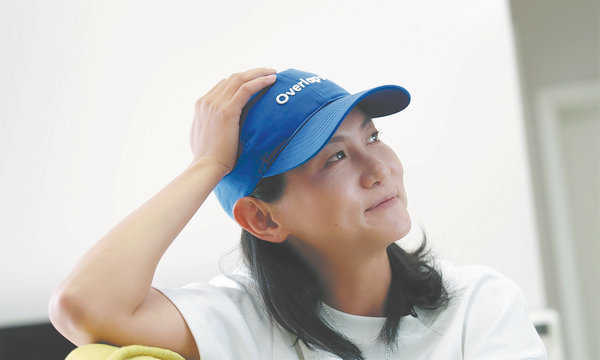
The documentary lingers on an extended take inside Li's studio, where Li is collaborating with friends to record violin samples.
Wearing headphones, she appears uncommonly animated, a stark contrast to her usually reserved demeanor in daily life.
The moment the violinists improvise the very sound she had envisioned, the session concludes swiftly.
She opens the studio door and says with a big smile, "This is pure happiness."
