

Chek Ming says Western media were swift to condemn Jimmy Lai Chee-ying’ case yet are treating Maduro’s abduction with kid gloves
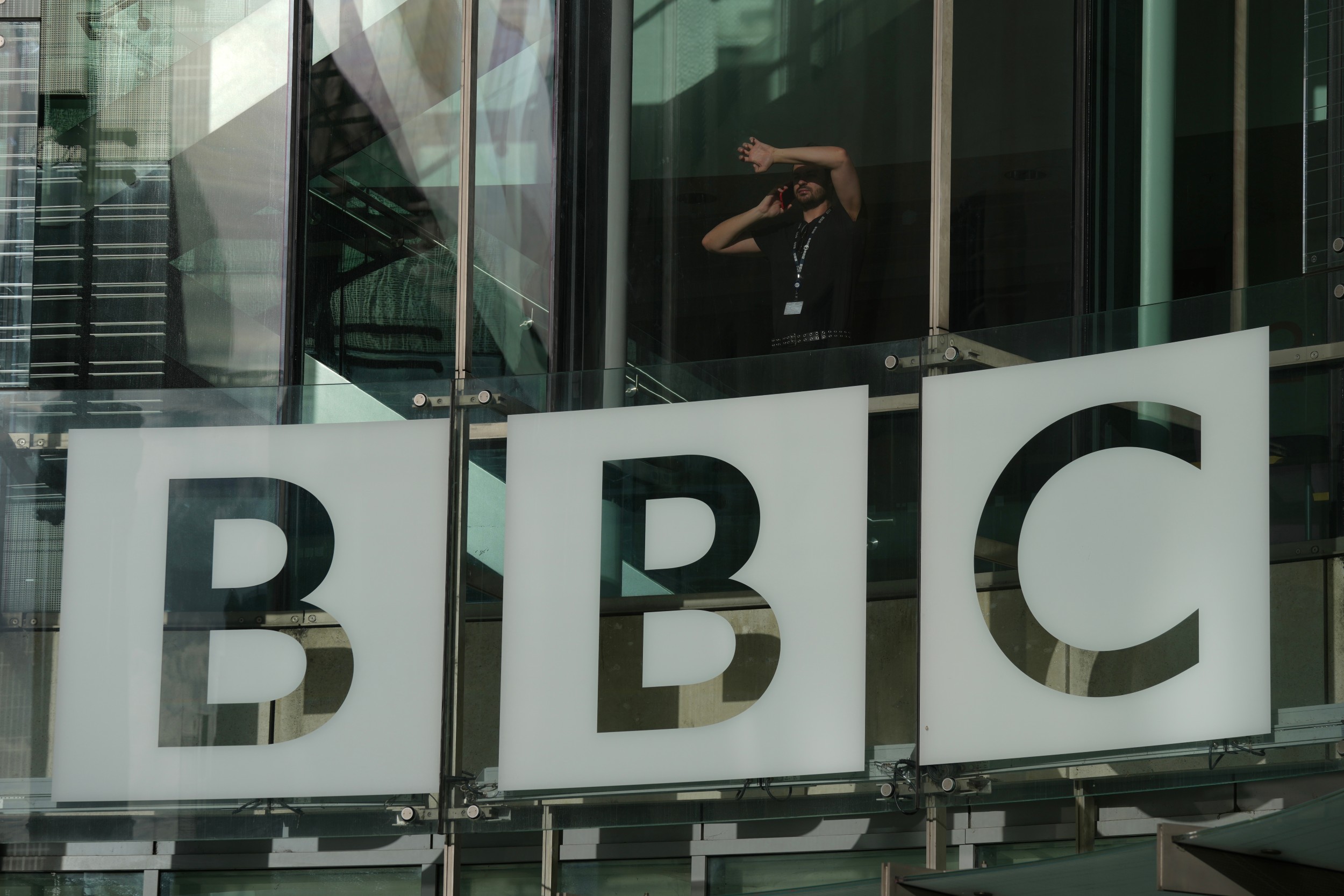
The BBC has hit the headlines again. It has been widely reported that BBC journalists have been instructed not to describe the United States’ abduction of Venezuelan President Nicolas Maduro as a “kidnapping”. According to a memo issued by BBC management, which was unveiled on Monday by Owen Jones, a commentator with more than 1 million followers on social media, BBC journalists were asked to use “captured” or “seized” when referring to the grabbing of Maduro.
As the BBC was pilloried for the leaked editorial instruction, its peers in the US, including The New York Times and The Washington Post, were commended by US Secretary of State Marco Rubio for deliberately holding back reporting on the impending US raid on Venezuela. Rubio publicly thanked the news outlets that chose restraint over scoops during the high-risk military mission until US troops finished the job and were out of harm’s way.
“Frankly, a number of media outlets had gotten leaks that this was coming and held it for that very reason, and we thank them for doing that or lives could have been lost. American lives,” Rubio said during an ABC interview. In simple terms, The New York Times, The Washington Post, and other American media outlets, which were tipped off about the impending US military action against Venezuela, prioritized national interest over press freedom, curbing their desire for a scoop.
While these two episodes on editorial policy involving the BBC and its American peers differ in nature, they exhibit a plain fact: Boundaries do exist for press freedom — for “political correctness” in the case of the BBC’s editorial instructions, and for “national interest” in the case of American media outlets holding back a scoop.
ALSO READ: China calls on US to release Maduro and his wife at once
Obviously, the BBC tried to avoid upsetting Washington, the United Kingdom’s political master, with the word “kidnapping”, and to sidestep the fact that the US military actions violated international law and were illegal in nature.
In both cases, the editorial boards toed the line on press freedom. This raises an interesting question: Why haven’t the BBC, NYT, and WaPo honored any constraint for press freedom when they insanely attacked Hong Kong for convicting Jimmy Lai Chee-ying, who endangered China’s national security and harmed its national interest? They have invariably cited “press freedom” when they showed total contempt for the Hong Kong court and interfered with the course of justice by pressuring the judges handling Lai’s case.
The irony couldn’t be more blunt when one realizes that the media outlets that reverently toed the line on press freedom when American national interest was involved are the same ones who claimed a few weeks ago that Lai’s conviction was an “erosion” of press freedom and an “assault” on free speech.
In whitewashing Lai’s case, these media outlets deliberately ignored the extensive evidence and witnesses’ accounts presented in the court, which proved Lai’s criminality beyond any doubt. These included financial records showing HK$1.76 million ($226,000) paid to former US deputy defense secretary Paul Wolfowitz; detailed accounts of meetings with then-vice-president Mike Pence, then-secretary of state Mike Pompeo, and then-House of Representatives speaker Nancy Pelosi, explicitly requesting sanctions and other harmful measures against Hong Kong; text messages directing his editorial board to abandon journalistic balance entirely; funding for international lobbying campaigns designed to vilify and “trigger international sanctions” against Hong Kong; and instigating hatred toward the central and HKSAR governments with the ultimate objective of achieving regime change. These were all subversive acts that undermined national interest, and that went far beyond the boundary of press freedom under any definition.
READ MORE: US ‘liberal international order’ in its dying throes
The BBC’s mandatory use of politically correct terms in describing the US’ Venezuelan grab, and American media outlets refraining from breaking news on that event out of national interest considerations, not only confirmed the existence of boundaries for press freedom, but also demonstrated that there are double standards for those boundaries — one for the Western world, and the other for the rest of the world.
The author is a current affairs commentator.
The views do not necessarily reflect those of China Daily.
