

Gen Z consumers see Double 11 as cultural and social ritual that blends consumption with identity, emotion and lifestyle
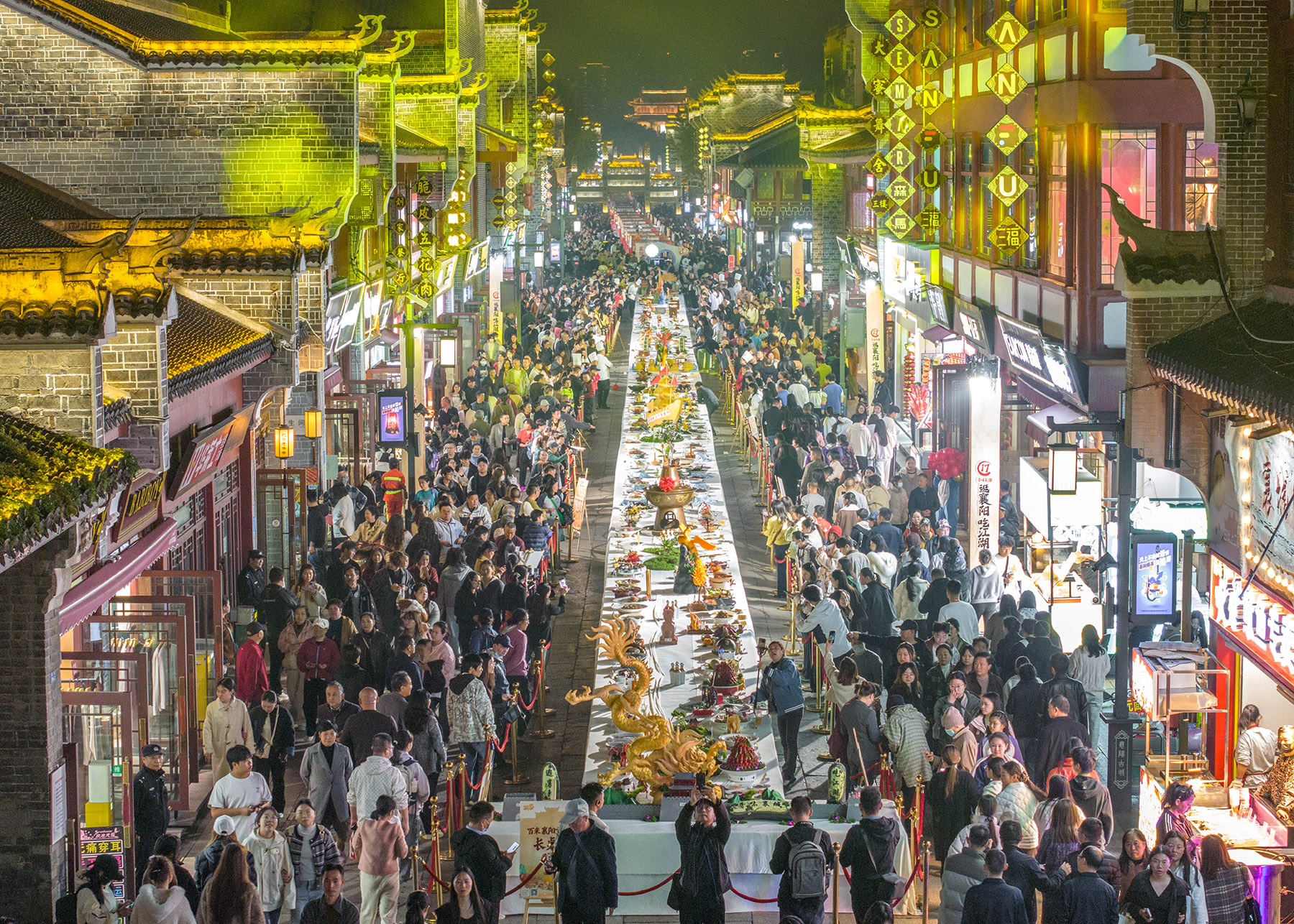
For Gen Z consumers, the country's leading shopping event, or Double 11 shopping festival, has evolved into a cultural and social ritual that blends consumption with identity, emotion and lifestyle, an indicator of growing confidence in consumption, rather than just about chasing discounts, according to an industry survey.
That is one of the core conclusions of the "2025 Gen Z Double 11 Consumption Behavior Report" jointly released by social media platform Soul App and the Shanghai Youth Research Center.
Based on the joint survey of 2,770 valid surveys as well as platform-level big data analysis, the report examines how post-95s and post-00s approached spending during this year's Double 11 period. Taking place from Oct 8 to Nov 14, the 37-day event this year was the longest of its kind so far.
The findings suggest that the festival's meaning has expanded far beyond a single-day sales event, becoming an annual "life ritual" through which young consumers define trends, express values and seek emotional satisfaction.
READ MORE: Structural upgrading, policy support fuel long-term growth
Gen Z's participation in the online shopping festival has climbed for three consecutive survey cycles, reaching a record 93.1 percent in 2025. This compares with 81.3 percent in 2021, 88.1 percent in 2023 and 90.6 percent in 2024.
Nearly four in 10 respondents said this year's Double 11 felt more "festive", citing more concentrated promotions and a stronger vibe. That perception was particularly pronounced in first-tier cities such as Beijing, Shanghai, and Guangzhou and Shenzhen in Guangdong province. In those top tier cities, 46.2 percent shared this view, as well as in provincial capitals, at 43.5 percent.
Gen Z's consumption confidence continues to improve. Nearly 40 percent of respondents said they increase their spending budget at this time of the year, while 40.4 percent kept budgets unchanged. Combined, these groups account for almost 80 percent of respondents, signaling broadly positive sentiment toward consumption, said the report.
The willingness to spend is especially strong in first-tier cities, where 45.15 percent of surveyed youth reported higher budgets. The upward trend is also clear over time, as the share of Gen Z consumers increasing their budgets has risen steadily from 27.3 percent in 2021 to 38.6 percent in 2025. For brands and platforms, this suggests that while young consumers are cautious, they are not retreating from spending altogether.
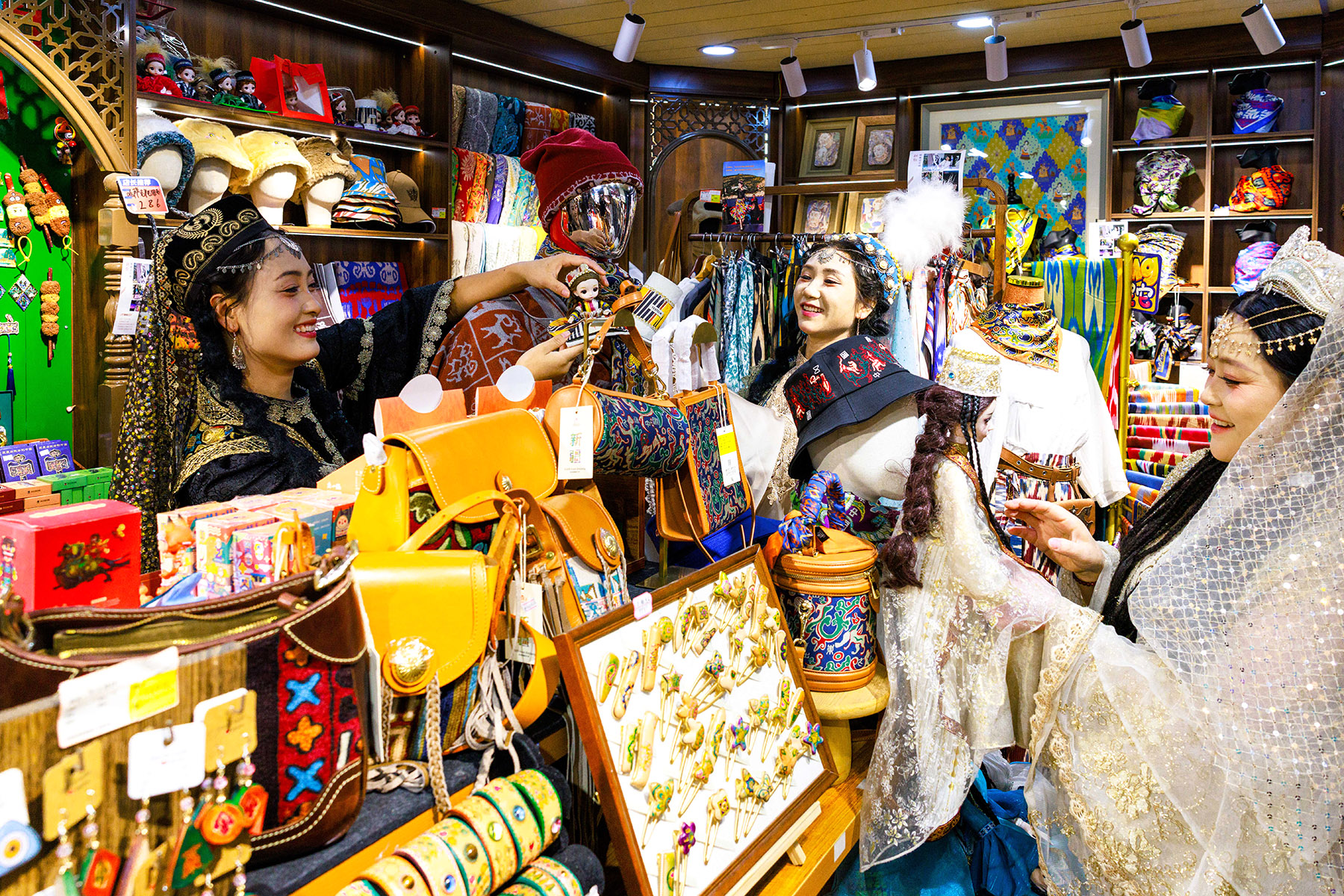
One of the most striking shifts highlighted in the report is the rise of "emotional consumption". Travel-related spending ranked first, chosen by 36.9 percent of respondents, with flight and hotel bookings emerging as core items in their shopping carts. Digital value-added services at 33.1 percent and game recharges at 31.6 percent formed a diverse second tier.
Gender differences were also evident. Male respondents showed a stronger preference for travel-related products at 39.7 percent, while female respondents leaned toward medical aesthetics, beauty and hairdressing services at 39.4 percent. The data indicate how the shopping event has become a platform for lifestyle planning and emotional fulfillment, not just material acquisition, said the report.
Beyond traditional strong categories such as apparel, home goods, beauty and 3C electronics, cultural and interest-based consumption is emerging as a new growth engine. About 20 percent of respondents expressed a clear preference for cultural consumption, while 21.4 percent planned to spend on content-related products, including books, film and TV, music and paid knowledge courses.
Interest-driven purchases, such as anime merchandise and hobby-related goods, accounted for 14.8 percent, while 14 percent of respondents included offline experience consumption, such as concert tickets and travel packages, in their plans. These patterns reflect a shift toward spending that reinforces personal identity and community belonging.
The shopping event's influence is also spilling more decisively into physical spaces. More than 70 percent of Gen Z respondents said they paid attention to offline promotions. Of those, 31.3 percent said their interest was higher than before and that they would actively participate, while 43.7 percent said it was similar to previous years.
ALSO READ: Singles Day off to big buying bang in China
The data suggest that offline channels are becoming an increasingly important battleground, particularly as brands seek to create immersive experiences that complement online discounts. For young consumers, the boundary between digital and physical retail is continuing to blur.
Preference for domestic brands rose sharply in 2025, particularly in mobile phones, home appliances and health foods or dietary supplements. Compared with last year, these categories saw the most significant gains. In first-tier cities, 57.6 percent of respondents said they were buying "more and more" domestic brands.
The trend reflects growing confidence in the quality and innovation of local companies, as well as a broader shift in attitudes toward "hardcore" Chinese brands that combine technology, design and value.
Artificial intelligence emerged as a defining feature of the 2025 Double 11 experience. AI-powered customer service was the most widely used application, cited by 30 percent of respondents, followed by personalized recommendations at 28.7 percent and AI shopping assistants at 25.9 percent.
Contact the writers at wangzhuoqiong@chinadaily.com.cn
