

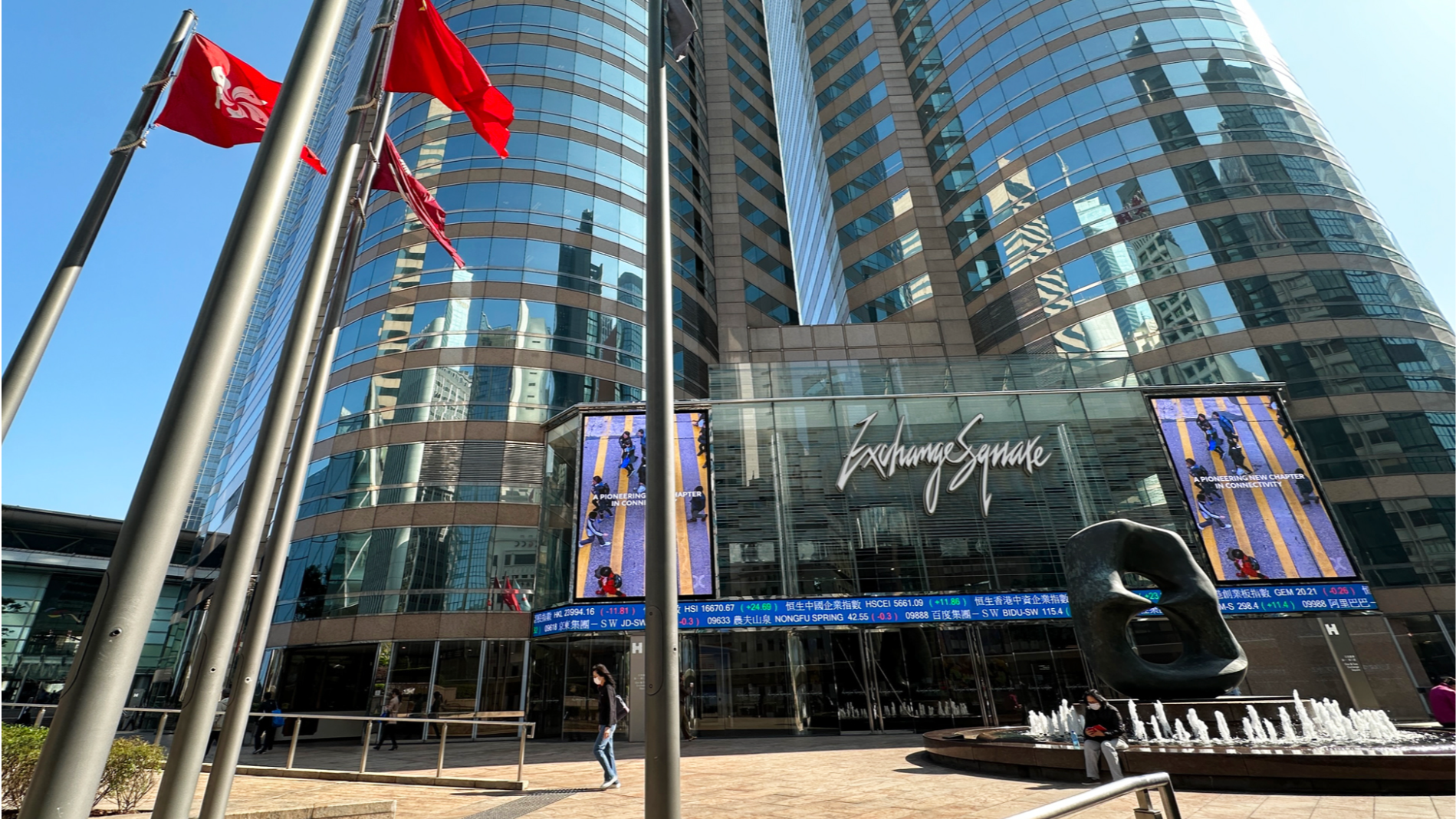
As Hong Kong’s equity market ended 2025 with the strongest gains since 2017, strategists expect the rally to continue in 2026, supported by ample liquidity, favorable policies, higher corporate earnings and attractive market valuation.
The city’s equity market benchmark – the Hang Seng Index -- has been rising for the second consecutive year, having climbed 27.7 percent in 2025 following an almost 18-percent gain in 2024. Before the consecutive two-year rebound, the index had endured a four-year slump from 2020 to 2023, but had soared 36 percent in 2017.
The HSI finished the New Year’s Eve half-day trading on Wednesday with a 0.9-percent drop, losing 224 points to close at 25,630 on a turnover of HK$119 billion ($15.2 billion). The Hang Seng China Enterprises Index -- a barometer of Chinese mainland companies -- retreated 0.9 percent to close at 8,913 points, while the city’s technology stock gauge -- the Hang Seng TECH Index -- edged down 1.1 percent to close at 5,515 points.
ALSO READ: Strong new economy listings fuel Hong Kong’s IPO market in 2025
The market has seen significant fund inflows in 2025 as market confidence returned. In the first 11 months of 2025, the average daily turnover on the local stock market had approached HK$260 billion.
“We are constructive about the outlook for the Hang Seng Index, with a target of 31,000 by the end of 2026, driven by positive liquidity and earnings trends,” said Patrick Ho, North Asia chief investment officer at HSBC Private Bank and Premier Wealth.
“Hong Kong’s recovery in retail spending, a stabilizing residential real-estate market, increased tourist activities, a robust fund-raising pipeline, and positive wealth effects from the stock market rally are all supporting consumption recovery,” he said.
Ho expects the Chinese mainland’s focus on boosting domestic consumption to benefit corporate margins and drive earnings improvement in 2026.
ALSO READ: HKEX: Hong Kong tops global IPO venues in 2025
A report by the Standard Chartered Bank Wealth Solutions Chief Investment Office said the bank “remains overweight on Chinese equities, with a preference for offshore markets (Hong Kong’s H-share market and United States’ American Depositary Receipts) to onshore A-share market, given their higher exposures to growth sectors and more attractive valuations compared with US counterparts”.
The bank said it expects (the Chinese mainland’s) targeted policy stimulus and strong earnings growth relating to the artificial intelligence theme to provide strong support for the market.
Gary Wan, principal economist and strategist at Dah Sing Financial Group, said he expects the Hang Seng Index to potentially climb to 28,200 points in the first half of 2026, buoyed by continued inflows of southbound funds and improved corporate performance. The prospects for innovative technology companies, high-dividend stocks, and domestic consumption sectors may also be relatively positive.
READ MORE: HKEX beats expectations with record HK$8.5b first-half profit
However, he warned that if the Hang Seng Index falls below 24,400 in the short term, it might dip further to 23,500 points, given that recent volatility in overseas markets and stock market valuation have rebounded recently.
Global fund manager Value Partners Group said the market needs to see upward earning revisions (of Hong Kong-listed companies) to support market valuation if the HSI were to rally further.
