

Editor’s Note: The following is a compilation of edited excerpts of interviews on the theme of women artists, from Hong Kong and beyond, with key stakeholders of Hong Kong’s art ecosystem. It is a companion piece to Chitralekha Basu’s series, Hong Kong’s Women of Art. Pegged on the worldwide increase of the market share of women artists, the series explores where women artists of Hong Kong find themselves in this growth story.
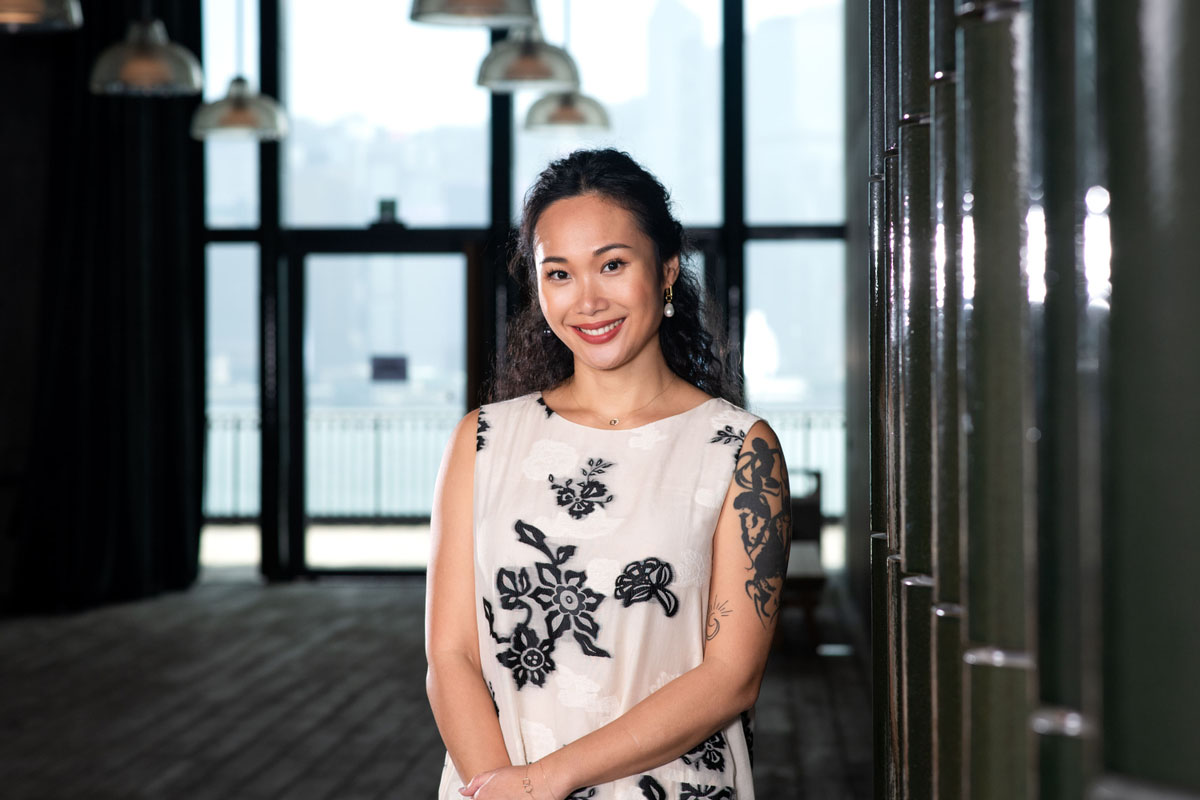
Angelle Siyang-le, director, Art Basel Hong Kong
On the growth of interest in women artists
During the last Art Basel Hong Kong in March, I had asked the participating galleries: Do you see a lot of female collectors, because that was a key finding from The Art Basel and UBS Global Art Market Report 2025. And the first thing they told me, without hesitation, was, yes, absolutely. A lot of the younger collectors are female, and a lot of them are representing their family collection. This is very specific to our region, and it is what we see at our show, for sure.
Our platform is designed to raise awareness of art and culture. Women artists are rising, as are the younger generations of collectors. Our platform naturally becomes an amplifier of such trends.
On Ellen Pau leading the film program at Art Basel Hong Kong 2026
Ellen Pau (1961-) is a pioneer among Hong Kong new-media artists. She is a founding member of Videotage, the only video art-focused, independent institution in Hong Kong. Also she’s an artist who leads younger generations of artists. So, her attracting a lot of young and emerging voices is exactly what we want to see at Art Basel Hong Kong 2026. We do want to inject more energy and showcase younger voices through the fair’s film sector.
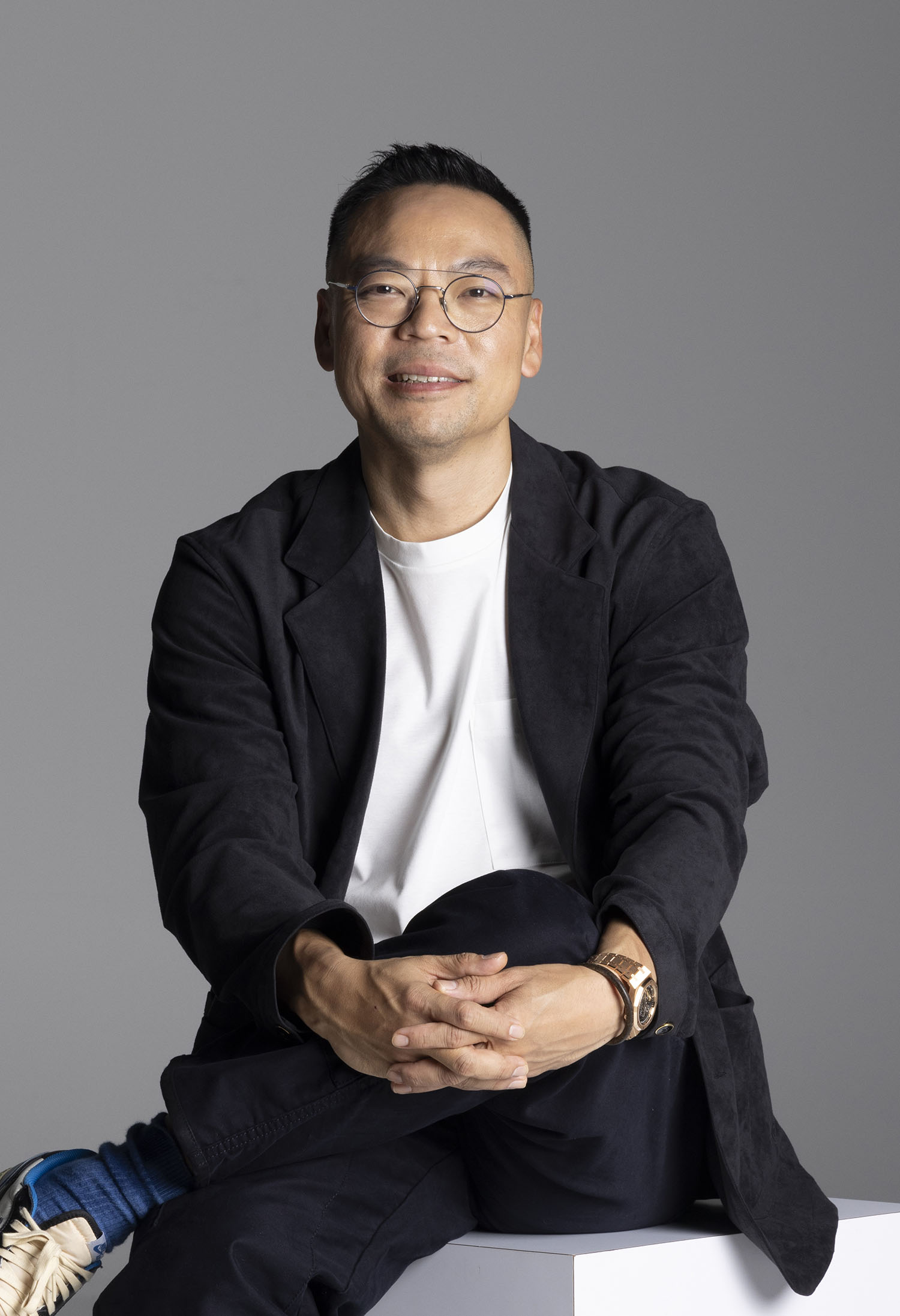
Alan Lo, collector and board chair, Para Site
On looking for gender balance while collecting art
Diversity is an important aspect of being an art collector in the present context! I look to balance male and female as well as LGBTQ artists in our collection. Our Yenn and Alan Lo Foundation as well as our Singapore project space Kim Association focus on transnational artists of Asian origin. Currently we are showing Jade Guanaro Kuriki Olivo (1989-). She is part Puerto Rican, part Japanese. Other female artists with Asian heritage in the collection including Vivian Zhang (1990-), Brook Hsu (1987-) and Mire Lee (1988-), to name just a few.
On women leading Hong Kong nonprofits that serve the cause of art
I’m a co-founder and former board chair of Design Trust. I also became the board chair of Para Site this year. Female representation is very important in institutions, whether it’s at the board level or in the leadership team. We are proud to have Marisa Yiu helming Design Trust while at Para Site the roles of deputy director and curator are taken by Junni Chen and Celia Ho respectively. The programming at Para Site is very balanced and often features female artists. We recently closed a solo presentation of Hong Kong female artist So Wing-po (1985-). Other female artists who we have shown at Para Site include Christine Sun Kim (1980-) and Aki Sasamoto (1980-), to name just a couple.
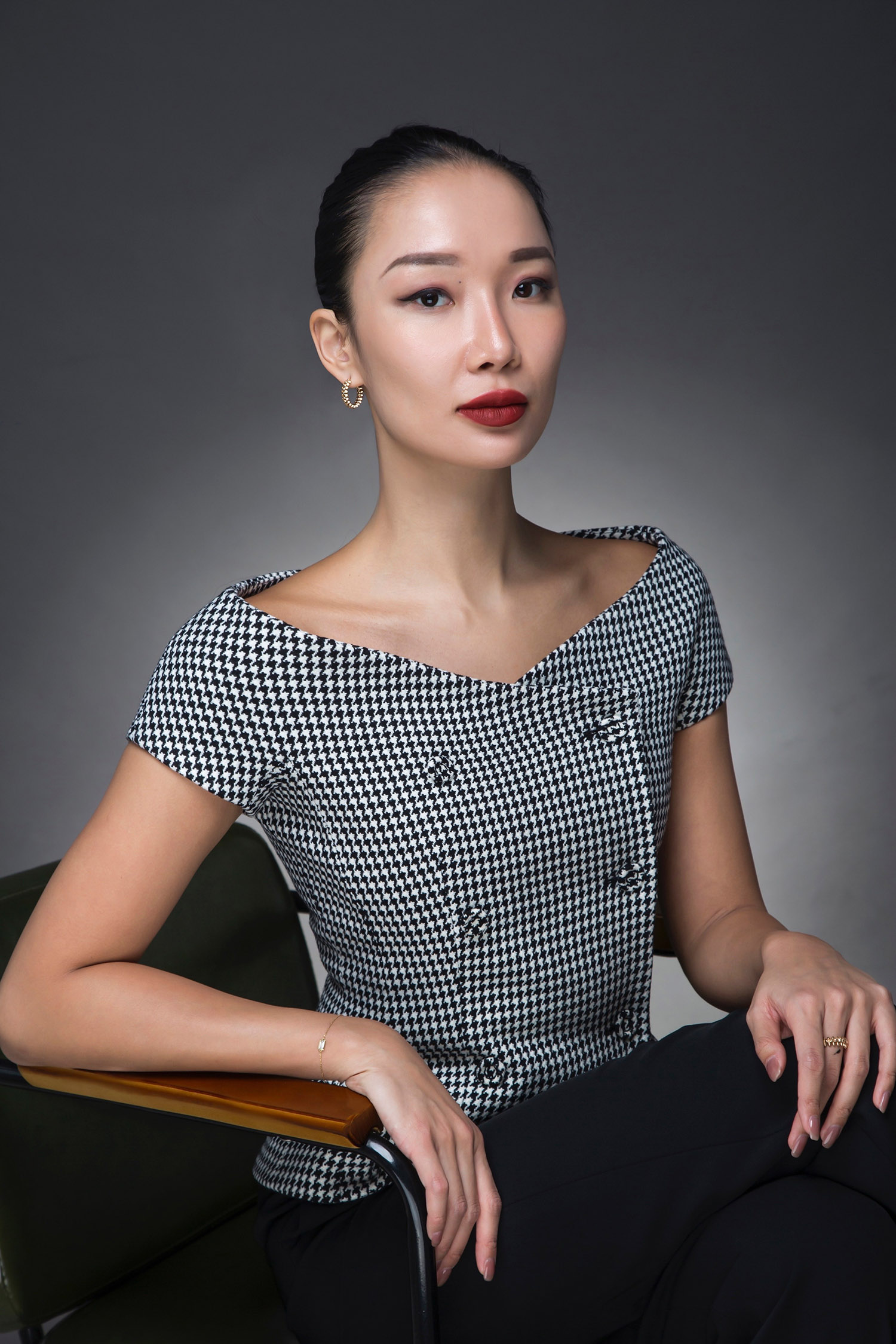
Christina You, director, Gagosian Hong Kong
On hosting solo exhibitions by internationally renowned women artists in Hong Kong
The women artists that we have exhibited in Hong Kong are amongst the most highly-respected living artists, regardless of gender. As well as Sarah Sze (1969-), Katharina Grosse (1961) and Alexandria Smith (1981), I would mention Jennifer Guidi (1972-), Louise Bonnet (1970-), and Taryn Simon (1975-), all of whom have staged very well-received solo shows in our Hong Kong gallery. These artists have distinctly different practices and aesthetics, and each is pioneering in their own way, which is a primary consideration for collectors.
On the performance of women artists presented by Gagosian at Art Basel Hong Kong 2025
At Art Basel Hong Kong 2025, we showed many of the biggest names in contemporary painting, photography and sculpture, including Carol Bove (1971-), Jadé Fadojutimi (1993-), Nan Goldin (1953-), Katharina Grosse, Lauren Halsey (1987-), Yayoi Kusama (1929-), Sabine Moritz (1969-), Sarah Sze, Mary Weatherford (1969-) and Anna Weyant (1995-), and the response to our booth was unsurprisingly positive. The fair attracts a clientele that appreciates great artists, regardless of gender, race and nationality.
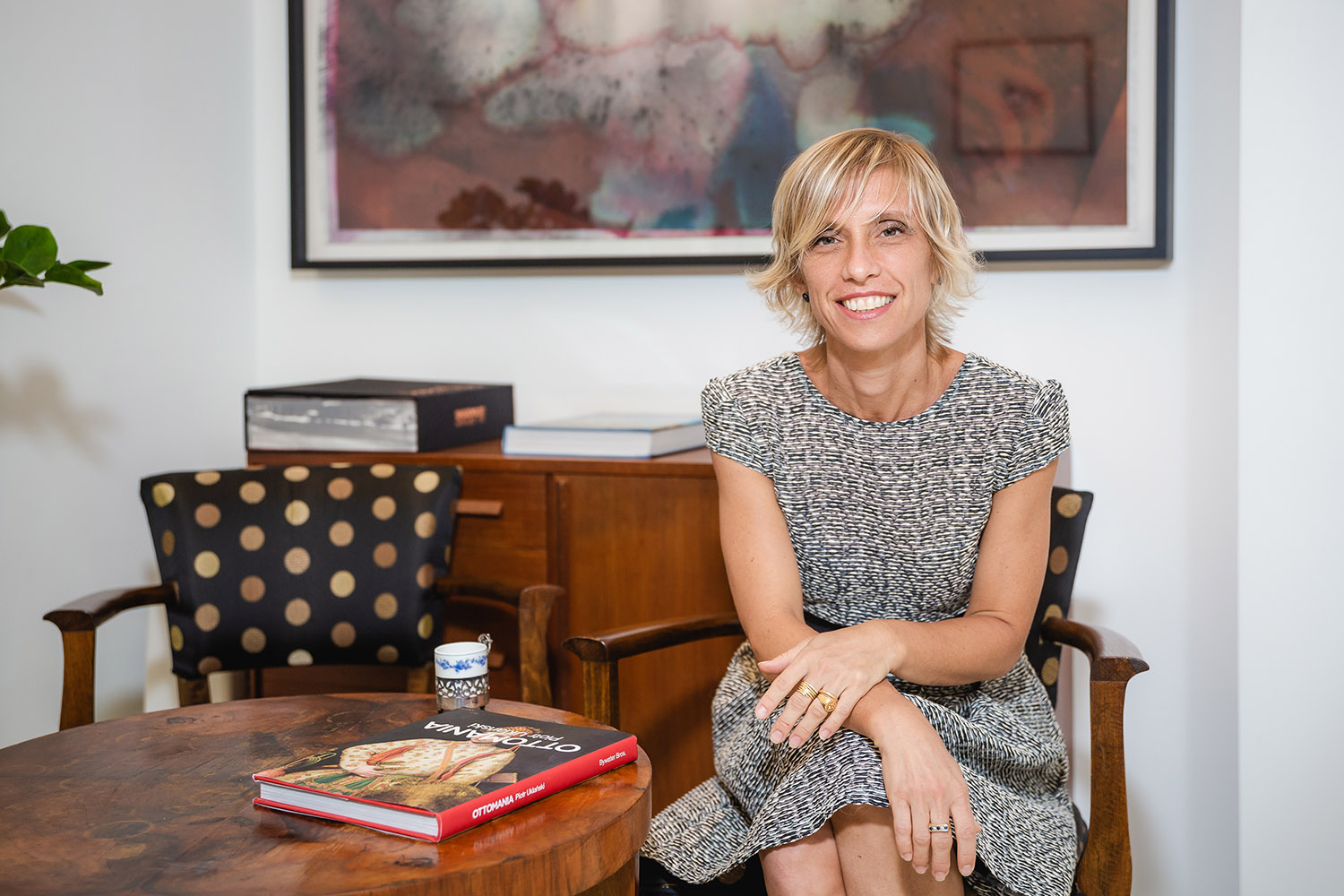
Claudia Albertini, senior director at MassimodeCarlo Hong Kong
On representation of women artists at MassimodeCarlo Hong Kong
Ever since our Hong Kong space was launched in 2016, our program has covered most of the artists we represent, and women artists have always been a part of that picture. It’s been really positive to see growing attention around women’s practices — not as a trend, but because the work is strong and deserves to be in the conversation. The art world has historically leaned toward male perspectives, but things are opening up, and it feels like there’s finally more space for different voices to come through.
On introducing major women artists of the world to a Hong Kong audience
The focus is always on the strength of the work and the relevance of the artist’s practice. Indeed, our exhibition of works by Dominique Fung (1987-) in March was in concomitance to Tai Kwun’s exhibition of works by Alicja Kwade (1979-) and Hu Xiaoyuan (1977-).
Women artists’ practice is extremely relevant these days and it is great that we can present different practices by artists from very different backgrounds at the same time in Hong Kong.
On the growing influence of women collectors in Asia, and particularly Hong Kong
It is fabulous to see such a great energy and adventurous spirit across the generations and geographies of our clientele. Indeed, there’s a shift in the way a younger generation of collectors buy art. Women collectors in Hong Kong and Asia in general, are indeed very active. Sometimes they are the real decision makers!
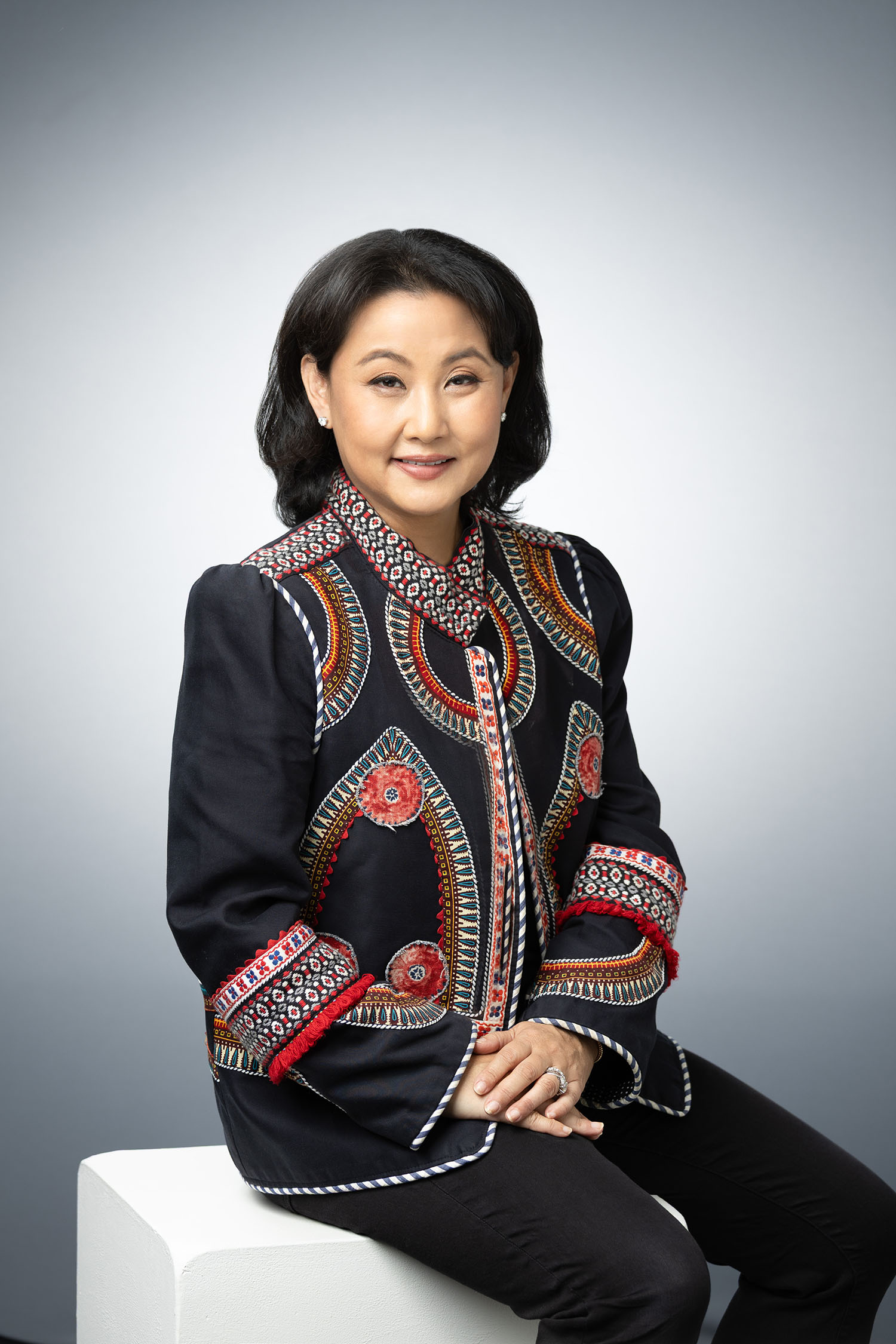
Levina Li-Cadman, co-founder and managing partner, Art-Partners
On the recent growth of the market share of women artists and its timing
Historically, there has been a gender imbalance in the art world. Until the mid-to-late 19th century, women were not formally allowed to attend art schools and academies. In the ’80s, the Guerrilla Girls, a collective of feminist activist artists, began advocating strongly for increased inclusion of female artists in major art institutions. This was the beginning of a long journey towards equity. From the mid-to-late 2000s, prominent institutions like the Tate museums in London began significantly expanding their collections to include more works by female artists. The #MeToo movement brought greater attention to the vast imbalance in the representation of male and female artists.
In recent years, there has been an increase in awareness and conscious action to feature female artists. Interest in collecting works by female artists has grown as well. As awareness increases, so does demand, leading to more women being represented in institutions and galleries.
On women artists and public art projects
We have remained conscious of achieving gender balance in all the projects we work on. We actively seek out and propose female artists for our public art programs to give them a platform.
Seven years ago, with the Harbour Arts Sculpture Park, we demonstrated our commitment to showcasing a diverse portfolio of artists in public art. As a result, we were able to feature renowned female artists such as Yayoi Kusama (1929-), Jenny Holzer (1950-), and Tracey Emin (1963-).
On noteworthy Hong Kong women collectors’ interest in digital art and non-fungible tokens (NFTs)
I share the view that women collectors are more interested in digital art and NFTs. In my experience as a co-founder of the Meta Art Club, I have met many female digital-art collectors and amazing female digital artists.
On collecting works by women artists
As an arts professional, I consciously foster gender balance and ensure that female artists are given a platform. And as an art collector, I have collected works by female artists.
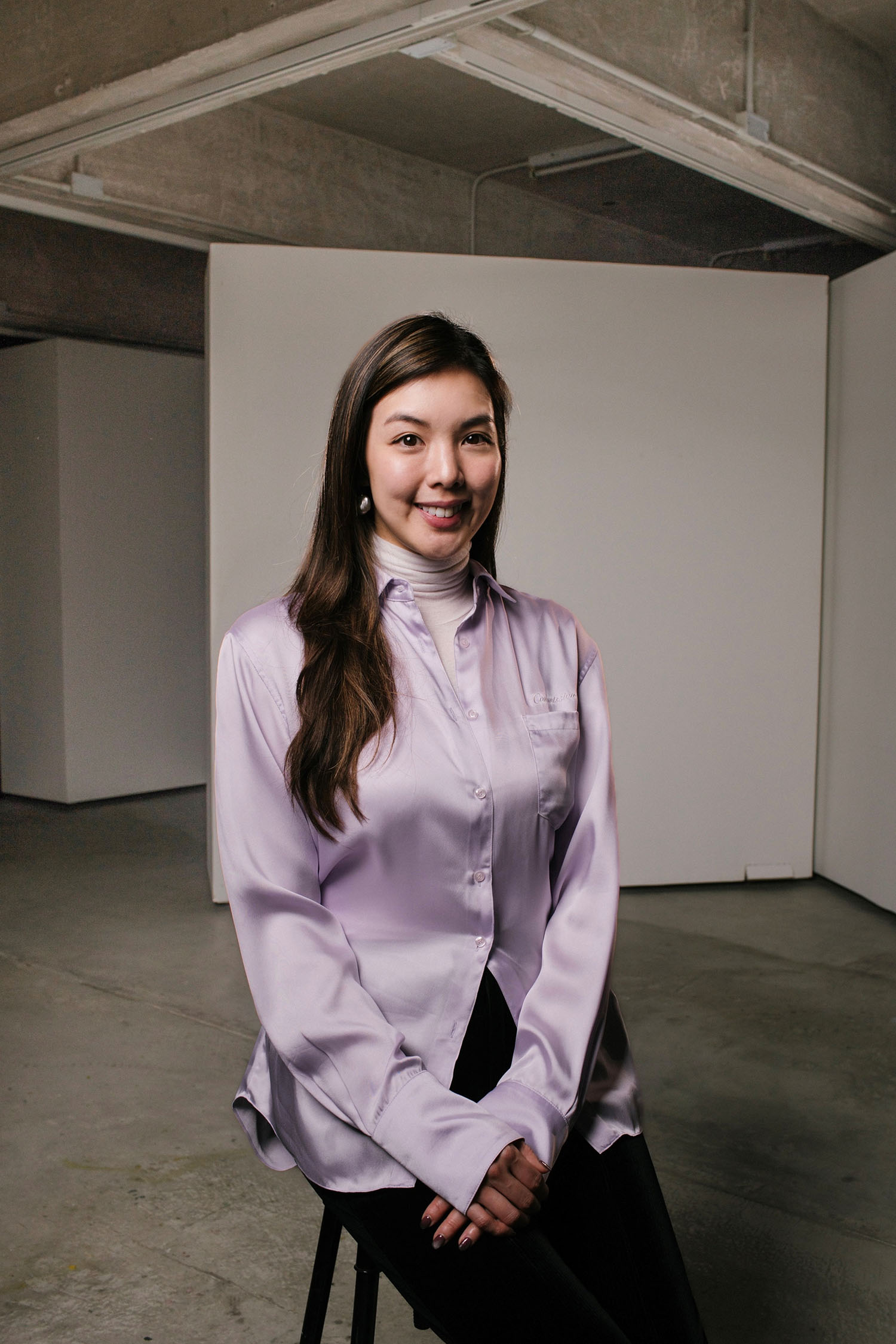
Vera Lam, director, Hart Haus
On supporting Hong Kong women artists with fine-tuning their career trajectory
In recent years we have been able to grow with the women artists supported by Hart Haus in different ways — in terms of nominations for Hong Kong art awards, residency exchanges and so on.
One of our artists, Wu Jiaru (1992-), who has been based in Hart Haus for 7 years, was awarded a six-month residency in New York funded by the Asian Cultural Council in 2023.
Together with renowned art critic John Batten, I nominated Dony Cheng (1993-), a recipient of our Hart Haus studio grant, for the 19th Hong Kong Arts Development Award for Young Artist (Visual Arts), and I am pleased to share that she won the award in 2025. We have provided her with significant exposure, including the commissioning her work for the Supper Club Hong Kong 2025 at H Queen’s, which received extensive attention from private collectors and overseas audiences.
On whether offering the Hart Haus platform to women artists is an imperative
As a woman in arts leadership and a curator of contemporary art since 2013, I have witnessed significant opportunities for emerging women artists. It is essential to give a certain amount of support and seek opportunities to elevate women’s voices within the art communities. By providing a platform like Hart Haus and our associated programs that foster inclusivity and creativity, we can facilitate the growth and recognition of these talented artists, contributing to a more equitable and diverse art landscape.
The responses from the interviewees have been edited for length and clarity.
