

Local lenders lean into new quality productive forces to power five-year development goals
As China prepares its 15th Five-Year Plan (2026-30), policymakers have underscored the importance of pursuing high-quality development, advancing new quality productive forces in line with local conditions and accelerating the cultivation of new growth drivers to upgrade the economic structure.
At the annual Central Economic Work Conference in Beijing from Wednesday to Thursday, it was noted that China will guide financial institutions to scale up support for domestic demand expansion, sci-tech innovation, micro, small and medium enterprises, and other key areas.
In Zhejiang province, local financial regulators have made nurturing these new quality productive forces a top priority, encouraging the banking sector to strengthen financial support for innovation-led growth.
READ MORE: Conference sets economic priorities for 2026
Over the past few years, under the guidance of regulators, banking institutions in Zhejiang have pursued the goal of high-quality growth in technology finance. Banks across the province have launched new financial service models, empowering tech-based enterprises, integrating capital, innovation and industrial chains, and providing solid financial backing for emerging industries, said Qian Wei, full-time vice-president of the Zhejiang Association of Banks.
Headquartered in Hangzhou, capital of Zhejiang, Star Airlines is the province's largest manufacturer of unmanned helicopters and a leading provider of unmanned aerial vehicle platforms and application solutions. Its products serve a wide range of sectors, including agriculture, forestry, emergency rescue and logistics, with more than 320 utility patents in areas such as air-ground operations and engine design.
The company has production bases in China and overseas operation centers in Hungary, Dubai and Singapore. It has developed an automated UAV production line that reduces production times by 60 percent.
"Our R&D investment is substantial — between 80 million yuan ($11.3 million) and 100 million yuan each year," said Chen Luodan, chairman of Star Airlines.
"We need continuous support from banks to bring our latest products to market quickly and capture first-mover advantages. It's quite surprising that a major bank like Bank of China can issue loans to high-tech firms like ours in just two or three days."
Zhou Jun, deputy general manager of Bank of China's Hangzhou branch, said Star Airlines has entered a stable growth phase, with solid revenue and mature sales channels. The bank has extended 45 million yuan in unsecured credit to five of its subsidiaries to support R&D and production.
"As the company scales up, it may seek an IPO," Zhou said. "As a full-license bank, we can leverage our subsidiaries in insurance, leasing, investment and securities to provide comprehensive financial services, from IPO advisory to investment-loan linkage."
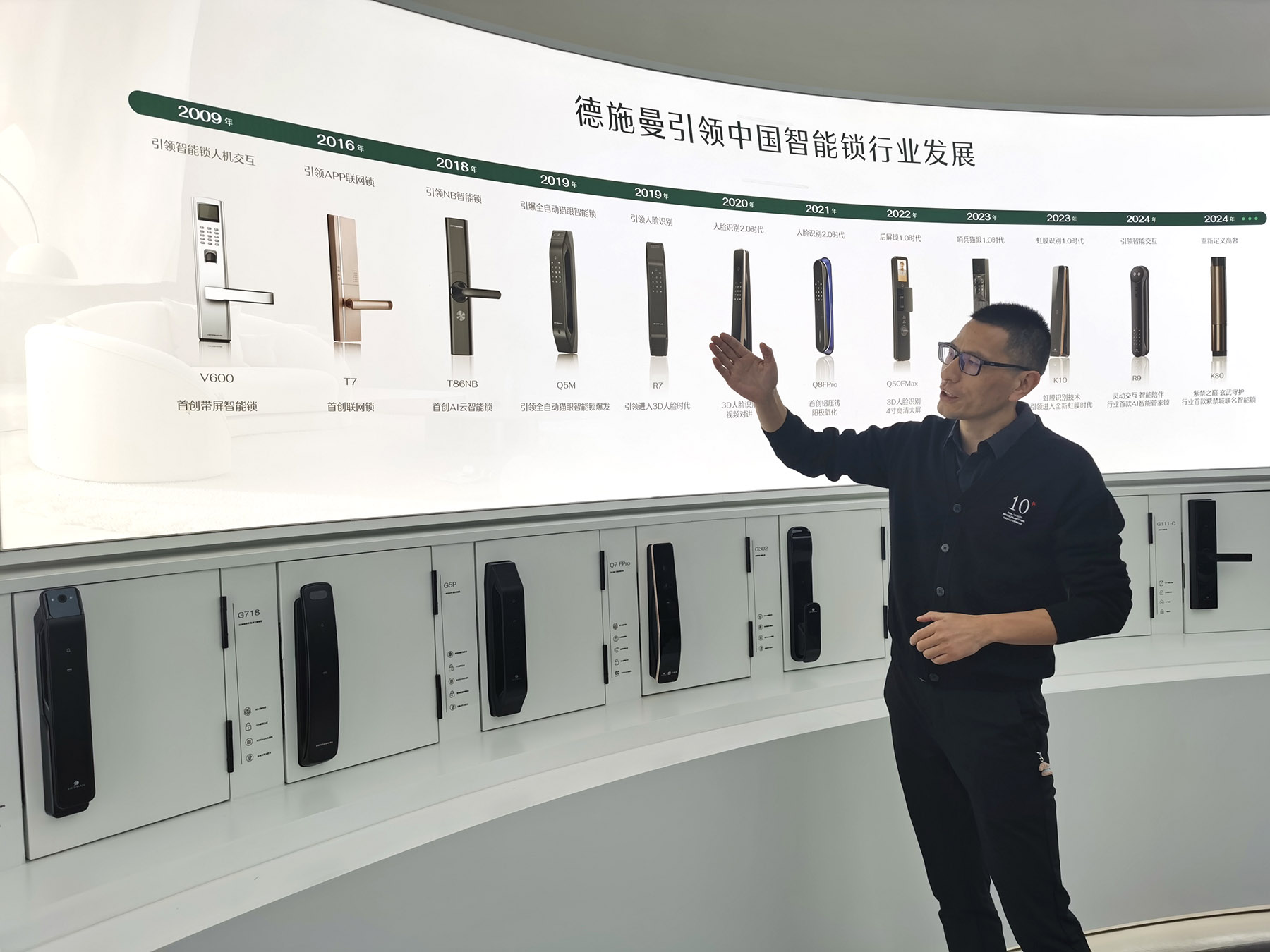
Leapmotor is a tech-driven intelligent electric vehicle company based in Hangzhou. It is engaged in the design, research and development, and manufacture of intelligent EVs, as well as the development of assisted driving, electric motor control, battery systems and cloud computing-based vehicle networking solutions. As of September, Leapmotor had established over 1,700 sales and service outlets worldwide, with cumulative deliveries surpassing 1 million units.
To support the company's extensive procurement network of small suppliers, the Hangzhou branch of Bank of Jiangsu said it can design and provide a supply chain financing plan tailored to the company's operations in the future.
Stellantis, a Hoofddorp, Netherlands-based automaker, invested in Leapmotor in 2023. The two companies formed a joint venture in May 2024 to explore the international market. Bank of Jiangsu Hangzhou branch plans to provide import and export bill financing and foreign exchange derivatives to help Leapmotor manage exchange rate risks and maintain liquidity. The bank will follow the project's progress and expand lending support as Leapmotor advances construction of a production base for vehicles and core components.
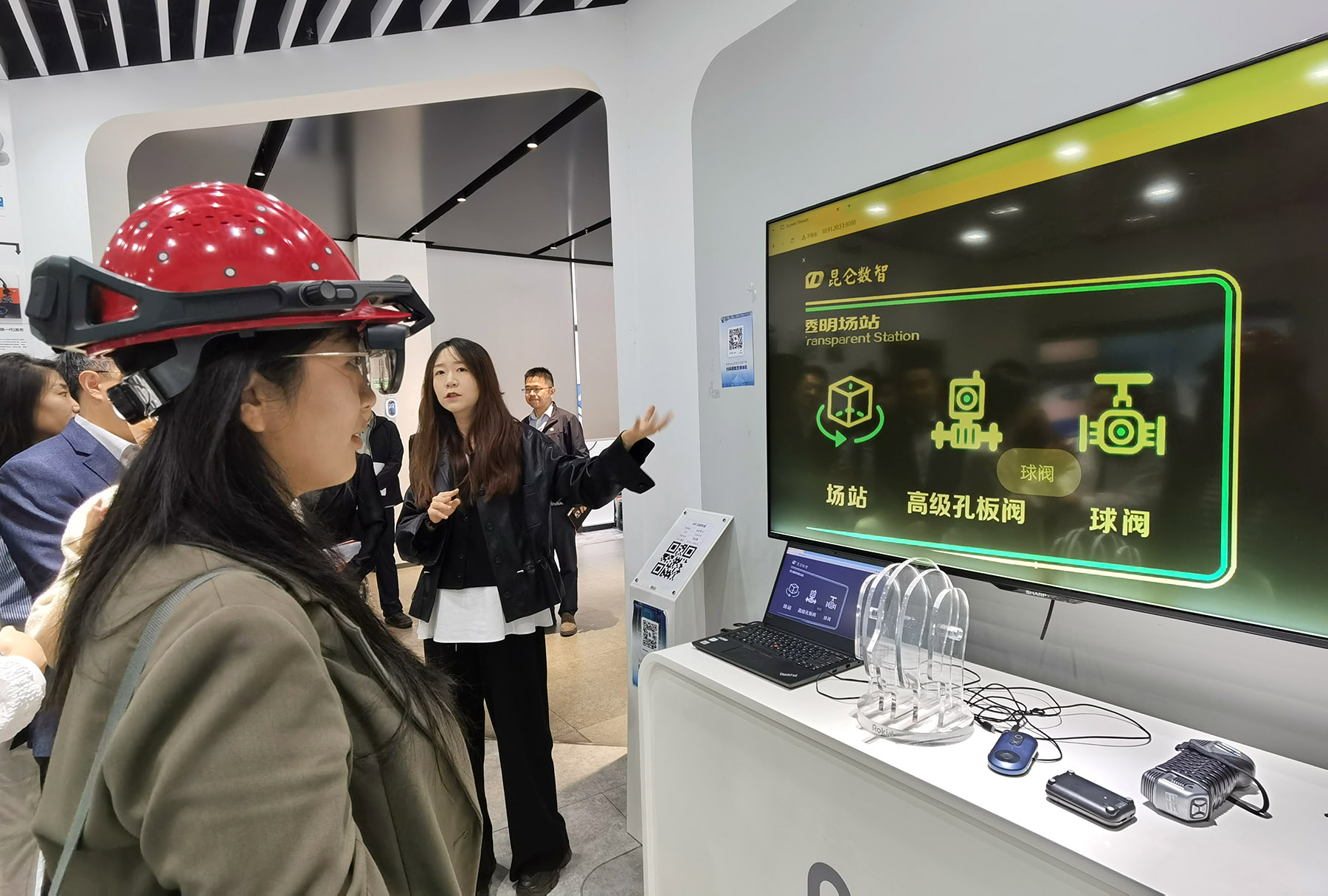
Hangzhou Lingban Technology Ltd, a leading company in augmented reality and artificial intelligence, specializes in developing hardware and software solutions that integrate 5G, AI and AR technologies. The company holds over 170 authorized utility patents, and its products are sold in more than 80 countries, serving clients from Sany Heavy Industry to Midea and establishing a presence on e-commerce platforms such as Tmall, JD and Amazon.
In the cultural tourism sector, it collaborates with the Capital Museum in Beijing and the Zhejiang Provincial Museum. With the launch of its Rokid Glasses — lightweight AR smart glasses equipped with micro-LED displays — the company expects its annual output value to reach 600 million yuan in 2025.
Having raised over 2 billion yuan from investors such as Temasek, IDG Capital and Haitong Securities, Lingban also received strong financial backing from Bank of Shanghai, which provided a 100 million yuan unsecured working capital loan.
The first 40 million yuan tranche was used for payroll and component procurement. The bank also plans to support the company's supply chain financing and cross-border payments, while offering R&D loans and IPO preparation assistance in the future.
"We've established a 'green passage' system for credit approval for tech enterprises and developed standardized rating models that evaluate tech startups from eight dimensions, including corporate qualifications, team strength and R&D investment," said Chen Lifen, deputy general manager of Bank of Shanghai's Hangzhou branch. "We're shifting from traditional lending approaches to adopting an investment banking mindset when evaluating technology-based innovation companies."
Zhejiang Desman Intelligent Technology Co Ltd, a leading manufacturer of high-end smart door locks, has obtained more than 200 authorized patents and 264 registered trademarks. From 2021 to 2023, its high-end products ranked first globally in both sales and market share.
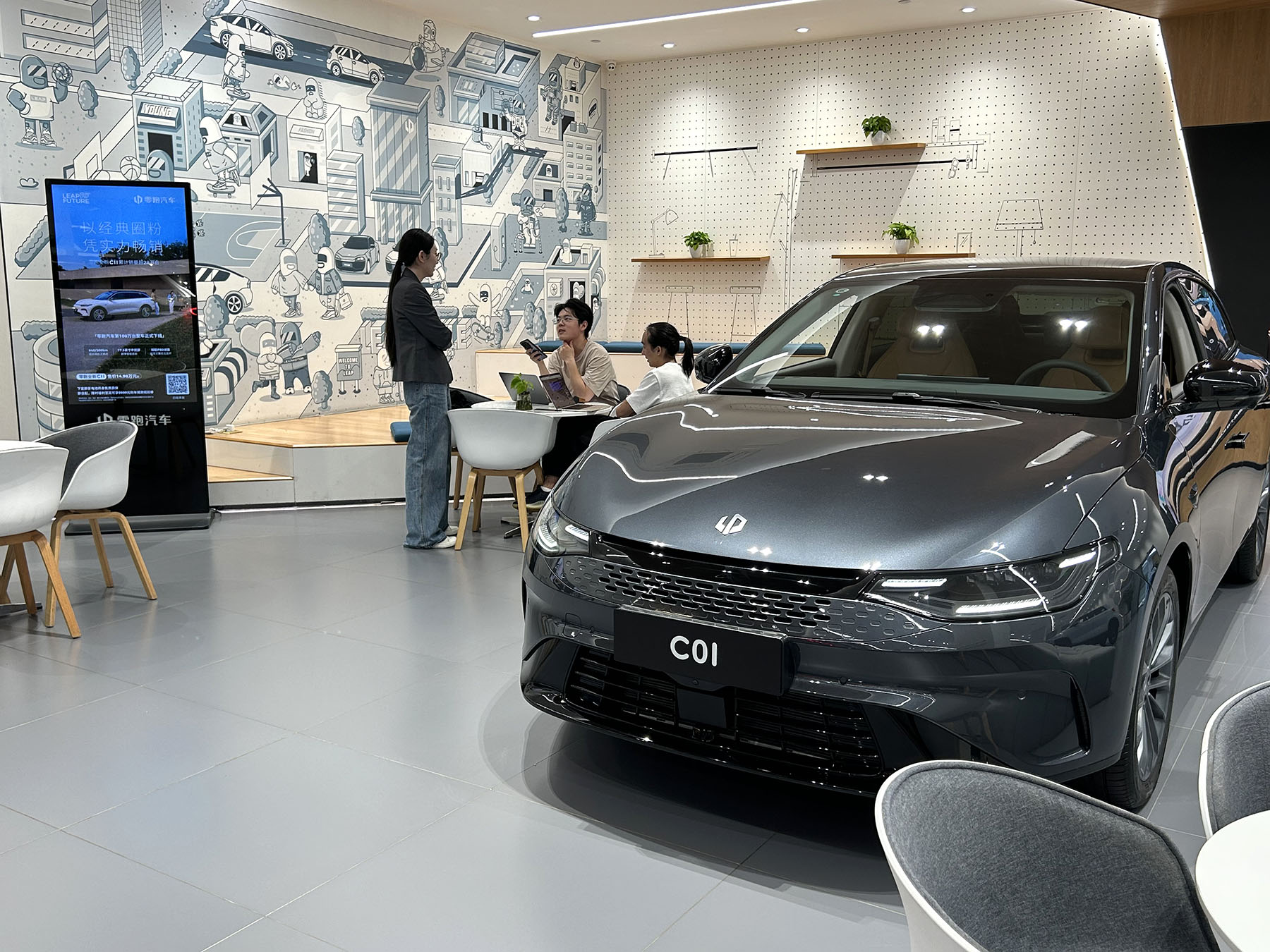
During a key expansion phase in 2024, Desman faced limited credit and high financing costs due to a lack of collateral, which hampered funding efficiency and squeezed profits under traditional financing models. The Export-Import Bank of China Zhejiang branch stepped in with a loan secured by three core patents, breaking the financing barrier and speeding up approvals. The move also prompted other lenders to follow suit, lowering the company's overall financing costs.
In the first six months, Desman's operating revenue doubled year-on-year, while its cross-border business recorded a significant month-on-month compound growth rate.
Lu Meihua, deputy general manager of China Eximbank's Zhejiang branch, explained the bank's selection criteria for tech company clients. "We look at the entrepreneur and team, the industry's potential and the business model."
Desman's founder is an entrepreneur with proven success. The smart lock industry serves millions of households and has huge growth potential. The company emphasizes long-term value and conducts 60 percent of its sales through online platforms like Tmall, JD and Douyin, minimizing receivables and protecting loan safety, Lu said.
"For banks, it's important to build relationships before a company becomes successful, not after," he added.
As of the end of September, China Eximbank's Zhejiang branch had an outstanding loan balance of nearly 2 billion yuan for specialized, refined, distinctive and innovative "little giant" enterprises.
Kanglin Biotec (Hangzhou) Co Ltd develops gene therapies for diseases such as Parkinson's, AIDS and hemophilia, and was recognized in 2023 as a national-level "little giant" enterprise. Its KL003 gene therapy targets transfusion-dependent beta-thalassemia patients.
Founder Wu Haoquan, with a PhD in genetics from Fudan University, received early-stage financing from China Zheshang Bank, or CZBank, which used human capital as a key factor in its credit assessment. The bank provided 5 million yuan for initial R&D in 2019 and increased the line of credit to 30 million yuan last year after evaluating the successful clinical results and social value of KL003.
CZBank has been offering technology financial services since 2016. In January 2024, CZBank launched a technology finance initiative aimed at fostering new quality productive forces. The bank has established dedicated technology finance departments at both its head office and branch levels, along with a specialized review center at its head office. Over the next three years, CZBank plans to set up 100 specialized teams dedicated to serving sci-tech enterprises.
ALSO READ: China to prioritize innovation, AI in 2026 economic agenda
In April, the bank introduced a financial services solution focusing on 15 lifecycle scenarios for technology enterprises, with 30 tailored financial products. For early-stage firms, the risk model is shifting from emphasizing financial metrics to assessing social value.
"Biomedicine is crucial to human progress, and we're deeply committed to supporting it," said Li Lin, deputy general manager of CZBank's corporate department.
"When a father of a person with beta-thalassemia said, 'My world has light again,' after his child was cured, we were deeply moved. That's what technology finance is all about."
By the end of September, CZBank had served more than 35,000 tech enterprises, with outstanding loans exceeding 460 billion yuan.
"In the past, lending relied heavily on collateral. But as the economy slowed and real estate prices fell, the risks faced by many small businesses are gradually coming to light. Consequently, banks will place greater emphasis on business operations in their future lending practices," said Wang Jie, an account manager at CZBank's Yuquan subbranch in Hangzhou.
"Most tech-based innovation companies focus on new products and technologies, with market demand exceeding that of traditional industries. They demonstrate greater resilience in the current economic climate," Wang said.
Contact the writers at jiangxueqing@chinadaily.com.cn
