

Region can advance cooperation in sector, foster East-West medical integration, forum hears
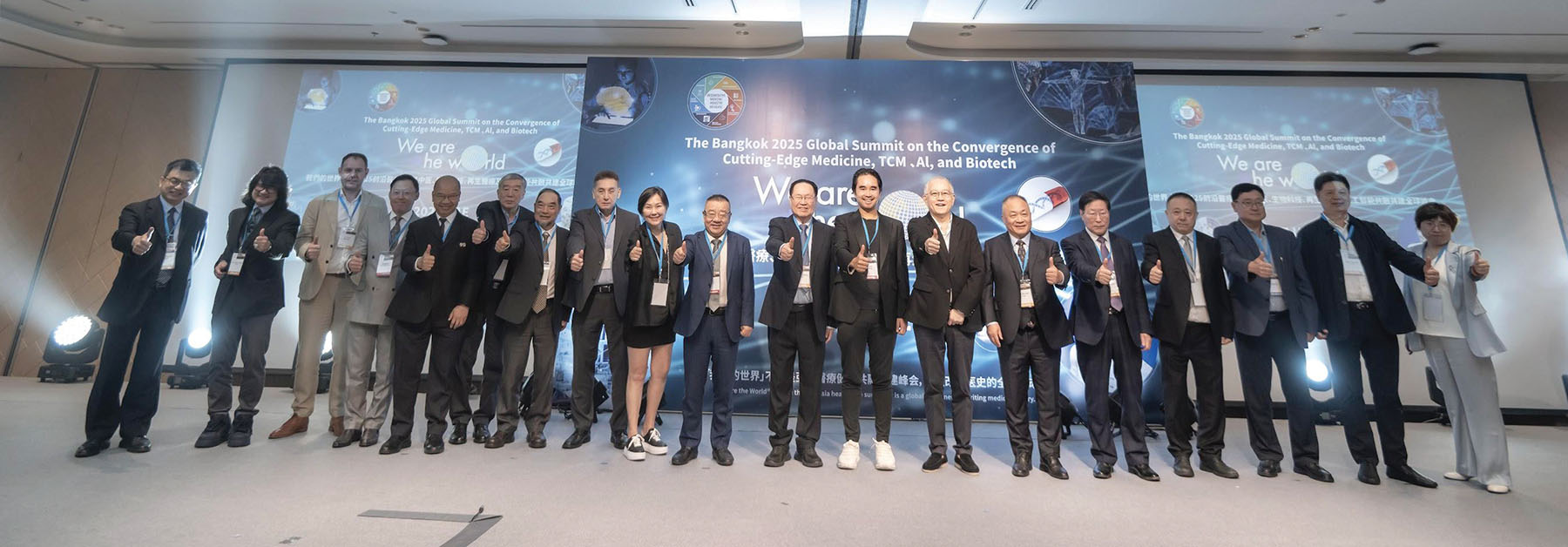
Asia is poised to make a bigger contribution to advancing international healthcare cooperation, a forum in Bangkok heard, with experts calling for inclusive solutions through co-creation and multidisciplinary approaches.
Despite unprecedented development in medical technology, global challenges are becoming more severe, with cancer, Alzheimer’s, diabetes, and other chronic diseases continuing to persist, said Adrian Cheng Chi-kong, founder of the Almad Group investment firm and the K11 by AC cultural brand based in the Hong Kong Special Administrative Region of China.
“Only by deeply integrating traditional Chinese medicine (TCM) with biotechnology, regenerative medicine, and AI, and ensuring these cutting-edge technologies are embraced by mainstream healthcare systems, government insurance, and private insurers, can we address actual clinical needs,” said Cheng.
He made the remarks during the “We Are The World (WATW) Bangkok 2025 — Global Biohealth, AI Innovation and Traditional Medicine Fusion Cooperation Summit”, which was held in the Thai capital from Nov 9 to 11.
Organized by WATW, a non-profit global health platform launched by Cheng and partners in October, the summit brought together experts from various disciplines to exchange ideas on key health areas, including cancer and diabetes, chronic pain, and neurological disorders, as well as wellness, longevity, and mental health.
A joint research initiative — the “Medic Warriors Alliance” — was launched during the summit to establish a human health integration and co-construction community.
WATW aims to unite expertise from across the world to address gaps in existing medical systems and collectively build a comprehensive health security network for the benefit of all mankind.
“Just as the ancient Maritime Silk Road connected our civilizations, today we must build a new ‘Health Silk Road’,” said Phinij Jarusombat, former deputy prime minister and minister of public health of Thailand, at the opening ceremony.
He said the “Health Silk Road” should be “one that allows knowledge, innovation and care to flow freely”.
Phinij added that he believes that true progress in healthcare lies in the integration of East and West, tradition and innovation, and the public and private sectors.
Yan Lijin, chairman of the China Silk Road Group and executive vice-chairman of the Traditional Chinese Medicine Culture Congress, announced the congress’ collaboration with WATW.
“With Asia as our starting point, let us use the core values of TCM as the key, and leverage digital technology as our bridge … to pass this precious heritage of China to the world as shared efforts to enhance well-being for all,” Yan said in his speech.
As the event’s co-organizer, Sranyoo Chanate, CEO of Kluaynamthai Hospital in Bangkok, said that the hospital has been using traditional Thai and Chinese medicine to treat the elderly, and he believes that integrating modern treatment methods and TCM will be the future of medicine.
Sorapoj Techakraisri, CEO of PACE Development Corporation, a major project development company in Thailand, expressed gratitude at the summit. He said that the event not only gathered leaders from various medical fields to discuss and share the latest medical technologies and clinical cases but also integrated TCM, Western medicine, regenerative medicine, which can help provide clinical solutions for the treatment of chronic diseases, promote healthy living, and extend lifespan.
At the "We Are the World" Global Summit, co-founder Michael Chin shared the vision of WATW, which is aimed at raising public awareness and transparency in healthcare. He emphasized that only truth and transparency can break the long-standing information barriers in the current medical system, making Asia a beacon of hope for global health.
Chin, along with his wife and co-founder Josephine Ko, shared their personal struggles within the existing healthcare system, detailing the challenges and despair they faced while seeking effective treatments.
By integrating traditional Chinese medicine, Western medicine, and regenerative medicine, they ultimately found a path to recovery and renewed hope.
This personal insight inspired one of the summit's initiatives: a gathering of leading experts from around the world in medicine, traditional Chinese medicine, and regenerative medicine, to hold “Historic Integrative Health Roundtable”, fostering collaborative development.
The experts include Michael Yao, who received the FDA Outstanding Service Award in 2017 from the United States Food and Drug Administration.
Safety was highlighted as the critical topic at the summit, underscoring the necessity of clinical trial regulations across different countries. Participants agreed that traditional Chinese medicine and regenerative medicine must adhere to national regulatory frameworks and follow standardized clinical trial and case approval processes, enabling practitioners to safely address longevity, chronic diseases, cancer, and various pain issues.
“Let us work together to break the information barriers and establish a healthy future for ourselves and the next generation. This is not only a global health summit and we are rewriting the history of health industry together,” Chin said.
Zhang Minghui, director of the Cell Therapy Research Laboratory at the School of Basic Medical Sciences of China’s Tsinghua University, said modern medicine has limitations in addressing sophisticated diseases, and there is potential to overcome major illnesses like cancer and other chronic diseases by integrating modern technology with TCM.
“This is particularly evident in the field of oncology,” Zhang told China Daily.
“While surgery and radiotherapy or chemotherapy can address the acute phase of tumors, the subsequent recovery crucially depends on mobilizing the patient’s immune system,” said Zhang, who was one of the speakers at the event.
Noting that enhancing immunity is at the core of TCM, Zhang said that only through the integration of modern medicine, biotech, innovative technologies, and TCM can there be any real hope of overcoming major diseases such as cancer.
Lin Zhixiu, director of the School of Chinese Medicine and the Hong Kong Institute of Integrative Medicine at The Chinese University of Hong Kong, said it is important to transform the current medical system through the integration of Chinese and Western medicine as well as technological innovation.
This will eventually help reduce not only the burden for patients, but also for the healthcare system and the entire society, he said.
Liu Tianran, partner of healthcare venture capital firm Vertex Ventures China, said the summit is a timely platform for a crucial shift that moves the center of gravity from the West to Asia for solving global challenges such as healthcare access.
She said the summit can bridge key gaps in healthcare by connecting capital with innovators and academics, aligning regulators with technologists, and translating lab breakthroughs into real world impact.
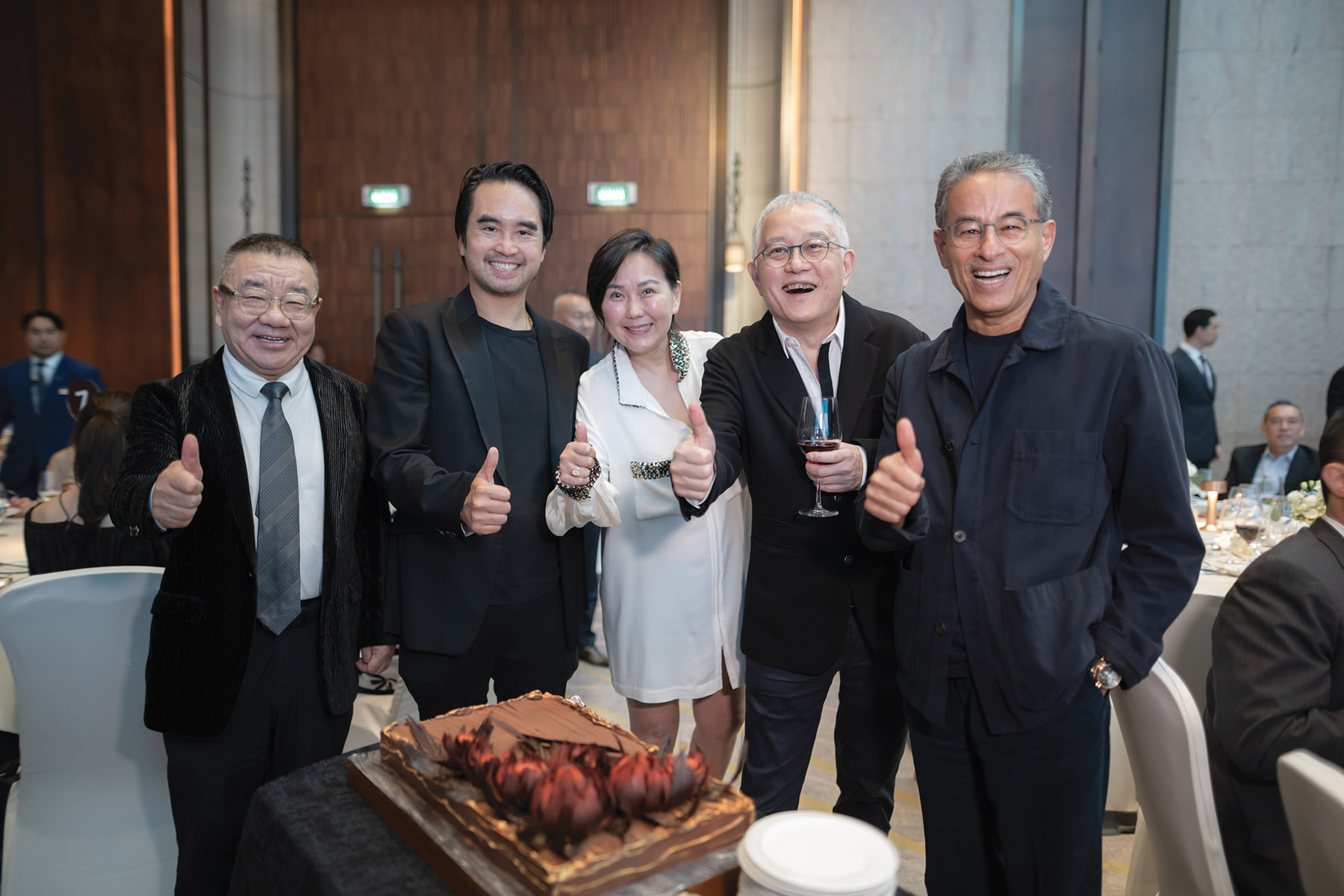
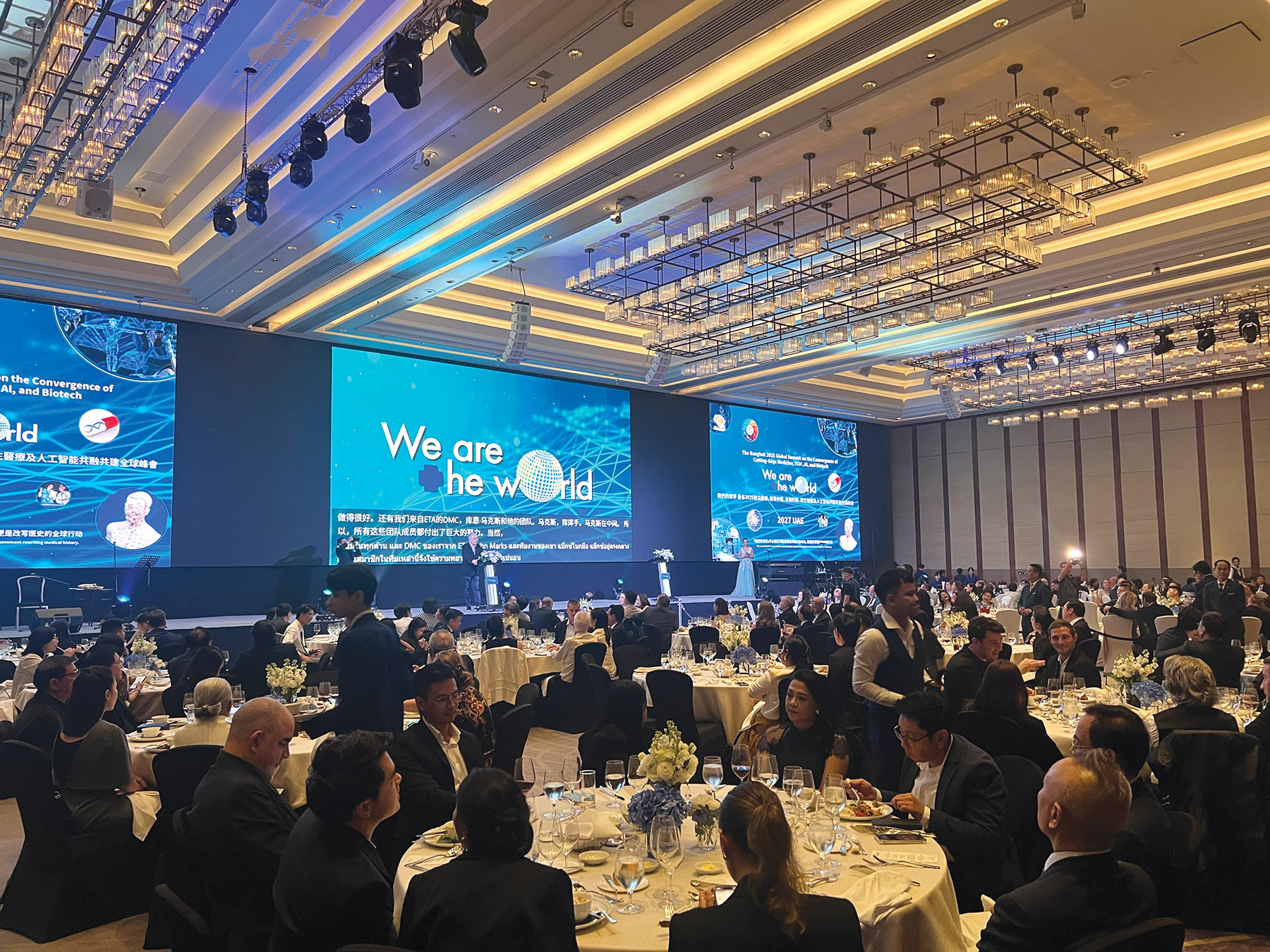
On the last day of the event, a gala dinner was held with the participation of 300 guests, including consuls from over 20 countries. Top business leaders, including Mohamed Alabbar, founder of major Dubai real estate developer Emaar Properties, and representatives from economics and trade associations were also among the participants.
An award ceremony was also held to recognize the contributions of 18 leading medical experts in the areas of oncology treatment and immunology, gene therapy and biotech, stem cells and regenerative medicine, surgery and cell therapy, anti-aging and integrative medicine, TCM and integrative medicine, the globalization of TCM, as well as the inheritance and innovation of TCM culture.
“Integration is the future,” said Cheng, the Hong Kong entrepreneur and WATW co-founder.
He called on participants to continue to work jointly for the integration of wisdom from both the East and West while uniting the strength and innovation of both the public and private sectors, helping create a healthier and more equitable future for all humanity to ensure that no one is left behind in the pursuit of health and well-being.
In an interview with China Daily, Cheng said Asia, as a region thriving both in population and economy, has a growing need for advanced medical treatment and innovation, making it an ideal hub for healthcare cooperation and development.
The next summit is expected to be held in the United Arab Emirates in 2027, according to the organizer.
Contact the writers at kelly@chinadailyapac.com
