

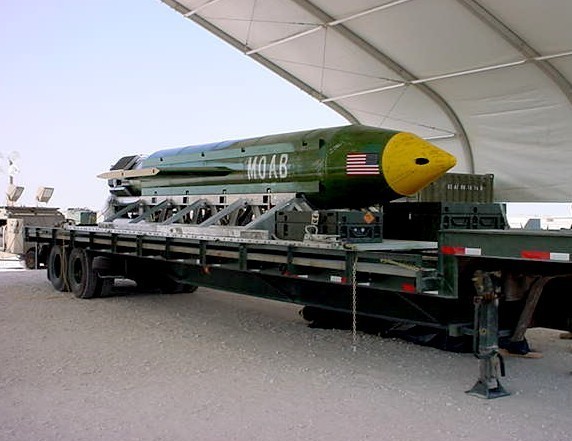
WASHINGTON/JERUSALEM/TEHRAN/BAGHDAD – The US military has developed new strike plans that could involve using the so-called "Mother of All Bombs" (MOAB) to target Iranian energy infrastructure and nuclear sites if President Donald Trump orders a resumption of combat operations, either before or after the midterm elections, CNN reported Thursday, citing multiple US officials familiar with the matter.
"Using the GBU-43/B Massive Ordnance Air Blast Bomb or MOAB, the largest non-nuclear bomb in the US arsenal, for the first time in the conflict with Iran would mark a notable escalation, even though there are doubts over how effective it would be in accomplishing any of Trump's stated strategic objectives or tipping the balance of the war," the report said, citing multiple sources familiar with internal military planning discussions about potentially deploying the weapon.
The development comes amid continued tensions between Washington and Tehran despite diplomatic efforts to end the conflict.
ALSO READ: Trump says US won't attack Iran before midterm elections
On Oct 8, Trump said that the United States would not launch new attacks on Iran before the Nov 3 midterm elections, citing ongoing discussions with Iranian officials, while leaving open the possibility of further military action afterward.
The current conflict has also raised concerns over regional security and global energy supplies, particularly around the Strait of Hormuz, a strategic waterway through which a substantial share of the world's oil shipments passed before the war.
The MOAB, weighing about 21,000 pounds (9,525 kg), is designed to destroy targets across a large area.
Netanyahu: Preemptive strike on Iran inconvenient before Oct 27 polls
Israeli Prime Minister Benjamin Netanyahu said on Wednesday that launching a preemptive strike on Iran ahead of the Oct 27 parliamentary elections would be "inconvenient" for Israel, while warning of possible attacks against the country in the coming days.
Speaking to Israel's Army Radio, Netanyahu said Iran-backed proxies were seeking to fire rockets and carry out attacks against Israel.
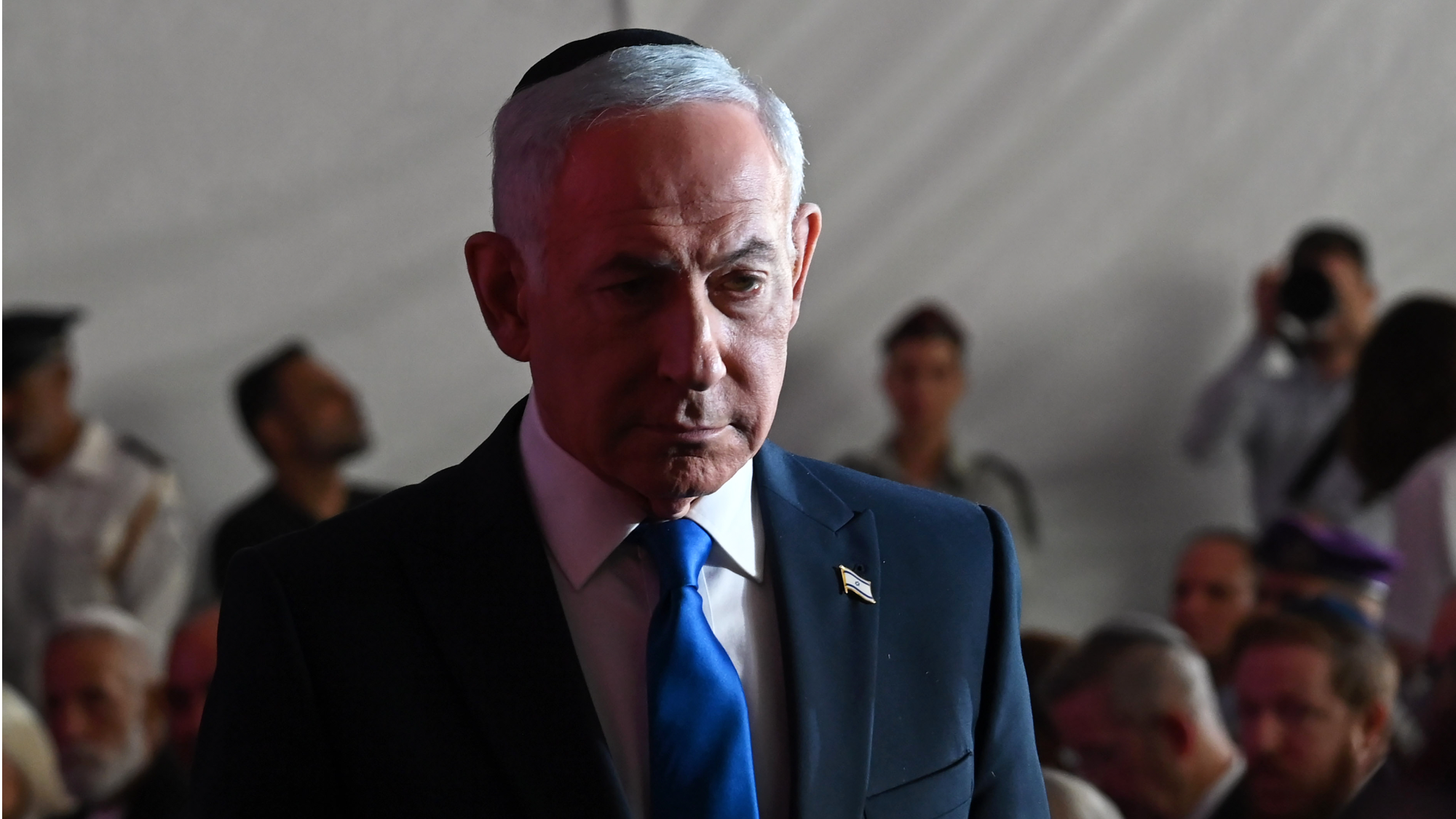
Netanyahu had been making similar warnings recently. On Sept 29, he said there were indications that Israel's enemies could try to carry out an attack ahead of the election, warning that "Don't mess with us. Our long arm will reach you anywhere and at any time."
Netanyahu is seeking a record seventh term in Israel's October election, with opinion polls showing his Likud party trailing its main centrist rival.
IRGC: Ship sank after hitting naval mine
Meanwhile, the navy of Iran's Islamic Revolutionary Guard Corps announced on Wednesday that a "violating" container ship attempting to pass through the Strait of Hormuz via an "unauthorized and high-risk" route sank earlier in the day after hitting a naval mine south of the waterway.
In a statement published on the IRGC's official news outlet Sepah News, the navy said the ship, carrying over 2,500 containers, suffered an explosion and caught fire after striking the mine.

It urged vessels and fishing boats in the area to exercise extreme caution to avoid colliding with containers floating in the water.
Speaking to state-run IRIB TV on Tuesday, IRGC Navy commander Ali Azmaei said that the IRGC Navy is controlling the Gulf and the Strait of Hormuz "round the clock," while the Gulf of Oman is under the control and supervision of the Iranian Army's Navy.
"Iran's maritime borders enjoy an unprecedented level of security," he said.
ALSO READ: Iranian official: US accepted some of Iran's conditions, status of others unclear
Azmaei said vessels seeking to cross the Gulf and the Strait of Hormuz must obtain authorization "and be accountable based on international regulations," warning that those violating shipping rules under US "deception or provocation" would face a decisive response from Iran.
Iran tightened its grip on the Strait of Hormuz on Feb 28, barring safe passage of vessels belonging to or affiliated with Israel and the United States following their joint strikes on Iranian territory.
Iraqi PM, Saudi crown prince meet over regional tensions
In Riyadh, Iraqi Prime Minister Ali al-Zaidi met Wednesday with Saudi Crown Prince and Prime Minister Mohammed bin Salman bin Abdulaziz Al Saud to discuss regional security developments, according to a statement issued by al-Zaidi's media office.
During the meeting, al-Zaidi condemned the Houthi attack on King Khalid International Airport in Riyadh, emphasizing the threat such actions pose to regional security and stability, the statement read.
Al-Zaidi also reiterated Iraq's commitment to good neighborliness and respect for national sovereignty, according to the statement.
READ MORE: Houthis hit Riyadh's main airport again
The Saudi crown prince, for his part, voiced support for Iraq's efforts to promote regional dialogue and stability, it added.
The meeting came amid heightened regional tensions, including continued tensions surrounding the Strait of Hormuz and sharply escalating military clashes between the Saudi-led coalition and Yemen's Houthis.
