

Two top leaders of India’s “Cockroach” protest movement were arrested and sent to jail for five days as a standoff with authorities intensified over a contentious voter-roll revision.
Saurav Das and Ashutosh Ranka were detained after they jumped barricades to enter Jantar Mantar, a historic protest venue in central New Delhi. Police later arrested the two on charges including trespassing.
Das and Ranka were produced before a judge on Wednesday and remanded to five days of judicial custody, the Delhi Police said in a statement. The pair are prominent faces of the Cockroach Janta Party, a youth-led pressure group that has been protesting the voter-roll overhaul and demanding the resignation of Chief Election Commissioner Gyanesh Kumar.
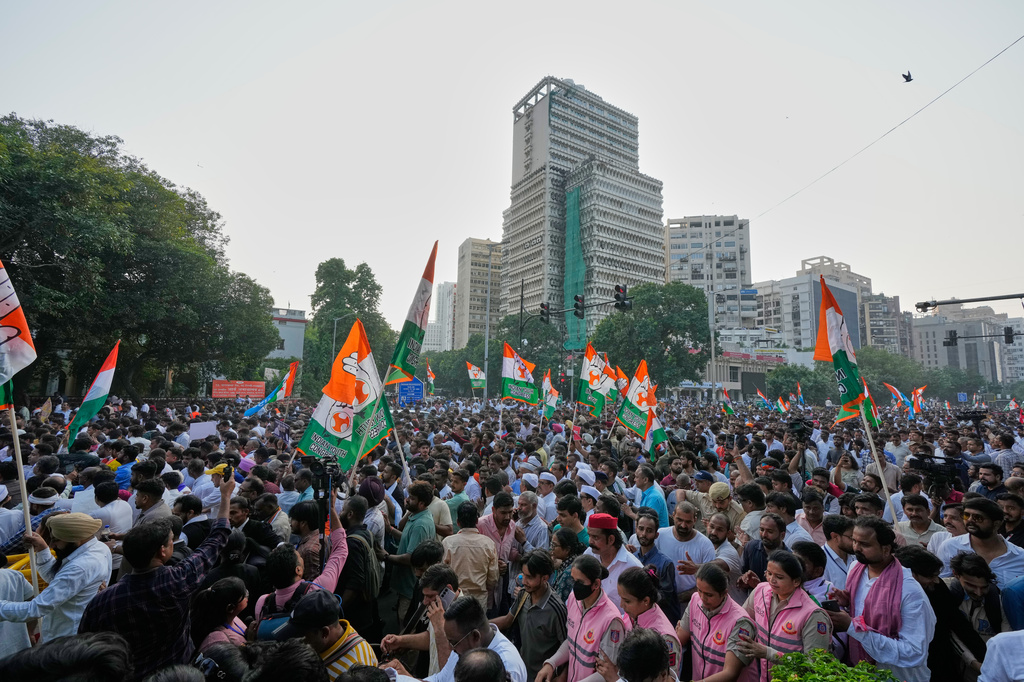
Political tensions have been building for weeks in India, with opposition parties and activist groups staging demonstrations over allegations that voter rolls have been manipulated to benefit the ruling party. Authorities have responded with heavy police deployments, road barricades and repeated detentions of protest leaders.
Jantar Mantar has emerged as a particular flashpoint. Delhi Police on Monday removed its designation as a protest site and named three alternative venues elsewhere in the city. The decision drew criticism from the CJP and other protesters, who had been trying to demonstrate at Jantar Mantar since the weekend.
The ongoing dispute adds to political tensions for Prime Minister Narendra Modi’s government ahead of key state elections, including next year’s vote in Uttar Pradesh, India’s most populous state.
Modi hasn’t publicly commented on the latest protests. Top leaders from his Bharatiya Janata Party have defended the voter-roll revision and accused opposition parties of attempting to undermine democratic institutions.
ALSO READ: India detains top 'cockroach' leaders after flash protest
Home Minister Amit Shah on Tuesday said opposition Congress leader Rahul Gandhi should “introspect” rather than blame the Election Commission or the voter-roll revision for his party’s electoral setbacks.
The controversy erupted in late September after an investigation by The Indian Express reported that Kumar had disregarded concerns raised by the other two election commissioners over the revision of voter lists. More than 130 million names were removed from draft electoral rolls, fueling allegations by opposition parties that eligible voters were being excluded.
The Election Commission has denied allegations of wrongdoing, saying its decisions were unanimous and that differing views among commissioners are part of the decision making process.
The opposition also filed a petition in the Supreme Court this week after thousands of protesters marched through New Delhi. It asked the top court to halt the revision of electoral rolls, investigate alleged irregularities and examine whether Kumar acted without the approval of his fellow commissioners.
The protesters are drawing support from farmers’ groups. Samyukt Kisan Morcha, a coalition of farmers’ organizations, announced nationwide demonstrations on Oct 23 at district and subdistrict levels.
The latest dispute adds to the challenges facing Modi after thousands of students took to the streets in July over exam irregularities, culminating in the education minister’s resignation.
The unrest also comes at a difficult moment for the economy, with the government seeking to bolster investor confidence and boost growth. Indian equities have slumped, while the rupee is among Asia’s worst-performing currencies this year.
