

Domestic food brands expand reach with localized cuisine, adapted menus, cultural experiences
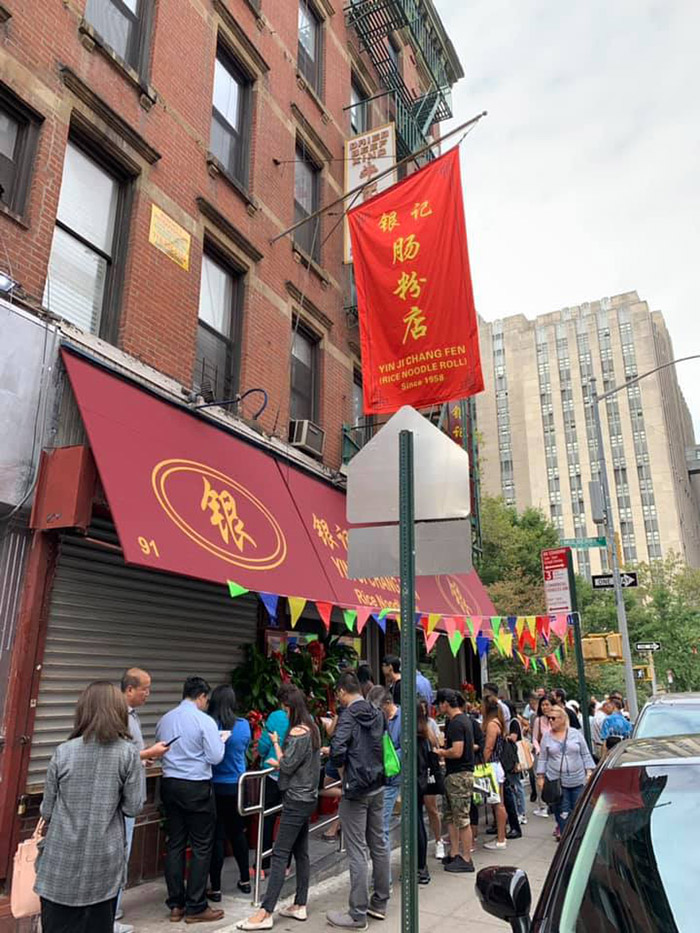
The image of Chinese food abroad is changing as a new generation of restaurant brands arrives overseas with ambitions that stretch far beyond the dimly lit Chinatown restaurants of yesteryear.
The top 50 Chinese catering and new tea-beverage brands collectively operated 6,801 stores abroad by the end of 2025, with 24 opening their first overseas outlets after 2023, according to the China Chain Store and Franchise Association. Today, nearly 700,000 Chinese-owned restaurants operate across more than 180 countries and regions, a trend the Hongcan Industry Research Institute said began in 2023, the first year of the sector's earnest global expansion.
For many of those behind the push, the motivation is as personal as it is commercial.
READ MORE: Chinese restaurant brands rethink recipe for US market
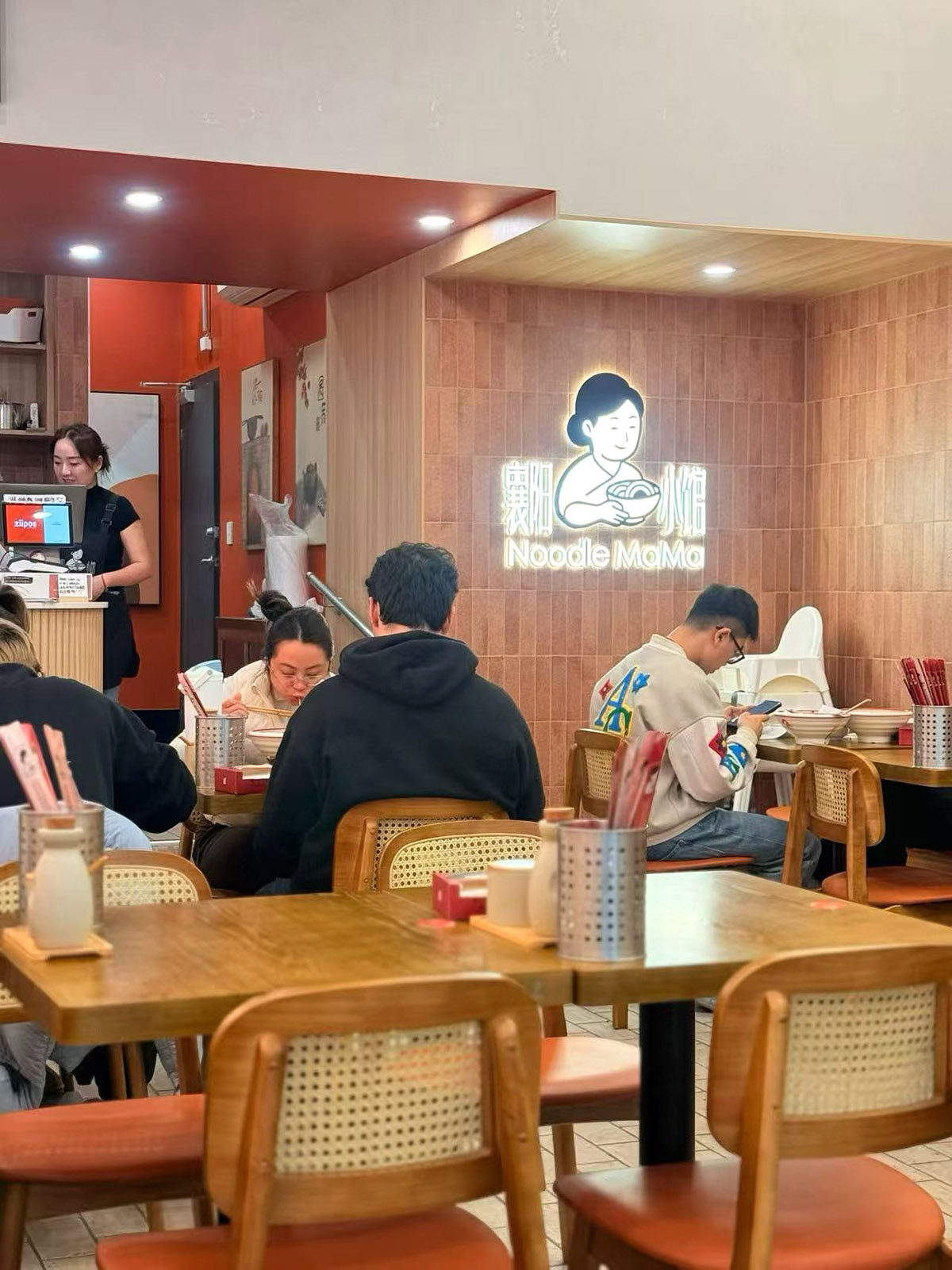
Ma Xuejun, 30, the founder of Noodle MaMa, a restaurant in Melbourne, Australia, specializing in Xiangyang beef noodles, knows this feeling well.
Originally from Xiangyang in Hubei province, she arrived in Australia in 2017 on a working holiday visa before settling down. Ma is currently studying for an MBA at the University of Melbourne, while running a cross-border e-commerce business.
"This restaurant is, in some ways, a gift to my mother, who came to Australia to help look after my daughter but struggled to find a sense of purpose. Opening the restaurant became a way to change that," she said.
Her mother now works in the kitchen and it is her exacting standards that define the restaurant's signature broth. "After closing time, our whole family is still working, rendering the oil, because the real fragrance doesn't come from additives. It comes from hours of slow cooking," said Ma.
The choice to focus on Xiangyang-style noodles — known for its rich beef broth, handmade noodles and chili oil — rather than more familiar Chinese dishes, was deliberate.
"A lot of people asked me: who knows Xiangyang noodles? Why not do something more mainstream? But I've always believed that the more regional a food is, the more vitality it has. Behind every local flavor is culture, memory and human emotion," she said.
The popular restaurant opened in April this year in Melbourne's Balwyn suburb. Australian diners currently make up around 10 percent of customers, and most have become regulars. Many have surprised Ma by embracing the spiciness of the noodles.
"I was watching them nervously the whole time, worried they couldn't handle the heat. However, they told me that is exactly the kind of spicy we like," she said.
North American growth
Toronto-based restaurateur Tang Junhao, 43, moved to Canada with his parents in 2001. With family roots in the restaurant business, he established several Chinese food businesses in Toronto before a phone call from a friend changed everything.
"He asked if I wanted to open a restaurant together," Tang recalled. "I told him the one thing I really wanted to do was bring Guangzhou-style rice noodle rolls to Canada. It's a street food that every person from Guangzhou (Guangdong province) grows up eating, a shared memory. But here, there was nothing like it. Yinji felt like the natural choice."
But bringing Yinji to North America proved far more difficult than expected. At the time, no Chinese restaurant brands had ventured this far.
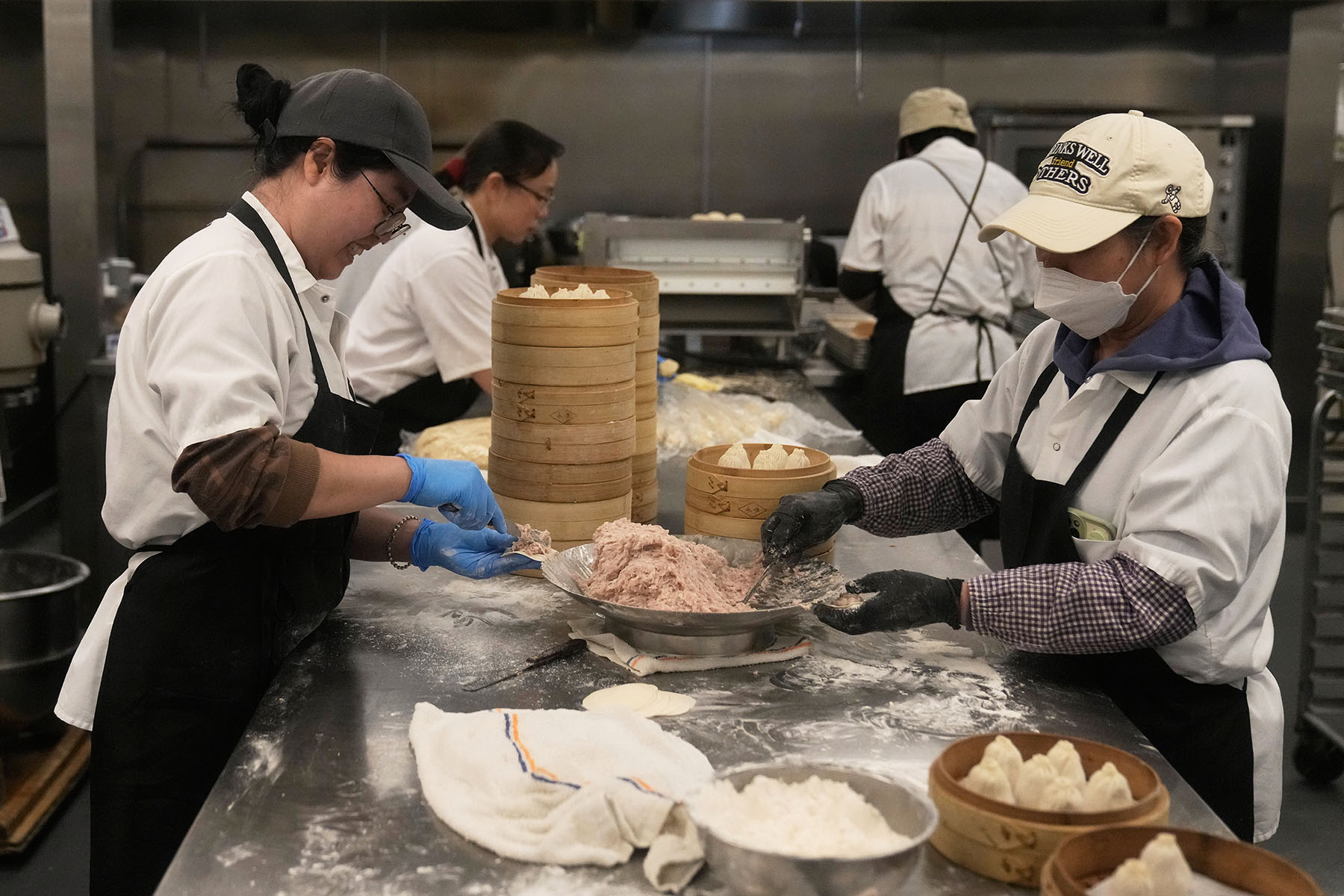
"Almost everything had to be explored from scratch. Ingredient sourcing, equipment standards, food regulations, all completely different. Our head chef Stephen spent a long time in China studying how to recreate the original taste," said Tang, who co-founded the North American operation with two friends.
The hardest period was during the COVID-19 pandemic when business dropped to zero almost overnight. The team survived by pivoting to takeaway, supported by government relief and collective effort.
"We expected mostly Cantonese customers. But many Cantonese diners brought their friends from northern China, and those customers loved it too. Non-Chinese diners gradually became regulars as well," said Tang.
The menu has been adapted with larger portions and additional Cantonese specialties such as Shunde-style marinated fish skin and curry fish balls.
Established Chinese brands carry built-in recognition but also have higher customer expectations, he said. "The cost of getting things wrong is much greater, as customers will immediately compare you to what they remember from back home," said Tang.
The North American Chinese food scene has fundamentally changed over the past decade, he said.
"Chinese restaurants are no longer just late-night spots in Chinatown. They've moved into mainstream shopping malls. Young locals drink bubble tea every day. Business dinners are held at upscale Chinese restaurants," he said.
However, the rapid expansion of brands has also brought new challenges, alongside a sharp decline in the number of immigrants and students from China.
"More brands, fewer Chinese customers, that is the reality we face. Many restaurants have closed in recent years. The pressure is real, but so is the opportunity, for those willing to reinvent their menu or business model to reach a broader market," he said.
Grand scale
While individual restaurateurs have built their presence one store at a time, larger chains are approaching global expansion on a far greater scale.
In 2024, China's Ministry of Commerce and eight other government departments jointly issued guidelines supporting Chinese restaurant brands opening overseas markets.
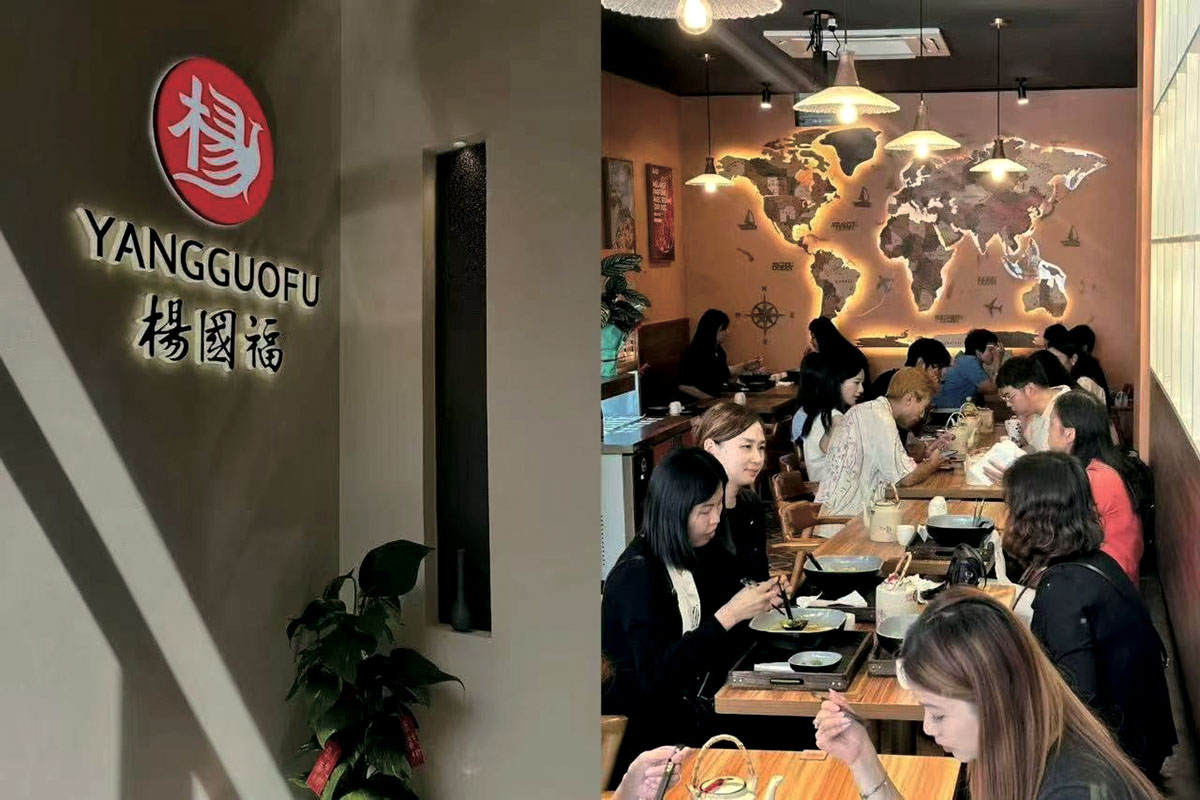
Yangguofu Malatang has become one of the most recognizable Chinese food chains internationally, with nearly 7,000 stores worldwide, including about 200 overseas across more than 20 countries and regions by late 2025.
Zhu Hongzhen, head of the brand center and chief global supervisor of Yangguofu Malatang, said the company's international expansion reflects not only commercial opportunities, but also changing global perceptions of Chinese food. The company began expanding overseas in 2017 after competition in the domestic market became more intense.
Zhu said while overseas Chinese restaurants have long struggled with a shortage of skilled chefs, the company's individual portion format and self-selection experience "fit naturally with overseas dining habits, with little cultural explanation needed".
Some overseas markets have performed beyond expectations, particularly those in Europe. In Germany, monthly sales at individual stores average between 150,000 and 170,000 euros.
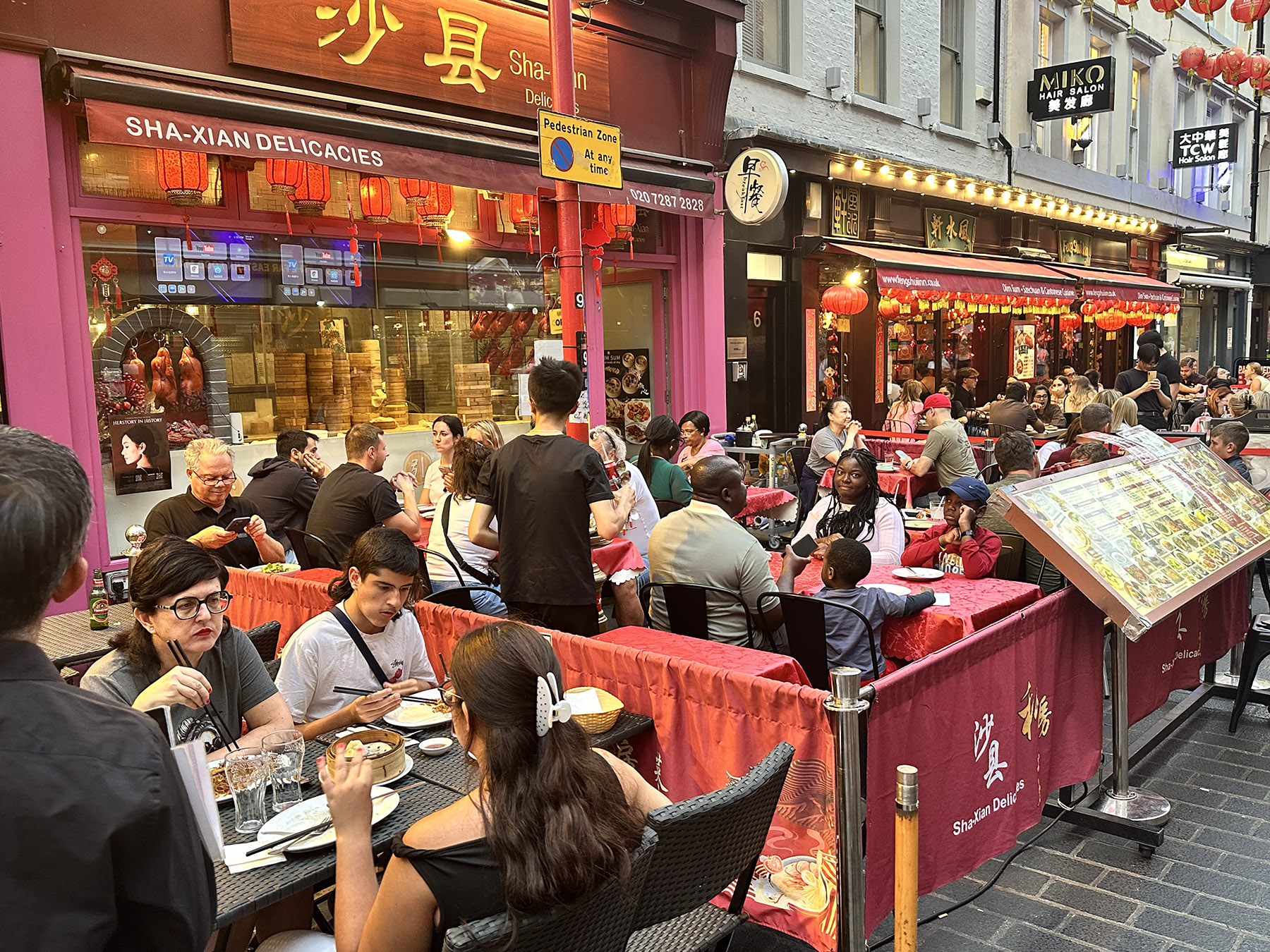
In London, the company's flagship store converted its basement into a space for live music performances and comedy shows, combining dining with an entertainment experience.
However, operating overseas comes with regulatory challenges that differ greatly from China.
In Europe, more than 40 countries each have their own regulations, tax systems and certification requirements. Opening a store can take more than six months from site selection to launch, compared with just a few months in China.
"In the past, many overseas consumers associated Chinese food mainly with American Chinese takeout. But in recent years, more people have become willing to try regional Chinese flavors and unfamiliar dishes," said Zhu.
The company has also noticed a growing number of non-Chinese customers in its overseas stores, especially younger diners influenced by social media and Asian pop culture. In some European eateries, 60 to 90 percent of customers are non-Chinese.
Unlike traditional Chinese stir-fry restaurants, malatang chains have standardized food production, making dishes easier to replicate overseas. Soup bases can be centrally produced, while store operations rely less heavily on highly experienced Chinese chefs.
Still, localization is necessary in some markets. In Japan, malatang introduced lighter soup bases better suited to local preferences, while stores in some Southeast Asian countries added tom yum-flavored options.
"If a product is completely changed for local tastes, it may lose its original identity. But if there is no adjustment at all, overseas consumers may find it difficult to accept," said Zhu.
Becoming mainstream
Amy Duan, founder of Chihuo, a leading North American Chinese-language food media platform, has spent more than a decade working at the intersection of Chinese food culture, consumer insights and restaurant expansion across North America.
"In the early days, it was about filling a gap. There were hundreds of thousands of Chinese students with no real options. So, restaurants started serving more authentic regional food, Sichuan, Hunan, hotpot. That laid the groundwork for what came next," said Duan.
Chinese food companies today have mature systems and clear commercial strategies. "They're taking the North American market seriously now," she said. "That's new."
Tea drink brands have made the deepest inroads.
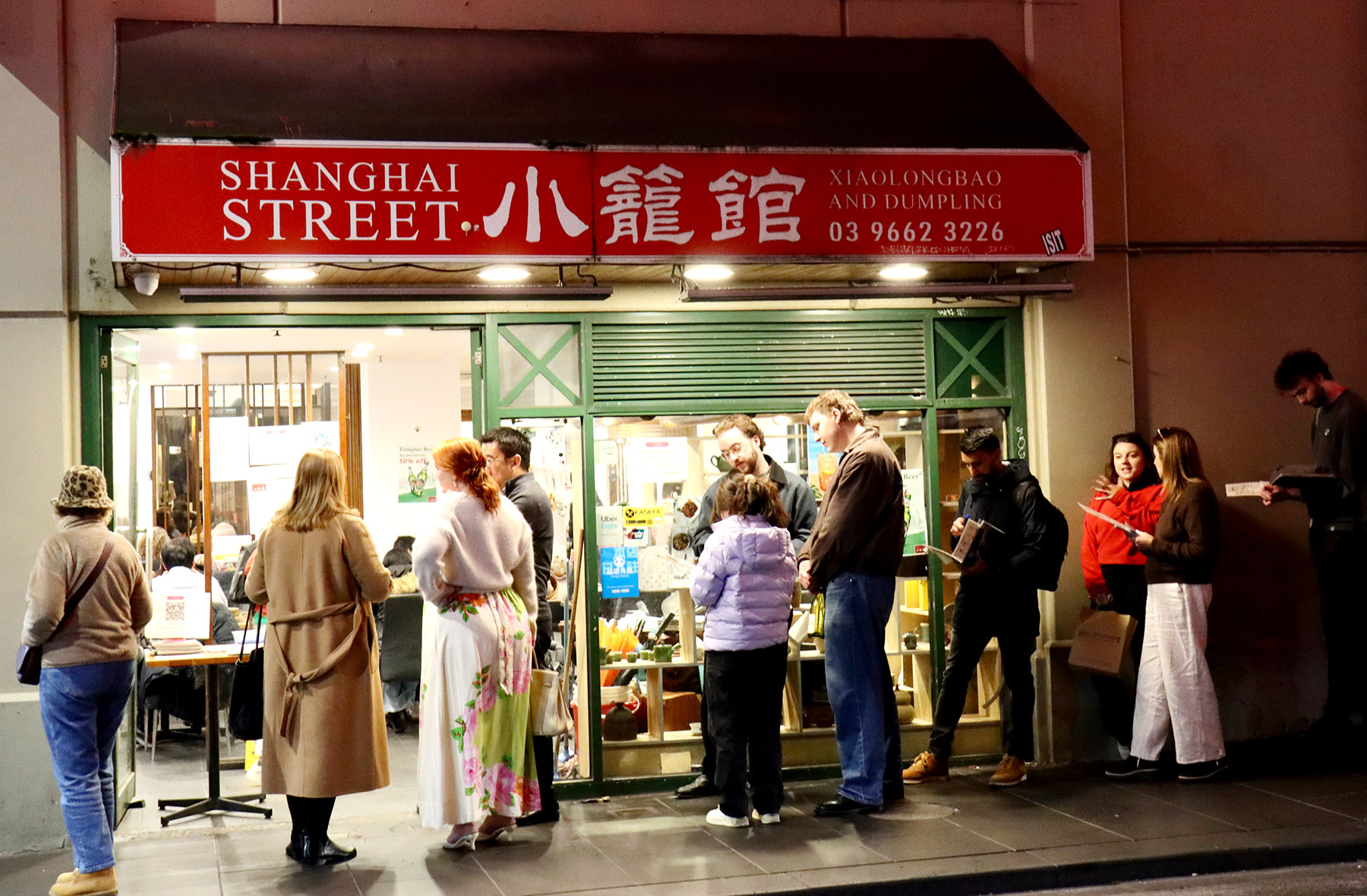
"You can see it in who's queuing. American-born Chinese customers, Korean Americans, Latino diners, even white customers at some of the more localized brands. It's become genuinely mainstream for certain demographics," she said.
Hotpot and malatang dishes have followed a similar trajectory, helped in part by the popularity of Japanese ramen and Vietnamese pho, which familiarized American diners with broth-based Asian dishes.
For brands considering expansion, Duan cautions against unrealistic expectations. Opening a restaurant in the United States generally costs between $500,000 and $1 million and becoming profitable takes time.
"In China, you can open fast and scale fast, but the competition burns you out just as quickly. In America, if you build something properly, it can last 50, 70 years. But you must be willing to play the long game," she said.
Duan points to two brands she considers exemplary.
Tai Er, known for its sauerkraut fish, has retained its core identity while making its menu accessible to American diners through careful cultural explanation, helping them embrace dishes that are still relatively unfamiliar to them. Bistro Na's, a Chinese imperial cuisine restaurant in the Los Angeles area that held a Michelin star from 2019 to 2022, has woven imperial Chinese culinary heritage into a dining experience that resonates with American expectations of atmosphere and culture.
Failure, she said, often has a common thread.
"They replicated the domestic model without understanding the local market. In America, labor laws, consumer culture, even the pace of business; everything is different," she said.
Fundamental shift
The global Chinese dining market grew from $227.5 billion in 2020 to $359.4 billion in 2024 and is projected to reach $577.7 billion by 2030, according to iiMedia Research.
Fan Guoyin, secretary-general of the Chinese Cuisine Going Global Research Institute, believes the latest wave of Chinese restaurant brands expanding overseas marks a fundamental shift from earlier generations of immigrant-run Chinese restaurants.
"In the past, overseas Chinese restaurants were largely established by immigrants seeking a livelihood, operating as stand-alone businesses relying heavily on individual chefs. Today, brands are entering overseas markets with standardized operating procedures, mature supply chains and established management systems," said Fan.
The Mixue Group now operates over 4,500 stores overseas while hotpot chain Haidilao and Yangguofu Malatang have also developed distinct overseas identities. Yangguofu Malatang incorporates traditional Chinese art forms, such as lacquer fan painting, into its European locations. "The goal is no longer simply to open a restaurant overseas, but to build a long-term presence in an entire market," he said.
Overseas Chinese communities remain the foundation, Fan said, providing a loyal customer base rooted in connections to home. But the growing interest in Chinese culture has also drawn more international diners to seek out authentic flavors, with hotpot meals and tea drinks key entry points.
"The biggest challenge is not simply adapting flavors. It is navigating entirely different regulatory systems, supply chains and consumer habits across markets. Food safety requirements, import regulations and franchise rules vary significantly from country to country," said Fan.
He expects the global Chinese dining market to hit $449.9 billion by 2027. While hotpot and tea beverage chains will remain major growth drivers, he noted that regional Chinese cuisines may also gain wider recognition through greater standardization.
Not all brands will succeed, however, as those without strong compliance capabilities or genuine localization strategies will face increasing pressure, he cautioned.
Contact the writer at sunnyu923@163.com
