

Over 42,000 passengers, 5,700 vehicles cross by 5 pm on the first day
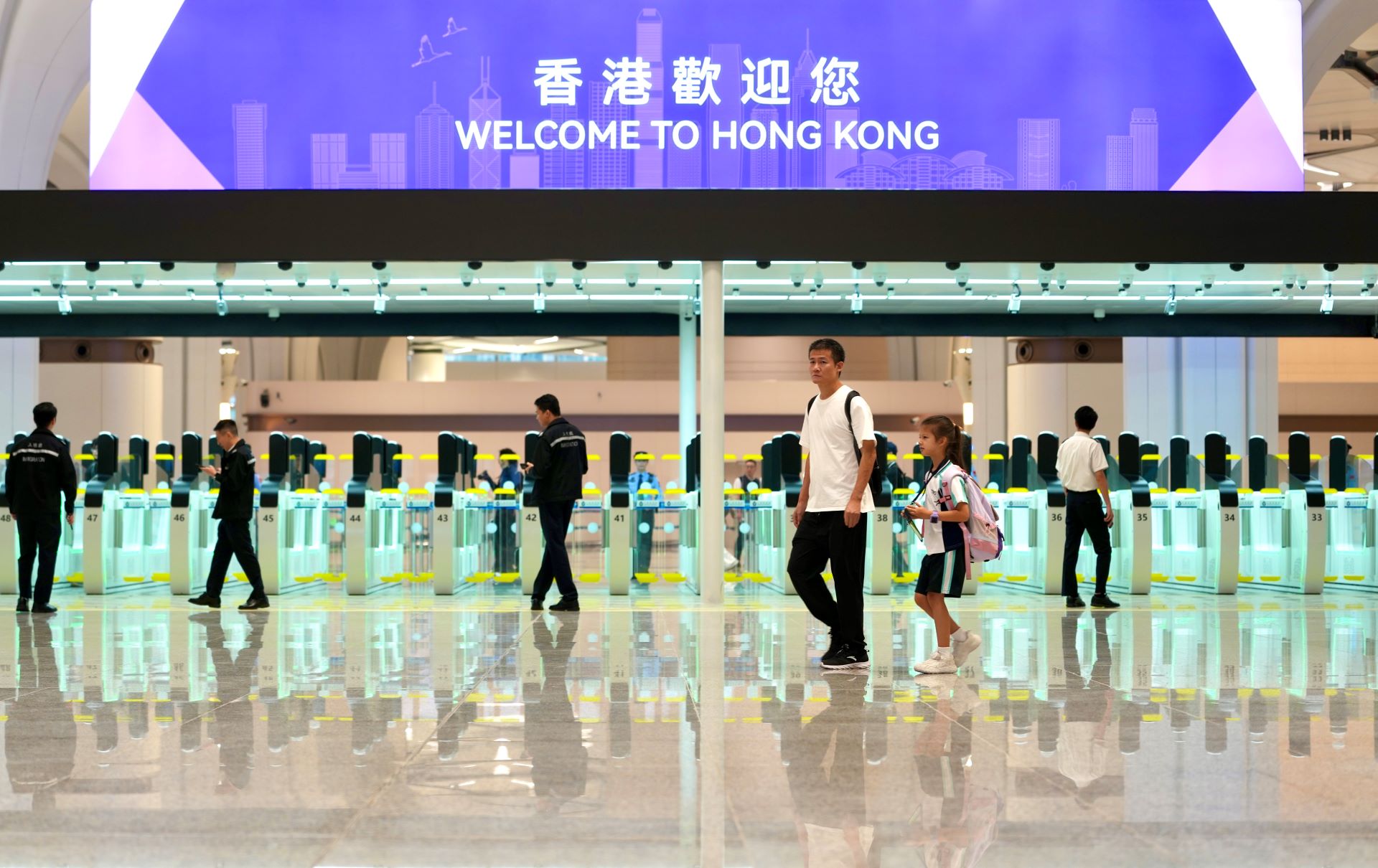
The redeveloped Huanggang Port, an around-the-clock boundary crossing between Shenzhen and Hong Kong, saw smooth operations on its opening day with faster passenger and vehicle clearance, boosting officials’ confidence in managing peak traffic during the weekends and holidays ahead.
The new port, which opened at 6:30 am on Monday, adopts a “collaborative inspection and joint clearance” model so travelers need to present their travel documents only once to clear the border, while drivers can complete a five-party inspection without leaving their vehicles through joint one-stop lanes.
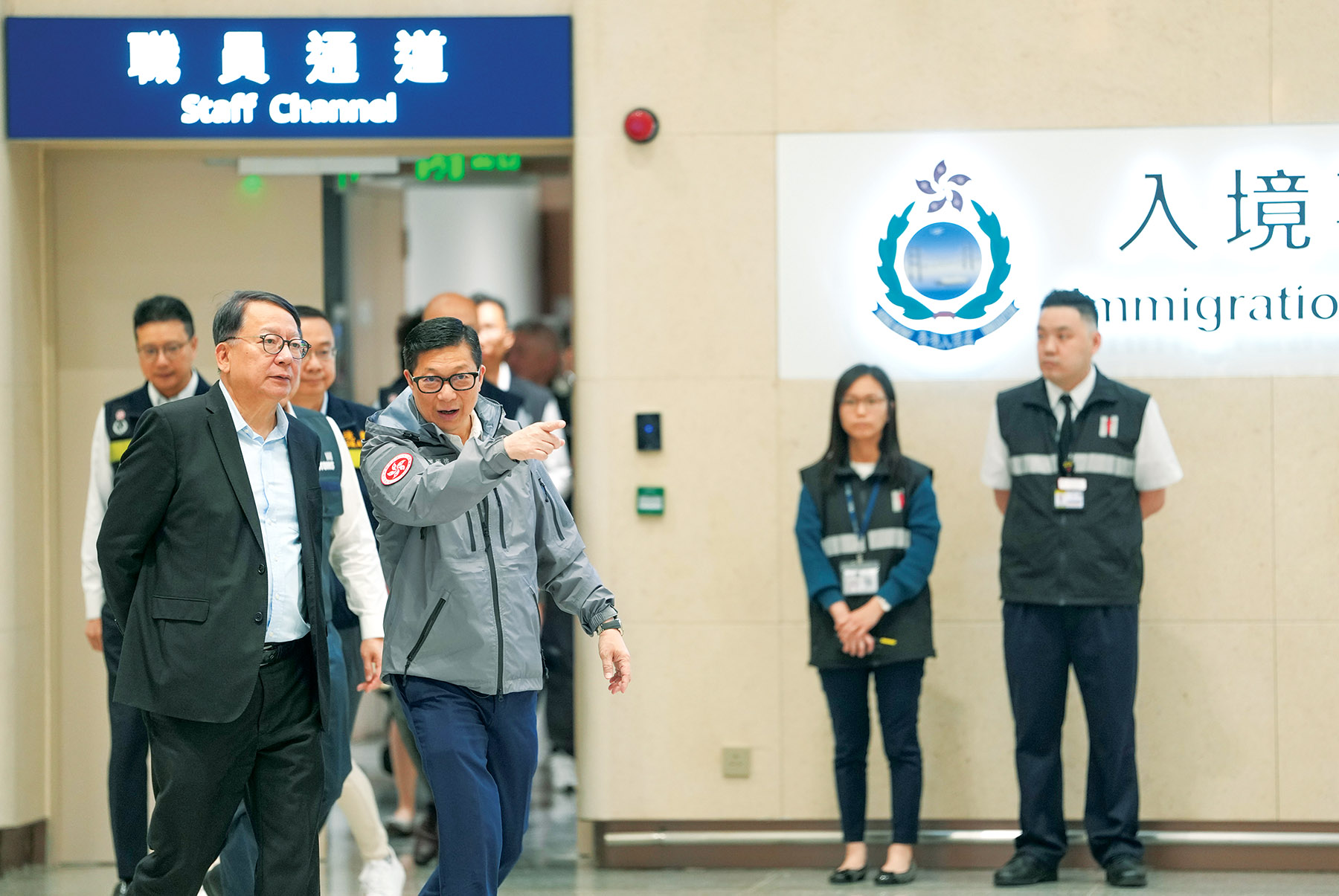
Chris Tang Ping-keung, secretary for security of the Hong Kong Special Administrative Region government, said between 6:30 am and 8:30 am, the new port recorded 5,170 passenger trips, up more than 60 percent from the same period on ordinary days. There were also 953 inbound and outbound vehicle trips, about 30 percent more than usual.
ALSO READ: New Huanggang Port ‘a landmark’ in advancing regional connectivity
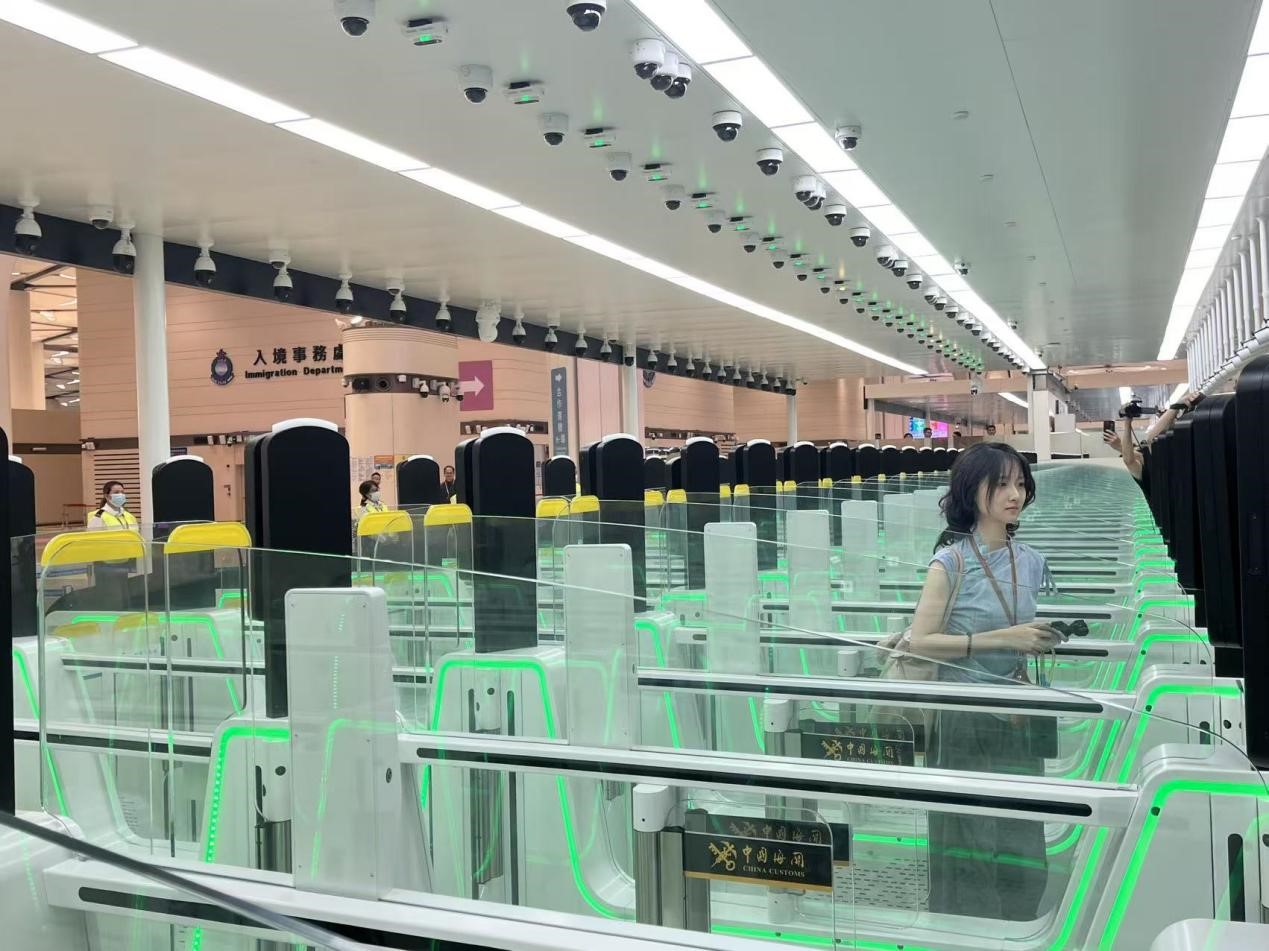
The port is equipped with 134 “collaborative inspection” self-service channels, 68 traditional manual counters, and 28 joint inspection lanes for vehicles.
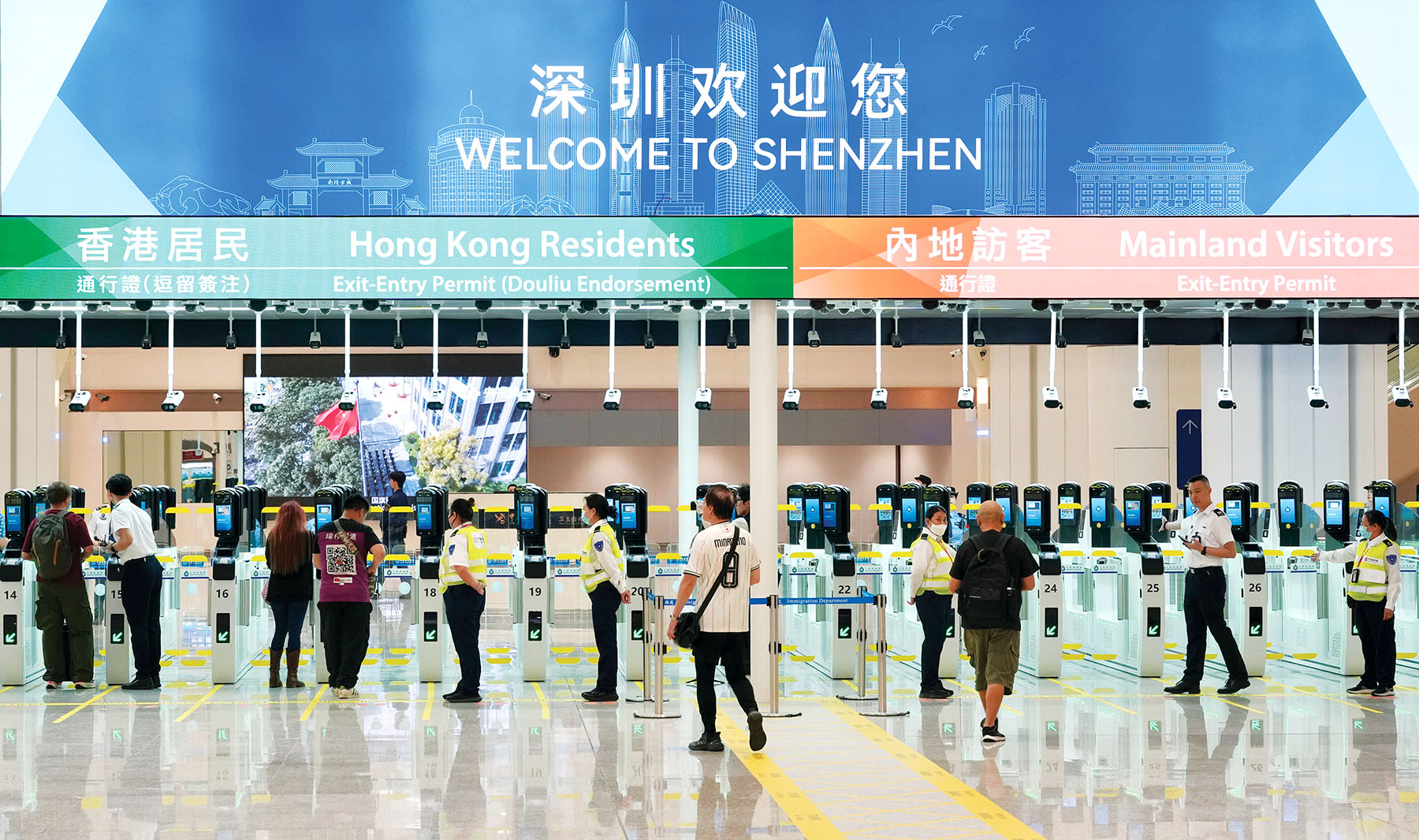
He said all clearance channels were operating normally, with passengers able to cross without waiting, while vehicles using the joint one-stop lane waited less than five minutes.
The HKSAR’s secretary for transport and logistics, Mable Chan, said that by 8 am, 1,200 public transport passengers had crossed northward through Huanggang Port while nearly 2,000 had headed south.
Chief Secretary for Administration Eric Chan Kwok-ki said he was confident that after a few days of familiarization with procedures, employees would be able to handle greater passenger flows during the Chongyang Festival this Sunday. If the arrangement proves effective, the authorities will consider extending the clearance model to other ports in future, he added.
As of 5 pm of operation, it handled over 42,000 passengers and more than 5,700 vehicle trips.
Faster clearance
A Shenzhen resident surnamed Huang, who works in Hong Kong, was the first inbound traveler to enter the Chinese mainland through the rebuilt port. Huang, who had just finished a night shift and was returning to Shenzhen, said it took her only five minutes to complete the clearance procedures, a significant reduction from the half-hour it used to take.
Huang said that given the new port’s significantly improved procedures and completely revamped facilities, travel will be much more convenient for cross-border commuters — especially for those commuting at night.
A passenger from the United States called Charles, who was visiting Shenzhen for business, said he was satisfied with the experience.
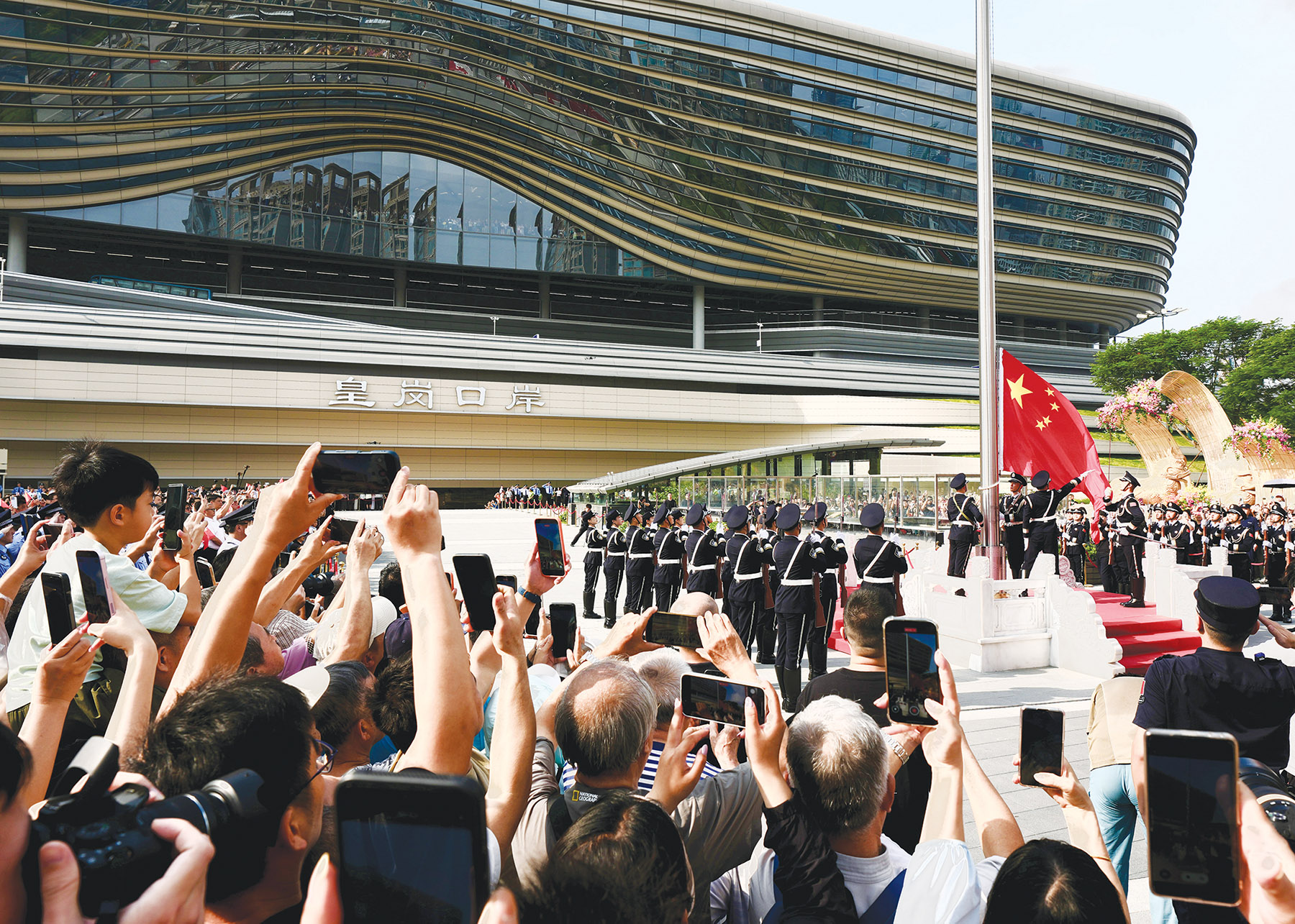
Given Huanggang’s connection to downtown Shenzhen, it could become another popular choice for international travelers besides the Shenzhen Bay Port, he said.
ALSO READ: Finishing touches
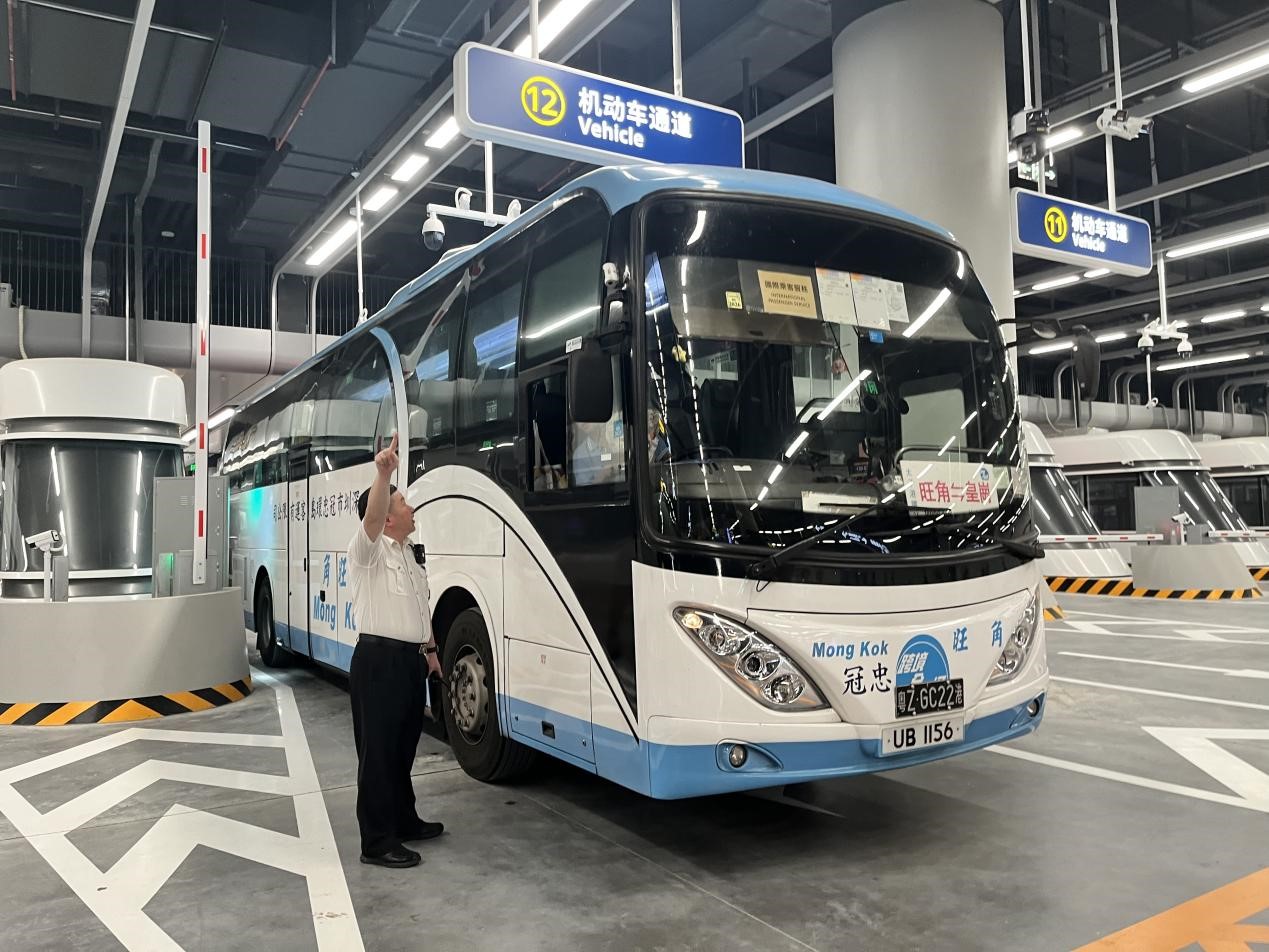
A cross-border coach driver who gave his surname as Tam was the first driver to pass through the new port’s five-party inspection channel for vehicles.
After the vehicle entered the inspection lane, it took him just three minutes — and only one stop — to complete a vehicle document scan, facial recognition, and fingerprint verification, without leaving his car. Previously, he had to stop multiple times and wait for inspections by various parties, which took about 10 minutes.
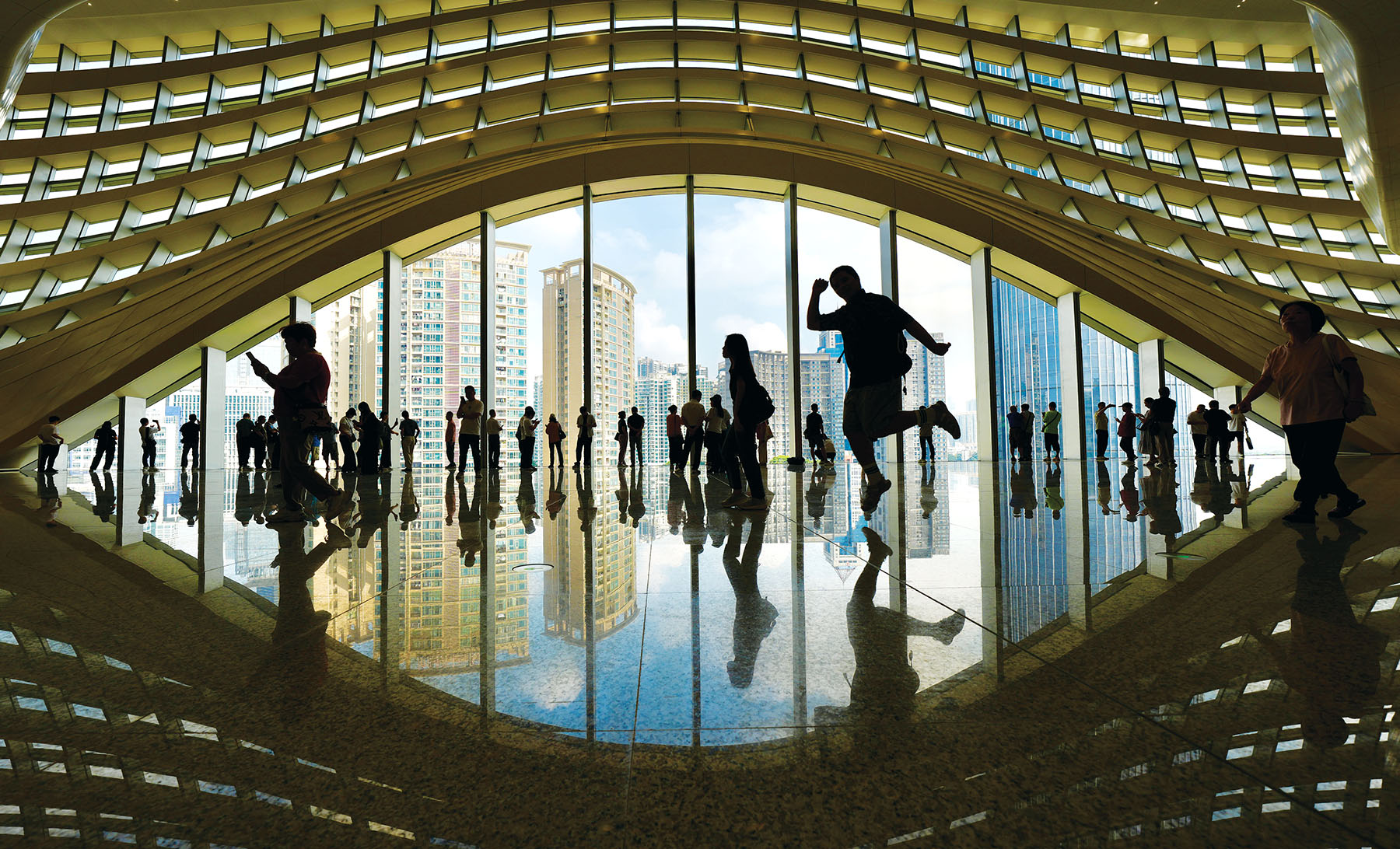
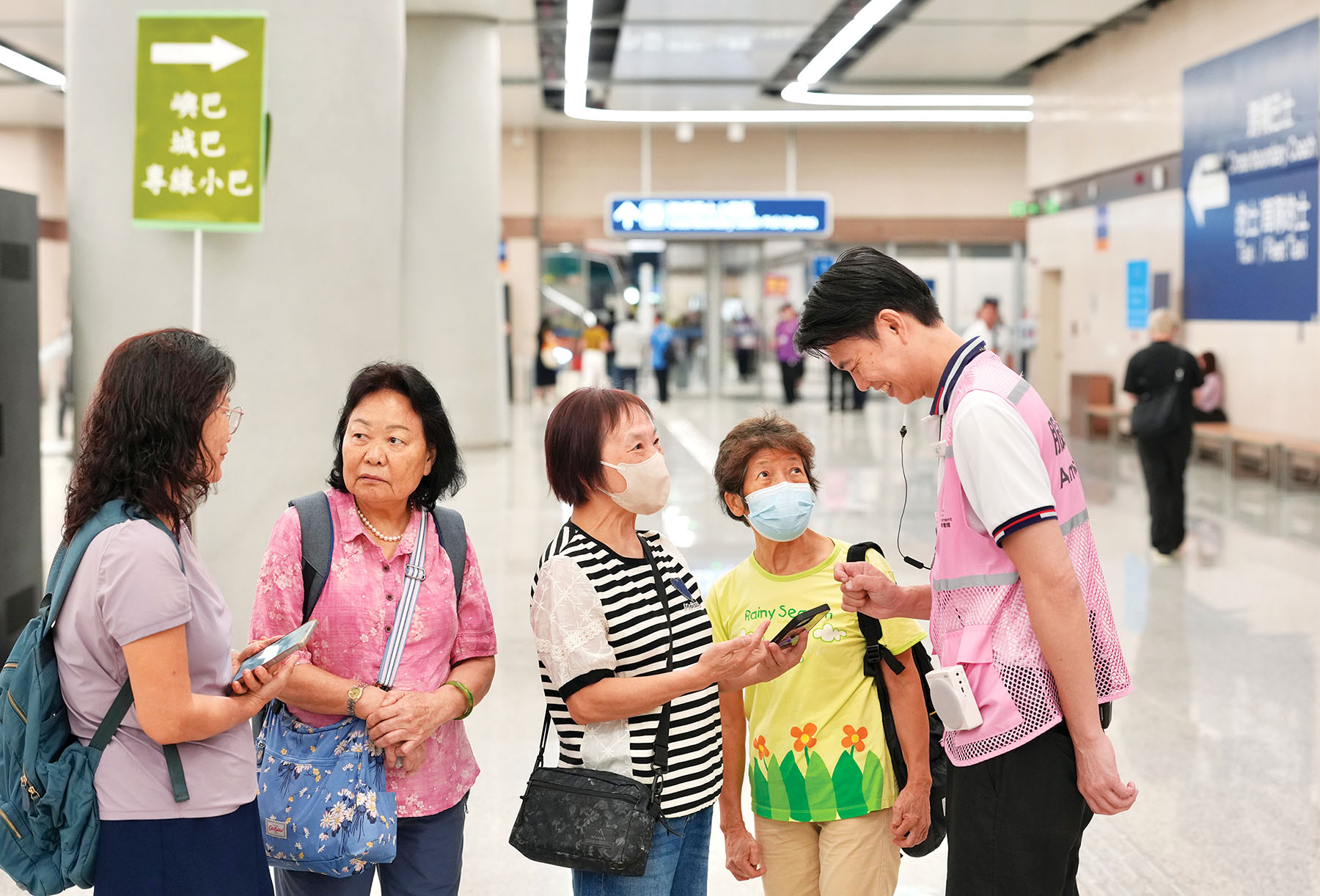
Yolk Lam, a service ambassador stationed at L2 of the port’s Hong Kong side — the public transport interchange floor — is responsible for handling questions from passengers arriving at Huanggang from Shenzhen and advising them how to get home.
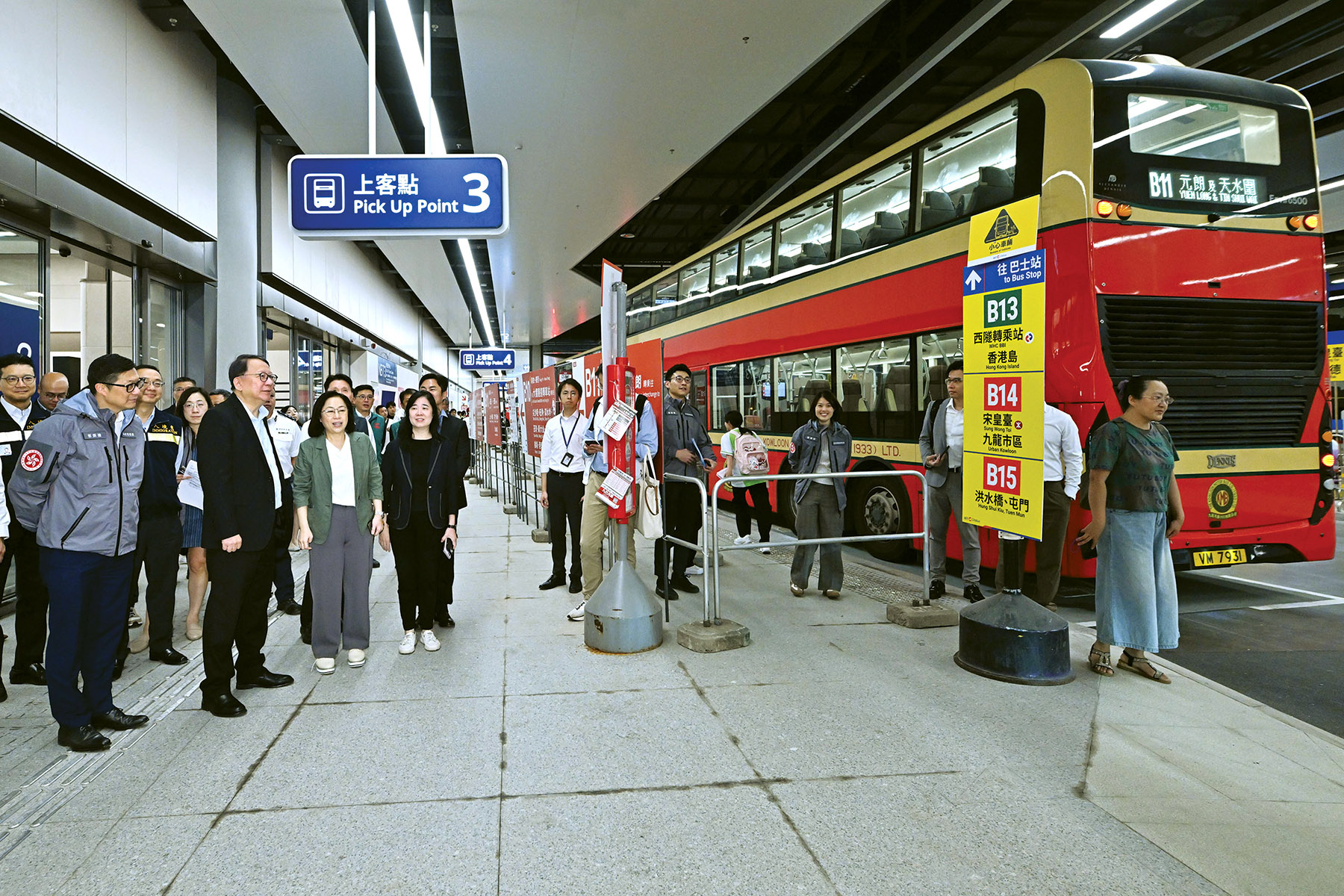
In the hall, some cross-border travelers paused to photograph large public transport information boards listing routes and schedules for different destinations.
Lam said that the most frequent and complex questions concern direct transport to the airport at Chek Lap Kok, as some passengers may be slightly unsure about new bus services.
Chen Xiuming, a border inspection officer working on the Shenzhen side of the port, told reporters on Monday that it has made improvements on other joint passenger clearance models.
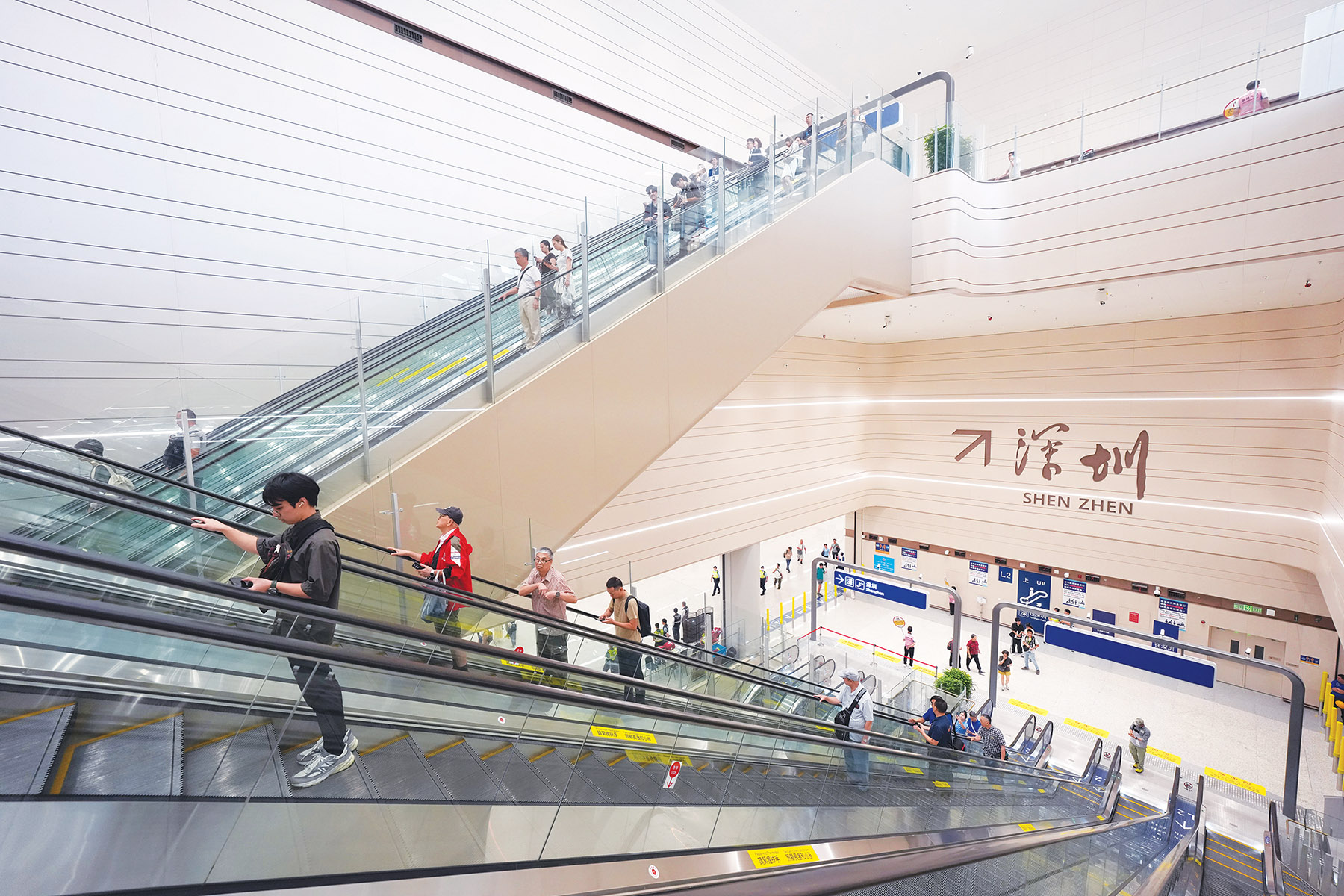
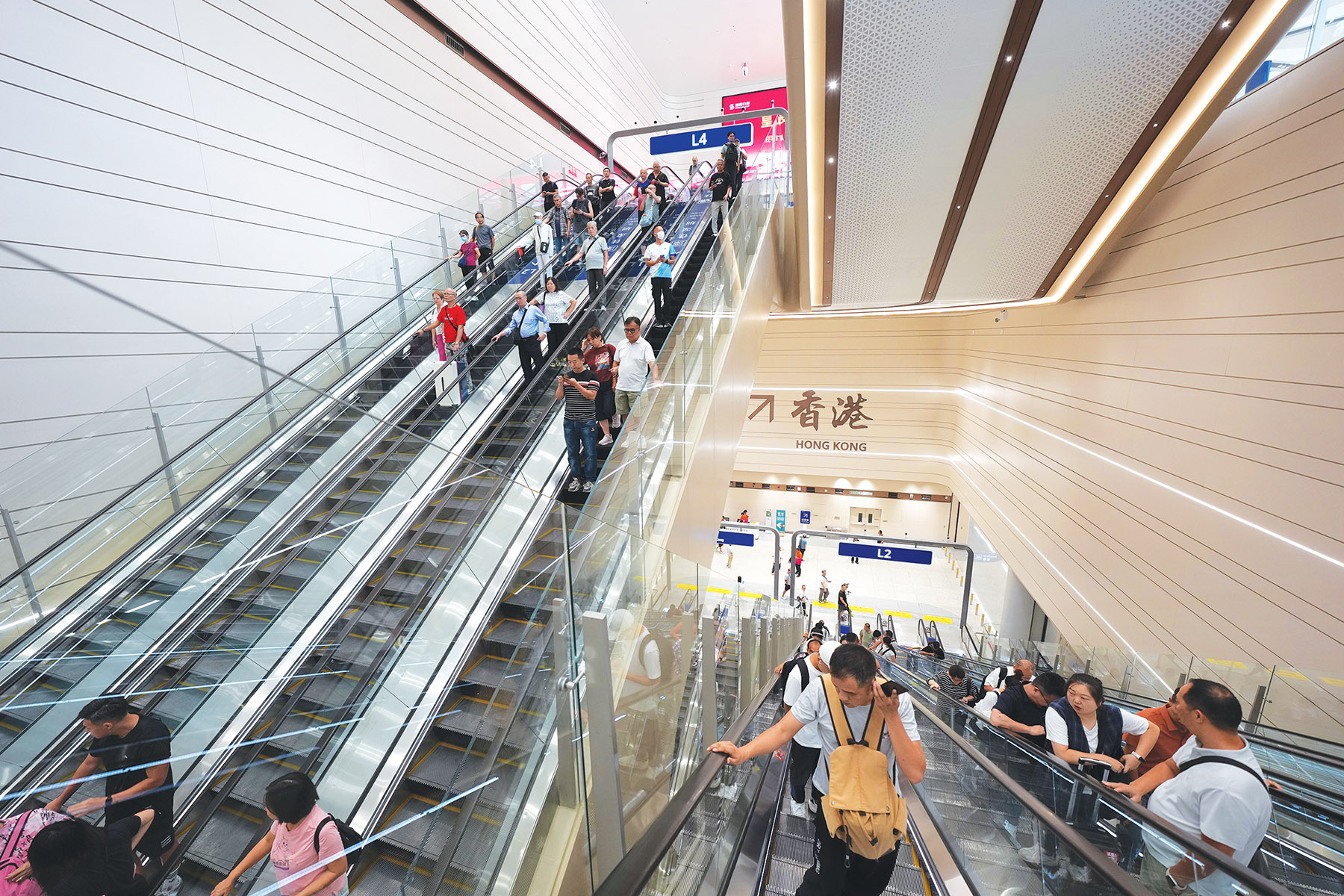
At the new Huanggang Port, Hong Kong residents can travel with either their Mainland Travel Permit or Hong Kong identity card, without having to present both. Passenger clearance information is now verified by the departure side first before being transmitted to the arrival side, enhancing security.
In addition, the new port has reserved eye-recognition equipment, which could further improve the safety and convenience of border clearance.
Contact the writer at bingcun@chinadaily.com
