

Officials detail execution, oversight mechanisms during LegCo debate
The Hong Kong Special Administrative Region government is establishing a robust implementation and oversight mechanism to translate its first five-year plan into concrete results.
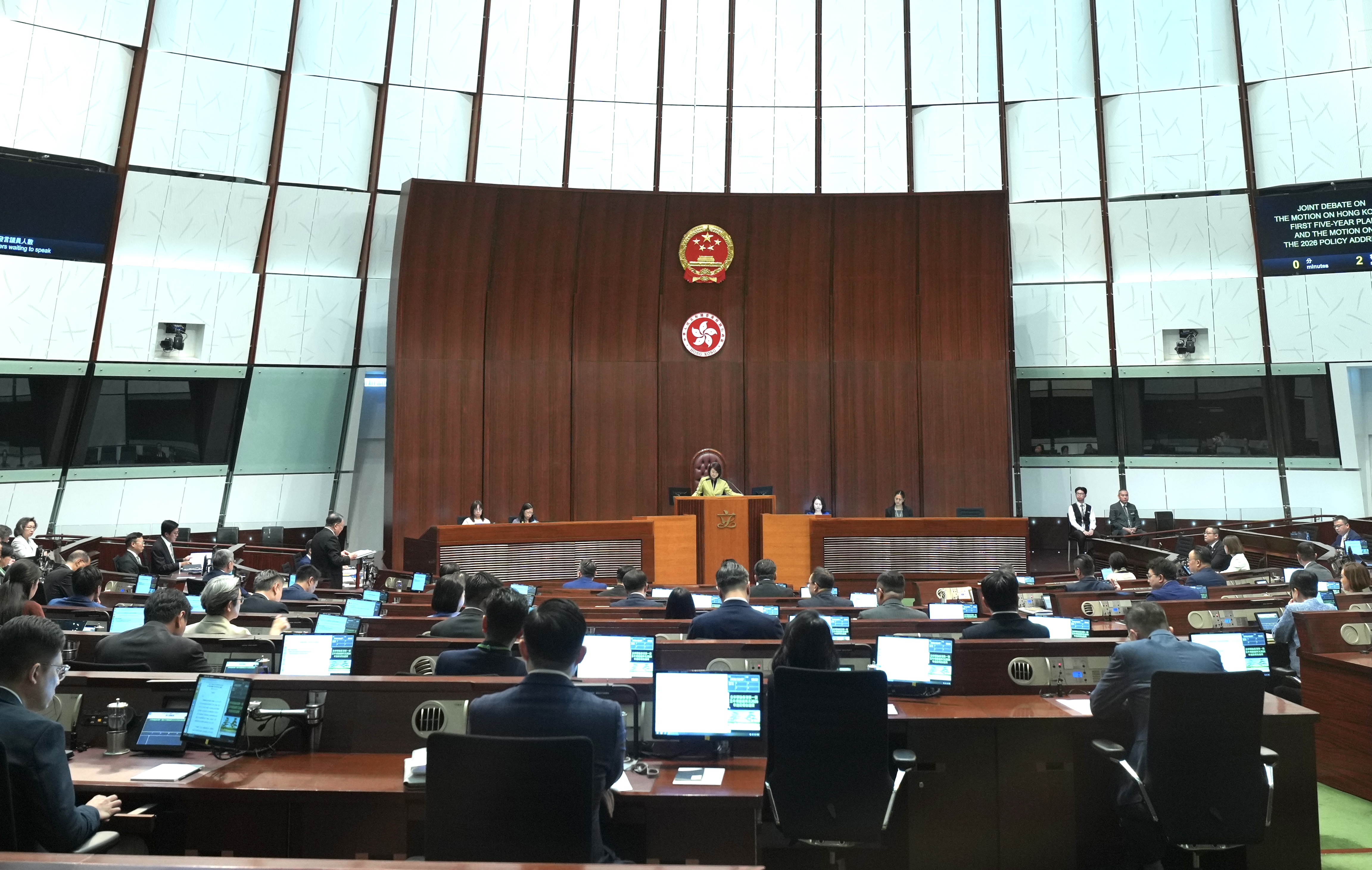
Officials and legislators made the remarks on Wednesday during a three-day joint debate on two motions covering the inaugural five-year plan and the 2026 Policy Address.
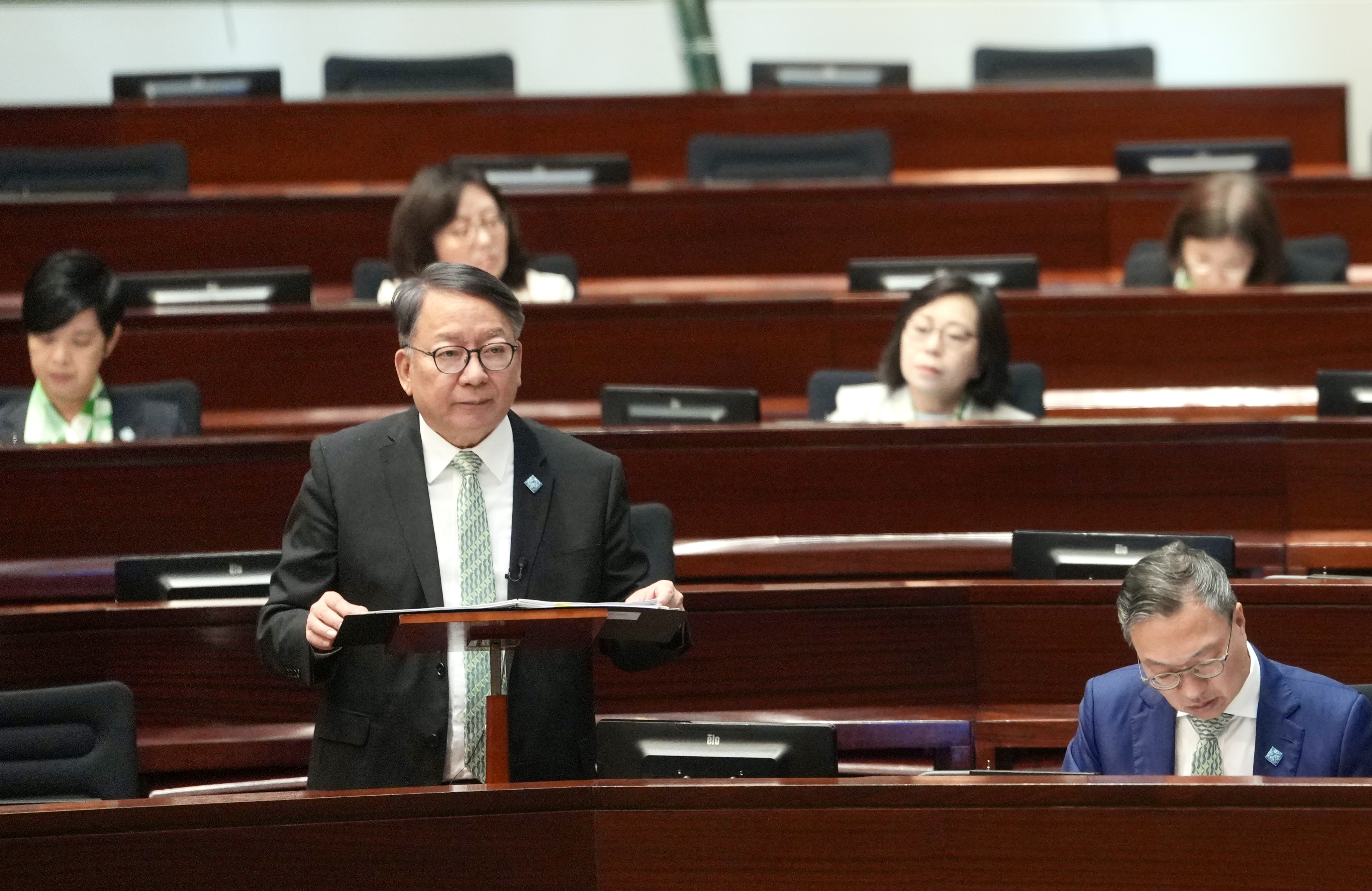
Moving the motion on the five-year plan, Chief Secretary for Administration Eric Chan Kwok-ki said the city is committed to fully executing the plan. He sought lawmakers’ support for the motion and welcomed their views.
“The implementation of the first five-year plan requires the concerted efforts of all sectors of society,” Chan said. “The government will take the initiative and act proactively, working with all sectors and every resident to fully advance its implementation.”
The heads of all six senior secretarial and deputy secretarial positions, as well as 15 policy bureaus, in the government will attend the debate sessions.
Lawmakers are set to ask 22 questions covering various policy areas, all of which require written replies from the government officials.
Separately, lawmaker Ronick Chan Chun-ying moved a motion of thanks, stating, “This Council thanks the chief executive for his (Policy) Address.” On Sept 16, Hong Kong Chief Executive John Lee Ka-chiu presented the city’s first Five-Year Plan for Economic and Social Development (2026-30) and the 2026 Policy Address to the Legislative Council.
Eric Chan said implementing the five-year plan is a massive and complex systemic project. It is therefore necessary to establish a public administration framework featuring the five-year plan’s leadership role, annual policy implementation, fiscal budget support, and regular accountability reporting.
He said that the government will use the Policy Address as an “annual action agenda” for implementing the five-year plan, setting key annual priorities, specific policy measures, and projects in line with the plan’s strategic direction and requirements, while taking prevailing conditions into account.
During annual duty visits to Beijing, the chief executive will report to the central authorities on the plan’s implementation, and review progress toward its targets and indicators, summarize outcomes, and suggest areas for improvement.
The annual Budget, prepared by the city’s financial secretary, will provide resources to support these tasks while maintaining the principle of government fiscal sustainability, Eric Chan said.
Ronick Chan, who chairs the Legislative Council’s House Committee, said the development plan embeds policy continuity in the system, providing all sectors of society with clear expectations and establishing a precise benchmark for governance.
The debate is divided into six sessions, covering topics including “four centers, one hub”, the Northern Metropolis, regional integration and global network, social welfare, as well as development and security, and governance efficacy.
ALSO READ: Hong Kong retains position as the world's freest economy
Lawmaker Kenneth Fok Kai-kong, who represents the sports, performing arts, culture and publication functional constituency, called on the government to take a broader approach to its proposed aviation strategy. The five-year plan proposed enhancing aviation links with 10 or more partners each year from 2026-30, with Belt and Road Initiative partner countries making up at least 40 percent.
Fok said Hong Kong should adopt a more open policy and foster a fairer competitive environment, which would not only benefit tourism and allow Hong Kong residents to enjoy cheaper fares, but also proactively align with and contribute to the nation’s high-level opening-up strategy.
Lawmaker Sunny Tan focused on cultivating emerging industries. He said efforts should be made to build the “Made in Hong Kong” brand into a gold standard representing world-class quality control, strict safety standards, and a reputation for integrity. Relevant sectors include pharmaceuticals, medical devices, and food processing.
Lawmaker Chan Pui-leung, who represents the insurance sector, suggested relaxing the Top Talent Pass Scheme criteria for trades facing personnel shortages. This includes adjusting the subject rankings of eligible universities, or allowing over 10 years of senior industry experience to substitute for certain academic qualifications. He also proposed setting a target for top-talent intake over the next five years.
After the six debate sessions, lawmakers will vote on the two motions.
Contact the writers at atlasshao@chinadailyhk.com
