

City’s five-year development blueprint aims to enhance growth, integration
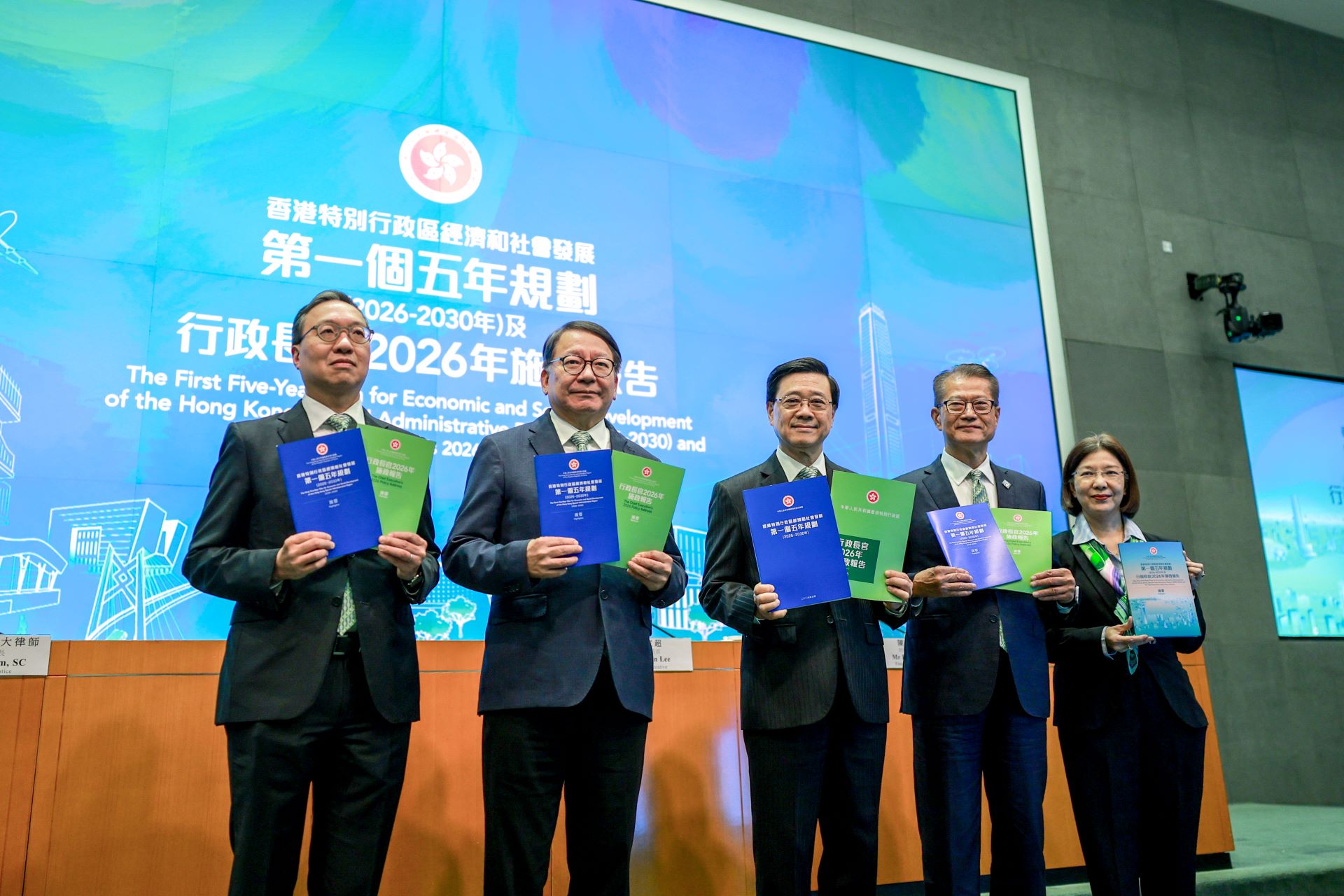
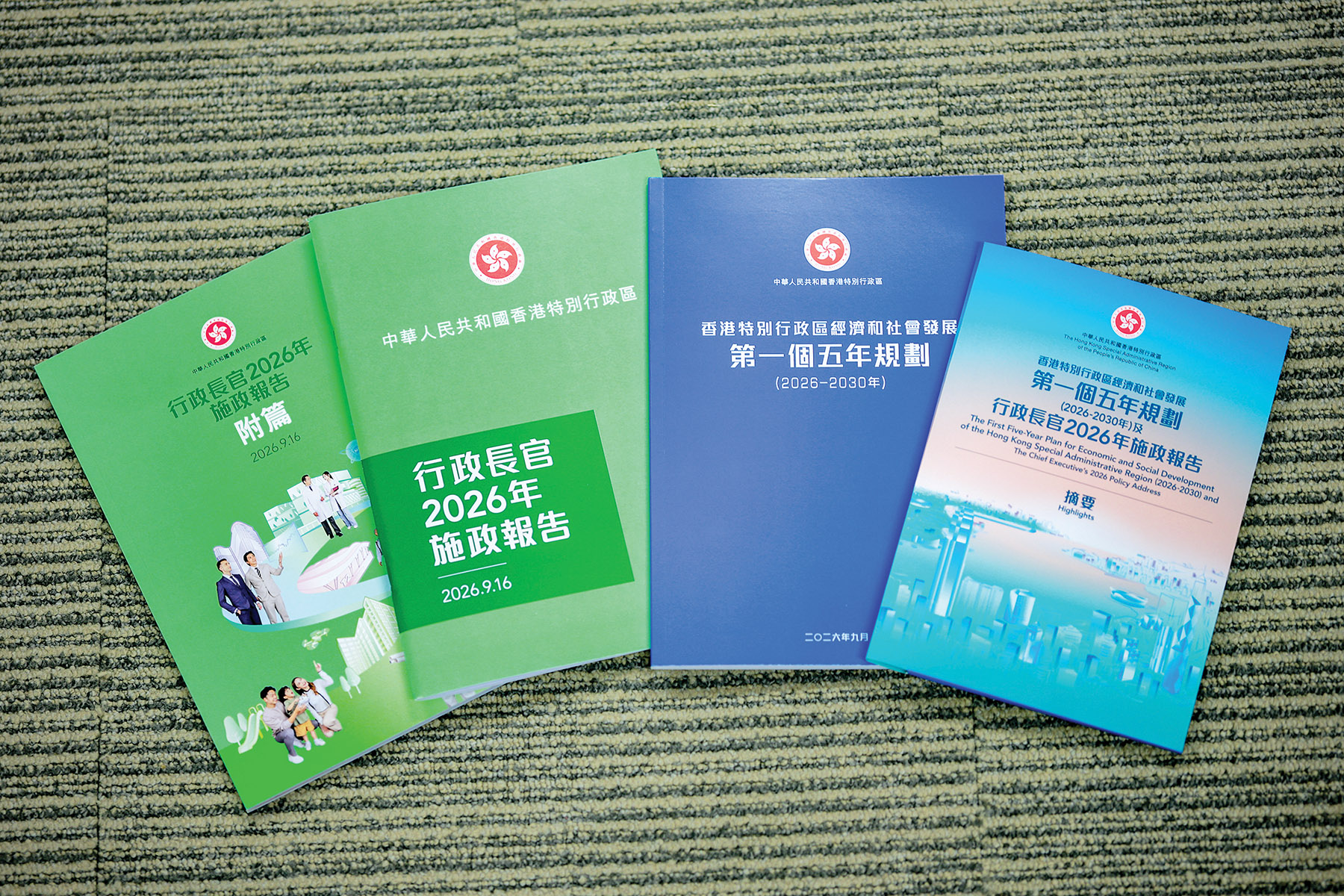
The Hong Kong Special Administrative Region unveiled its first five-year plan for economic and social development on Wednesday, outlining 105 indicators covering areas such as economic development, housing, global competitiveness and people’s livelihoods, in order to align with the national 15th Five-Year Plan (2026-30).
John Lee Ka-chiu, chief executive of the HKSAR, said the plan will shed light on Hong Kong’s directions of development, optimize resource allocation, enhance social expectation certainty, and better protect social well-being as well as the interests of investors across the world, helping to build a more open, inclusive, liberal, prosperous and safer Hong Kong.
LIVE COVERAGE: HK blueprint eyes enhancing livelihood, economic breakthrough
“We will build HKSAR into a bridge and gateway between our country and the rest of the world, and a more attractive, vibrant and opportunity-rich world city, while continuing to make unique and greater contributions to building a strong country and achieving national rejuvenation through the advancement of Chinese modernization,” Lee said.
“In five years, I believe all residents will see greater income and career progress, more diversified industries, better education, and a Hong Kong that is more international and tech-empowered,” Lee told reporters at a news conference on Wednesday.
He expressed confidence in achieving the goals set out in the five-year plan, pointing to improved livelihoods, economic growth and better integration into the country’s overall development.
The road map outlines Hong Kong’s development direction in seven parts and 28 chapters, covering targets such as accelerating development of the Northern Metropolis and deepening Guangdong-Hong Kong-Macao Greater Bay Area integration.
RELATED ARTICLES
- Lee: HK’s inaugural five-year plan set to define city’s future path
- CE stresses national integration, core system in HK's 1st 5-yr plan
- HK’s five-year plan should ‘scale up’ grassroots facilities
- Lee highlights synergy between HK's first 5-year plan, Policy Address
Lee also identified seven underlying principles of the city’s first five-year plan.
The principles are adhering to the “one country, two systems” principle; remaining committed to a livelihood-oriented approach; upholding an executive-led system; embracing reform and innovation; upholding the two-pronged approach of “effective market” and “capable government”; adopting a holistic approach to development and security; and planning in a pragmatic and proactive manner.
The plan also sets five main objectives, of which the first is to achieve new breakthroughs in economic development. In the coming five years, Hong Kong will continue to consolidate and enhance “four centers and one hub” — to consolidate and enhance its status as international financial, maritime, and trade centers, while expediting the city’s development into an international innovation and technology center, and building an international hub for high-caliber talent.
Other objectives include enhancing the SAR’s global competitiveness and influence, accelerating the development of the Northern Metropolis with greater efficiency, improving people’s well-being, and making significant strides in integrating into and serving the overall national development.
Among the listed 105 indicators is the target of elevating the ratio of total domestic expenditure on innovation activities to GDP from 1.63 percent in 2024 to 3 percent after 2030.
ALSO READ: CE: HK residents to enjoy higher income, improved city in 5 yrs
In the Northern Metropolis, the government aims to complete 70,000 housing units by 2030-31 — a 6.4-fold increase compared with the 11,000 units built between 2021 and 2026. The plan also directs the government to enhance the apartment mix of public housing and raise the unit size requirements for new private residential projects to enhance the average living space per person.
By 2030-31, the SAR government aims to reduce the waiting time for public rental housing to less than four years by building a total of 196,000 public housing units.
Lee also delivered his fifth and final policy address of his current term, which ends next June, rolling out concrete measures to develop the economy, enhance the city’s competitiveness, attract talent, improve people’s livelihoods and encourage childbearing.
A spokesperson for the Hong Kong and Macao Affairs Office of the State Council called the five-year plan the HKSAR’s first holistic top-level design for its economic and social development.
It is a milestone in further advancing “one country, two systems”, and will guide Hong Kong to accelerate its transition from stability to prosperity and achieve high-quality development while better integrating into and serving the overall national development, the spokesperson added.
The plan adheres to the principle of “one country” while leveraging the benefits of “two systems”, fully aligning with the nation’s 15th Five-Year Plan, the office said.
It added that the unveiling of the plan once again highlights a new era of “patriots administering Hong Kong” and the unified commitment of the entire society to build a better home together.
ALSO READ: Blueprint for breakthroughs — Hong Kong’s strategic road map charts a bold new future
A spokesperson for the Liaison Office of the Central People’s Government in the HKSAR said the plan is a good plan that aligns with the national plan and envisions Hong Kong’s future; a good plan that demonstrates strategic planning and forward-looking design; and a good plan that reflects mainstream public opinion and embodies a scientific, democratic approach.
Documents welcomed
Sunny Tan, chairman of the Hong Kong Productivity Council, said the plan will boost the city’s international competitiveness, pledging to align with it to drive traditional industry upgrades and power emerging sectors.
Ryan Ip Man-ki, vice-president of the think tank Our Hong Kong Foundation, noted that the plan marks the first comprehensive framework integrating the Northern Metropolis’ land, industry, transport, housing and university plans, with clear-phased targets to boost market and public confidence.
Andrew Kam, CEO of Kai Tak Sports Park, a multipurpose sports, entertainment and leisure venue in Hong Kong, said the plan sets a clear blueprint positioning culture, sports and tourism as a key strategic direction.
Lauding a policy bundle of 11 initiatives to boost childbearing, Nixie Lam Lam, an HKSAR legislator, said the wide-ranging incentives respond to the needs of families.
Political parties, including the Democratic Alliance for the Betterment and Progress of Hong Kong and the New People’s Party, praised the plan as “holistic, visionary, programmatic and scientific”.
Contact the writer at stacyshi@chiandailyhk.com
