

TEHRAN/WASHINGTON/NEW YORK/SEOUL – Iran's Islamic Revolution Guard Corps (IRGC) said on Wednesday that it attacked two US vessels and eight oil tankers in the Persian Gulf in retaliation for a US attack on five Iranian tankers, according to Iranian state media reports.
In a statement published by its official news outlet Sepah News, the IRGC said its navy struck the vessels and inflicted heavy damage in retaliation for the "terrorist US Army's aggression and malicious act of attacking five Iranian oil tankers in the Persian Gulf" on Tuesday night.
It stressed that its naval forces also targeted ten "violating" ships that sought to cross a "prohibited and unsafe zone" in the Strait of Hormuz with the US Army's support and provocation.
The IRGC underlined that its navy is exercising complete management and control over the Strait of Hormuz.
ALSO READ: Iran plans 'exclusion zone' outside Hormuz
Also on Wednesday, the IRGC announced that its aerospace forces had attacked a US air base in Jordan in retaliation for "aggressive" US attacks against Iranian oil tankers.
Jordan's military said that its air defense systems have destroyed 18 of 20 Iranian ballistic missiles. Two missiles fell in unpopulated areas, causing no casualties, it said.
The US Central Command said in a post on Wednesday on social media platform X that its forces had "destroyed five Iranian crude oil carriers" on Tuesday night in response to the IRGC's targeting of "a US Navy warship with ballistic missiles twice over the past two days."
"The US warship successfully evaded the attempted Iranian attacks and continued to patrol regional waters. No American personnel were harmed," it added.
US Secretary of State Marco Rubio warned Iran on Tuesday that the United States would continue to strike Iranian oil tankers in retaliation for attempted attacks on US warships.
"Iran continues to try to hit US naval ships, and for every time they do that or try to do that, they're going to lose tankers," Rubio said during a visit to Colombia.
The IRGC issued an evacuation warning to the crews of oil tankers at piers in Kuwait and Bahrain following US attacks on Iranian oil tankers off the country's southern coast on Tuesday night, according to Iranian media.
President: Iran to continue resistance
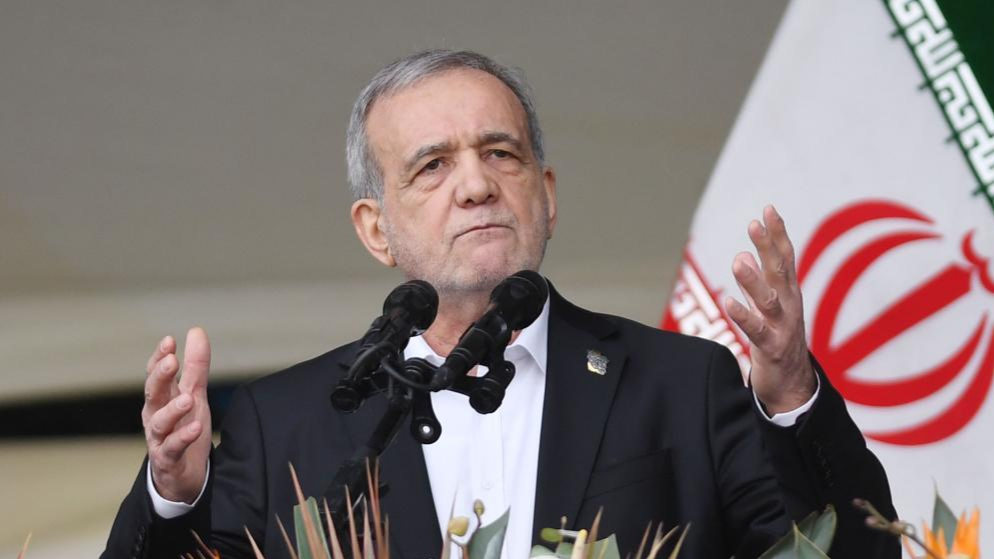
Iran's President Masoud Pezeshkian said Tuesday that the country will continue its resistance with strength until the "aggressors" are brought to complete regret.
In a post on social media platform X, he also highlighted Iran's opposition to war.
"The Islamic Republic of Iran has always been opposed to war and considered the preservation of the people's interests and ensuring the (West Asia) region's security to lie in refraining from warmongering," Pezeshkian said.
He added, "However, just as it has courageously risen to defend against aggression up to this day, Iran will continue this resistance with strength until the aggressors are brought to complete regret, and will remain the guardian of the rights of the great Iranian people."
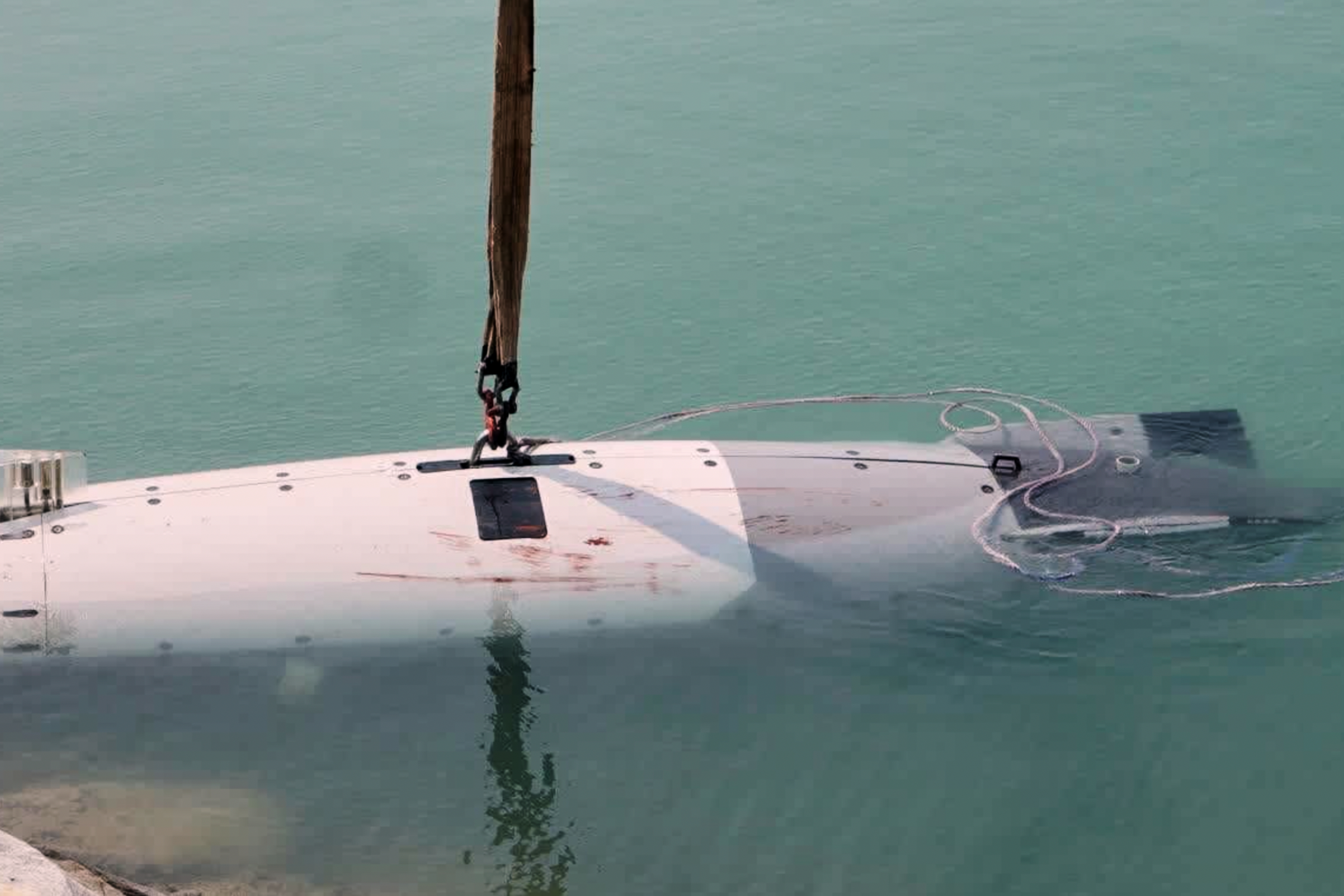
IRGC says it captured US unmanned submarines
Meanwhile, the IRGC navy said Tuesday its forces captured one of the US Army's "most modern, smart" unmanned submarines at the entrance of the Strait of Hormuz earlier in the day.
In a statement published on Sepah News, the IRGC navy said the unmanned underwater vehicle was captured in a complex intelligence and operational operation.
The submersible vehicle, identified as a Dive-LD, is equipped with the world's most modern subsurface vehicle technology, it said.
ALSO READ: Iran war adds $100b to US consumers' energy costs
The IRGC also said in a separate statement on Tuesday that its air defense systems had shot down an MQ-9 Reaper drone over the Strait of Hormuz, according to Sepah News.
Following the IRGC's announcement, the US military said in a statement that one of its underwater drones "malfunctioned" over a day earlier during a survey of regional waters, without mentioning whether the device was seized by Iran.
US sanctions 27 Iranian airlines
Also on Tuesday, the US Department of the Treasury put 27 Iranian airlines on its Specially Designated Nationals List thus targeting all remaining Iranian airlines in a bid to step up pressure on Iran.
The department said in a press release that "Iran's commercial airlines have long supported the Iranian regime's destabilizing activities," with the IRGC using ostensibly private airlines for the procurement and transport of weapons and the ferrying of personnel.
The US first sanctioned Iranian airline Mahan Air in October 2011, and targeted multiple companies seen as general sales agents of Mahan Air on July 30.
The sanctions also targeted "covert front companies, foreign intermediaries, and deceptive transshipment routes that Iran relies on to obtain US-origin aircraft and sensitive technology," according to the release.
In particular, the Treasury Department's Office of Foreign Assets Control (OFAC) designated four companies from Türkiye, Malaysia and Kazakhstan on the grounds of acting as Mahan Air's cargo service providers and general sales agents.
OFAC also suspended authorizations that allowed for overflights, and for non-US airlines to fly US-origin or US-controlled commercial aircraft into Iran.
In addition, the Financial Crimes Enforcement Network under the Treasury Department issued an alert asking financial institutions to report procurement networks supporting Iran's aviation industry.
According to the release, Mahan Air received at least three B-777 aircraft in summer 2026 that were diverted through the United Arab Emirates and Oman.
S. Korea sends assessment team to Hormuz Strait
In Seoul, South Korea's Defense Ministry said Tuesday that it had dispatched an on-site assessment team to the Strait of Hormuz to gauge the local situation, including political and security conditions.
It stressed that the assessment was not conducted on the premise of an actual troop deployment.
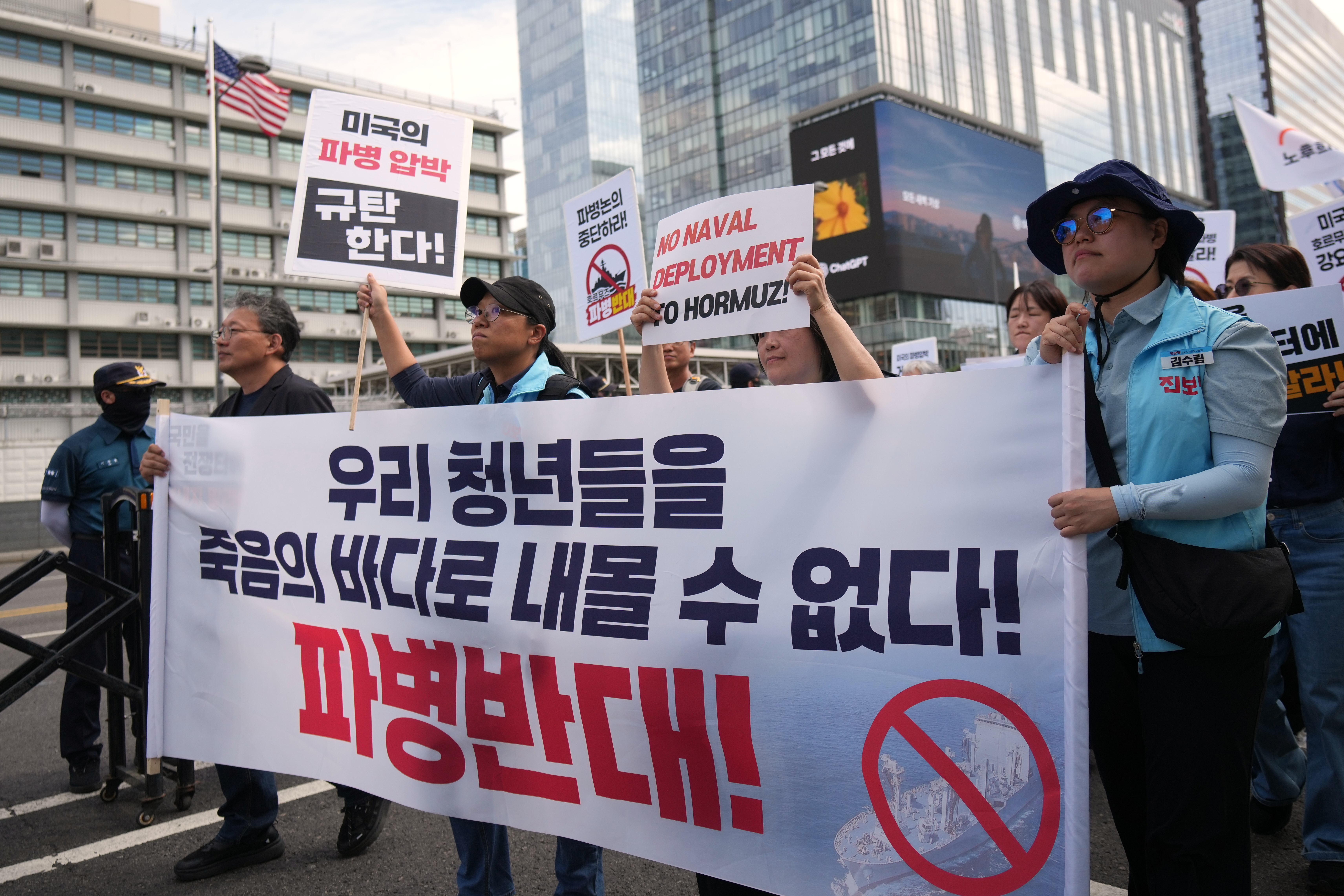
The ministry also said that reports claiming the US had set a deadline in requesting the deployment of South Korean assets to the region were not true. No decisions have been made regarding a possible deployment, the ministry said.
Several South Korean media outlets reported earlier Friday that the military was moving to prepare for a possible deployment to the strategic waterway.
Under South Korean law, an overseas troop deployment requires a decision by the National Security Council, deliberation by the cabinet, and approval from the National Assembly.
