

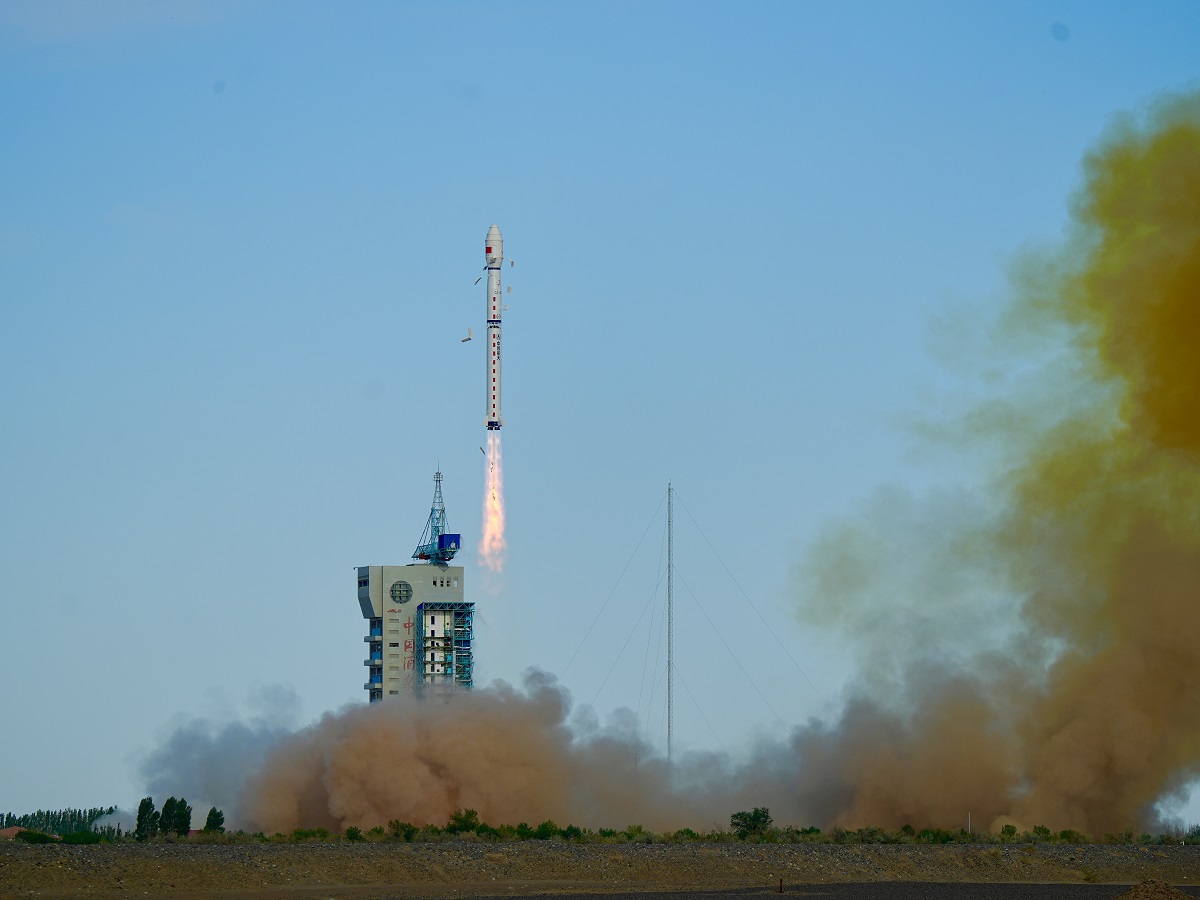
China launched a Long March 4B carrier rocket to deploy its latest oceanographic research satellite, the HY-2E, on Thursday morning, according to the China National Space Administration.
The rocket lifted off at 7:46 am from the Jiuquan Satellite Launch Center in the Gobi Desert and soon placed the satellite, built by the Shanghai Academy of Spaceflight Technology, into its preset orbit, the administration said in a statement.
The satellite will replace HY-2B to monitor the global marine dynamic environment, it noted.
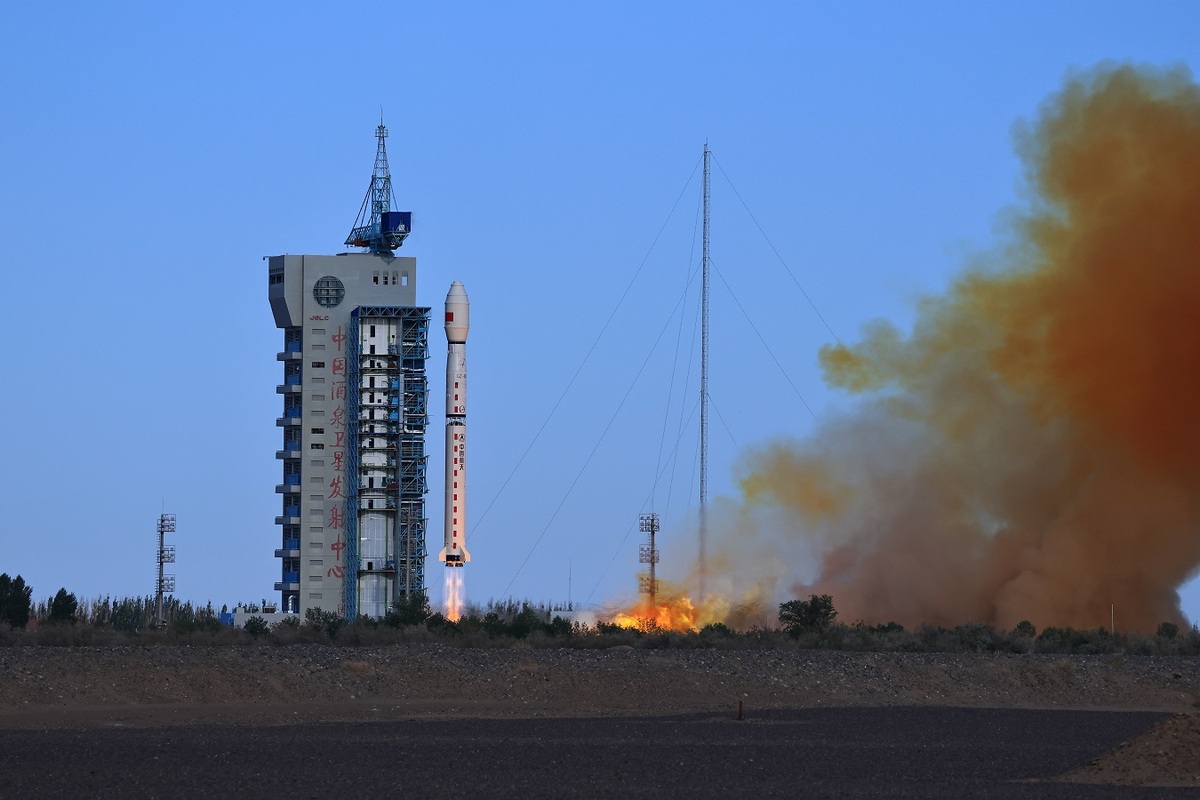
HY-2E is equipped with a suite of core payloads including a radar altimeter, microwave scatterometer, microwave radiometer, and calibration radiometer, and will deliver high-precision, high-resolution real-time observations of sea surface height, significant wave height and sea surface wind fields.
ALSO READ: China launches experimental satellite
Controlled by the National Satellite Ocean Application Service under the Ministry of Natural Resources, the spacecraft will provide first-hand data for a range of sectors in China, including disaster reduction, meteorology, maritime transportation, global climate change research, oceanographic research, as well as surveying and mapping.
HY-2B was lifted in October 2018 atop a Long March 4B at Taiyuan Satellite Launch Center in Shanxi province.
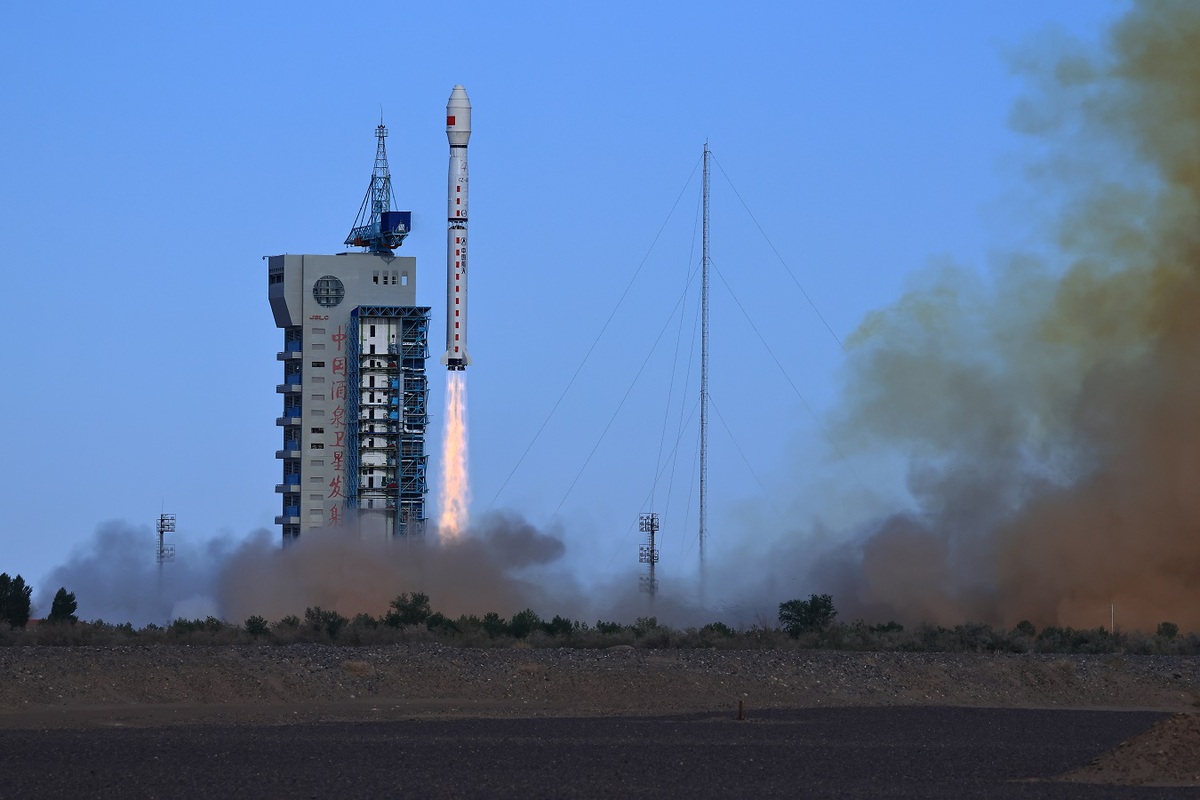
China launched its first marine observation satellite, HY-1A, in May 2002, laying the foundation for an oceanographic monitoring system. So far, the nation has deployed more than 10 marine satellites to space.
Thursday's launch marked the 47th space mission in China in 2026 and the 654th flight of the Long March rocket fleet.
