

A film in the Chaoshan dialect about qiaopi letters has become the surprise hit of the May Day holiday season, Zheng Caixiong reports in Guangzhou.
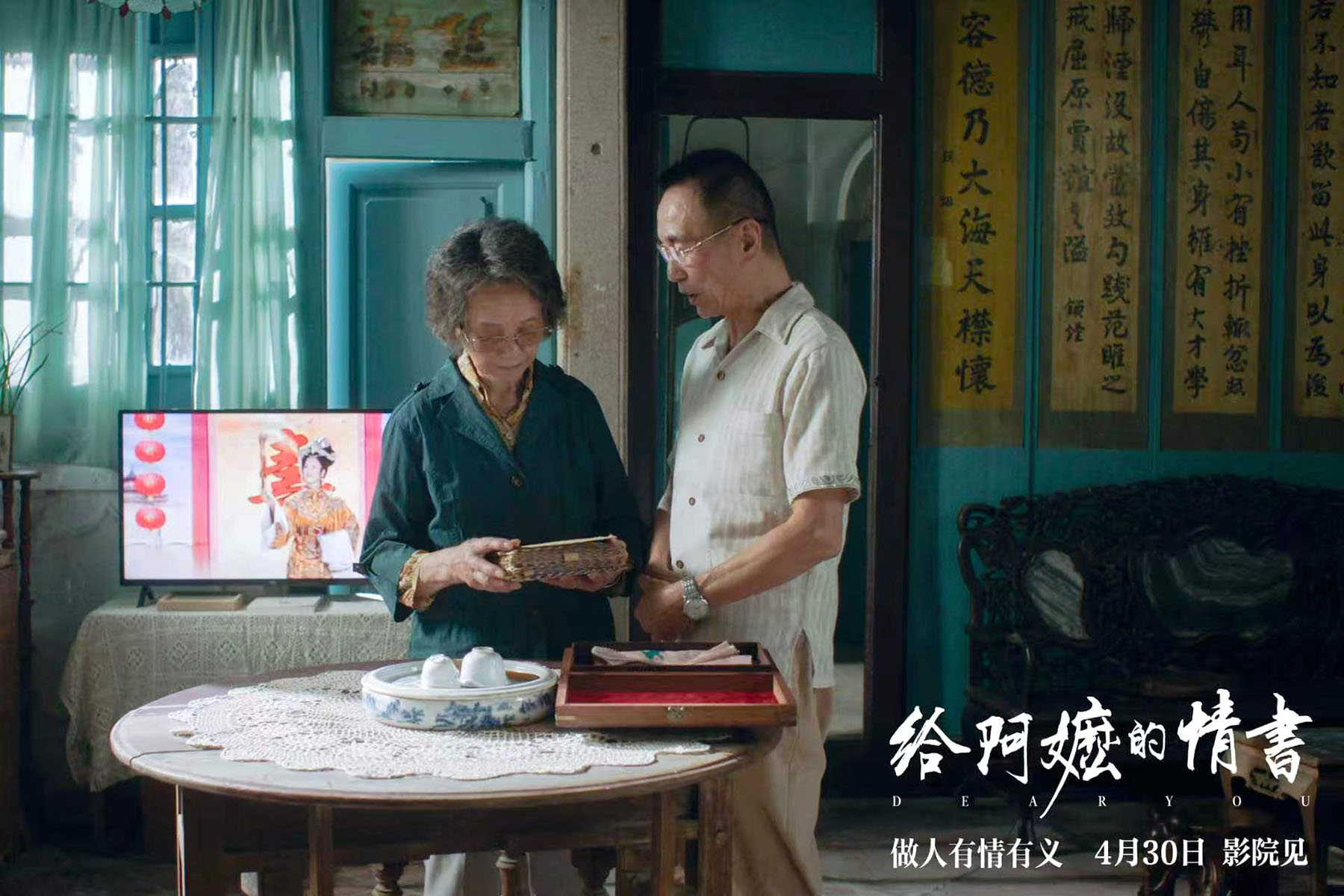
A low-budget Shenzhen-produced movie centered on qiaopi (overseas Chinese remittance letters) has earned widespread acclaim and emerged as one of the biggest surprise hits of the May Day holiday box-office season.
Dear You follows a series of letters tied to Ye Shurou, a grandmother who spent decades waiting for her husband, Zheng Musheng, while her grandson searches for the truth behind their family's past.
The journey gradually uncovers the hidden story of Xie Nanzhi, a Thai woman of Chaoshan, or Teochew, descent who was Zheng's sworn sister and trusted confidante.
READ MORE: China's May Day box office edges up as 'Vanishing Point' tops holiday charts
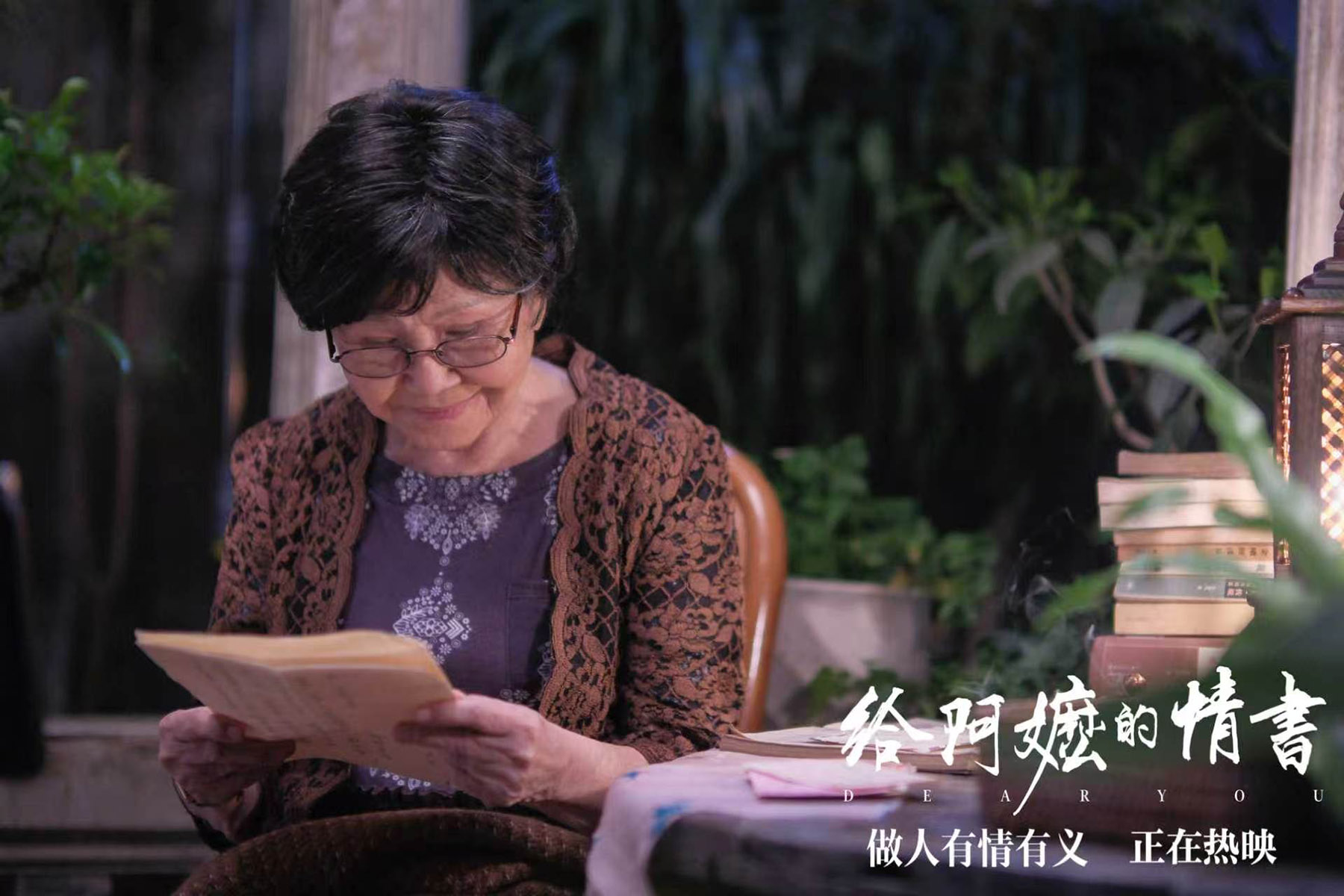
After Zheng's death, Xie quietly cared for Ye Shurou from afar, secretly writing letters and sending money in his name for 18 years. Years later, Xie's adopted son, Xie Zehua, reads those letters aloud to Grandma Ye, revealing a long-buried story.
The film received a rating of 9.0 out of 10 on Douban, a major review platform — the highest among all new releases during the holiday — underscoring its broad audience appeal.
By Thursday, the movie had grossed about 227 million yuan ($33.5 million), with ticketing platforms Maoyan and Beacon projecting its final box office revenue could reach 725 million yuan.
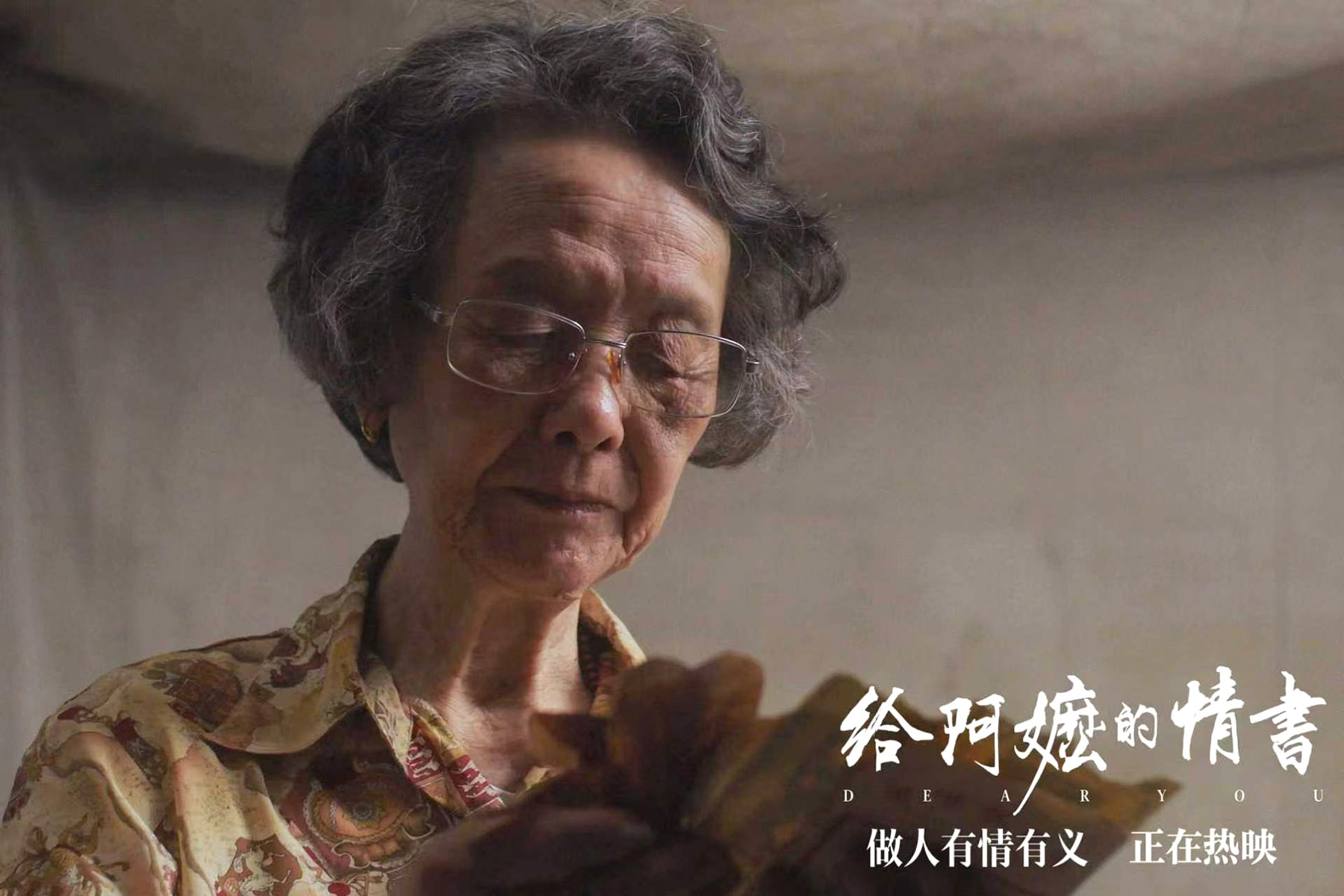
Written and directed by Lan Hongchun, a native of eastern Guangdong's Chaoshan region, Dear You is deeply rooted in local culture and qiaopi history.
The story revolves around a Chaoshan grandmother who spends half a century waiting for letters. Through old correspondence, the younger generation retraces family memories and gradually uncovers the intertwined lives of two women shaped by endurance, sacrifice and longing.
Featuring authentic Chaoshan dialect throughout, the film weaves together local customs, family bonds and the historical experience of overseas Chinese communities.
Without relying on sensational plot twists or formulaic storytelling, Dear You adopts a restrained, lifelike narrative style, portraying the emotional weight carried by ordinary people during waves of migration of Cantonese people to Southeast Asia.
Released during the fiercely competitive May Day holiday season, the Chaoshan-dialect Dear You achieved an impressive breakthrough, despite lacking major stars.
Driven by its solid artistic quality, audience word-of-mouth, and a carefully planned distribution strategy expanding from Guangdong to the entire country, the movie defied market headwinds and stood out.
The film held advance screenings in selected cities ahead of the May Day holiday. Officially released on April 30, it gradually expanded its run from a full release across Guangdong province to nationwide screenings.
As audience praise continued to grow, cinemas increased the number of screenings. By Thursday, cumulative admissions had reached 5.98 million.
Facing competition from big-budget action, comedy and suspense films, Dear You maintained steady box-office growth and became the season's standout emotional dark horse.
Industry observers believe the film could continue performing strongly long after the May Day holiday period ends.
Compared with more commercially driven genre films released during the same period, including suspense, action and comedy productions, Dear You takes a realistic and heartfelt approach. Through themes of hometown nostalgia, family ties and the lives of overseas Chinese, it resonates with audiences through simple and grounded storytelling, observers say.
A viewer surnamed Chen in Shantou says the film reminded her of her grandmother.
"The movie portrays the authentic daily lives of Chaoshan people in those years," she says, adding that she has seen the movie twice.
Director Lan says the story of Dear You is 90 percent authentic, and 100 percent sincere.
"In the childhood memories of the Chaoshan people, Grandma is always the warmest and most comforting presence," he says.
"The original idea was simple — I just wanted to tell audiences a pure story about grandpas and grandmas," says Lan.
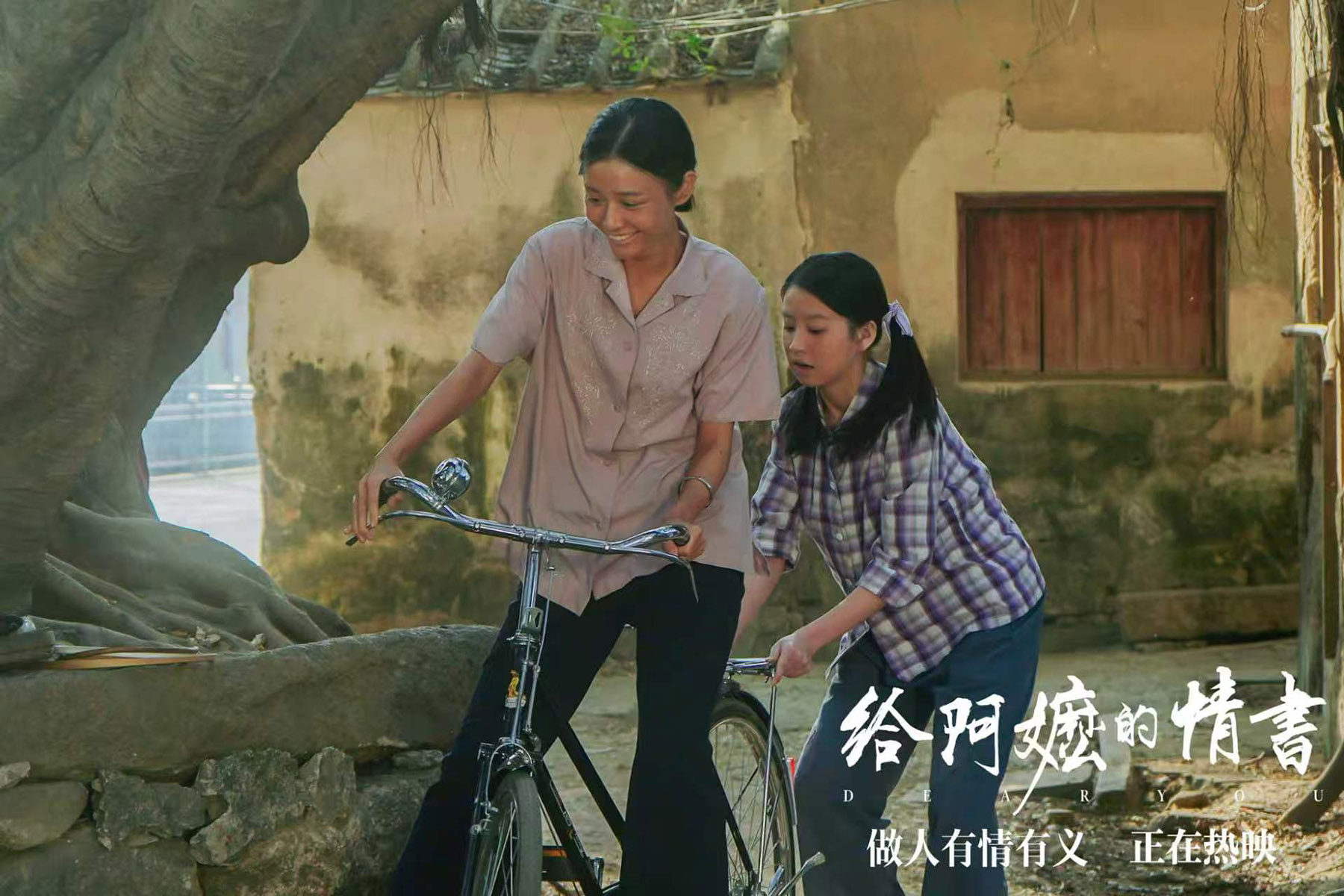
Lan, a Chaoshan native, has long been deeply passionate about depicting rural stories from his hometown.
The generation portrayed in the film lived through major historical periods, including the Chinese People's War of Resistance Against Japanese Aggression (1931-45), the founding of the People's Republic of China in 1949, and the country's reform and opening-up beginning in the late 1970s.
Lan says the Chaoshan people endured hardship for generations as they left home and crossed the seas to make a living, while many overseas Chinese later returned to support their hometowns after the reform and opening-up.
He says that over 90 percent of the plot in the film is based on real events.
"For various reasons, many people could not return home decades ago. Their families and friends would hide the news of their passing, keep sending remittances, and write letters as if they were still alive," he says.
"The emotional power and dramatic tension in those real stories made me feel that these experiences had to be brought to the screen," he adds.
Zheng Runqi, who plays the grandson, says he hopes more filmmakers will create movies in the Chaoshan dialect because the region contains countless stories worth telling.
Contact the writer at zhengcaixiong@chinadaily.com.cn
