

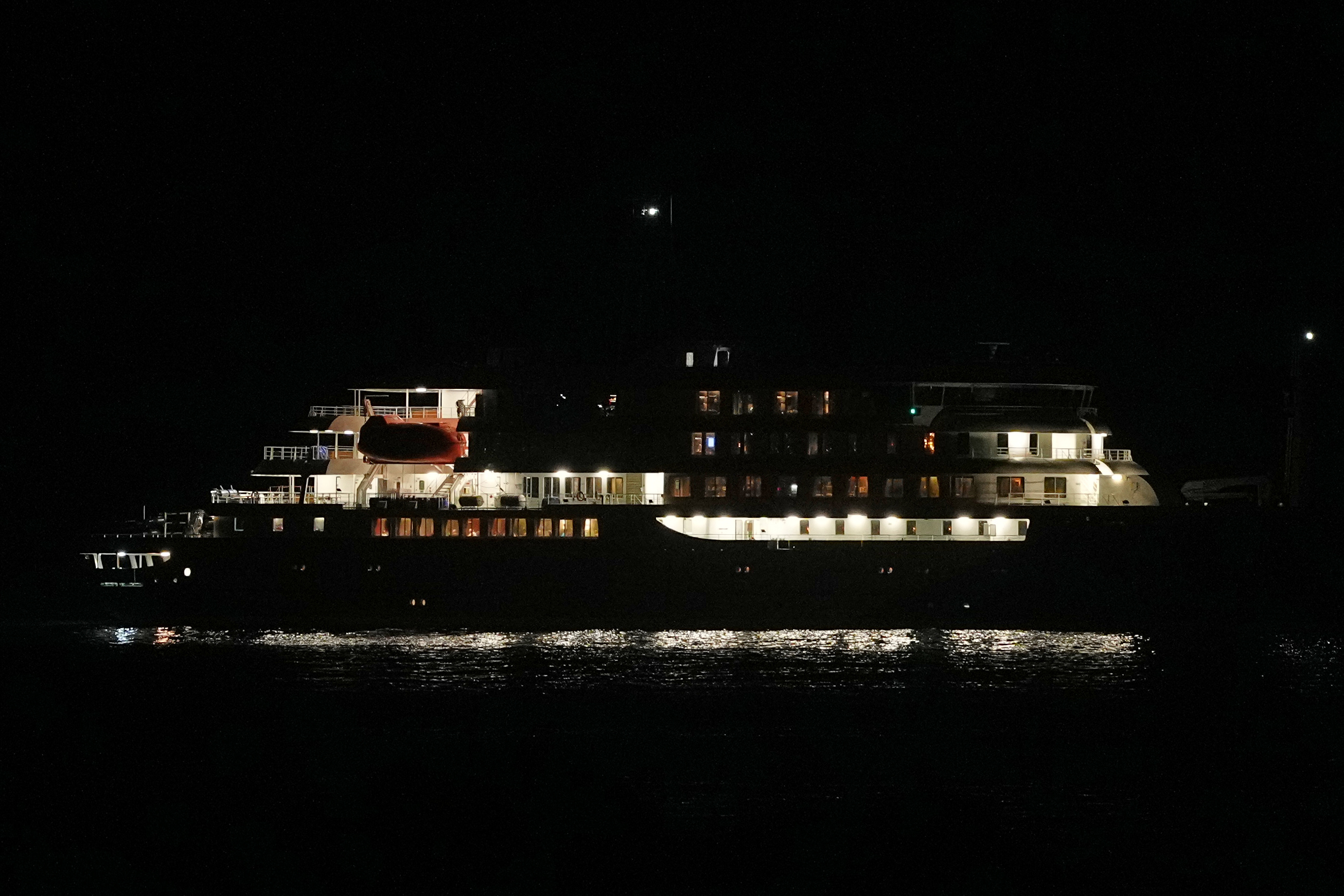
CAPE TOWN/GENEVA/MADRID/PRAIA - South Africa has detected the human-to-human transmissible Andes strain in two hantavirus cases in the country involving patients who disembarked from a cruise ship linked to an outbreak of the disease, according to the health minister's presentation to parliament on Wednesday.
The World Health Organization earlier said on Tuesday that the hantavirus victims on the ship MV Hondius in the Atlantic Ocean may have been infected prior to joining the cruise, and human-to-human transmission on board cannot be ruled out.
The agency received reports of hantavirus outbreak on the MV Hondius on May 2. Seven individuals of the 147 passengers and crew have been reported ill and three have died. The situation remains fluid, WHO's chief of Epidemic and Pandemic Preparedness and Prevention Maria Van Kerkhove told reporters in Geneva.
"One patient is in intensive care in South Africa, although we understand that this patient is improving," she said, adding that two other patients, still on board the ship, are being prepared for medical evacuation to the Netherlands for treatment.
Van Kerkhove stressed that the situation is being closely monitored. As a precaution, passengers have been asked to remain in their cabins while disinfection and other public health measures are carried out.
ALSO READ: WHO confirms 2nd hantavirus case on Dutch cruise ship
"The plan is, and our highest priority is, to medically evacuate these two individuals" to make sure that they receive the required care, and there are no other symptomatic patients on board, she said.
The ship is set to continue on to the Canary Islands, Spain, and the WHO is working with the Spanish authorities "to do a full epidemiologic investigation, full disinfection of the ship," she added.
Hantaviruses are carried by rodents and can cause severe disease in humans. Thousands of infections are estimated to occur each year. People usually get infected through contact with infected rodents or their urine, their droppings, or their saliva.
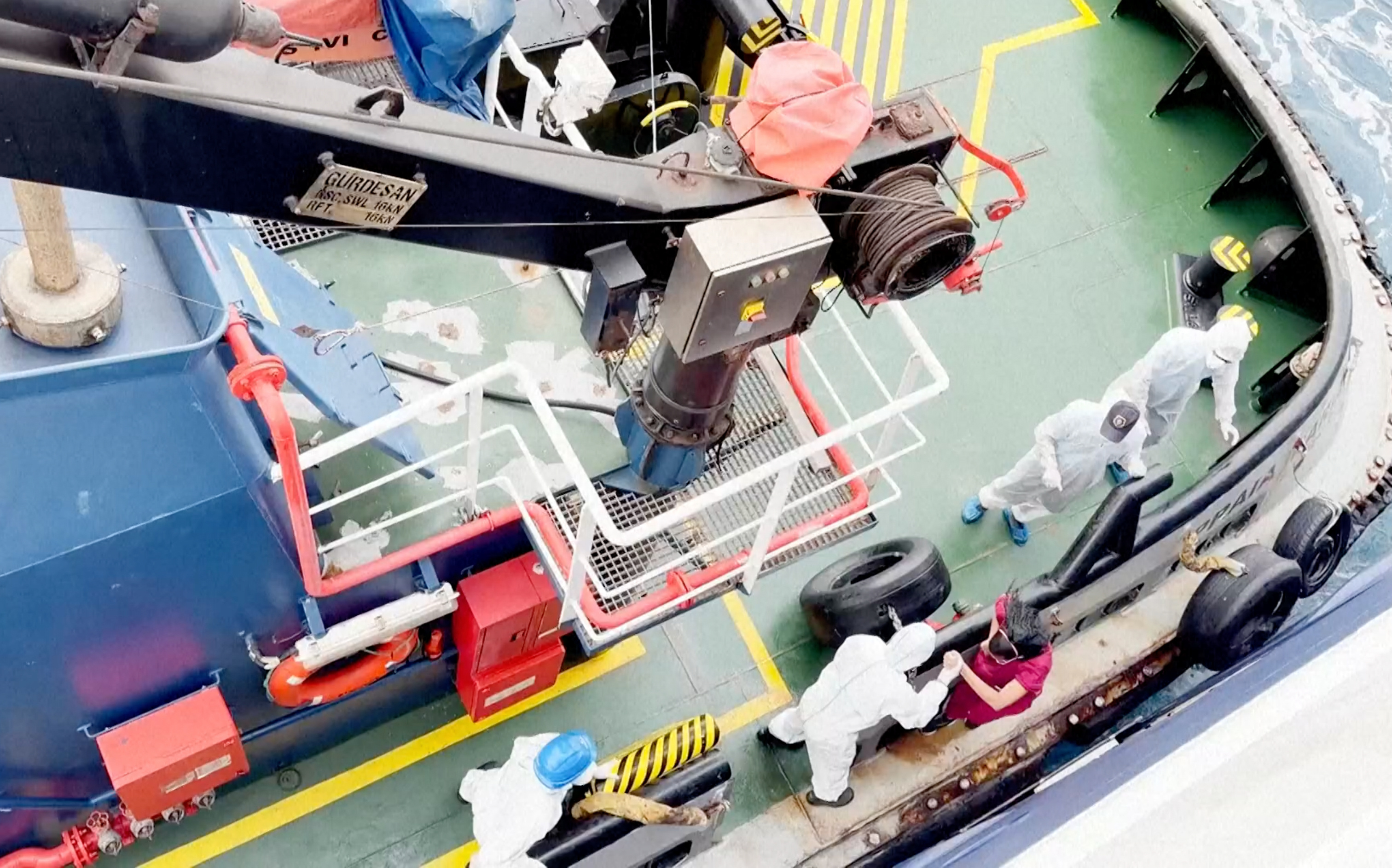
As to the suspected origins of the virus, Van Kerkhove said that the initial patients -- a husband and wife -- boarded the ship in Argentina.
"With the timing of the incubation period of hantavirus, which can be anywhere from one to six weeks, our assumption is that they were infected off the ship," she said.
"We do believe that there may be some human-to-human transmission that's happening among the really close contacts," such as the husband and wife and others who have shared cabins, she noted.
READ MORE: WHO: Hantavirus outbreak on cruise ship leaves 3 dead
According to the WHO, human-to-human transmission of infection hantavirus between people is uncommon, but limited spread has been reported among close contacts in previous outbreaks of the Andes virus, which is part of the hantavirus group.
There are no specific treatments for hantavirus other than supportive care. "Typically, people will develop respiratory symptoms, so respiratory support is really important," Van Kerkhove said.
Cape Verde to airlift three patients
Meanwhile, Cape Verde will airlift three patients in the coming hours from the cruise ship MV Hondius, which remains anchored off the Port of Praia, National Director of Health Angela Gomes said Tuesday.
Speaking at a press conference, Gomes said the three patients requiring urgent medical care are in stable condition, with no new cases reported among the remaining passengers and crew.
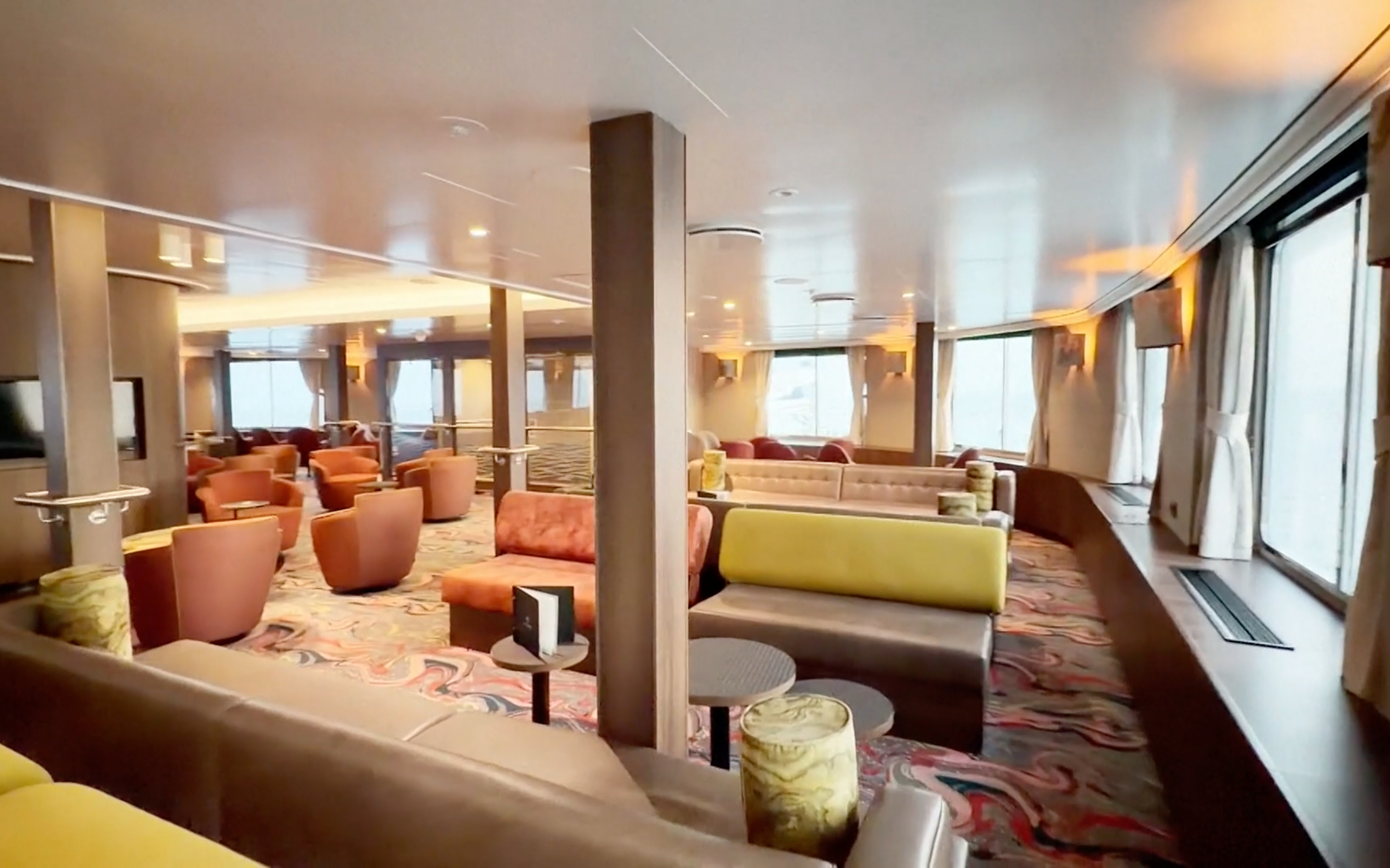
The evacuation will be carried out by specialized air ambulances, with one aircraft already in Cape Verde and another expected to assist. "The transfer will take place as soon as all safety conditions are in place," she said, without specifying a timetable.
Gomes stressed that the risk to Cape Verde remains low, as no passengers have disembarked and there has been no contact with the country's territory.
Spain's Canary Islands leader rejects docking of ship
The leader of Spain's Canary Islands regional government, Fernando Clavijo, on Wednesday rejected allowing a cruise ship hit by a deadly hantavirus outbreak to dock in the archipelago, calling for an urgent meeting with Spanish Prime Minister Pedro Sanchez.
Speaking to Spanish media, Clavijo criticized the central government's decision to receive the vessel in the Canary Islands, saying it lacked "technical criteria" and the regional authorities had not received sufficient information to guarantee public safety.
"We will do everything possible to prevent the ship from coming to the Canary Islands," Clavijo said.
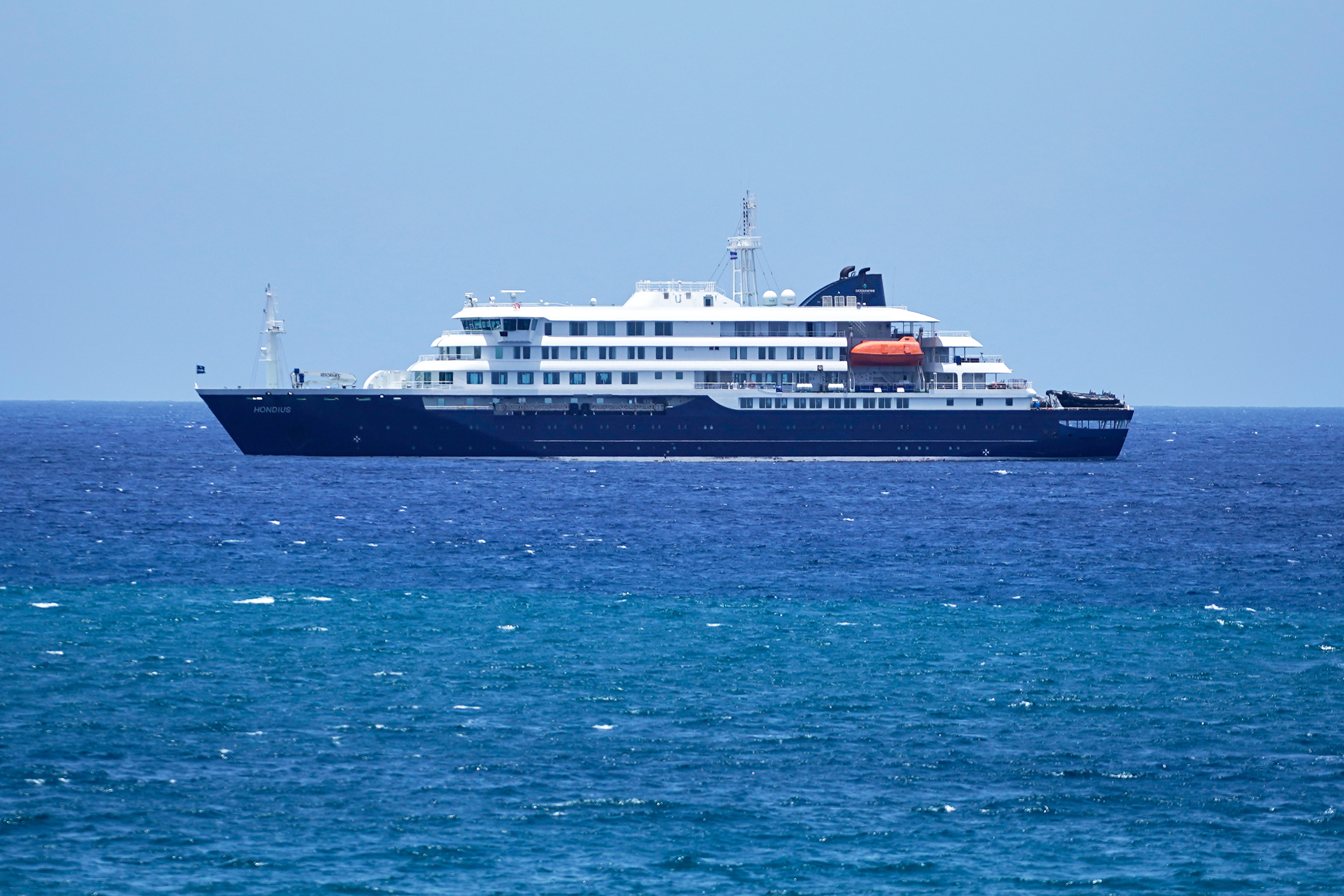
The Dutch-operated cruise ship MV Hondius is currently near Cape Verde after being denied permission to dock there following the hantavirus outbreak on board.
Spain's health ministry confirmed Tuesday that the country would receive the vessel in the Canary Islands "in accordance with international law and humanitarian principles," following requests from the WHO and the European Union.
Spanish authorities said strict health and isolation protocols would be implemented upon the ship's arrival, with medical teams handling passenger screening, treatment and repatriation procedures.
