

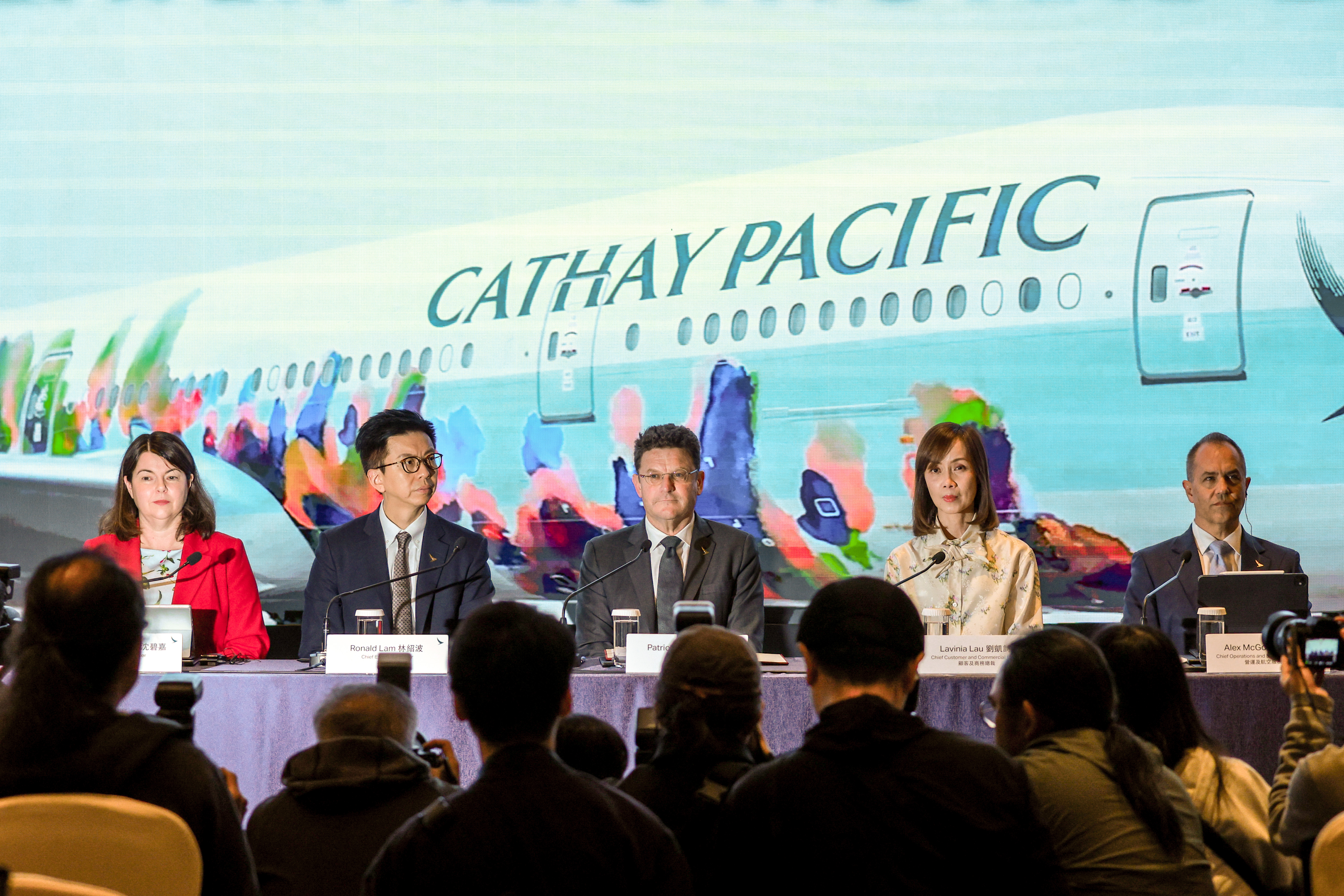
Hong Kong’s flagship carrier, Cathay Pacific Group, said it will announce a fuel-surcharge increase soon as oil prices remain volatile.
Air ticket prices may also rise because of the short-term pent-up demand from passengers using Hong Kong as a transit hub for long-haul destinations in Europe and North America.
“The most significant impact of the Middle East situation is on oil prices. Aviation fuel prices were around $80 per barrel in January and February, but they have now risen to over $160 per barrel,” Cathay CEO Ronald Lam Siu-por said at the Wednesday news conference. “The group will soon announce adjustments to fuel surcharges to ensure continued efficient flight operations,” he added.
The CEO said the group's fuel hedging has reached 30 percent, and this will continue to be handled according to existing mechanisms, unaffected by the situation. Airlines commonly use fuel hedging to lock in future fuel prices and limit major price swings.
ALSO READ: Cathay chair urges continued LegCo support to bolster global aviation hub status
The flagship carrier’s daily flights to its two Middle Eastern destinations — Dubai in the United Arab Emirates, and Riyadh, Saudi Arabia — have been suspended until the end of the month because of the Iran conflict, and the carrier will review whether to resume daily flights to these two destinations at that time.
Cathay Chief Customer and Commercial Officer Lavinia Lau Hoi-zee said the situation in the Middle East may raise ticket prices in the short term.
“Due to the situation in the Middle East, many round-trip flights have been affected, forcing passengers to find alternative routes to their destinations. In the past week, there has been a surge in sudden demand on Hong Kong-Europe routes, and with already high booking rates, this additional demand has led to higher ticket prices,” Lau said.
She added the airline will increase the number of flights to London, United Kingdom, and to Zurich, Switzerland, in March, and use larger aircraft to increase capacity.
Cathay on Wednesday announced a 9.5 percent year-on-year increase of attributable profit to HK$10.82 billion ($1.38 billion) in 2025, driven by increased capacity, solid passenger load factors and resilient cargo demand.
The carrier group announced a second interim dividend payment of 64 Hong Kong cents per ordinary share. Together with the first interim dividend, a total of 84 Hong Kong cents per share will have been paid in ordinary share dividends in respect of 2025, representing a hike of 21.7 percent.
READ MORE: Qatar Airways exits Cathay Pacific stake after eight years
“The prevailing global geopolitical environment is volatile, causing unexpected shifts in passenger and cargo traffic flows as well as jet fuel prices,” Cathay Chairman Patrick Healy said at the news conference. “Ongoing supply chain disruption and cost inflation continue to impact delivery of new aircraft, cabin products and parts.
“We expect to grow passenger capacity by around 10 percent in 2026 as we add frequencies and destinations to our network, which will also contribute to increased cargo capacity. We remain highly confident in our future at the very center of the Hong Kong international aviation hub,” the chairman added.
However, the airline group’s annual result was partially offset by passenger yield normalization and last year’s losses in its subsidiary airline, HK Express.
Lam said HK Express suffered a loss of nearly HK$1 billion, mainly due to short-term factors, particularly the impact of earthquake rumors in Japan.
“These effects have subsided, and demand has returned to normal. HK Express' performance in the first two months of this year has significantly improved,” Lam said. “With many fundamental factors have been continuously improving such as cost-effectiveness and aircraft utilization rates, I am very confident that the subsidiary airline will return to profitability in the long term.”
Cathay’s share price soared 4.3 percent to finish at HK$13.17 following the company announcement on Wednesday.
