

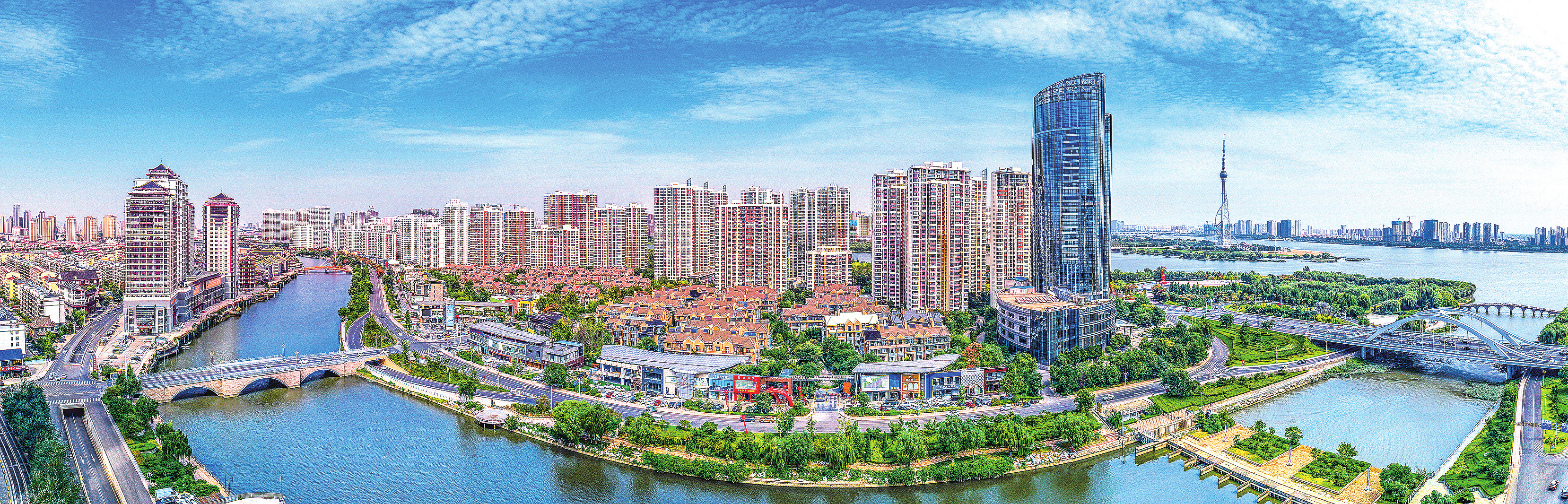
Known for wholesale markets and logistics, Linyi, Shandong province, has made South Korea the centerpiece of its opening-up strategy.
On Nov 26, the city held the China (Linyi)-South Korea business matchmaking event in Seoul, where 47 Linyi companies met with 97 South Korean business associations and buyers.
In the first 10 months of 2026, Linyi has run 19 trade events in South Korea and hosted 21 business matchmaking sessions on its home turf to attract South Korean buyers. That steady rhythm, more than any single deal, has made South Korea Linyi’s most dependable partner.
The relationship began as a one-way flow of consumer goods and is now reciprocal, extending from business matchmaking and exhibition collaboration to overseas markets and service stations.
“South Korea is the nearest developed economy to Linyi,” said Zhang Baoliang, the city’s Party chief. Linyi has three South Korean sister cities and hosts more than 10 government and business exchanges a year.
South Korea is also the city’s largest trading partner, with their trade reaching 25.26 billion yuan ($3.79 billion) in 2025, 14.2 percent of the city’s total, and 8.64 billion yuan in the first four months of 2026.
Linyi’s confidence in foreign trade rests on a dynamic private sector. It is home to 1.42 million registered market entities and 4,979 industrial enterprises above the designated size, ranking second and third in Shandong, respectively.
“We have traded with 222 countries and regions, and total foreign trade reached $26.6 billion last year,” Zhang said.
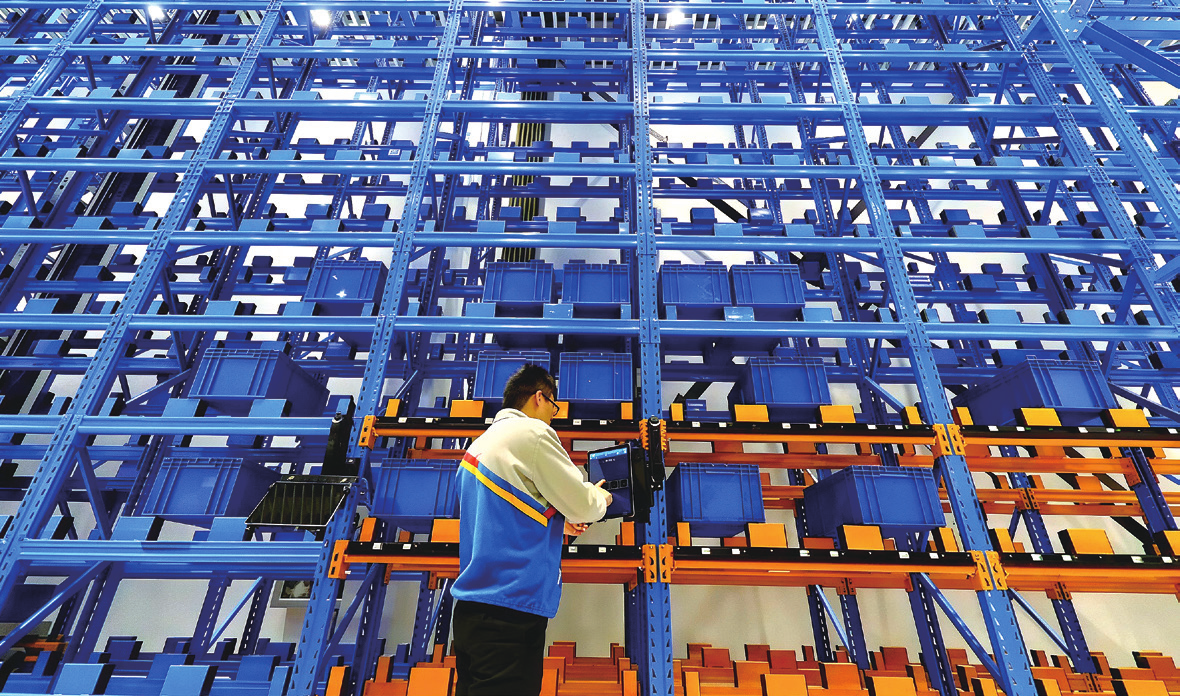
Linyi also ranks among China’s top 100 manufacturing cities, so buyers can deal directly with factories at source prices. It has cultivated 13 flagship industry chains, with biopharmaceuticals, smart farm machinery and wooden home furnishings all named to national cluster programs.
Of its products, 105 rank among China’s top three by output, output value or market share. The city’s industrial output reached $138 billion in 2025.
Market procurement trade, a customs channel for the small, mixed shipments typical of wholesale markets, is now the main route into South Korea. On the general-trade side, 48 companies exporting more than 10 million yuan of goods each account for 60 percent of the total.
The mix is moving upmarket: better-grade garments, precision model toys and eco-friendly housewares are gaining share. High-tech exports rose 27.1 percent and imports of South Korean electronic components climbed 62.9 percent.
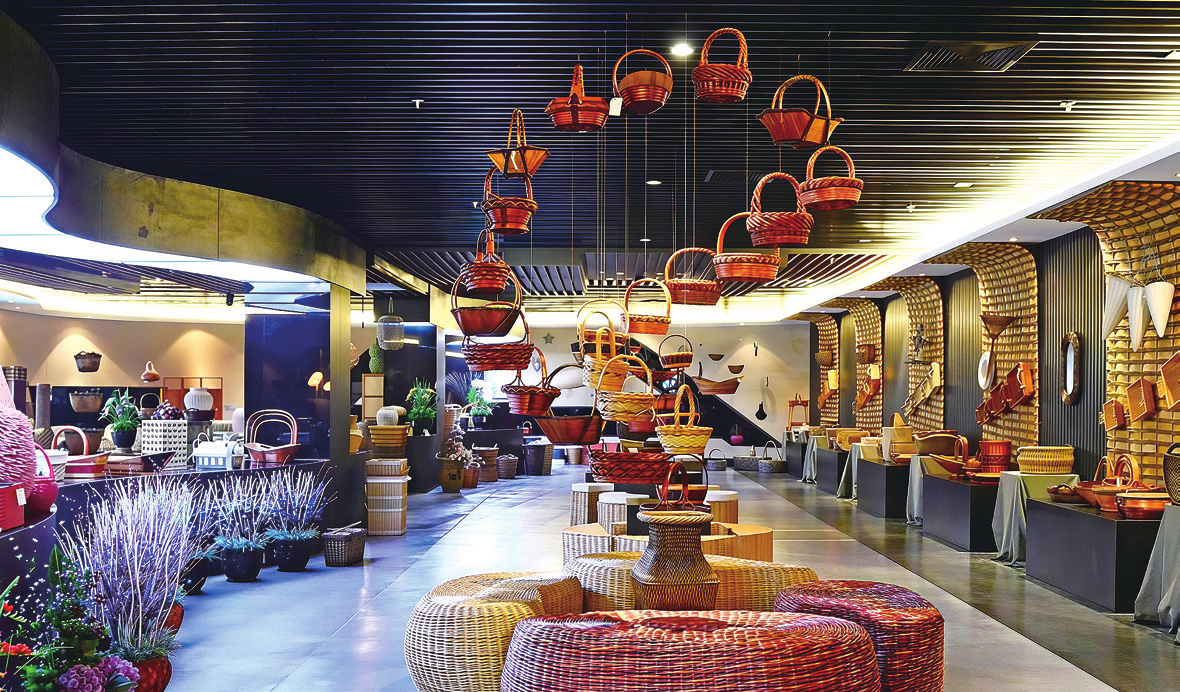
Companies are pushing out and the city is building the platform for them. In July, Linyi’s labor-protection products association and a South Korean cross-border e-commerce association led a group of 57 quality companies to South Korea for site visits, a trade show and one-on-one buyer meetings.
More than 100 types of key products went on display, and talks covered custom specifications, marketplace onboarding and long-term supply — the details that turn a first order into a lasting channel.
Much of that groundwork came from Linyi’s overseas service station in South Korea. It has brought two associations and 12 visitors to Linyi, connected 58 South Korean companies with local suppliers and advanced six projects, including two exhibition and sourcing centers. The station plans at least 15 trade events in 2026 and aims to bring 20 more Linyi firms into exporting to South Korea.
Exhibitions remain the most visible channel. The second Lanhua Korea Expo closed in September in Seoul, filling more than 11,000 square meters over three days. Over 130 Linyi producers met buyers from South Korea, Russia, Japan and Mongolia, with more than 30 million yuan in on-site deals and indicative deals above 100 million yuan.
While the expo lasted three days, its related mall operates year-round. In Yongin, Gyeonggi Province, the 15,000-square-meter Lanhua Overseas Mall is the largest Chinese-run showroom and sales complex in the country.
“In just two years, this one hub has channeled more than $600 million in China-South Korea trade and served over 300 Linyi exporters,” said Guan Zhaojun, chairman of Shandong Lanhua Group.
Behind that growth sits infrastructure. Linyi is the first Chinese city to host all three Transports Internationaux Routiers hubs — a consolidation center, a service center and a vehicle verification center — and runs 24 China-Europe freight rail routes.
Contact the writer at haonan@chinadaily.com.cn
