


As artificial intelligence challenges the role of universities in knowledge delivery, their core mission should be to foster humanistic judgement to guide responsible use of the technology, and to bridge a widening digital divide to promote education equity and shared prosperity, Asia-Pacific university leaders told China Daily.
Angelo Jimenez, president of the University of the Philippines, said that in the AI era, universities no longer have a monopoly on teaching, and should redefine themselves as hubs for co-creating knowledge. Amid that shift, they can play a larger role in making sure that knowledge is trustworthy and validated through humanly acceptable processes. “Although AI can come out with really good predictive properties, I think the fundamental issue of the 21st century is legitimacy and validity, which has to be controlled by humans,” he said.
The scholar added that the more advanced AI becomes, the more important it is to strengthen foundational human capacities and return to education’s fundamental mission: developing literacy and numeracy, which are the foundations of critical thinking and scientific reasoning. He believes this is the key to humanity maintaining control over AI.
ALSO READ: CE pitches GBA as model of open cooperation at APEC CEO Summit
He said although the digital divide has long existed, the power of AI may allow people who control the technology to use it to take advantage of others. To bridge the gap, he stressed the importance of helping Asia-Pacific economies retain highly skilled talent, and proposed that they foster online joint research collaborations and jointly recognized doctoral programs in areas such as engineering or bioscience. All partnerships must be based on the principle of mutual benefit in order to be sustainable, he added.
Tatacipta Dirgantara, rector of Bandung Institute of Technology in Indonesia, said in the face of AI-driven challenges, universities need to change the delivery of courses to ensure students develop genuinely valuable skills and that AI serves as an enabler, rather than a disruptor, of the learning process.
“We cannot avoid AI, like before when calculators came, and then we changed from calculating manually to using calculators. But the responsibility of humanity cannot be transferred to AI. We need to have clear judgment, collaboration and empathy. We need to understand the responsibility of the university and the one who is educated to the people,” he said.
READ MORE: Guangdong creating opportunities at rapid pace for foreign investors
Universities should reform teaching methods, he added, potentially leaving one-way content delivery to videos and AI while using class time for case studies, challenging questions, and critical discussion. This would encourage students to think independently and develop insights that go beyond AI-generated answers, helping universities sustain their value in the society of the future, he said.
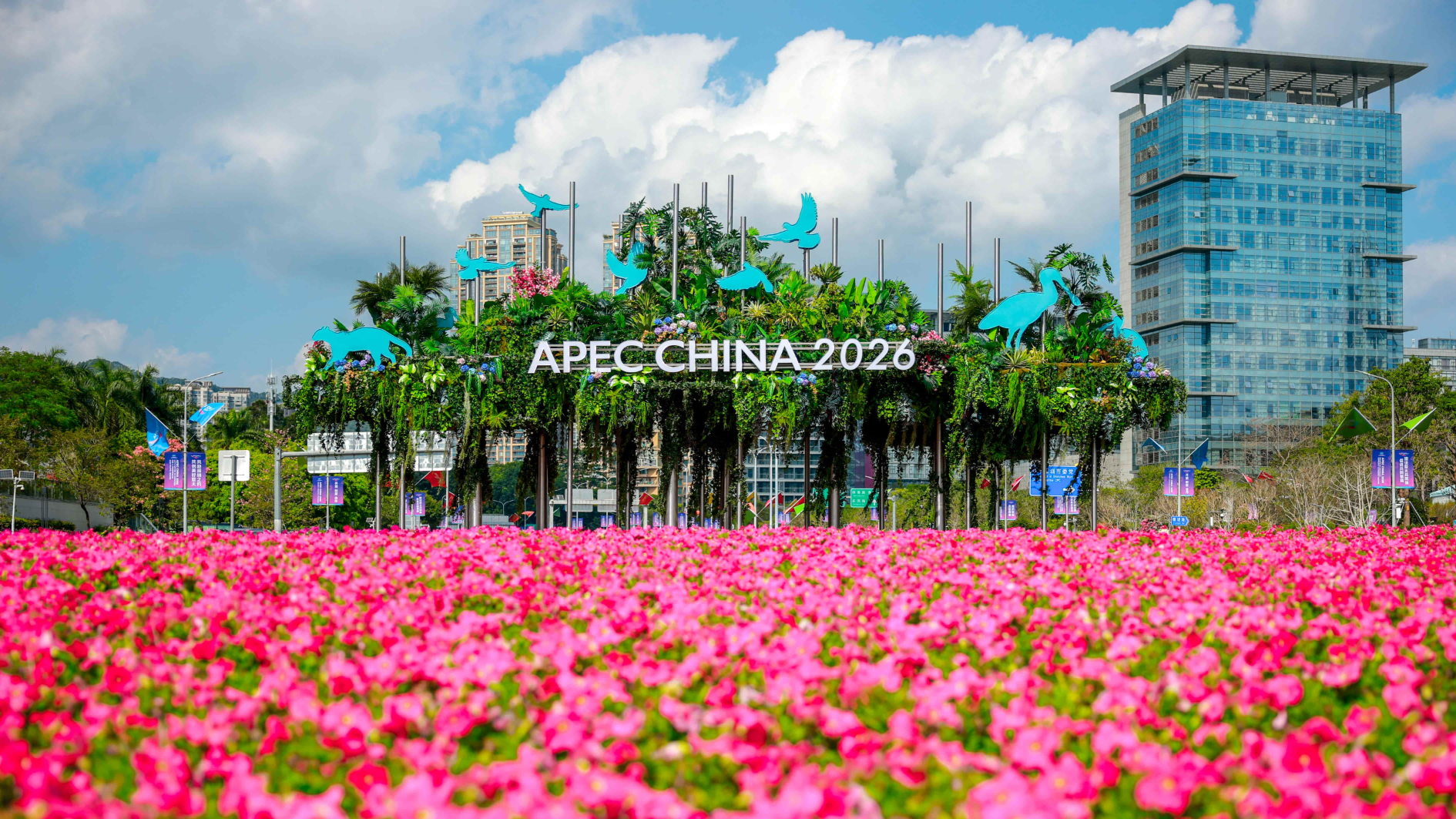
He called for greater resource-sharing among Asia-Pacific universities and said he hopes collaboration will not be limited to student exchanges and dual-degree programs, but will also focus on professor-to-professor partnerships, which can be more enduring than ties among students. With shared research interests and common knowledge, professors can build lasting collaborations with counterparts at other institutions and involve students in exchanges that foster cross-border connections and intercultural understanding, the rector said.
READ MORE: GBA seen contributing more to Asia-Pacific prosperity
Yang Bin, vice-chairman of Tsinghua University Council, said AI is becoming a central focus of collaboration among universities, which are highly concerned about its revolutionary impact on higher education. He added that some faculty, including those at leading research universities, are moving into industry - not necessarily for higher pay, but because companies can offer more attractive computing resources, real-world applications, data and talent.
As the Asia-Pacific region continues to grow, the academic community sees increasing opportunity for the center of gravity in global higher education to shift further toward the region. This is also closely linked to the Asia-Pacific’s expanding role as a key hub for global economic development and innovation.
During the ongoing APEC meetings week, many universities signed new partnership programs or expanded existing ones, and more institutions joined the region’s major exchange events such as the APEC University Leaders Forum. He believes that such sustained dialogue and collaboration in education and research will help build consensus on education quality assurance and advance mutual recognition of academic credits and degrees.
Contact the writer at bingcun@chinadailyhk.com
