

DOHA/TEHRAN — Qatari Prime Minister and Foreign Minister Sheikh Mohammed bin Abdulrahman bin Jassim Al Thani and US Secretary of State Marco Rubio discussed the latest regional developments and diplomatic efforts to de-escalate tensions on Thursday during a phone call, according to statements from both countries.
Qatar's Foreign Ministry said the two sides reviewed bilateral cooperation and their close strategic partnership, as well as ways to strengthen ties and enhance regional security and stability through continued diplomatic efforts and joint coordination.
During the call, the Qatari minister reaffirmed Qatar's support for all diplomatic efforts and initiatives aimed at reaching a solution that guarantees freedom of maritime navigation and paves the way for a comprehensive agreement to achieve lasting peace in the region.
ALSO READ: Iran firm on stand amid US move
In a separate statement, the US State Department said Rubio reaffirmed Washington's commitment to Qatar's security and freedom of navigation through the Strait of Hormuz.
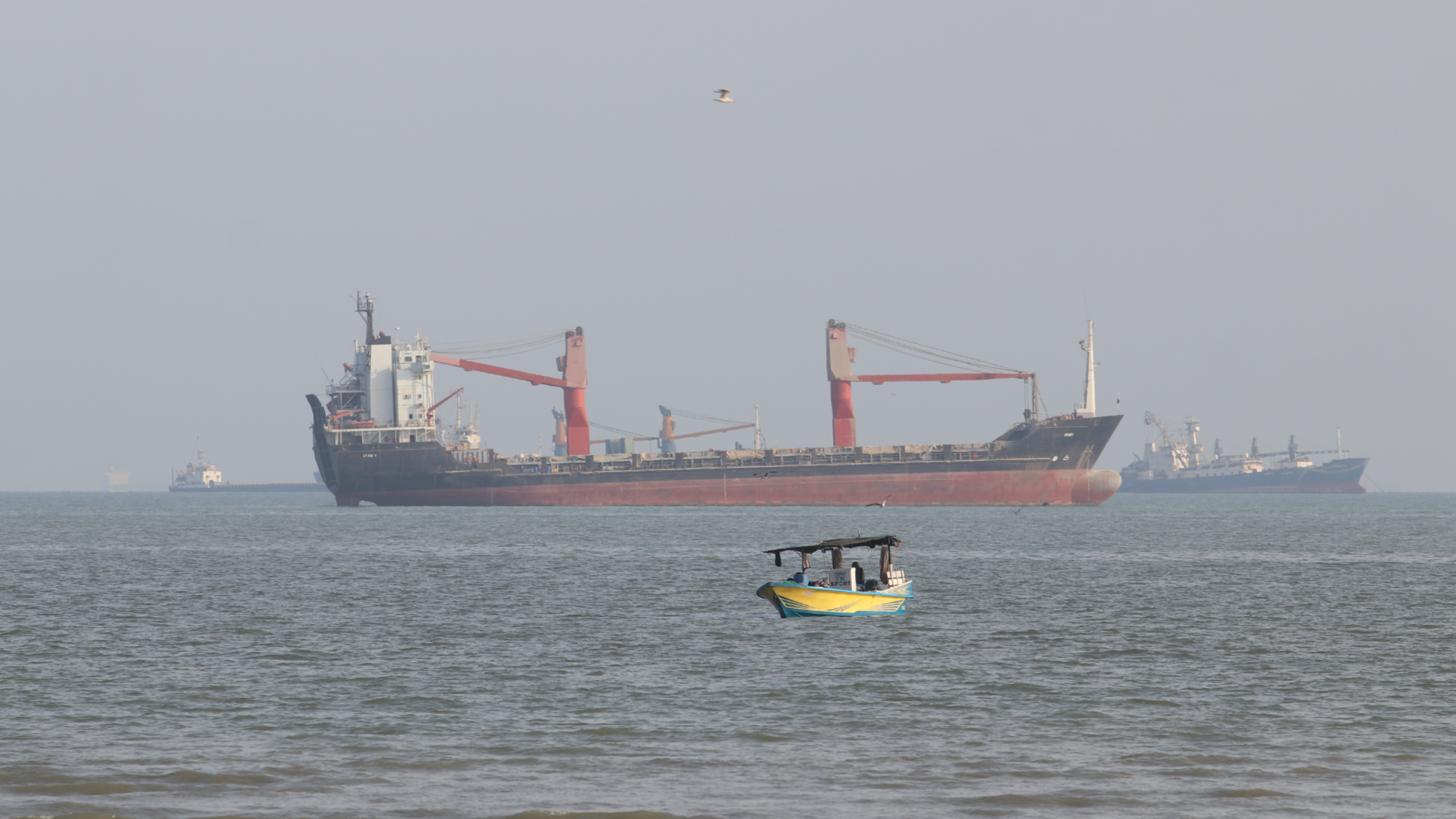
Iran tightened its grip on the Strait of Hormuz on Feb 28, barring safe passage of vessels belonging to or affiliated with Israel and the US following their joint strikes on Iranian territory.
US officials, including President Donald Trump, have claimed that the waterway is open and under the US forces' control, and oil is being transported through it.
Energy markets
A senior Iranian security official has warned that global energy markets will remain volatile "for the next three years" if the US continues its current pressure campaign against Iran.
"Perpetuating the current situation will carry strategic consequences, not least that the energy markets will not find calm for the next three years," Secretary of Iran's Supreme National Security Council Mohsen Rezaei said in an interview, published Thursday, with US-based news outlet Drop Site News.
Rezaei said that if another war is imposed on Iran, Tehran still has the capacity to launch missiles and drones at various US assets across the region and will expand its target list to include "cables, data centers and artificial intelligence facilities."
ALSO READ: Iran warns of retaliation as Trump backs Netanyahu
The official stressed that Iran will neither reopen the Strait of Hormuz nor return to negotiations, unless its seven new conditions, presented to the US through mediators, are met.
He also said Gulf states "are rapidly redefining their relationship with Iran" as they realized that "the US military is incapable of defending its own bases."
'Violating vessels'
The navy of Iran's Islamic Revolutionary Guard Corps said Thursday that it had struck four "violating" ships in the Persian Gulf in recent hours, while three other "offending" vessels exploded after hitting naval mines west of the Strait of Hormuz Wednesday night.
The four targeted ships, which had crossed an "illegal" route in the strait, were detected and hit in the northern central Gulf while engaged in a ship-to-ship transfer of oil cargoes, the navy said in a statement released by the IRGC's official news outlet Sepah News.
All four vessels were targeted simultaneously and set on fire, it said, adding that maritime companies had been warned against crossing "illegal" routes in the Strait of Hormuz.
The navy said the three vessels that struck naval mines the previous night caught fire and were forced to stop.
It added that the US government's insistence on inciting ships to pass through the "illegal and mined" route had led to a daily increase in maritime incidents, warning that if the US military continues to do this, the confrontation could extend to its bases in the region.
The navy said its forces still manage and control the Strait of Hormuz.
