

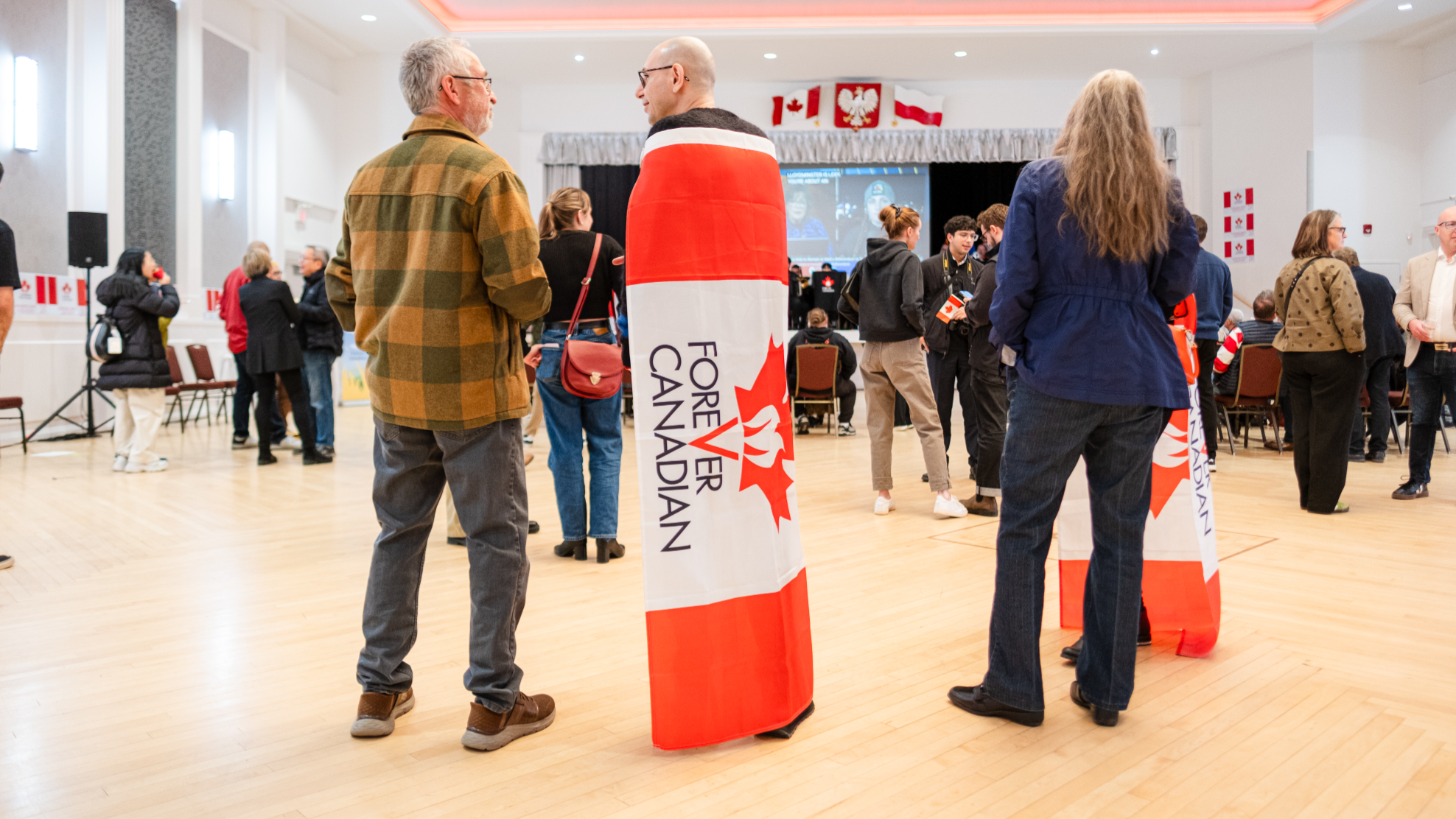
Voters in Alberta are set to reject separation from Canada, a victory for Prime Minister Mark Carney after a long referendum campaign that created divisions in the country’s energy heartland.
With about 1 million votes counted, roughly 76 percent were in favor of remaining in Canada, enough for the Canadian Broadcasting Corp to project victory for that side. The other option on the ballot was to support starting a legal process that could eventually lead to a second referendum on independence.
A win for the stay-in-Canada side was expected after several polls showed it had a healthy lead. The result will allay some fears that Alberta was poised to enter a period of deep uncertainty for businesses, just as many companies are seeking investment as part of an anticipated energy boom.
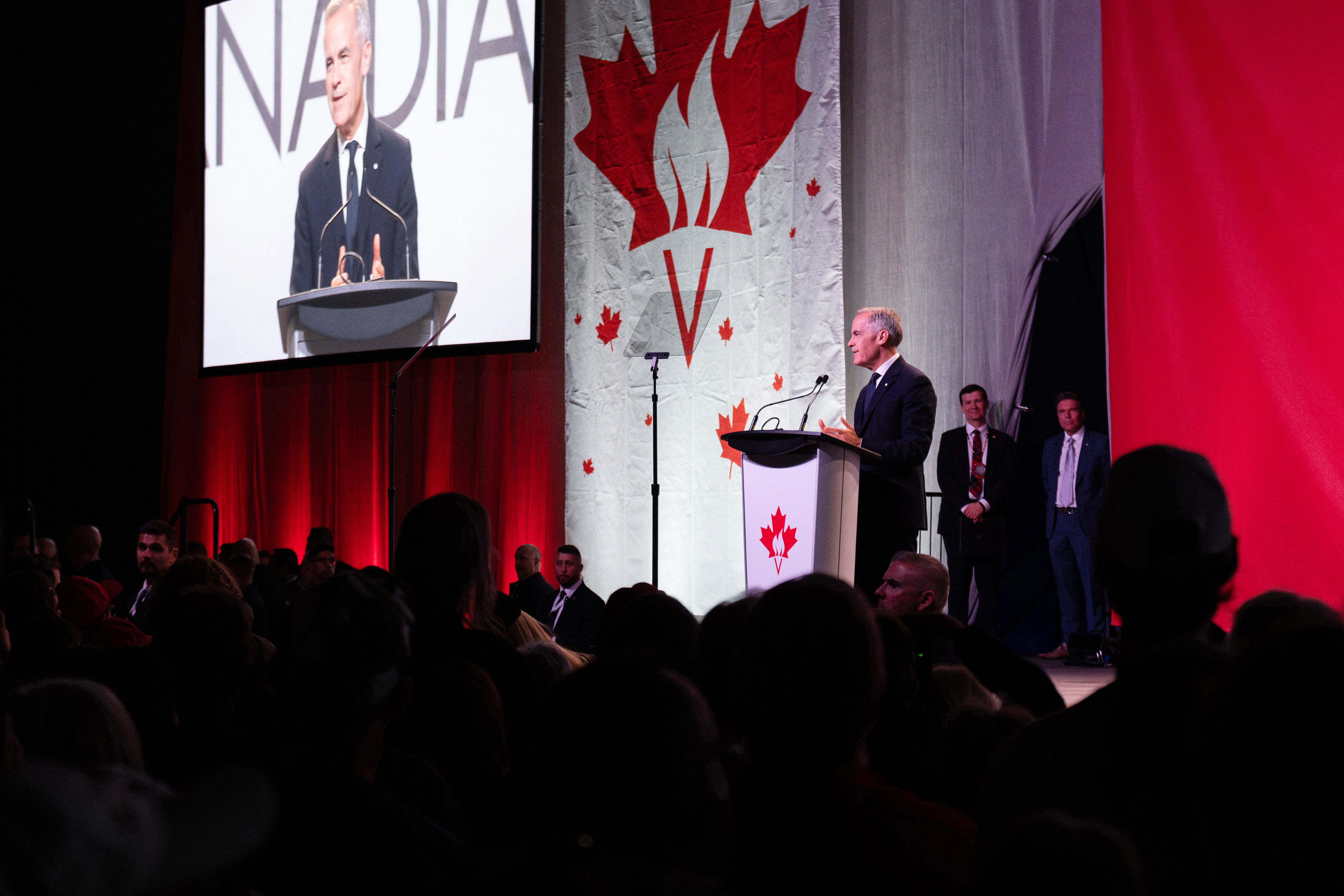
The final margin of victory will be watched closely by political leaders, though, with Carney last week giving speeches in the province and calling for a “decisive” win.
Premier Danielle Smith called the referendum in May after separatist organizers collected hundreds of thousands of names on a petition that asked for a vote. She advocated for staying in the country, though opinion surveys showed supporters of her United Conservative Party are divided on the matter. That tension may play out in the coming months, as she and others have warned of a potential split within the governing party.
ALSO READ: Carney’s liberals win three special elections in Canada
The resource-rich province of 5 million people produces more than 4 million barrels a day of oil and ships the bulk of it to refineries in the US, helping to make energy Canada’s largest category of exports. The region has been the epicenter of anger about former Prime Minister Justin Trudeau’s environmental policies, which restricted energy development and sought to promote renewables over fossil fuels.
Since taking power more than 18 months ago, Carney has reversed or changed a number of Trudeau’s signature policies — canceling a consumer carbon tax, loosening emissions rules and focusing the government on attracting more investment.
The prime minister, who grew up in Alberta, also made a series of pacts with Smith. The Canadian government agreed to back a new 1 million-barrel-a-day oil pipeline to the west coast as a project in the “national interest.” Carney and his cabinet pledged to fast-track approvals and asked state-owned pipeline company Trans Mountain Corp. to lead the building of it.
Energy industry observers say the required spending for expanding production, building the pipeline and also constructing a carbon-capture system may be north of C$100 billion ($71 billion) — a wave of investment into the region that would potentially rekindle the boom years of the early 2000s.
Proponents of independence say that Alberta, as its own country, would be able to reap the full rewards of having one of the world’s largest known crude oil and natural gas reserves. Their campaign also made the argument that even non-separatists should vote for the second option on the ballot, because the prospect of an independence referendum would help Alberta gain leverage and enhance its power within the country.
READ MORE: Canadian PM warns against external attempts to divide nation
The issue captured public attention. The most prominent pro-Canada group was led by former Deputy Premier Thomas Lukaszuk, who crisscrossed the province in a recreational vehicle to give speeches, hold events and hand out lawn signs. Carney appeared twice at the group’s rallies last week in Calgary and Edmonton.
The mayors of Alberta’s three largest cities all said they were opposed to separation, and the Calgary Chamber of Commerce issued a series of reports that found businesses would leave the province and the economy would suffer if voters chose separation.
Numerous polls had shown relatively consistent support of around 30 percent for separation ever since the referendum was called in May. But political leaders including former Premier Jason Kenney, Smith’s predecessor, warned that turnout could sway the results if the smaller but more motivated separatist side showed up to vote while federalist supporters stayed home.
Smith’s government also asked voters to answer nine other questions about immigration and constitutional issues. Full referendum results are expected to take several days.
