

TEHRAN/MANAMA – Iran's Foreign Minister Seyed Abbas Araghchi said Sunday that Tehran-proposed seven-day plan to reopen the Strait of Hormuz is "still on the table."
Araghchi made the remarks in an interview with Iran's official news agency IRNA on the sidelines of the 52nd Session of the Council of Foreign Ministers of the Organization of Islamic Cooperation in the Iraqi capital Baghdad.
He said Iran's conditions for ceasing hostilities and reopening the strait were "completely clear" and had been submitted to the United States under the seven-day plan.
Washington has presented its views on the plan, which Tehran is reviewing, he added.
ALSO READ: Iran's IRGC: 2nd supertanker explodes after hitting mine in Hormuz Strait
"Iran's plan is still on the table," Araghchi said. "If they (the United States) meet those conditions, the Strait of Hormuz will be reopened on the sixth day, and negotiations will resume on the seventh."
He said that Iran's conditions were neither extraordinary nor unusual, adding that they were the same commitments "the United States had already committed itself in the peace memorandum of understanding (MoU) and other negotiations."
Araghchi emphasized that Iran will not bow to threats and is prepared to defend itself, while remaining ready to pursue diplomacy.
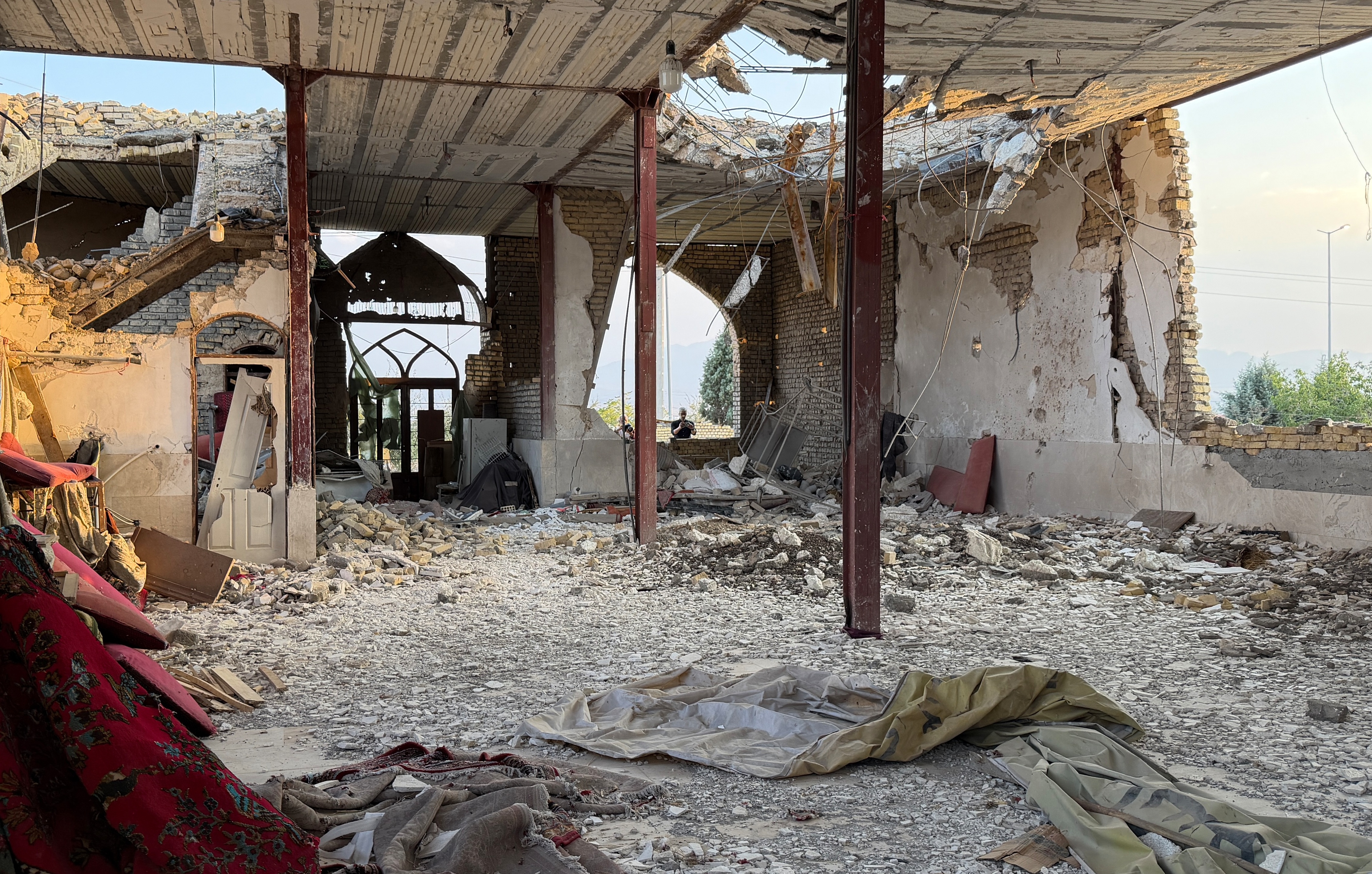
On Feb 28, Israel and the United States launched joint attacks on Tehran and other Iranian cities. Iran responded with waves of missile and drone attacks targeting Israel and US bases and assets in the region, and tightened its grip on the Strait of Hormuz.
A ceasefire was achieved between the warring parties on April 8. On June 18, Iran and the United States signed a MoU on ending the war in the region on all fronts.
Under the MoU, the two countries were scheduled to hold negotiations within 60 days, ending on Aug. 17, to reach a final agreement on Iran's nuclear program and the removal of sanctions. However, they failed to make sufficient progress toward a deal.
Iran warns US, Israel of more severe military response
Meanwhile, Iran on Sunday warned that any further "miscalculation" by the United States and Israel would trigger a more severe response from Iranian armed forces, as Tehran announced plans to establish a regional authority to oversee digital data flows amid escalating tensions.
Ali Abdollahi, chief of staff of the Iranian Armed Forces, said in a statement carried by Iranian media that if the United States and Israel were truly capable of following through on their threats against Iran, they would have done so by now.
"You should know that any new miscalculation will be met with responses that are different from and far more severe than those of the past," said the Iranian military chief.
ALSO READ: Report: Iran's IRGC hit 7 ‘violating’ oilers in Hormuz Strait in 5 days
Also on Sunday, Secretary of Iran's Supreme National Security Council Mohsen Rezaei said on X, "Iran's armed forces have prepared a more devastating plan than the 12- and 40-day wars for a new adventure."
Noting recent "ramblings and repeated threats" from US and Israeli officials, he warned that "Iran's new operational plan will not proceed with rules that they know."
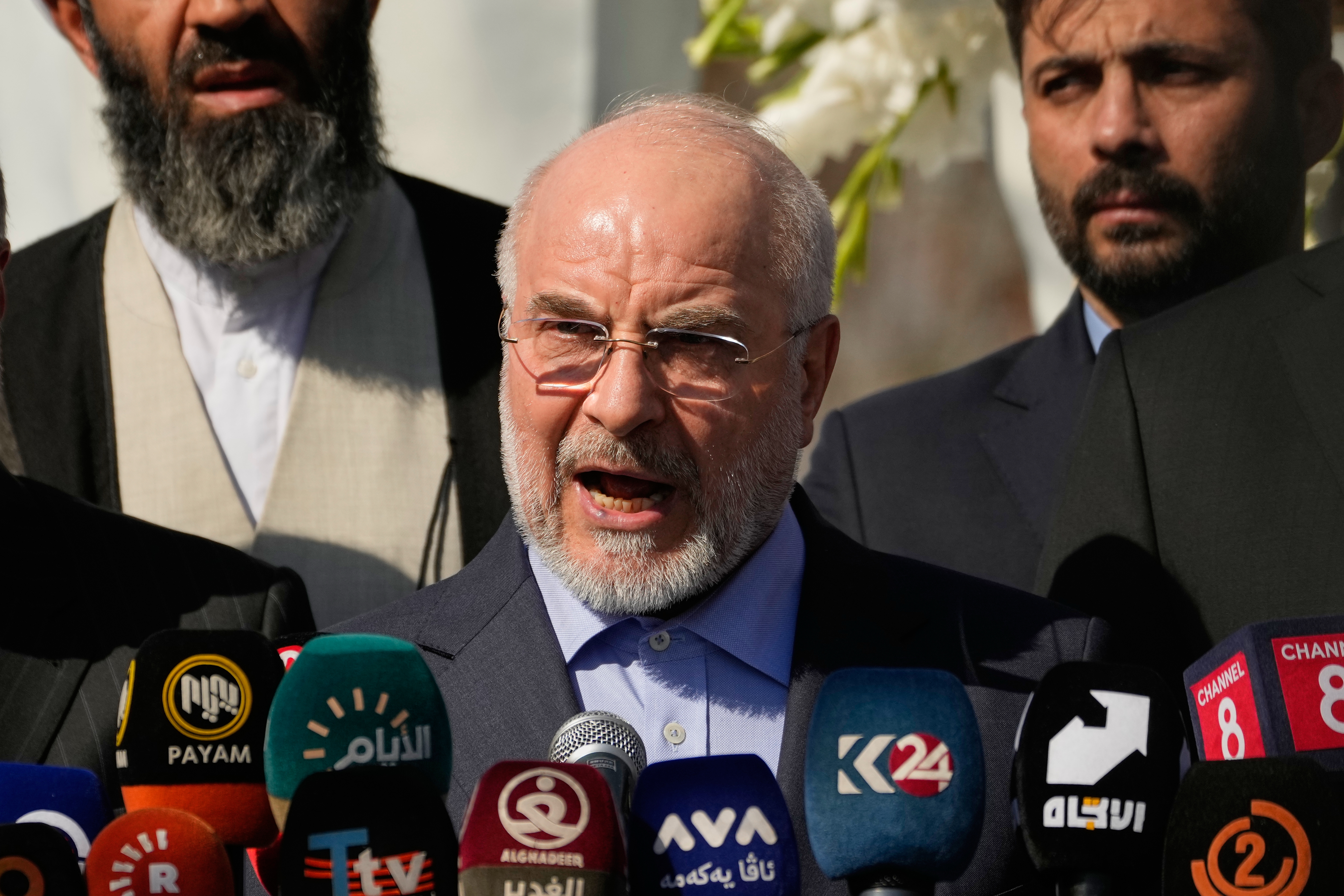
Iran's Parliament Speaker Mohammad Baqer Qalibaf "kindly advised" governments, funds, and firms in the West Asia region "to give no resources to any AI or data company aiding invasions (against Iran) or killing children."
Qalibaf said Iran will set up a new authority to control the regional flow of digital data, which will be named "the Persian Gulf Data Authority."
The remarks came amid the escalation of the threat rhetoric against Iran.
In an interview with Newsmax on Thursday night, US President Donald Trump said the United States may have to target Iran's Pickaxe Mountain, which is claimed to be linked to the country's nuclear program, stressing that Washington seeks to ensure that Tehran will not develop nuclear weapons.
CNN reported on Thursday, citing multiple US officials familiar with the matter, that the US military has developed new strike plans that could involve using the so-called "Mother of All Bombs" to target Iranian energy infrastructure and nuclear sites if Trump orders a resumption of combat operations, either before or after the midterm elections.
READ MORE: Pezeshkian slams propaganda, says Iran not after nukes
Russian Foreign Minister Sergei Lavrov will arrive in the Iranian capital Tehran on Monday for talks on regional and international developments, Iranian Foreign Ministry spokesman Esmaeil Baghaei said Sunday.
Baghaei said the Russian foreign minister's visit would take place within the framework of ongoing consultations between Tehran and Moscow and with the aim of following up on the implementation of bilateral agreements and discussing regional and international developments.
GCC Secretary-General urges Russia to back efforts to halt Iranian attacks
Gulf Cooperation Council (GCC) Secretary-General Jasem Mohamed Albudaiwi on Sunday called on Russia to play an active role in urging Iran to halt attacks on GCC states, respect freedom of navigation and engage in dialogue based on good-neighborliness and respect for sovereignty.
Albudaiwi made the remarks at the 9th Joint Ministerial Meeting of the Strategic Dialogue between the GCC and Russia in Manama, the GCC General Secretariat reported. GCC Foreign Ministers and their Russian counterpart, Lavrov, attended the meeting.

The GCC Secretary-General said the meeting came at an exceptionally critical juncture, with GCC states facing unprecedented attacks that threatened their security and sovereignty, as well as maritime navigation and energy supplies.
According to Albudaiwi, Iranian attacks on GCC states since Feb 28 involved more than 7,000 ballistic missiles and unmanned aerial vehicles, targeting airports, ports, power stations, desalination plants and oil and gas facilities.
He also criticized disruptions to maritime navigation in the Strait of Hormuz and threats to shipping in Bab al-Mandab and the Red Sea, saying such actions posed risks to global energy security, food security and international supply chains.
Iran says ‘violating’ oil tanker exploded
Early on Monday, the navy of Iran's Islamic Revolutionary Guard Corps (IRGC) announced that a "violating" oil tanker suffered a blast within the preceding hours after hitting a naval mine south of the Strait of Hormuz.
In a statement published on the IRGC's official news outlet Sepah News, the navy said the blast caused a fire in the oil tanker's engine room.
It added that the vessel had turned off its GPS and navigation systems and, in disregard of the regulations, was seeking to exit the strait through the "unauthorized" route south of the waterway.
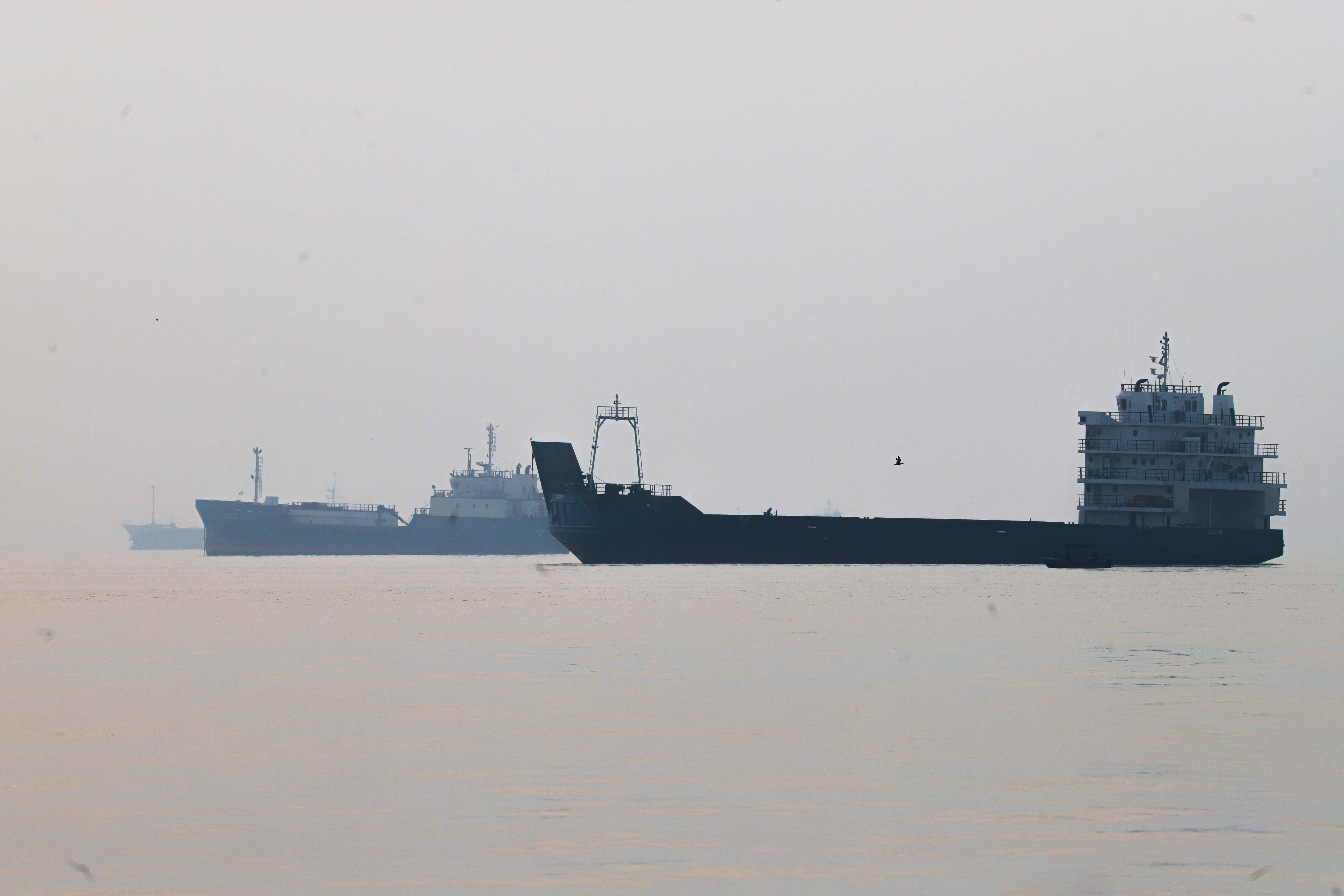
The IRGC Navy stressed that if vessels transiting the Strait of Hormuz and surrounding waters turn off their navigation and identification systems, they will be dealt with "severely and decisively."
Over the past week, the navy has reported that several "violating" oil tankers attempting to cross the Strait of Hormuz exploded after striking naval mines.
The navy has claimed to exercise full control and dominance over the strait's eastern waters, the Gulf of Oman and the Arabian Sea, and is "aware of the risks involved in (vessels') transit in forbidden regions."
