

More than a third of companies backed by the UK government under a rescue program during Covid have gone bust, costing the taxpayer £423 million ($571 million), according to Bloomberg.
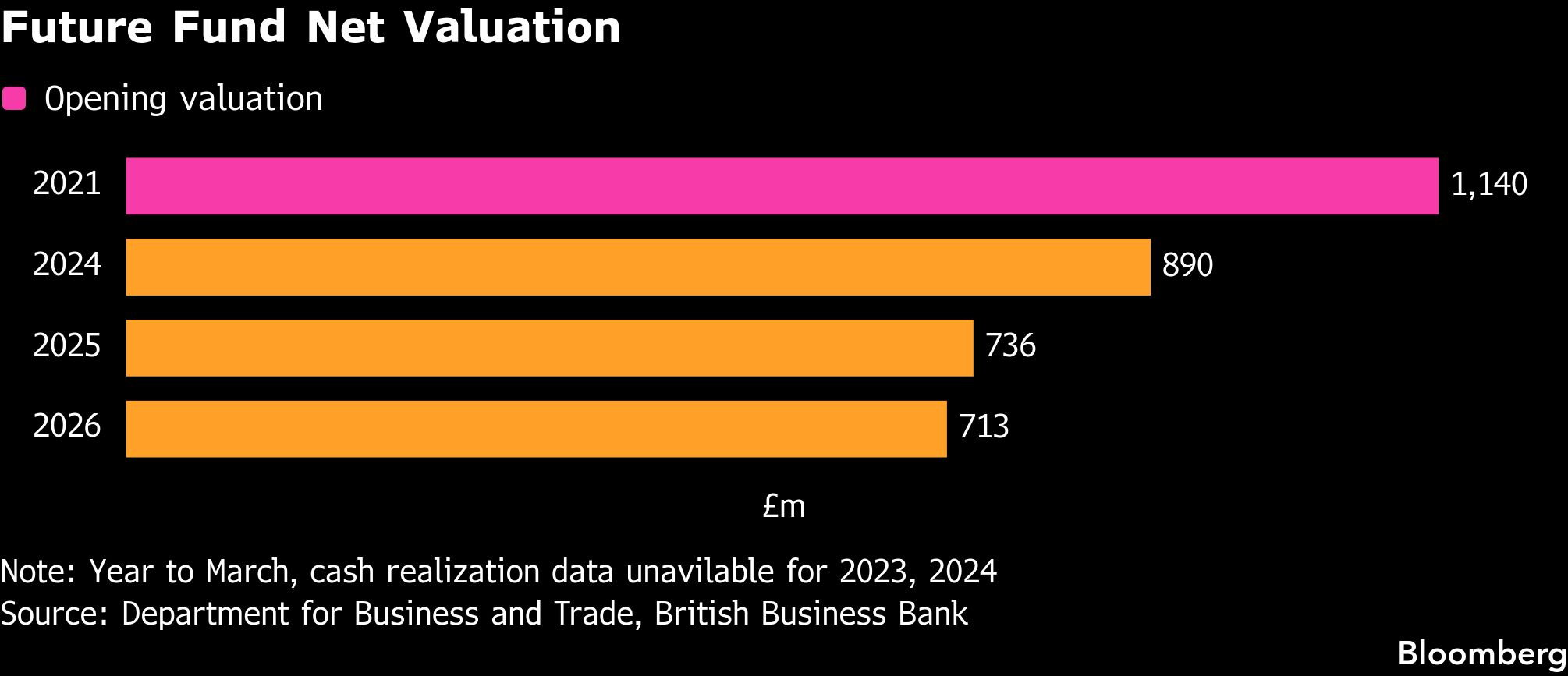
Accounts published by the Department for Business and Trade show the Future Fund, an investment portfolio of 1,197 small companies, was worth just £529 million in March 2026, less than half the state’s original £1.14 billion outlay.
However, £184 million has been recovered in “cash realizations” from interest and loan repayments, according to the British Business Bank, which manages the fund, reducing the total losses to date.
READ MORE: China urges UK to protect investors' rights after British Steel nationalization
Losses have worsened every year since the Future Fund was launched in May 2020 to help “innovative companies facing financial difficulties” during the pandemic. A total of 408 firms were insolvent at the end of June, an increase of 74 since last year, and just 124 have returned money to the state, the BBB said.
The latest estimate comes as Prime Minister Andy Burnham plans to ramp up investment to boost economic growth. He has said he wants to use flexibility in the fiscal rules to borrow more without upsetting bond markets.
To do so, he will have to channel funds through public financial institutions such as the BBB or the National Wealth Fund into the private sector via loans, equity or state-backed guarantees, exposing taxpayers to further losses.
The Future Fund was one of a number of business support measures unveiled in the crisis. Taxpayer investment came in the form of convertible loans with an 8 percent interest rate on the condition that the money was matched by private investors. It remained open to startups until 2021.
READ MORE: UK companies seeking larger role in China
Unlike a normal investment portfolio, the companies backed by the Future Fund were largely self-selecting as they applied for government support. The result was an unusual mix of assets for taxpayer ownership. They included a sex party firm, a cannabis products company and a lower league football club.
Several are now unicorns, valued at £1 billion or more, including Blippar, Beamery and Oxford Quantum Circuits. “As venture capital is long-term investment, it is too early to give an indication of the overall Future Fund performance,” a BBB spokesperson said. “We expect it to track the market over time.”
The program called itself the “brainchild” of former prime minister Rishi Sunak, who designed it when he was chancellor. Sunak was a former Goldman Sachs investment banker and asset manager at Patrick Degorce’s Theleme Partners before he moved into politics.
READ MORE: China-UK Economic and Trade Forum highlights commitment to deeper ties
His wife, Akshata Murty, was joint owner through a venture capital business of several companies that received Future Fund support – some of which went into administration.
As of June 30, the government continued to hold equity stakes in 645 companies, according to the BBB. That means those businesses have successfully raised further private sector capital through equity funding. The DBT previously identified 47 investments totalling £79.5 million as suspected fraud.
At the Fund’s launch, the BBB published a rare value-for-money “reservation notice,” saying the private sector would back the best businesses and leave the taxpayer with “the second tier, which will likely result in higher associated loss rates.”
