

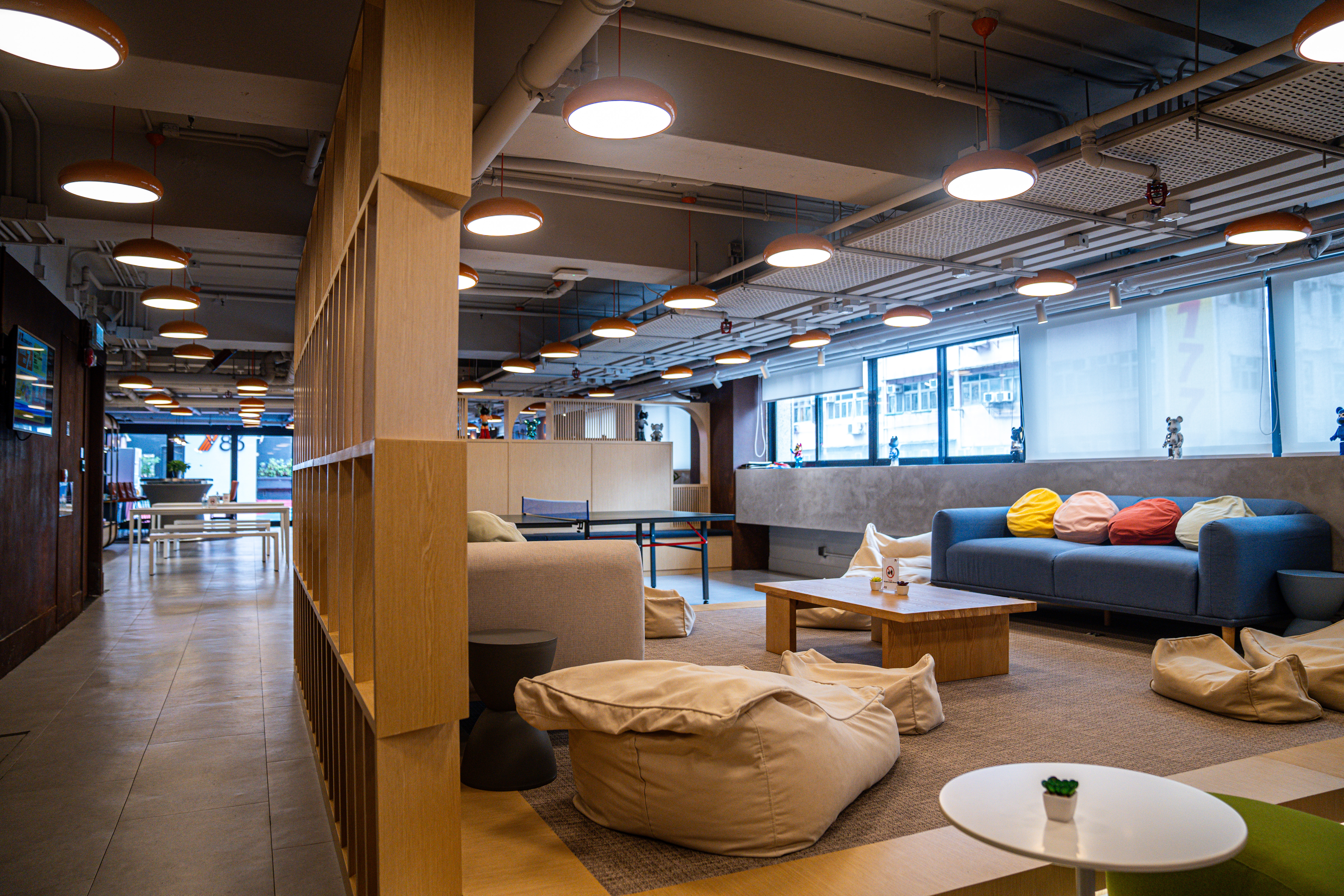
The aging Regal Oriental Hotel is hardly a Hong Kong hotspot, yet in recent weeks it’s become a popular destination for bankers from some of the city’s top lenders, some of whom made repeat visits.
They were lured there by an intriguing proposal. Centaline Investment wanted to borrow HK$1 billion ($128 million) to turn the building into apartments for students, according to people familiar with the matter who asked not to be identified. There was unusual interest in the deal, the people said, with multiple banks pitching to be the lender. Bank of China (Hong Kong) Ltd prevailed over contenders including Industrial Bank Co’s Hong Kong branch, they said.
Representatives from Centaline said the company is in “close talks” on the loan and there was “strong interest” from multiple lenders. Bank of China and Industrial Bank didn’t respond to requests for comment.
After steering clear of commercial real estate in recent years, Hong Kong’s loan bankers have found a new sweet spot: turning old buildings into dormitories for students. An influx of Chinese mainland students and government support have made them an easier sell, with steady rental income that comfortably generates 5 percent yields. Colliers counts 25 such projects from 2024 through the first half of this year, worth about HK$10.7 billion, compared with just a handful of deals before that.
“Banks across the board — whether local, Chinese, Singaporean or international — do have a strong appetite for this sector,” said Jasmine Chiu, real estate partner at law firm Johnson Stokes & Master. “Lenders are increasingly eager to provide financing, viewing student housing not merely as a real estate play, but also as an operational business.”
Demand has even extended to office conversions, which are trickier to pull off and haven’t generated huge returns in the past. Singaporean builder Wee Hur Holdings said it secured financing from HSBC Holdings Plc last week to turn the One Bedford Place office tower in Kowloon into a roughly 500-bed student apartment building, pending regulatory approvals. United Overseas Bank Ltd and Oversea-Chinese Banking Corp also wanted to finance the project, the people said.
A spokesperson for UOB didn’t respond to questions. HSBC and OCBC declined to comment.
ALSO READ: Hong Kong fast-tracks hotel conversions to narrow student housing gap
The recent enthusiasm is a stark contrast to a few years ago, when student dorm conversions first entered the lexicon of Hong Kong commercial real estate with early projects such as the Y83 hostel in Hung Hom. One banker recalled how their first student housing deal – to refinance a loan for a hotel-to-dorm project called Sunny House that began operating in 2024 – was only greenlit after the lender’s credit risk specialists visited the property and spoke to students living there.
“Hong Kong’s student accommodation operating market is still young,” said Nicholas To, senior associate director of investment at Savills Hong Kong. When it comes to office-to-dorm deals, there “is a higher bar, but a rational one”, he said, adding that the gap between hotel and office deals should close in the next 12 to 18 months.
Increasing demand
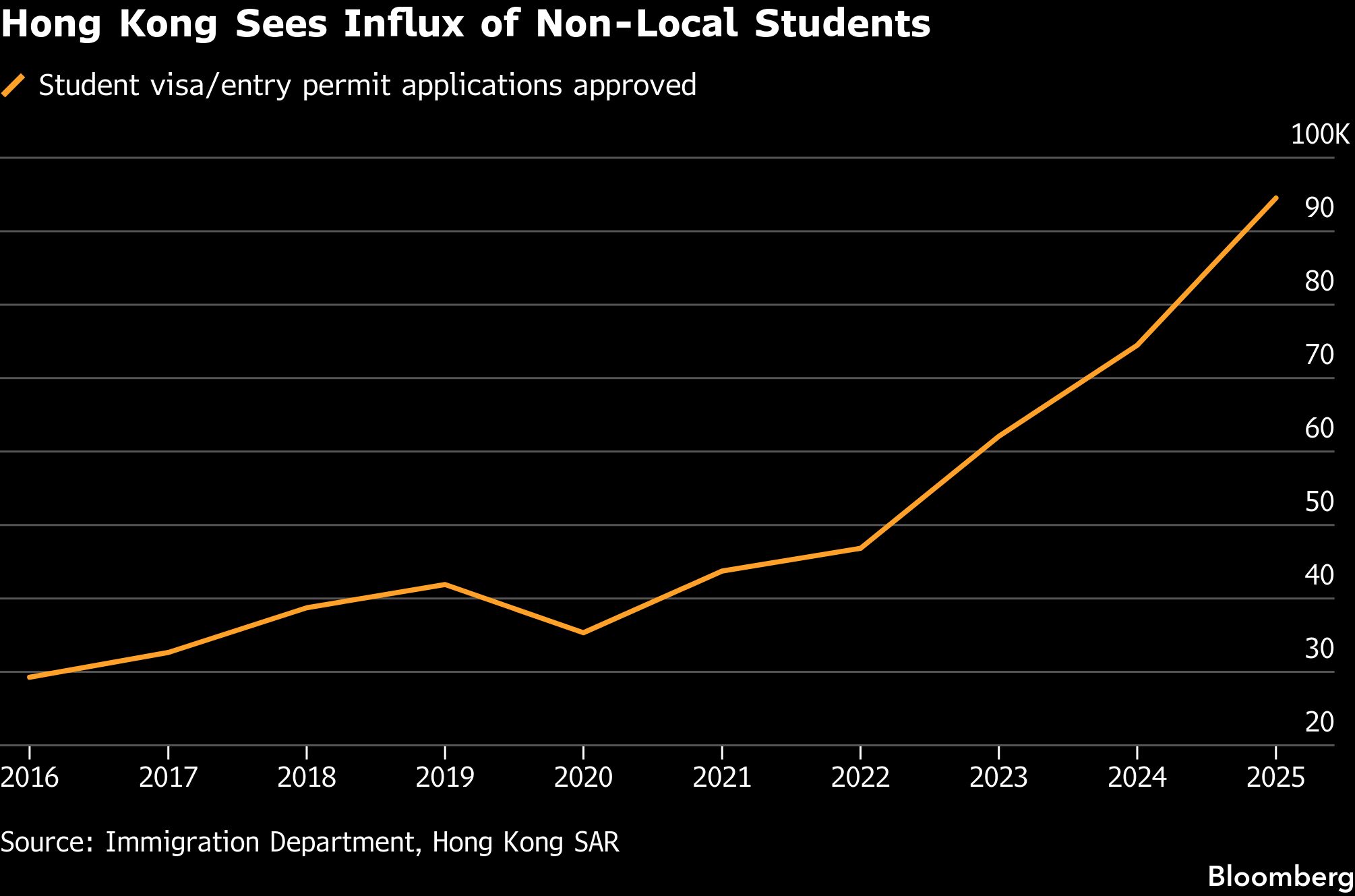
The city approved more than 94,500 student visas and entry permits last year, mostly from the mainland, more than double the number recorded in 2022. The government has also raised the cap on non-local undergraduates at public universities. Jones Lang LaSalle Inc predicts there could be a shortfall of 147,200 student beds by 2029.
Lenders are so eager to land these deals that some are contacting prospective borrowers with term sheets as soon as transactions come to light, people said. After JD bought two hotels in July with plans to turn them into student dorms, multiple bankers approached the e-commerce giant with financing offers, the people said, but they were told the company wasn’t seeking external funding yet. The company didn’t respond to a request for comment.
In April, alternative investment firm Templewater secured a HK$282 million loan to convert Southside by Ovolo within a month of acquiring the hotel, according to documents seen by Bloomberg. A spokesperson for Templewater didn’t respond to questions.
It also helps that bankers are experiencing a lending drought in Asia and hunting for opportunities to deploy their capital. Loan volumes in dollars, euros and yen across Asia Pacific ex-Japan dropped in the first six months this year to the weakest in 16 years, according to data compiled by Bloomberg.
That’s driving more interest in riskier office-to-dorms proposals, even though Hong Kong doesn’t yet have a successful conversion that’s up and running. Such proposals now represent around 30 percent of the deals Centaline Investment is considering, whereas previously it was just a few, according to Josephine Kong, the firm’s managing director.
Still, some bankers have expressed caution. At least three have passed on office conversions while others are seeking clauses that allow them to seize personal assets if defaults exceed collateral value. “We still haven’t seen an actual exit case in the market yet,” said Reeves Yan, head of capital markets at CBRE Hong Kong.
Overall, though, there’s growing optimism about finding strong performers even as the student housing sector gets more crowded.
READ MORE: Mainland students commute to sidestep sky-high HK rents
Goh Wee Ping, chief investment officer at Wee Hur, the developer remaking One Bedford Place, said the firm isn’t worried. Even with a “real probability” of oversupply in the next few years, it’s still interested in opportunities in the right locations, he said.
