

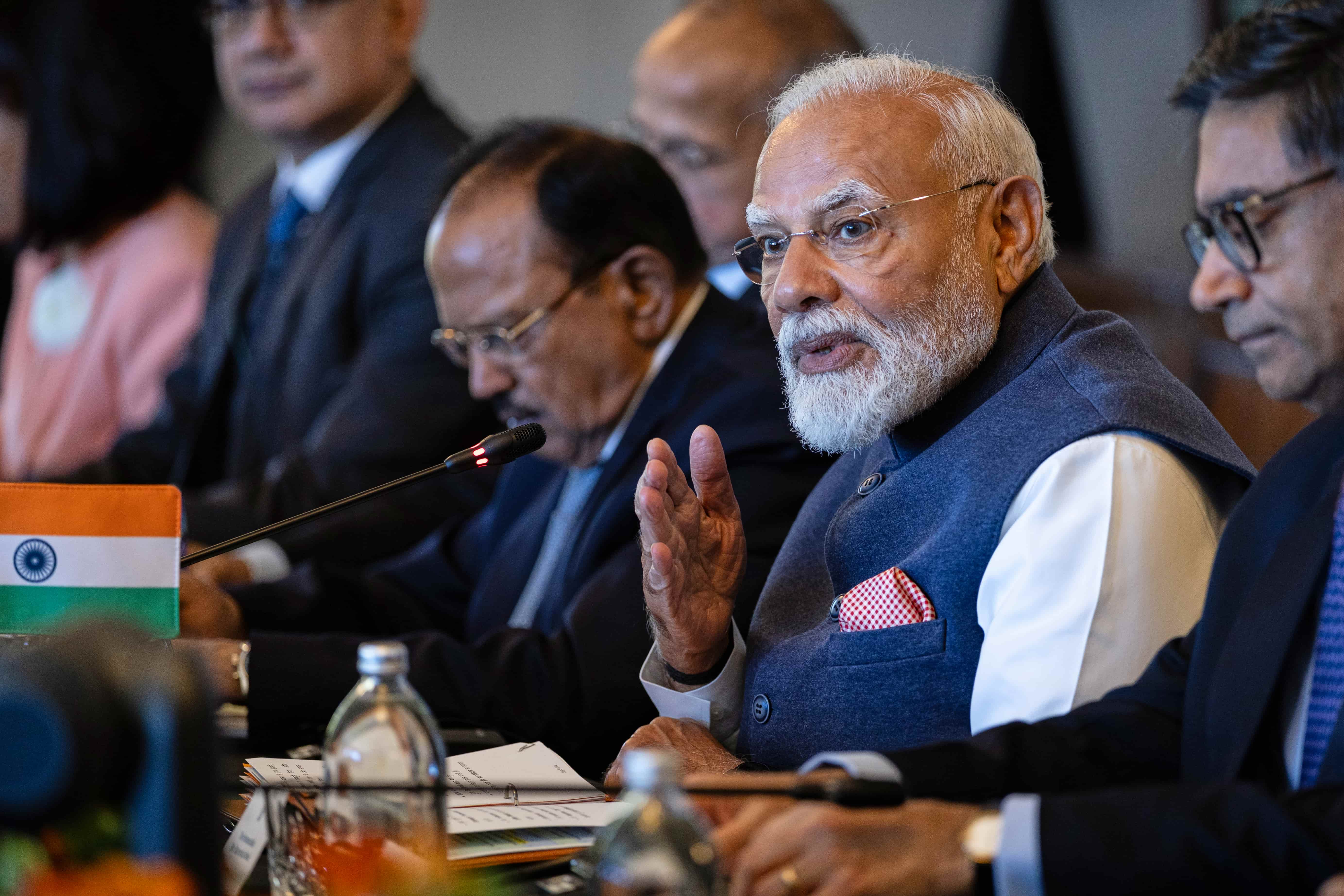
NEW DELHI – Amid growing pressure from opposition parties and intensifying protests over the paper leak of the National Eligibility cum Entrance Test-Undergraduate (NEET-UG), a key medical entrance examination, Indian Prime Minister Narendra Modi Thursday said "fast-track" courts would be set up to prosecute those behind it.
Modi's announcement is his first public reaction after days of protests staged by youth and opposition parties demanding the resignation of federal Education Minister Dharmendra Pradhan.
In India, fast-track courts are designed to quickly process cases and overcome the delays in India's otherwise heavily burdened judicial system, where legal proceedings can drag on for years.
ALSO READ: India summons US envoy over continued attacks on commercial vessels
However, within minutes of the Prime Minister's pledge, India's opposition Congress party leader Rahul Gandhi hit back, squarely accusing Modi of "harming" the future of students.
Meanwhile, the Indian parliament deadlock continues for the fourth straight day on Thursday as opposition lawmakers demanded a debate on the police action against protesting students in New Delhi while also seeking the immediate resignation of the education minister.
Massive protests broke out in India in May over the paper leak and the subsequent cancellation of the NEET-UG exam.
NEET-UG test is the qualifying examination to study medicine in India and a prerequisite for joining medical colleges across the country. Over 2.2 million candidates appeared in the entrance test on May 3 at more than 5,400 centers across India.
The protests appear to be the biggest youth challenge to Modi since he came to power in 2014.
