

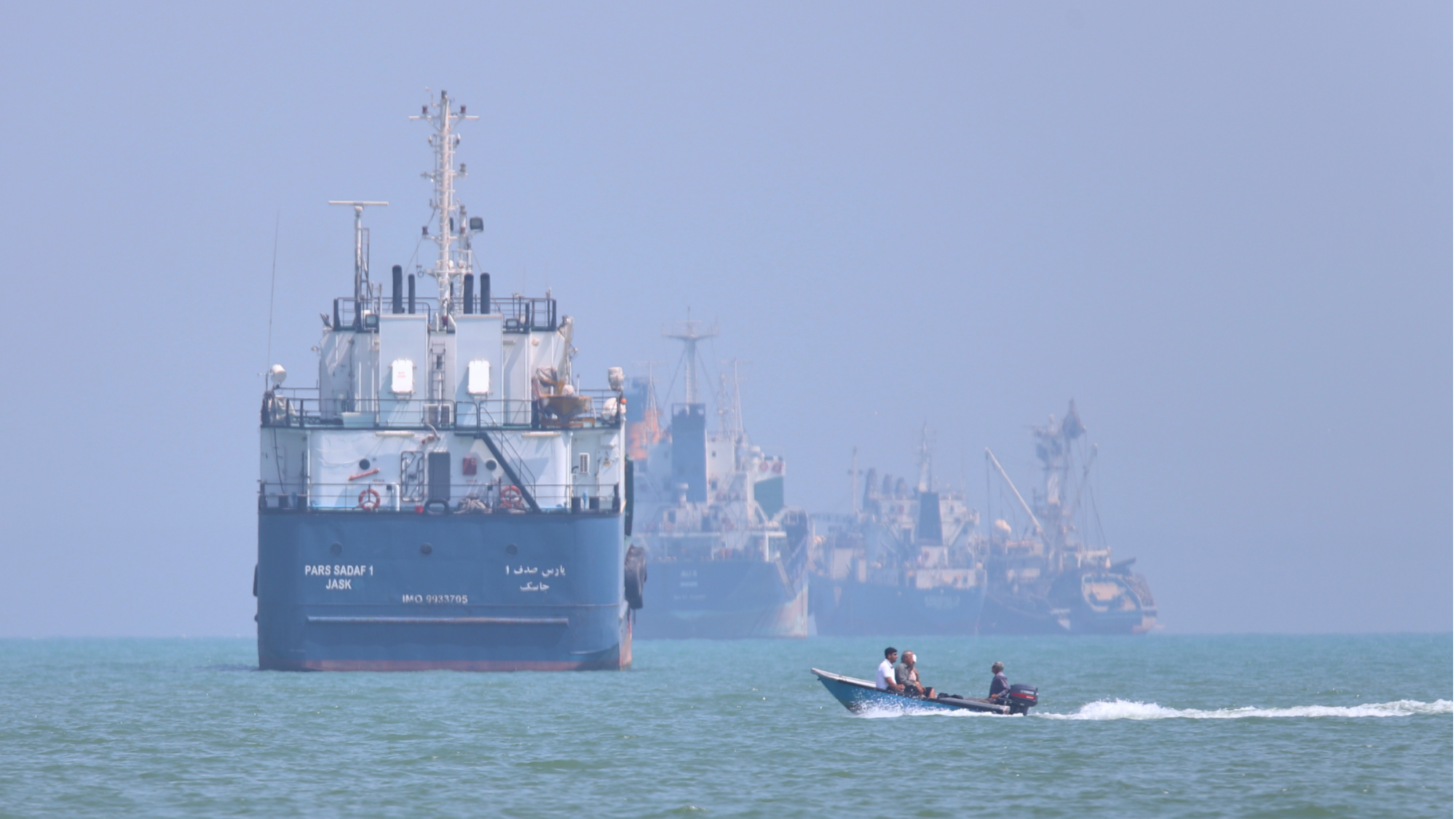
TEHRAN/WASHINGTON/SOFIA – Iran's main military command, Khatam al-Anbiya Central Headquarters, on Wednesday warned that if the United States attacks Iranian infrastructure, Iran will block all oil exports from West Asia and target oil, gas, electricity, and economic infrastructure across the region, according to media reports.
The warning in a statement carried by Iranian media came in response to US President Donald Trump's renewed threat of "bombing" Iran's bridges and power plants.
In a Wednesday post on Truth Social, Trump stated that any Iranian attack on ships in the Strait of Hormuz would trigger US strikes on "ONE BRIDGE OR POWER PLANT, including those located next to, or in, the Capital City of Tehran."
ALSO READ: Iran warns US against attacking nuclear, sensitive sites
Iran's main military command stressed that the Strait of Hormuz remains closed and passage by vessels will be authorized only through the routes designated by Iran and in accordance with the country's announced arrangements.
It added that continued threats by the United States will only lead to the war's expansion in the region and even beyond that.
In response to Trump's threat, Iran's Foreign Minister Seyed Abbas Araghchi said in a Wednesday post on social media platform X, "Our defense doctrine is clear: eye for an eye. Any aggression against Iran, including our infrastructure, will compel a powerful and decisive response."
He added, "Those who contribute to such aggression, whatever the kind of support, will also be considered as legitimate targets."
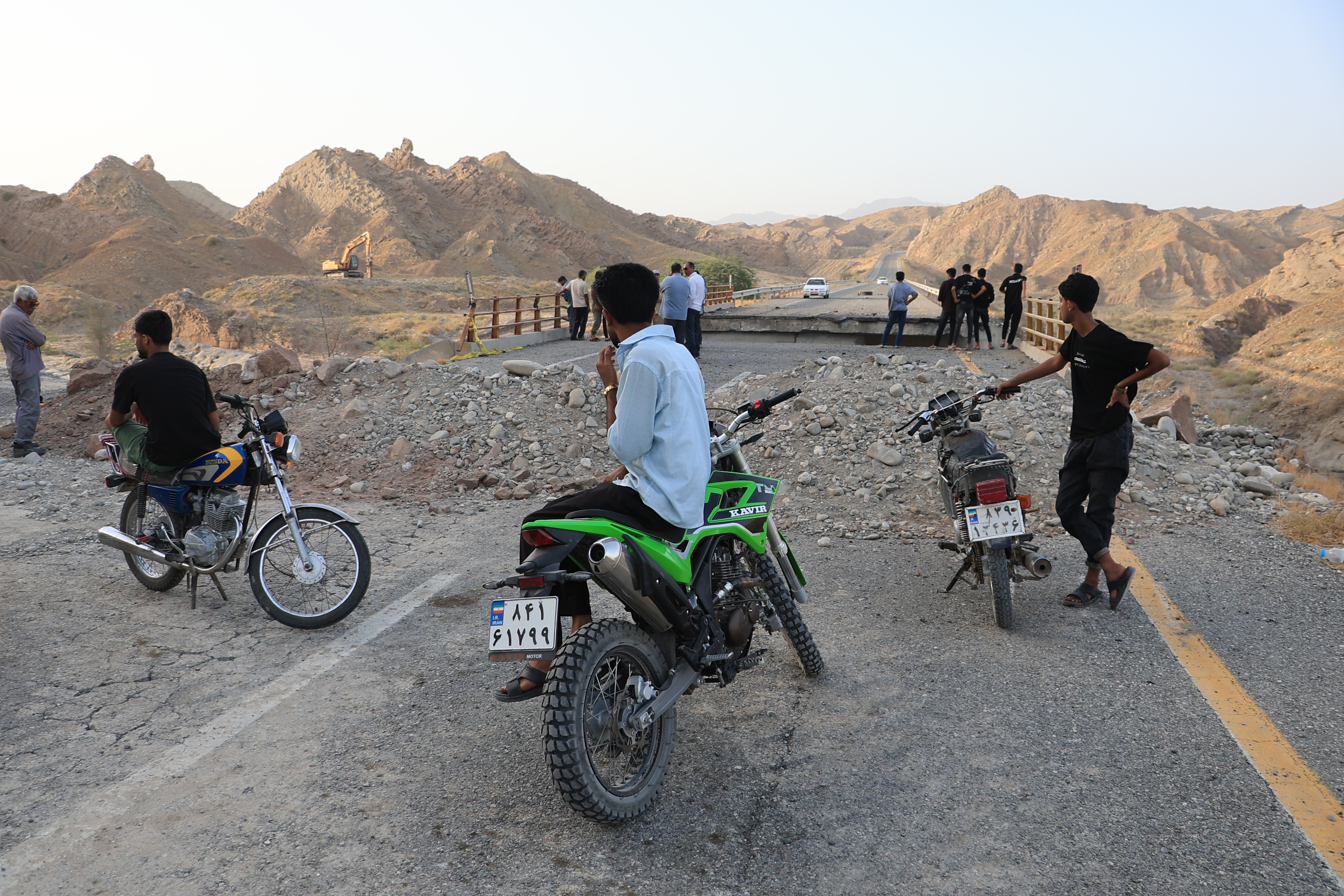
Iranian Parliament Speaker Mohammad Baqer Qalibaf echoed the stance on X: "This war's equation is clear: either everybody or no one."
Qalibaf said that in a region where Iran cannot sell oil, nobody will sell oil.
"If our security is not ensured, no infrastructure will be safe, and the security of the Strait of Hormuz lies in the absence of US forces," he warned.
ALSO READ: Iranian president says his country is in ‘full-scale war’ with US
Iran tightened its grip on the Strait of Hormuz beginning Feb 28, when it barred safe passage of vessels belonging to or affiliated with Israel and the United States following joint US-Israeli strikes on Iranian territory.
The United States has over the past days launched multiple waves of strikes against Iran's southern provinces, claiming that the attacks are in response to the Iranian armed forces' targeting of vessels in the Strait of Hormuz, and aimed at "degrading Iran's ability to threaten commercial shipping."
Iran has responded with waves of missile and drone attacks targeting US military bases and facilities in the region.
IRGC stops 3 oil tankers in Strait of Hormuz
Iran's Islamic Revolution Guard Corps (IRGC) said Thursday that it had stopped three oil tankers from passing through the Strait of Hormuz, one of which caught fire after an explosion.
"Three oil tankers, provoked and tempted by the child-killing American army, were trying to pass through the mine-laid route south of the Strait of Hormuz, but after one of them exploded and caught fire, the other two quickly turned around and turned back," the IRGC said in a statement quoted by Iranian state media, warning that any ship "deceived" by the United States and intends to pass without Iran's consent "will suffer the same fate."
The IRGC said earlier that it struck King Faisal and Prince Hassan air bases in Jordan on Wednesday in response to US attacks on Iran, destroying or damaging US drones and heavy helicopters and causing casualties among US forces.
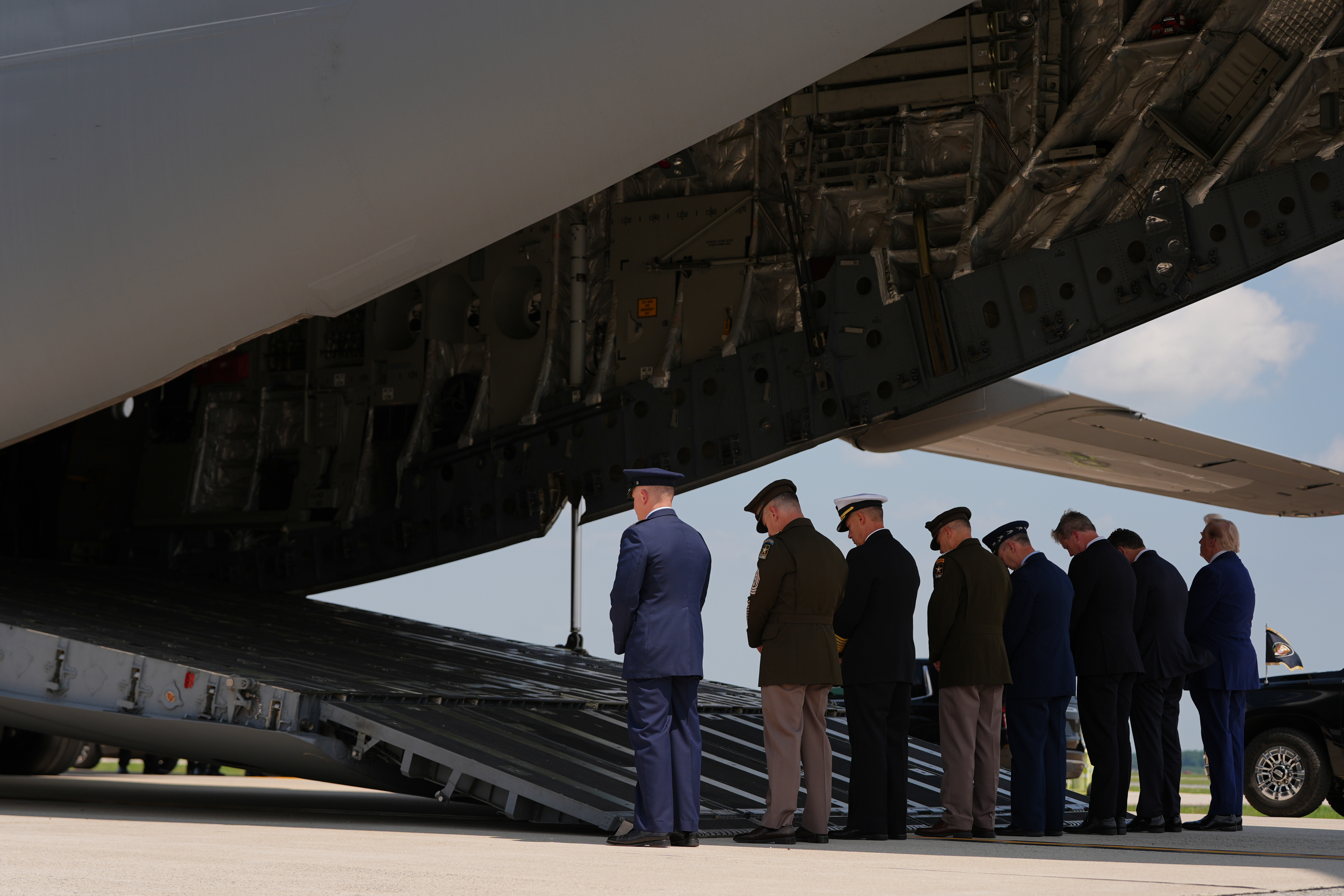
The Iranian army also said its forces launched retaliatory drone strikes against US bases and assets in Jordan, Bahrain and Kuwait on Wednesday.
In statements published on its website, the army said its forces hit buildings housing US forces and US equipment depots at the al-Azraq base in Jordan, and targeted large US equipment depots and silos as well as heavy aircraft maintenance hangars at the Shaikh Isa Air Base in Bahrain.
It said its forces also launched drone attacks on US military units in Kuwait, hitting ammunition depots and logistical equipment at Camp Doha.
READ MORE: Iran launches new wave of missiles toward ‘enemy targets’
Also on Wednesday, Iran denied the existence of a secret nuclear complex at Kolang mountain, after Trump's threat on Tuesday that US forces would "pretty soon" strike the site in Isfahan province.
Foreign Ministry spokesperson Esmaeil Baqaei said on social media platform X that "Iran's nuclear activities have been fully declared to the IAEA in accordance with its safeguards obligations," and condemned Washington's "obsessive focus on Kolang Kouh" as "a fabricated pretext for aggression, destruction, and sabotage."
More US strikes on Iranian military targets
Meanwhile, US forces launched strikes across Iran for the 12th consecutive night on Wednesday.
Iranian state media reported that US missiles struck locations near the cities of Ahvaz, Ramshir and Andimeshk in western Iran, a power station near the Bushehr nuclear power plant in southern Iran, and killed two people in the town of Shalamcheh on the Iraqi border.
The US Central Command said the attacks were intended to "further degrade Iran's ability to threaten civilian mariners and commercial vessels transiting regional waters," as the two sides vie for control of the Strait of Hormuz.
As many as 68 percent of US adults said the war with Iran was "not worth fighting," while 28 percent said it was, according to a The Washington Post-Ipsos poll issued last week.
Bulgarian parliament okays US tanker aircraft deployment
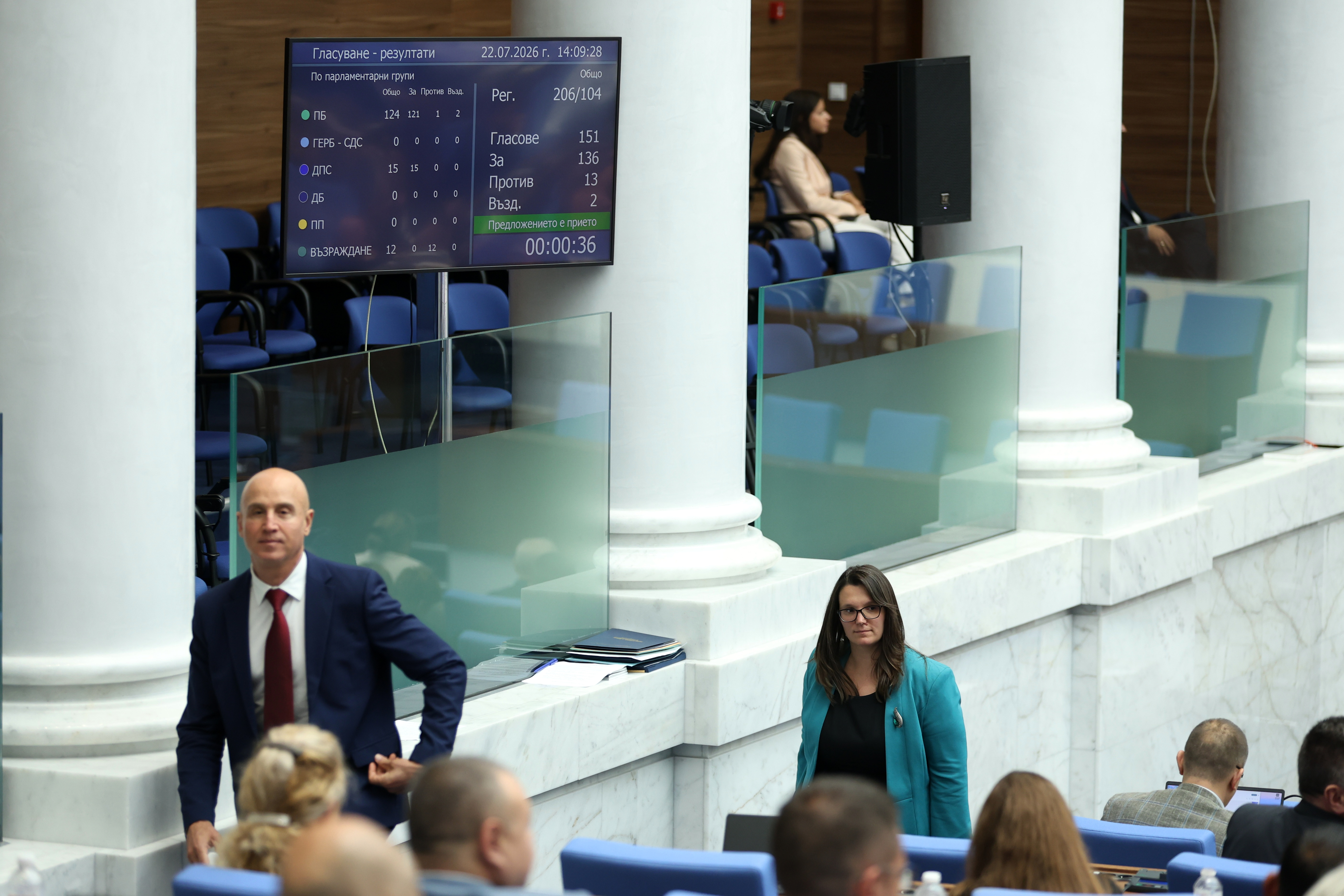
In Sofia, Bulgaria's parliament on Wednesday approved the deployment of up to eight US KC-135 tanker aircraft at Bezmer Air Base from July 24 to Oct 1, 2026, to support US operations in the Middle East.
The measure was approved by 136 lawmakers in the 240-seat parliament, with 13 voting against and two abstaining. The legislators from GERB-UDF, Democratic Bulgaria and We Continue the Change did not participate in the vote.
Meanwhile, the mayors of five municipalities near Bezmer Air Base opposed the deployment, citing public concern over its potential consequences, the Bulgarian News Agency (BTA) reported. In a joint statement, they said the move could create additional risks and tensions for both the region and the country.
Bezmer Air Base, about 300 km east of Sofia, is one of the military facilities where the United States is allowed to deploy personnel and equipment under the bilateral defense agreement.
The decision followed a US request submitted on July 17 under the 2006 Bulgaria-US Defense Cooperation Agreement. Defense Minister Dimitar Stoyanov said Bulgaria was not undertaking hostile actions against any country and that no offensive weapons systems would be deployed on its territory. The temporary deployment of tanker aircraft would not make Bulgaria a party to military operations, he added.
However, Iran warned Bulgaria against any involvement in US "aggression." Iran's official news agency IRNA, citing Foreign Ministry spokesperson, reported on Tuesday that Bulgaria's parliament should not make the country "an accomplice of aggressors and criminals" by allowing the United States to use its territory and military facilities.
