

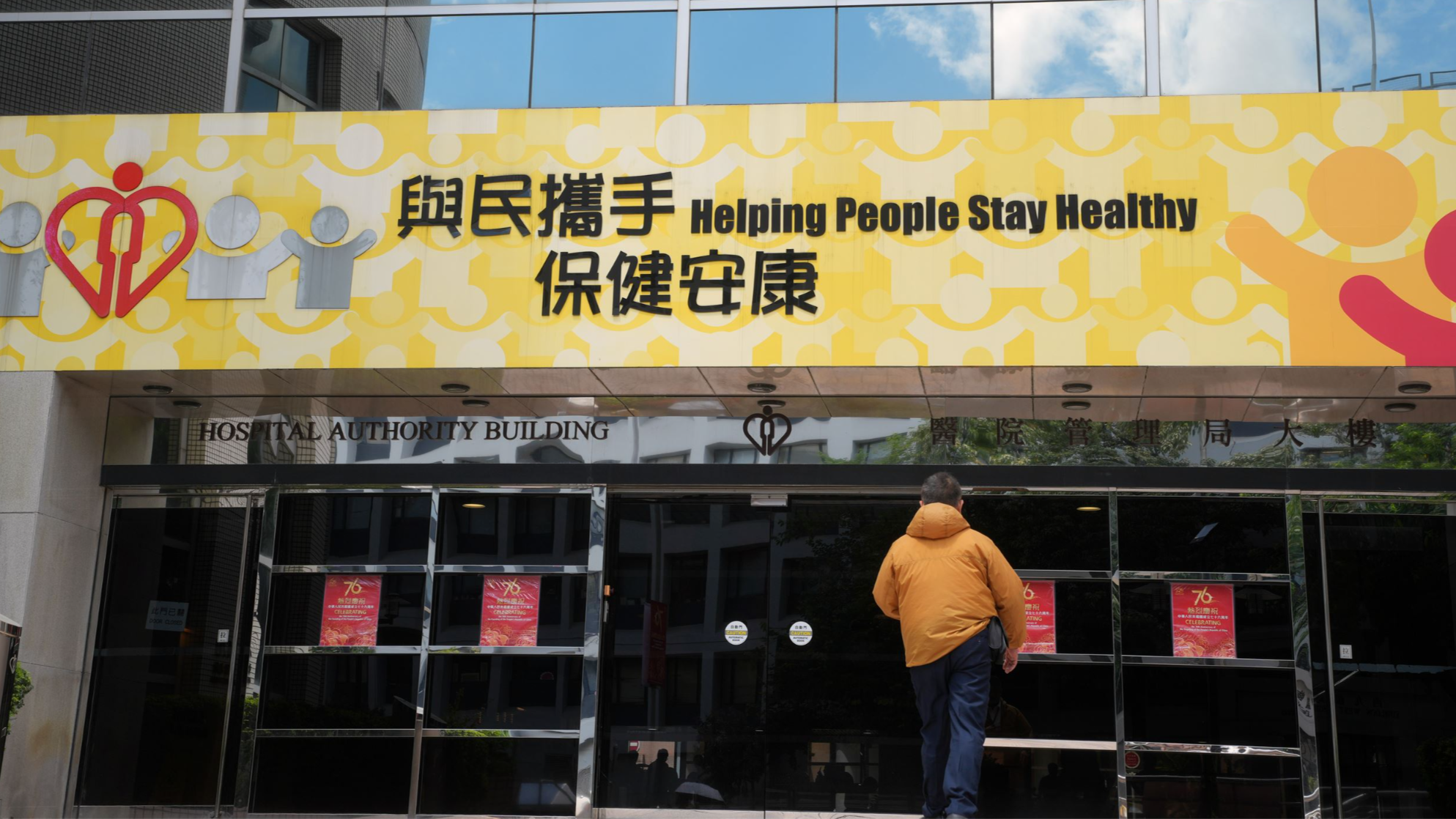
Hong Kong’s Hospital Authority on Wednesday stressed that it will continue to enhance its healthcare data services and introduce more measures to support research with an aim to elevate the quality of scientific research in the city.
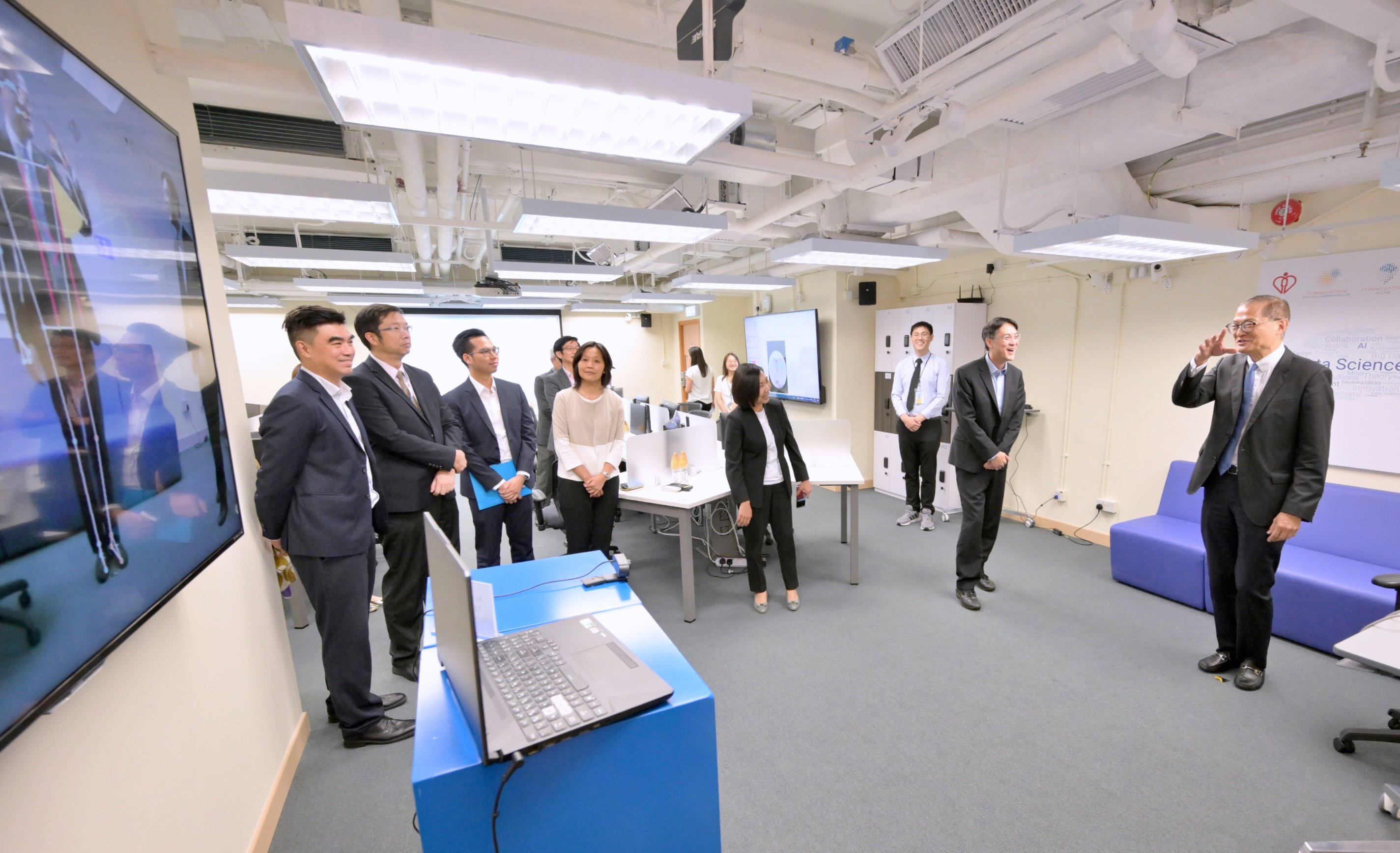
The Hospital Authority – as the city’s major healthcare service provider – possesses extensive healthcare data spanning more than 30 years. It established the HA Data Collaboration Lab (HADCL) in 2018 to promote medical research and innovation and technology development in Hong Kong.
With over 5.5 billion data records covering demographic characteristics, clinical diagnoses, procedures and medication and examination results, the HADCL has leveraged the HA's vast public healthcare clinical database to provide invaluable research materials for local researchers, including university medical schools and other research teams, said a spokesperson for the authority.
To date, the lab has assisted numerous local medical research and scientific innovation projects, supporting more than 450 researchers in conducting over 70 research projects, the spokesperson said in a statement.
Pointing out that the special administrative region government is promoting the standardization of clinical data across the Guangdong-Hong Kong-Macao Greater Bay Area, the Hospital Authority said its vast and standardized medical database can provide relevant and appropriate data to establish a crucial data foundation for the Real-World Study and Application Centre (RWSAC) under the government's Greater Bay Area International Clinical Trial Institute.
RELATED ARTICLES
- HK’s largest public hospital to commence services in October
- New HK healthcare body to develop evidence-based clinical guidelines
- HA urges public not to abuse services to apply for medical fee waivers
- Can HK public hospital care sustain the next generation?
The RWSAC will connect medical institutions within the region and integrate data from the measure of using Hong Kong-registered drugs and medical devices used in Hong Kong public hospitals in the Greater Bay Area to construct a real-world data platform within the 11-city cluster, according to the HA.
The center aims to enhance data quality, usability and interoperability to build a comprehensive evidence base for regulatory submissions to expedite the approval for registration of new drugs in the HKSAR, the Chinese mainland and overseas.
Noting that an increasing number of local university research teams have completed various forward-looking studies through the HADCL covering diseases and topics such as hepatitis B, rheumatoid arthritis, diabetes, dementia and the risk of falls among the elderly, the HA said the studies play a significant role in advancing disease risk assessment, refining treatment plans, drug development and therapeutic innovation.
The HA will continue to align with the SAR government's policy direction to develop the city into an international health and medical innovation hub, said the spokesman.
“By promoting the opening up of healthcare data, expanding the scope of data services, enhancing data platforms and streamlining processes, we aim to provide researchers with valuable research data and more convenient services. This will support Hong Kong's scientific research development and help elevate the overall healthcare standard in Hong Kong to benefit more patients.”
To support healthcare professionals in public hospitals to participate in clinical research, the HA earlier established the Central Clinical Research and Innovation Office and Cluster Clinical Research Support Offices and has also streamlined the research ethics approval process and centralized the vetting of cross-cluster ethical research applications.
Through strengthening research ethics governance, providing clinical trial sites and facilitating patient participation in public hospitals, the HA will continue to support clinical research and will work closely with various research teams to jointly drive scientific research development, benefiting the local healthcare system and patients, added the spokesman.
