

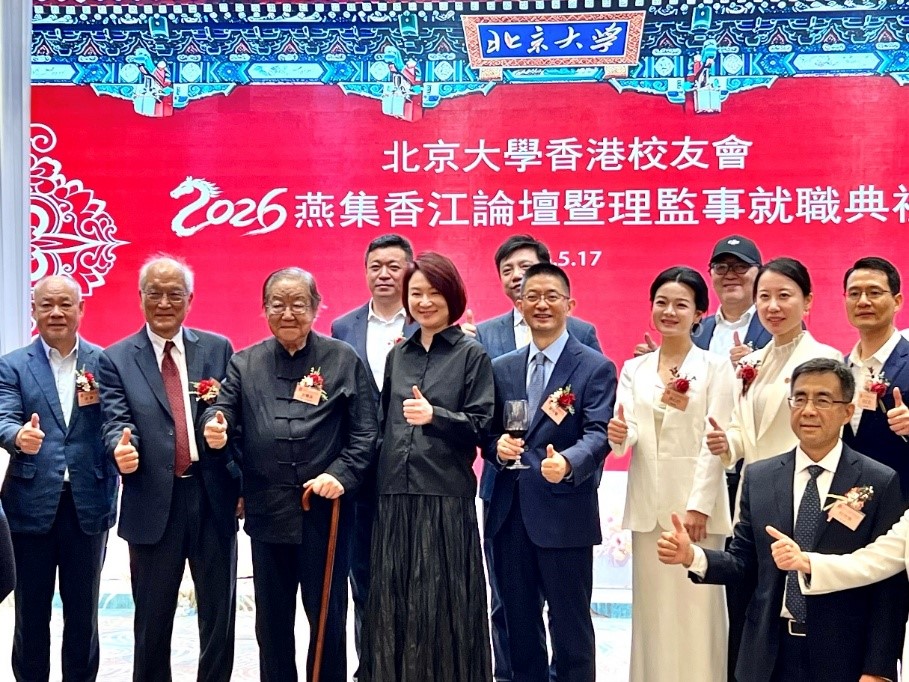
Tech leaders and academic experts joined the alumni of Peking University Alumni Association Hong Kong (PKUAAHK) at a forum to discuss the frontiers of artificial intelligence and explore the role of Peking University spirit in advancing the Guangdong-Hong Kong-Macao Greater Bay Area.
ALSO READ: HK eyes industry-academia synergy in Germany visit
Hosted by the PKUAAHK in the Hong Kong Special Administrative Region on Sunday, the "2026 Yanyuan Galleria Hong Kong Forum" focused on the theme "Artificial Intelligence and the Future of Humanity", pledging scholarly endeavors to serve the greater social good.
In his welcome address, Liu Zufan, president of the PKUAAHK, highlighted that Peking University has consistently promoted academic excellence and national service.
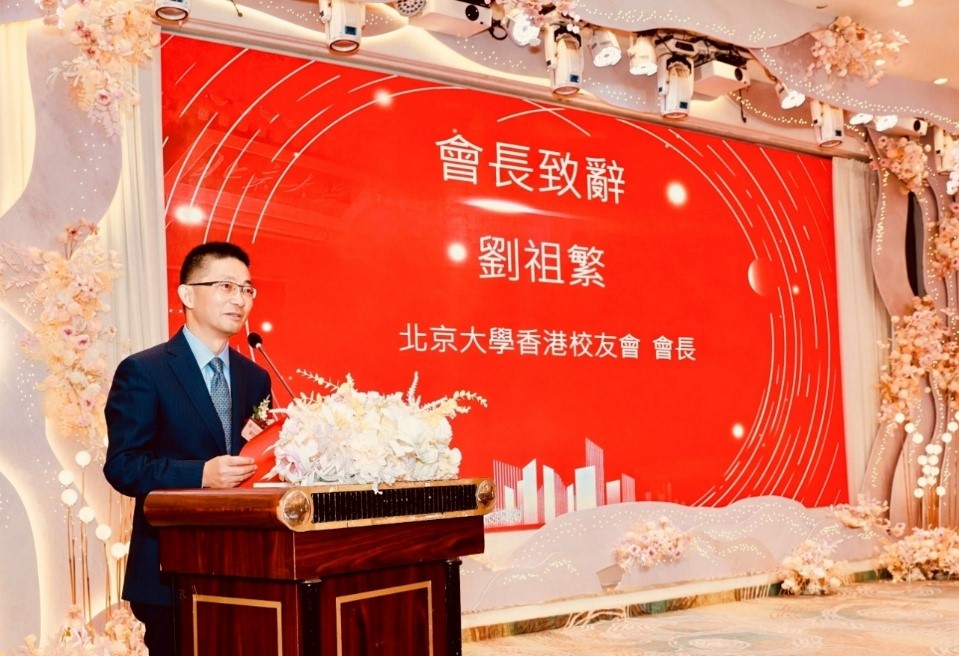
“Hong Kong is entering a crucial stage in its strategic planning,” Liu said, adding that the development of the Northern Metropolis, along with efforts to attract and nurture tech talent, will be key drivers of the city's future growth.
He emphasized the association's role as a crucial bridge between the HKSAR and the Chinese mainland, fostering deeper cooperation in technological innovation, youth exchanges, and talent development.
READ MORE: HK eyes to be center of global medical innovation ecosystem
Starry Lee Wai-king, president of the Legislative Council, praised Peking University's enduring commitment to academic freedom and inclusivity, which has nurtured generations of socially conscious leaders.
She expressed her support for future collaborations with the alumni association, particularly in developing the Northern Metropolis University Town and advancing tech-talent recruitment.
Felix Chan Hoi-king, director of Hong Kong Talent Engage, said Hong Kong civil servants regularly attend advanced programs at Peking University to enhance their understanding of national governance and public administration.
He affirmed that his office would continue to strengthen ties to facilitate a robust talent pipeline.
During the technical sessions, industry leaders shared their insights into both the promise and the perils of rapid AI deployment.
READ MORE: HKMU, HKPC ink deal to boost Para sports education, research
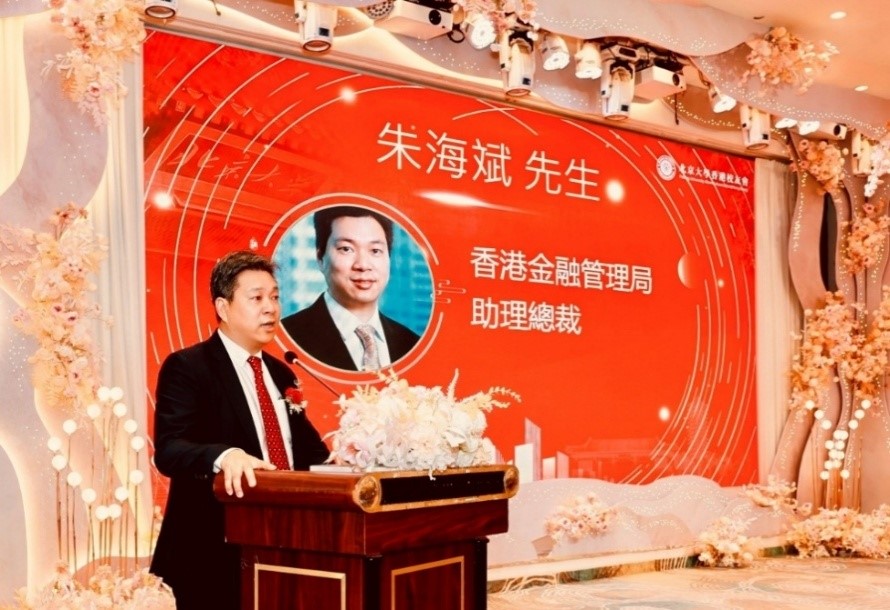
While acknowledging the significant societal progress driven by AI, Zhu Haibin, executive director of the Hong Kong Monetary Authority, cautioned against its potential negative externalities and urged the industry to remain focused on core humanistic values.
The event attracted nearly 350 leaders from the technology sector, academic experts, and alumni from Beijing and the Greater Bay Area.
The forum coincided with the 128th anniversary of Peking University, marking the beginning of a deeper institutional reflection on the intersection of AI and human history, said the organizers.
