


TEHRAN/WASHINGTON - Iran's Foreign Ministry spokesman Esmaeil Baghaei on Saturday condemned US President Donald Trump's remarks that called the US seizure of Iranian vessels "piracy."
"The president of the United States has openly described the unlawful seizure of Iranian vessels as 'piracy,' brazenly boasting that 'we act like pirates,'" Baghaei said in an X post.
"This was no verbal slip. It was a direct and damning admission of the criminal nature of their actions against international maritime navigation," Baghaei added.
Trump on Friday bragged that the US Navy acted "like pirates" in its blockade of Iranian ports. "We took over the ship, we took over the cargo, we took over the oil. It's a very profitable business," Trump said at an event in Florida.
ALSO READ: Iran says new rules to be enforced for Persian Gulf's management
Baghaei called on the international community, UN member states, and the UN secretary-general to firmly reject any normalization of such "blatant violations" of international law.
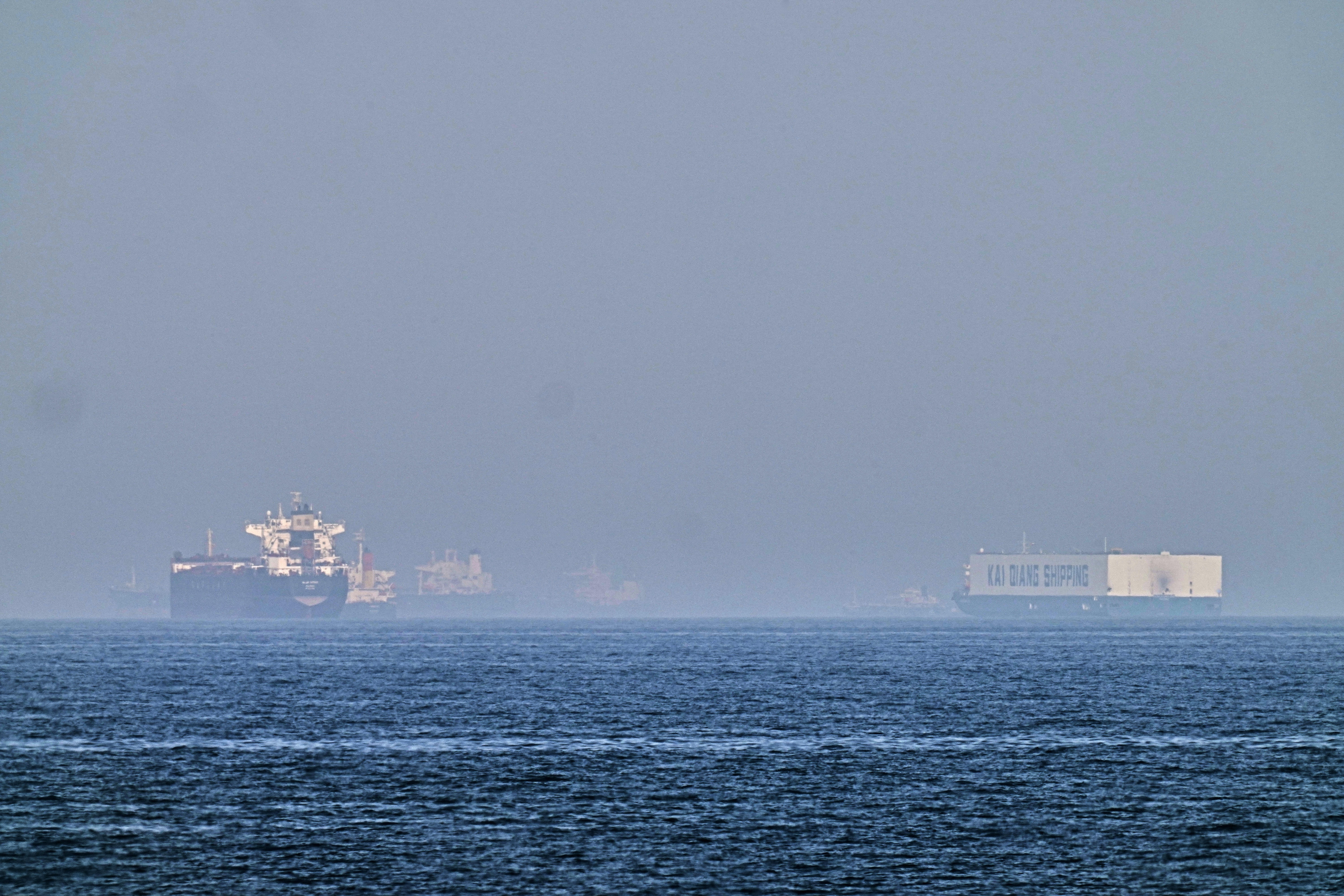
The United States imposed its anti-Iran blockade on the Strait of Hormuz after post-ceasefire negotiations with Tehran in Pakistan's capital Islamabad on April 11-12 failed to yield an agreement.
The US military has forced 48 vessels to redirect during the US blockade of Iranian ports as of Tuesday, the US Central Command said Saturday.
The ships "have been redirected to ensure compliance with the blockade," the command said in a post on social media platform X.
Trump to review Iran’s peace proposal
Also on Saturday, Trump said he will soon review Iran's latest proposal on ending the war in the country, but said he "can't imagine that it would be acceptable."
Iran's official news agency IRNA reported on Friday that Tehran's new proposal for peace talks with the United States had been delivered to Pakistan the previous day.
"I will soon be reviewing the plan that Iran has just sent to us, but can't imagine that it would be acceptable," Trump wrote in a post on his social media platform Truth Social.
Trump told reporters earlier on Saturday that he had been briefed "about the concept of the deal" from Iran. "They're going to give me the exact wording now," he said.
Trump also suggested the US military could restart strikes on targets in Iran.
In its 14-point proposal sent to the United States through Pakistan, Iran seeks a permanent end to hostilities and a full withdrawal of US forces from the region, semi-official Tasnim news agency reported Saturday.
While Washington's plan calls for a two-month ceasefire, Tehran is pushing for a 30-day timeline to resolve key issues, insisting that talks focus on "ending the war" rather than a temporary truce, Tasnim reported.
ALSO READ: Iran: 'Unprecedented action' if US continues maritime 'banditry'
Iran's demands include the withdrawal of US forces from areas near its borders and guarantees of non-aggression, along with economic steps such as lifting a naval blockade, releasing frozen Iranian assets, easing sanctions, and paying compensation.
The proposal also calls for an end to hostilities across multiple fronts, including in Lebanon, and the establishment of a new governing mechanism for the Strait of Hormuz, a key global oil shipping route.
Iran briefs global counterparts on peace proposal
Iranian Foreign Minister Seyed Abbas Araghchi has briefed Asian and European counterparts on Tehran's latest proposal to end its conflict with the United States.
In separate calls on Friday and Saturday, Araghchi discussed regional developments and a ceasefire with Washington with officials from Türkiye, Qatar, Saudi Arabia, Egypt, Iraq, Azerbaijan, Russia, South Korea, Japan, France, Italy, and EU foreign policy chief Kaja Kallas.
Araghchi said US and Israeli "military aggression" was driving insecurity in the Gulf and the Strait of Hormuz, according to Iranian Foreign Ministry statements.
Araghchi said Iran did not start the war and remains open to diplomacy if the United States drops its "maximalist approach," threats, and provocative actions.
Iran's Deputy Foreign Minister for Legal and International Affairs Kazem Gharibabadi said Saturday that it is up to the United States to choose between diplomacy and confrontation.
Gharibabadi made the remarks during a meeting with foreign ambassadors in Tehran, briefing them on Iran's latest proposal to end the war with the United States and Israel, read a statement by the Foreign Ministry.
"Iran has submitted its plan aiming to permanently end the imposed war to Pakistan as the (peace talks') mediator, and now the ball is in the US court to choose between the path of diplomacy or the continuation of the confrontation-based approach," said Gharibabadi.
READ MORE: Singaporean PM warns Mideast crisis to raise recession risks
The ceasefire between Iran, the United States and Israel took effect on April 8 following 40 days of fighting. On Feb 28, the United States and Israel launched joint attacks on Tehran and other Iranian cities, killing Iran's then-Supreme Leader Ali Khamenei, senior commanders and civilians.
Iran responded with waves of missile and drone strikes targeting Israel and US bases and assets in the Middle East, while tightening its grip on the Strait of Hormuz and denying safe passage to vessels linked to Israel and the United States.
