

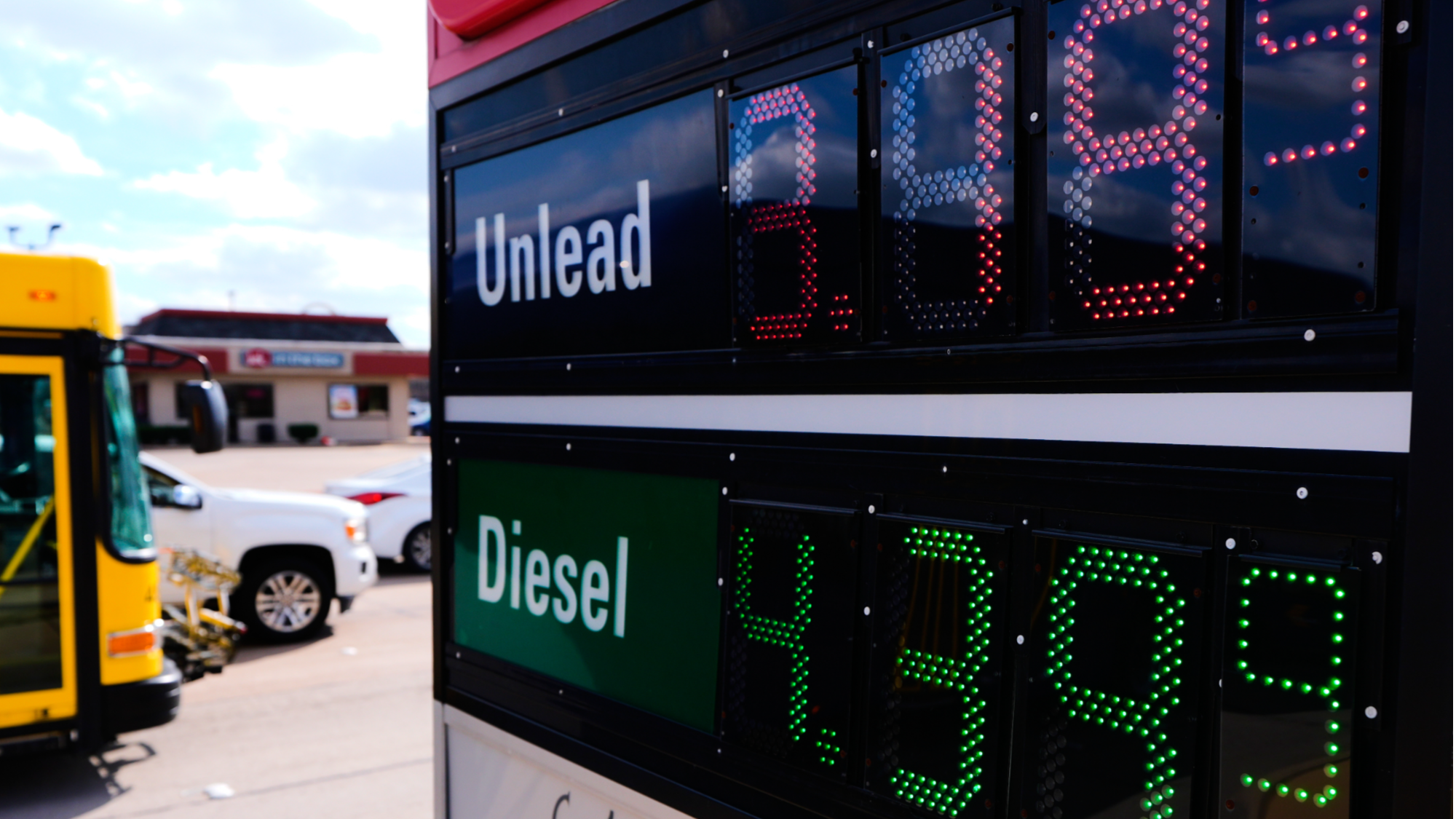
LONDON - Global oil prices retreated below $100 per barrel Monday after briefly surging to their highest level in nearly two years, as the Group of Seven (G7) signaled readiness to release emergency reserves amid escalating tensions in the Middle East.
Brent crude, the international benchmark, surged to around $119.5 per barrel in intraday trading, its highest level since mid-2022, before retreating later in the day to settle at about $99.33 per barrel.
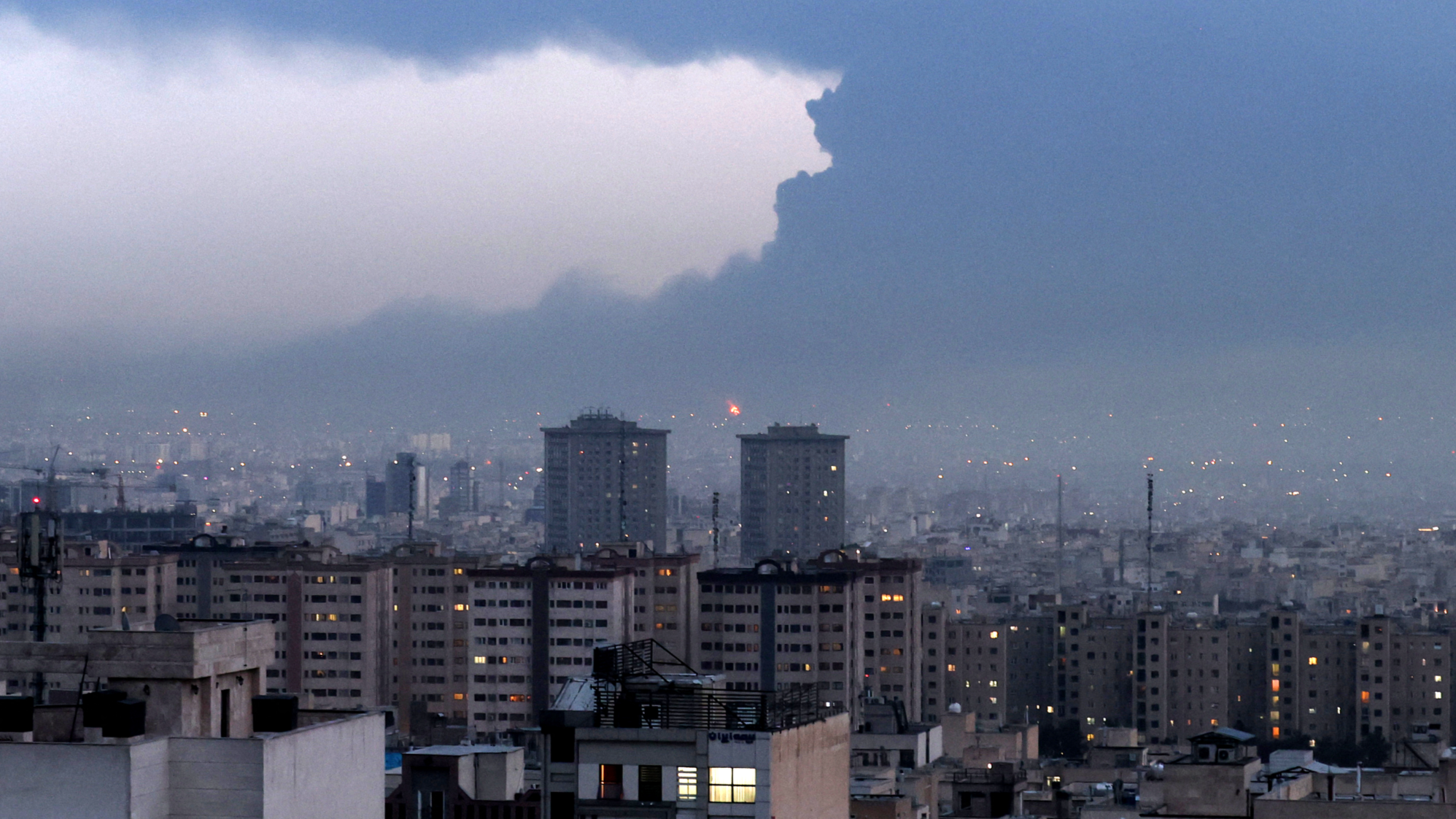
The spike in energy prices has heightened concerns over supply disruptions linked to the ongoing conflict involving Israel, the United States and Iran, particularly potential threats to shipping through the Strait of Hormuz, a critical artery for global oil and gas trade.
READ MORE: International oil futures rise above $100
The oil price surges were quickly reflected in European countries' wholesale and retail fuel markets. In Lithuania, average retail pump prices increased to 1.58 euros (about $1.83) per liter for gasoline and 1.93 euros (about $2.24) per liter for diesel, representing increases of roughly 7.3 percent and 17.6 percent from a week ago, respectively.
In Bosnia and Herzegovina (BiH), diesel prices in the Republika Srpska entity have jumped by about 25 percent since early March, while the average diesel price reached nearly $1.62 per liter in the entity of the Federation of BiH, a 16.7 percent increase from Feb 28.
European gas markets also reacted sharply to the tensions. Dutch TTF natural gas futures for April delivery rose 11.59 percent to 59.57 euros ($69.19) per megawatt-hour on Monday. The contract stood at 31.96 euros ($37.12) on Feb 27, representing an increase of about 86.4 percent within six trading days.
European stock markets closed lower, though losses narrowed from earlier in the session as oil prices retreated from their peaks. Britain's benchmark FTSE 100 index fell 35.23 points, or 0.34 percent, to close at 10,249.52 points. Germany's DAX index declined 0.77 percent to about 23,409 points, while France's CAC 40 index dropped 0.98 percent to roughly 7,915 points.
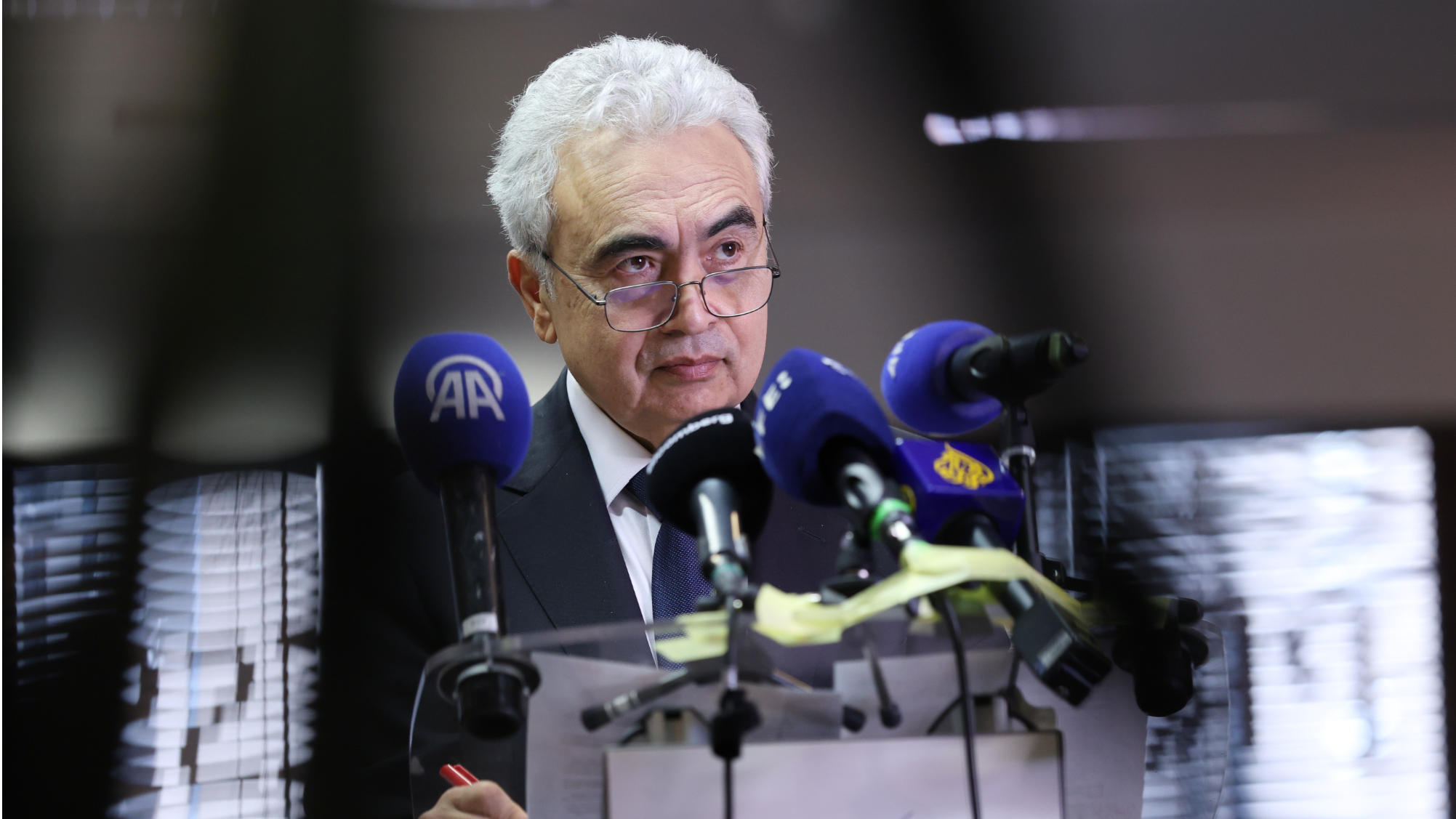
In response to sharp market volatility, G7 finance ministers and International Energy Agency (IEA) Executive Director Fatih Birol held a videoconference meeting on Monday.
Following the meeting, Birol said market conditions have deteriorated in recent days and that participants discussed all available options, including making the IEA's emergency oil reserves available to the market if needed.
IEA member countries are required to maintain oil reserves equivalent to at least 90 days of net imports to ensure a coordinated response to severe supply disruptions affecting the global oil market.

"We are ready to take the necessary measures, including tapping strategic reserves, to stabilize the market," French Economy Minister Roland Lescure said after the meeting, while stressing that such action is not yet required.
As of November 2025, France held reserves equivalent to about 122 days of net imports, according to IEA figures.
Several European governments have already taken precautionary measures to shield domestic markets from volatility.
Serbia temporarily suspended exports of crude oil and refined fuel products until March 19 to prevent shortages and price spikes, while Croatia introduced temporary fuel price caps through March 23.
Without the cap, diesel prices could have climbed to 1.72 euros per liter, but the government limited the price to 1.55 euros per liter.
Economists warn that prolonged disruptions to global energy flows could intensify inflationary pressure and weigh on economic growth across Europe.
READ MORE: China to raise gasoline, diesel retail prices
Joerg Kraemer, chief economist at Commerzbank, said that if oil prices remain elevated for several months, eurozone inflation could rise by more than one percentage point while economic growth could slow by several tenths of a percentage point.
According to calculations by the German Economic Institute (IW), oil prices stabilizing around 100 dollars per barrel could reduce Germany's gross domestic product (GDP) by 0.3 percent this year and by 0.6 percent in 2027, resulting in total economic losses of about 40 billion euros ($46.46 billion) over 2026 and 2027.
Should prices climb to $150 per barrel and remain there, Germany's GDP would be 0.5 percent lower in 2026 and 1.3 percent lower in 2027. This would correspond to losses of more than 80 billion euros ($92.92 billion) over the two years.
