

Hong Kong should upgrade its strengths to support a new era of Chinese mainland companies expanding overseas, as businesses move beyond exporting traditional goods to selling technology, digital content and globally competitive brands, national political advisers said.
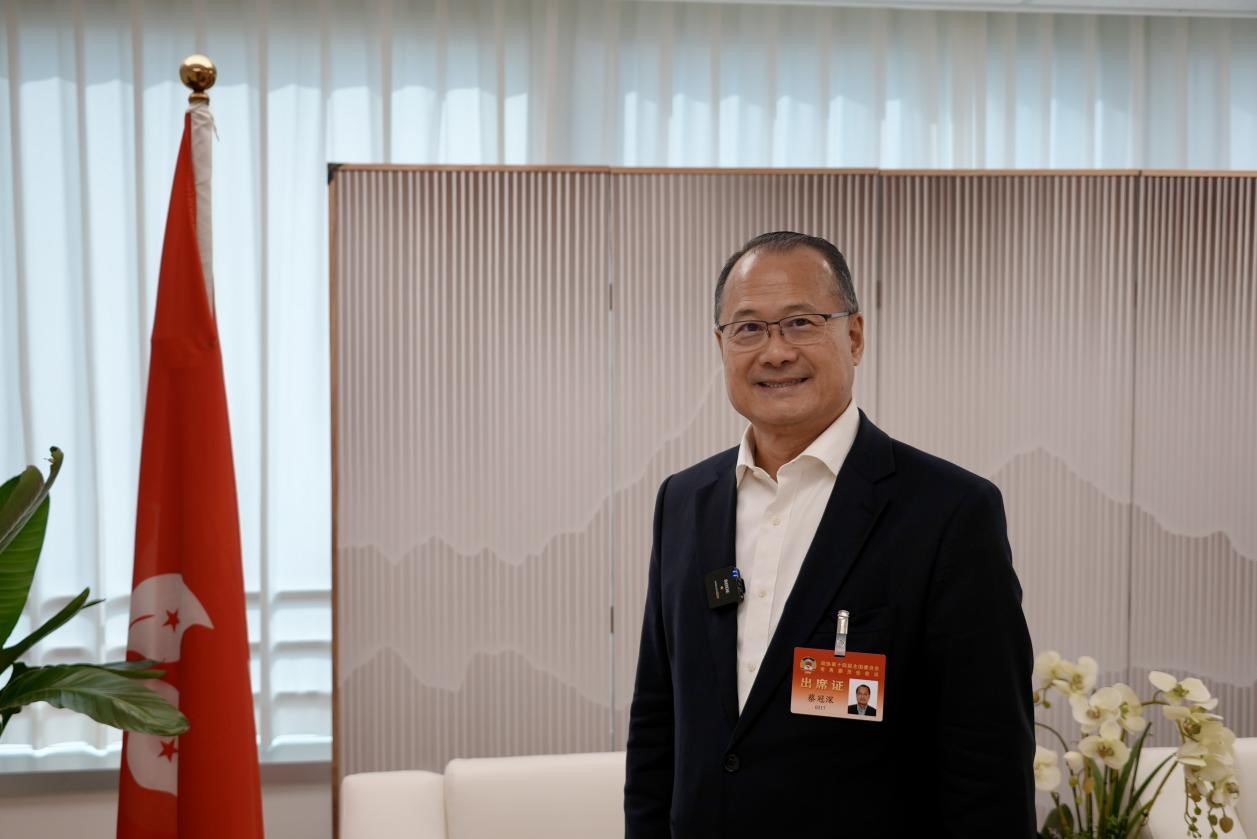
 Jonathan Choi Koon-shum, a member of the Standing Committee of the National Committee of the Chinese People’s Political Consultative Conference, said “Going global has moved from version 1.0 to 2.0.”
In this new phase, what China brings to global markets has evolved from everyday goods to high-value, high-tech products that are gaining strong traction overseas, including electric vehicles, drones, and robotics, Choi said in an exclusive interview with China Daily on Tuesday. Going global is one of the topics he is most concerned about at this year’s two sessions, he added.
Digital cultural exports — including short drama series, online literature and video games — have emerged as new drivers of export growth, Choi said, adding that Hong Kong’s established international networks in film and content distribution could provide a gateway for such products to reach global audiences.
Moreover, companies investing abroad are increasingly expected to localize production and transfer technology, to win policy support and long-term competitiveness in their target markets.
Hong Kong remains uniquely positioned to serve as a platform for that transition, he said, adding that as an independent customs territory operating under common law system, with a simple tax regime and deep capital markets, the city can help mainland firms gain greater international recognition.
Choi, who is also the chairman of the Chinese General Chamber of Commerce in Hong Kong, called for a greater role for Hong Kong’s extensive network of business chambers and trade associations in supporting mainland companies’ overseas expansion.
He said these organizations are closer to markets and enterprises, and are well positioned to translate government-level frameworks into practical business matchmaking.
The Hong Kong Special Administrative Region government launched the Task Force on Supporting Mainland Enterprises in Going Global in October, followed by the establishment of the Professional Services GoGlobal Platform.
ALSO READ: HK launches new platform to support mainland firms going global
With government coordination in place, business groups can help make connections, paving the way for companies to conduct projects on the ground, which in turn provides a support chain, Choi said.
Chinese firms are placing greater emphasis on brand-building, Choi said, adding that he is supporting a proposal for Hong Kong to host a United Nations-recognized “World Brand Day” on a permanent basis. Through forums, exhibitions and evaluation programs, the event aims to enhance the international competitiveness of Chinese brands. Further details of the bid are expected in May, he said.
Through its members of the CPPCC National Committee and deputies to the National People’s Congress, the Chinese General Chamber of Commerce in Hong Kong plans to call for the establishment of a systematic database of case studies, showcasing how Hong Kong has helped mainland companies expand abroad.
The chamber also plans to propose launching annual flagship summits, thematic seminars and online exhibition platforms to build a brand of “Hong Kong services for mainland firms going global”, which is expected to strengthen international awareness and confidence in the “mainland enterprises plus Hong Kong services” model.
READ MORE: CE: Hong Kong ideal springboard for mainland companies going global
The Chinese Manufacturers’ Association of Hong Kong said it will suggest the central government incorporate support for Hong Kong’s development as an international hub for brands into national strategies.
Leading mainland firms are encouraged to participate in awards for brands going global established by independent organizations in Hong Kong, to enhance the global stature of Chinese brands, the association said.
Clarence Ling Chun-kit, another national political adviser, said Hong Kong’s strengths in international finance, legal services and brand expression could help mainland companies shift from being “product exports” to “technology exports” while reducing regulatory and cultural friction abroad.
Ling, the founding chairman of the Chinese Youth Entrepreneurs Association in Hong Kong, said he plans to submit proposals aimed at better leveraging the city’s young professionals, as their familiarity with international rules and cross-cultural communication could support higher-quality overseas expansion.
Contact the writer at irisli@chinadailyhk.com
