

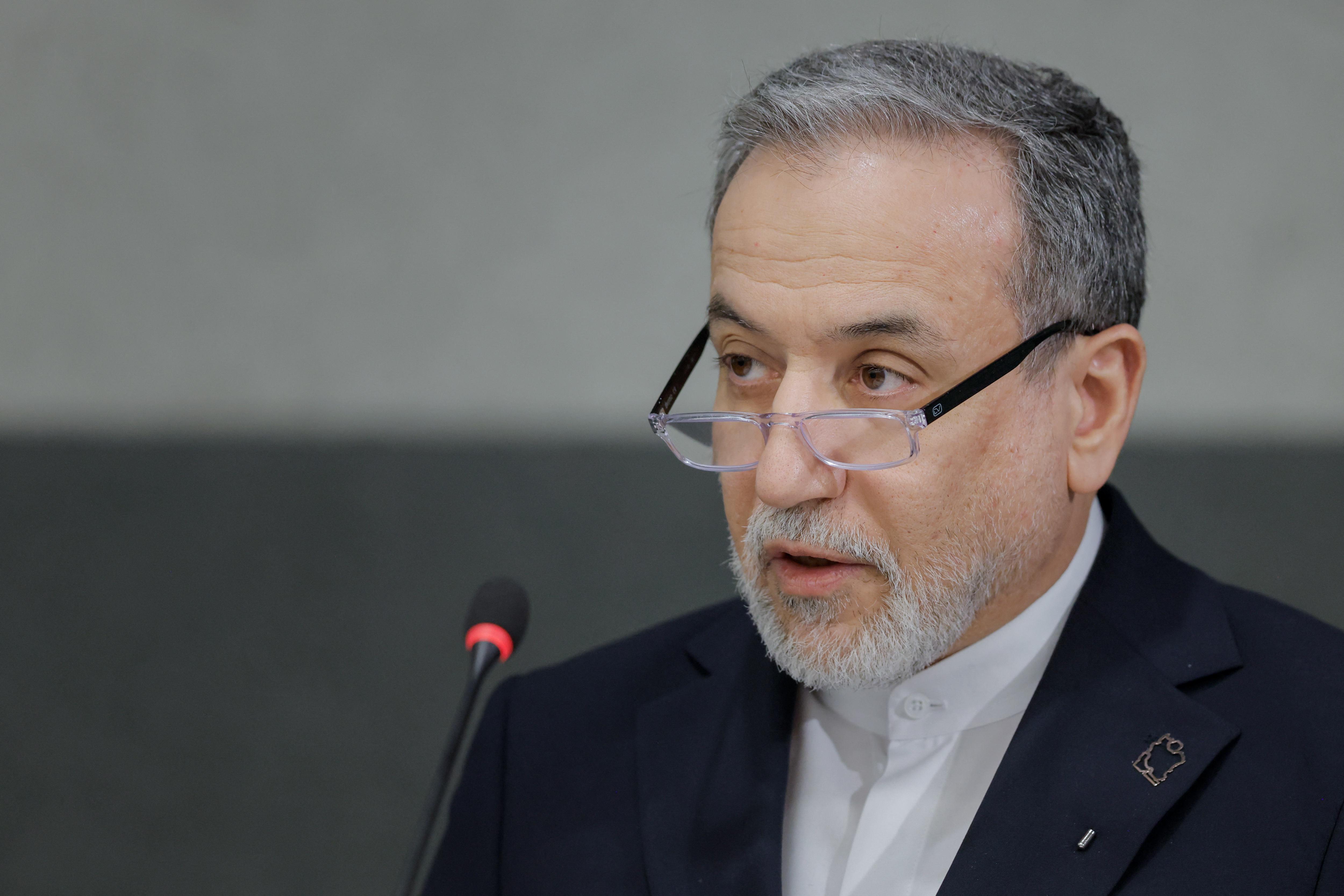
CAIRO/WASHINGTON/UNITED NATIONS - Iran's Foreign Minister Seyed Abbas Araghchi said on Friday that Teheran will prepare the draft of a possible nuclear deal with the United States within two to three days, while US President Donald Trump said he is contemplating a limited military strike on Iran.
In an interview with MSNBC while elaborating on indirect nuclear talks between Iran and the United States and ways to bridge differences on the nuclear issue, Araghchi said, "My next step is to present the draft of a potential deal to my US counterparts," noting that the draft will be ready in the next two to three days.
The draft, once finalized by his superiors, will be delivered to US president's special envoy Steve Witkoff, he said, adding that the two sides "may need another round of discussion before starting work toward, hopefully, a good conclusion."
During the second round of indirect talks on Tuesday, Araghchi said, Iran has not offered to suspend uranium enrichment on its soil, and the US side has not put forward such a demand.
ALSO READ: Iran, Russia hold joint drill as Trump hints at 15-day deadline
"What we are now talking about is how to make sure that Iran's nuclear program, including uranium enrichment, is peaceful and would remain peaceful forever," he explained.
Araghchi expressed confidence that a "fair and equitable" deal is achievable, but described the US military buildup in the West Asia region as "absolutely unnecessary and unhealthy."
"I have to emphasize that there is no military solution to Iran's nuclear program," he said, adding, "The only solution is diplomacy and that is why the United States is back at the negotiating table and seeking a deal."
He added that Iran is ready both for war and peace, noting, "We are prepared for diplomacy and negotiation as much as we are ready for war."
ALSO READ: Russia, Iran deepen nuclear, military ties as US pressure mounts amid ongoing talks
Later in the day, Trump said that he is considering a limited military strike to pressure Iran to make a deal. "I guess I can say I am considering that," Trump told reporters at the White House.
Meanwhile, anonymous US officials were cited by the media as saying that US military planning on Iran has reached an advanced stage, with options including targeting individuals as part of an attack and even pursuing a leadership change in Teheran, if ordered by Trump.
A Trump adviser has estimated a "90 percent chance" of strikes within weeks if talks fail, Axios reported Wednesday, noting the US raid could involve a large-scale, weeks-long campaign, potentially conducted jointly with Israel.
NYT: US troops evacuated from Qatar, Bahrain bases

Citing Pentagon officials, The New York Times reported Friday that hundreds of US troops have been evacuated from US bases in Qatar and Bahrain amid rising concerns about a potential US military strike on Iran.
There have been evacuations at the Al Udeid base in Qatar and a cluster of US bases in Bahrain that host the US Navy's Fifth Fleet, said the report.
The latest developments come as Iran and the United States hope to resolve a range of differences through negotiations, including issues related to uranium enrichment, long-range missiles, and sanctions.
With the two countries having completed two rounds of talks, Trump said Thursday that Iran has 10 to 15 days to reach a deal on its nuclear program, or "really bad things" will happen.
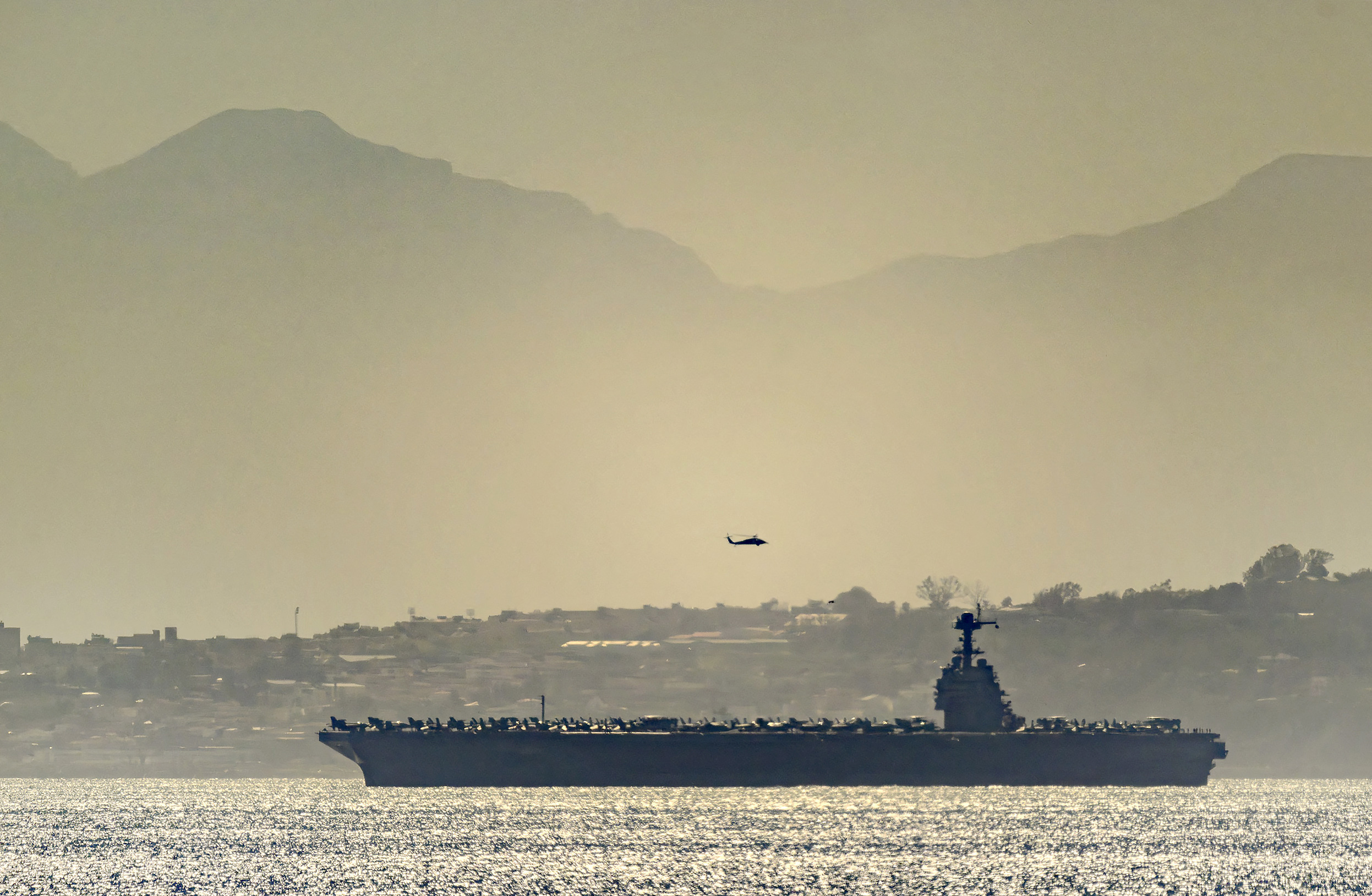
Tensions between the United States and Iran have been escalating for months. Both sides have stepped up their military preparations for a potential conflict. Last week, Trump announced the deployment of the USS Gerald R. Ford, the world's largest aircraft carrier, to the Middle East to reinforce the USS Abraham Lincoln and its accompanying guided-missile destroyers, already in the region.
READ MORE: President: Iran won't abandon peaceful nuclear technology
Diplomatic efforts are continuing alongside military posturing. On Friday, Araghchi held separate phone calls with his Egyptian and Russian counterparts over the latest developments regarding indirect nuclear talks between Iran and the United States.
In his conversation with Egyptian Foreign Minister Badr Abdelatty, Abdelatty welcomed the ongoing diplomatic process between Iran and the United States, urging that the consultations continue to achieve an "acceptable" framework for the involved parties.
In a separate phone call, Russian Foreign Minister Sergey Lavrov reaffirmed Russia's support for the negotiation process aimed at "finding equitable political and diplomatic solutions based on respect for Iran's legitimate rights, in accordance with the principles of the Non-Proliferation Treaty."
UN very concerned
Also on Friday, Stephane Dujarric, spokesperson for the United Nations secretary-general, said the UN is very concerned about the situation surrounding Iran.
"I can tell you and reiterate yet again that we are very concerned about the heightened rhetoric we're seeing around the region, by the heightened military activities, war games, or just increased military naval presence in the region," Dujarric said at a daily briefing in response to a question posed by Xinhua about a letter the Iranian permanent mission sent to the UN chief and the president of the Security Council on Thursday.
"And we encourage both the United States and the Islamic Republic of Iran to continue to engage in diplomacy in order to settle the differences," he said.
In the letter, Iran's UN ambassador Amir Saeid Iravani said the country will respond "decisively and proportionately" to any military aggression, exercising its right to self-defense under the UN Charter, and urged the Security Council and the UN secretary-general to "act without delay, before it is too late."
