

CAIRO/TEHRAN - Iran and the United States are set to hold talks in Oman's capital Muscat on Friday, officials confirmed on Wednesday, capping days of public disagreement over the venue and agenda that laid bare the profound discord between the two sides.
On social media platform X, Iranian Foreign Minister Seyyed Abbas Araghchi announced that the talks will take place in Muscat at around 10:00 am local time (0600 GMT), thanking the Omani side for "making all necessary arrangements."
Shortly after, several Western media outlets reported that Washington has agreed to hold the talks on Friday in Oman, after being lobbied by at least nine Mideast countries.
The announcement came after US media outlets reported earlier in the day that the talks could be cancelled over the two sides' disagreement on location and format.
The two sides had previously agreed to meet on Friday in Istanbul, Türkiye, with some other Mideast countries participating as observers.
On Tuesday, Iran reportedly proposed moving the talks to Oman and holding them in a bilateral format focused only on nuclear issues.
Earlier on Wednesday, US media outlet Axios, citing two US officials, reported that Washington had decided to reject Iran's requirement.
"We told them it is this or nothing, and they said, 'OK, then nothing,'" Axios quoted a senior US official as saying.
The official said Washington remains open to talks in the coming days if Iran returns to the original arrangement, warning that failure to reach a deal could lead Washington to consider other options, including military action.
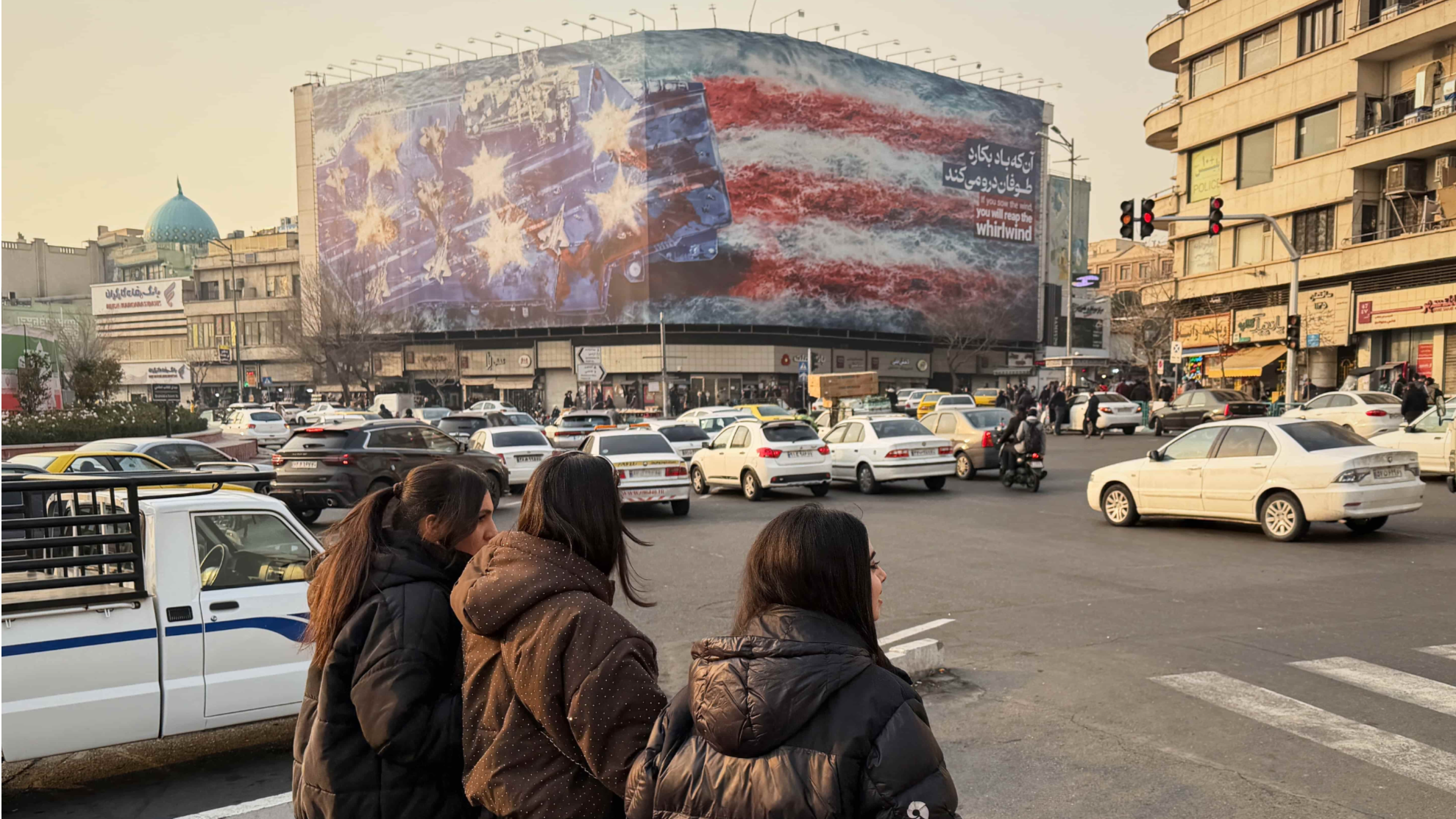
The backdrop to the fragile diplomatic engagement is a sharp military escalation. The United States has intensified its military presence in the Middle East in recent weeks, deploying a massive buildup of naval and air assets, including the aircraft carrier USS Abraham Lincoln and several guided-missile destroyers. Meanwhile, Iran is also ramping up its military preparations.
On Tuesday, US Central Command said a US F-35C jet shot down an Iranian Shahed-139 drone over the Arabian Sea in "self-defense," a claim Iran countered by saying the drone completed a "surveillance mission" in international waters.
On Wednesday, Iran's Islamic Revolution Guards Corps unveiled a new underground missile base, saying it has changed its military doctrine "from defensive to offensive" following the 12-day war with Israel last year, and is "ready for any action from the enemies."
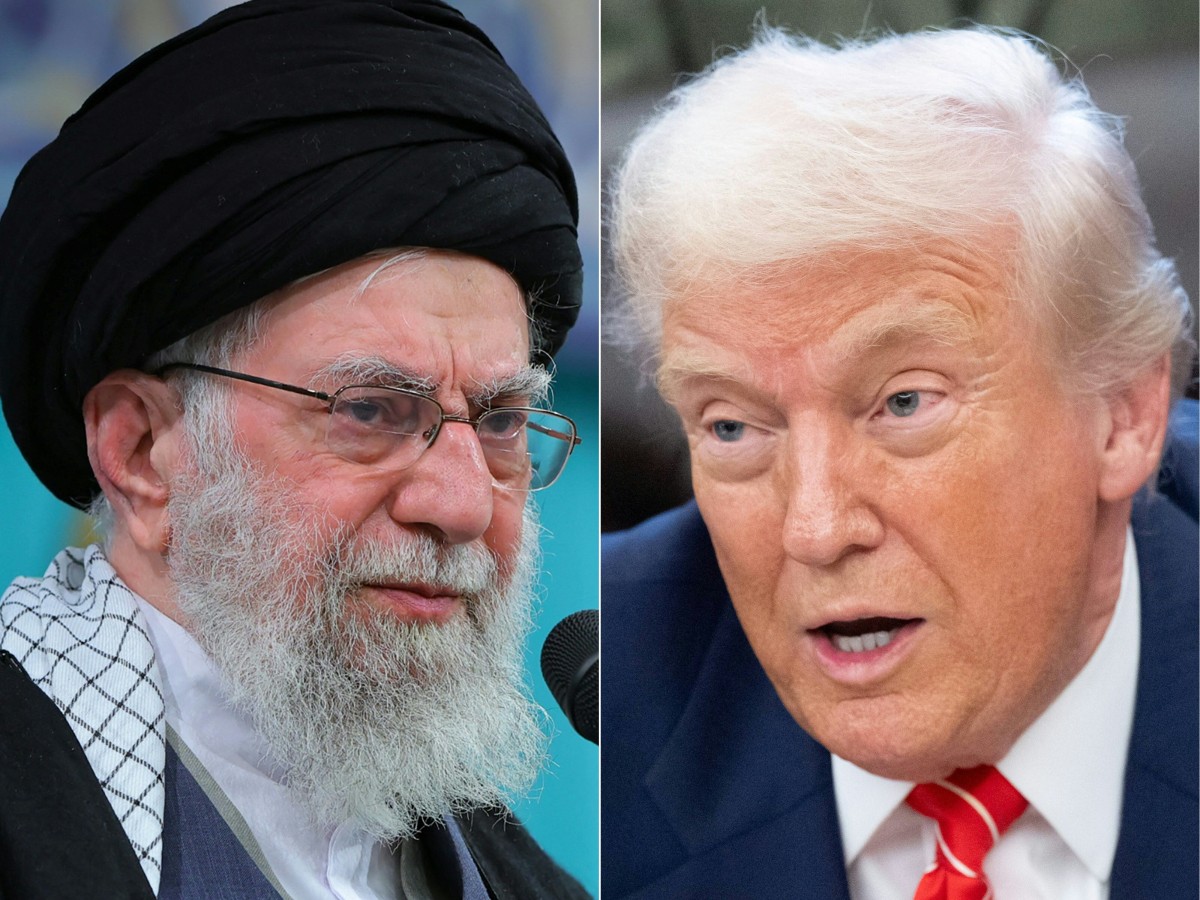
Meanwhile, Trump warned Wednesday that Iranian Supreme Leader Ali Khamenei should be "very worried," as Washington is building up its military forces in the region.
The pre-talks rhetoric has revealed seemingly irreconcilable negotiating positions. The Iranian side has insisted that the talks must be limited to nuclear issues and the removal of US sanctions, asserting that Iran's missile capabilities and regional activities are non-negotiable.
Esmaeil Kowsari, an Iranian lawmaker, said that Iran's missile capabilities and regional issues "have absolutely nothing to do with the Americans or the West," urging them not to make "excessive demands in these areas."
In contrast, US Secretary of State Marco Rubio, at a news conference in Washington on Wednesday, outlined a broad agenda for any "meaningful" talks, which he said must include Tehran's ballistic missiles, nuclear program, regional sponsorship of "terrorist organizations," and its treatment of the people.
The anticipated talks on Friday have revisited a diplomatic track that collapsed violently last June, leading to US airstrikes on Iran. Past negotiations between the two sides faltered over Washington's demands for zero uranium enrichment and curbs on missile development and regional proxies, all rejected by Tehran.
Iran unveils new underground missile base
On the same day, Iran's Islamic Revolution Guards Corps (IRGC) unveiled a new underground missile base amid tensions with the United States, the semi-official Fars news agency reported.
The base was unveiled during a visit by Chief of Staff of the Iranian Armed Forces Abdolrahim Mousavi and, Seyed Majid Mousavi, commander of the IRGC's Aerospace Division, the report said.
Mousavi said at the base that Iran has managed to strengthen its deterrence power by upgrading its ballistic missiles in all technical dimensions.
"We are ready for any action from the enemies. Also, following the 12-day war (with Israel in June last year), we have changed our military doctrine from defensive to offensive based on the approach of carrying out lightning-fast and large-scale operations while adopting asymmetric warfare and crushing military strategies," he said.
Iranian, Saudi FMs call for regional stability
Iranian Foreign Minister Seyed Abbas Araghchi and his Saudi counterpart, Faisal bin Farhan Al Saud, on Wednesday highlighted the necessity to continue close consultations to maintain stability in West Asia and safeguard all regional states' interests.
In a phone call, the two sides discussed the latest regional developments, according to a statement from the Iranian Foreign Ministry.
The Saudi foreign minister reaffirmed Riyadh's commitment to stability and to political and diplomatic solutions for regional challenges.
