

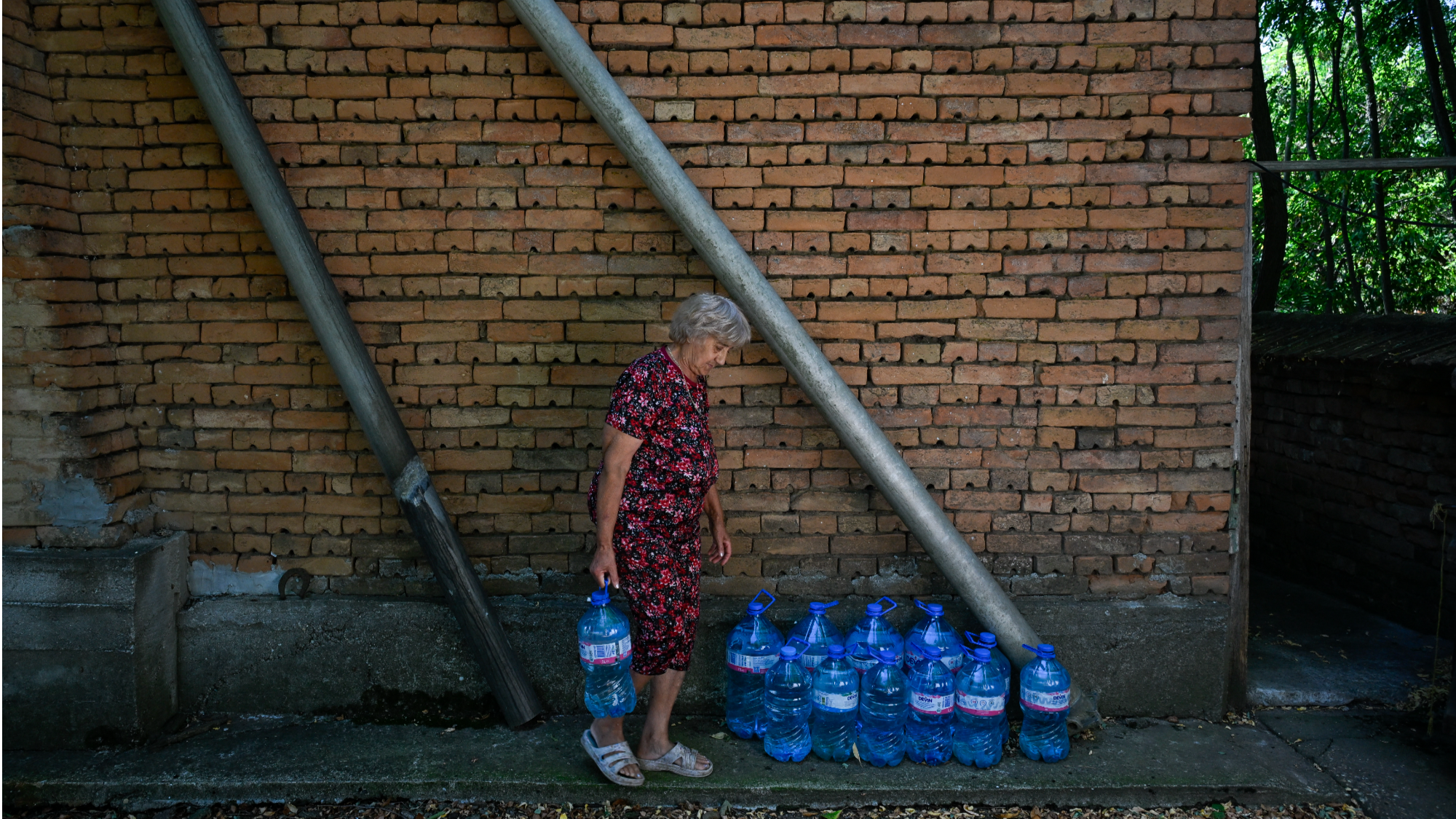
UNITED NATIONS - A United Nations (UN) report released on Tuesday warned that the world is entering an era of "global water bankruptcy."
The report, issued by the United Nations University Institute for Water, Environment and Health, said chronic groundwater depletion, water overallocation, land degradation, deforestation and pollution, all compounded by climate change, are pushing many regions beyond their hydrological limits.
It noted that commonly used terms such as "water stress" and "water crisis" no longer reflect reality in many areas, as water systems have moved into a post-crisis stage marked by irreversible losses and an inability to recover to historical levels.
READ MORE: UN report: World off-track to meet sustainable water goal
"This report tells an uncomfortable truth: Many regions are living beyond their hydrological means, and many critical water systems are already bankrupt," said lead author Kaveh Madani.
While not all river basins and countries have reached this stage, he said enough key systems worldwide have crossed these thresholds to alter the global risk landscape.
According to the report, surface waters and wetlands are shrinking rapidly. More than half of the world's large lakes have lost water since the early 1990s, affecting about one-quarter of the global population.
Groundwater depletion and land subsidence show that hidden reserves are being exhausted. Around 70 percent of the world's major aquifers show long-term declines. Land subsidence linked to groundwater over-pumping now affects nearly 2 billion people, according to the report.
Water quality degradation further reduces usable water and accelerates bankruptcy, it says.
READ MORE: OECD-backed group calls for global pact to solve water crisis
The report called on governments to shift from short-term crisis response to "bankruptcy management," urging measures to reduce and reallocate water demand, curb pollution and illegal withdrawals, and reset the global water agenda ahead of the 2026 UN Water Conference.
