

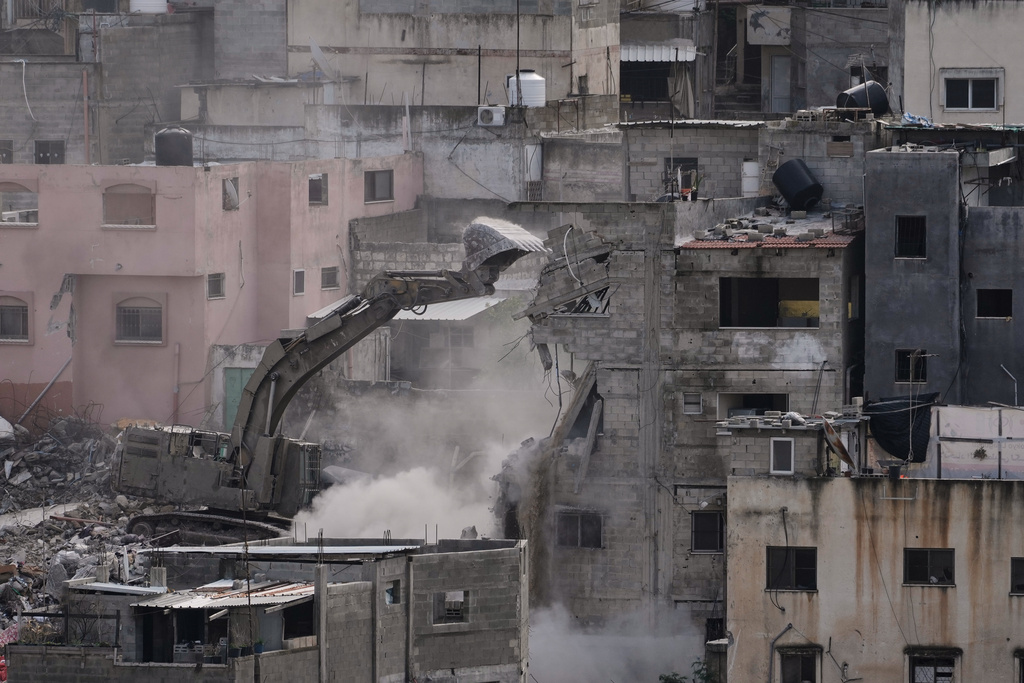
JERUSALEM/RAMALLAH/GENEVA - The Israeli military on Wednesday reported carrying out about 20,900 attacks across the Middle East in 2025, primarily targeting Gaza, Iran, Syria and Lebanon.
Israel continued multifront fighting throughout the year, necessitating the mobilization of additional troops. The military called up about 306,830 reservists, including 54,000 who had previously been exempt from service, according to figures it released at the end of the year.
In Gaza, where a ceasefire took effect on Oct.10, Israeli forces carried out about 19,530 attacks, the military said.
According to Gaza's health authorities, Israeli assaults have killed at least 415 people and injured 1,152 others since Oct 11. A total of 71,269 people have been killed by Israeli fire since October 2023.
In June, Israel launched a 12-day military campaign against Iran beginning on June 13, with both countries exchanging missile strikes, marking a sharp escalation after years of shadow and proxy conflict.
ALSO READ: Israeli siege intensifies in West Bank; Gaza death toll tops 71,000
The military said it attacked about 1,500 sites in Iran and killed 11 nuclear scientists and 30 senior officials, including Hossein Salami, chief commander of Iran's Islamic Revolutionary Guard Corps, and Mohammad Bagheri, chief of staff of the Iranian Armed Forces.
The Northern Command carried out about 950 attacks, mainly in southern Lebanon, where Israel says it targets Hezbollah sites despite a ceasefire, and in Syria, where Israeli forces entered Syrian territory at the peak of Mount Hermon in late 2024, followed by frequent air and ground strikes.
Israel's plan to revoke permits of global relief bodies
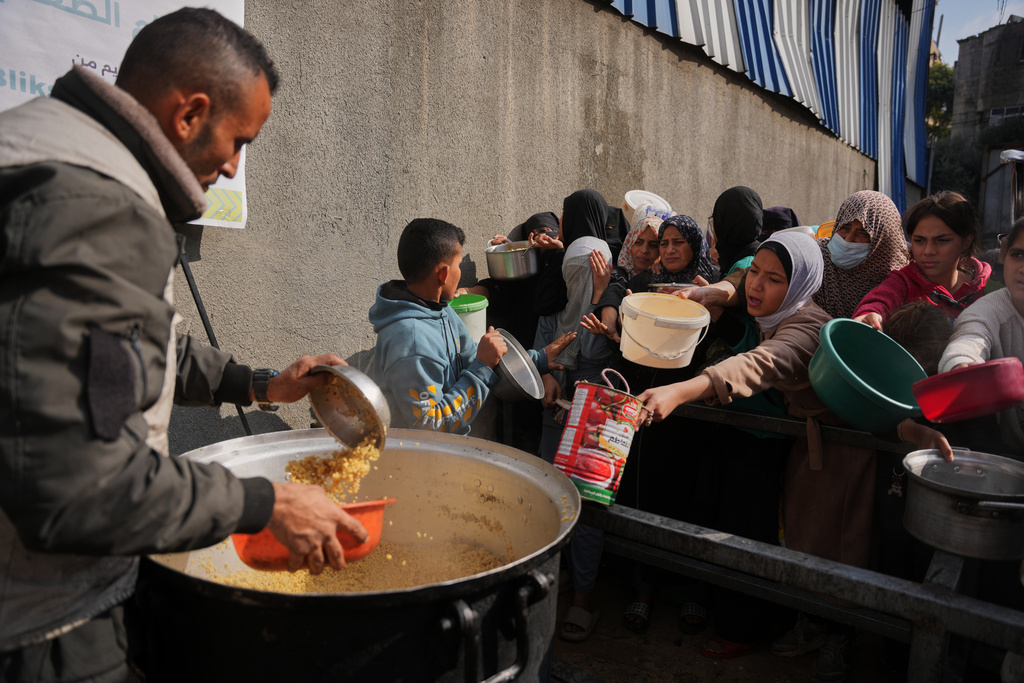
Meanwhile, multiple United Nations humanitarian agencies and international organizations jointly issued a statement on Wednesday, calling on Israel to revoke its ban on the operations of international aid organizations in the Gaza Strip and the West Bank.
The statement said that international aid organizations play a central role in humanitarian operations in the Gaza Strip and the West Bank, providing nearly $1 billion in assistance annually.
It noted that in Gaza, with winter worsening families' suffering, high acute food insecurity continuing, and the need for life-saving aid remaining critical, banning aid groups could undermine the fragile progress achieved during the ceasefire and have devastating consequences for vulnerable children, women, and men.
According to media reports, Israel plans to ban dozens of international aid organizations from operating in the Gaza Strip and the West Bank starting Jan 1, citing their failure to comply with Israel's registration requirements.
Also on Wednesday, Palestine rejected Israel's decision to revoke the permits of 37 international humanitarian and relief organizations operating in the Palestinian territories, particularly in the Gaza Strip.
In a press statement, the Palestinian Ministry of Foreign Affairs strongly rejected the justifications provided by Israeli authorities for the ban, stressing that these organizations deliver vital humanitarian, health, and environmental assistance to Palestinians.
ALSO READ: Defense minister: Israel will not fully withdraw from Gaza or Syria
The ministry reaffirmed that Israel has no sovereignty over the occupied Palestinian territory, including Jerusalem, and emphasized that the State of Palestine welcomes the work of nationally and internationally recognized organizations, especially those operating in accordance with established humanitarian standards.
It described Israel's actions to halt the work of these organizations as "piracy and thuggery" and a clear violation of international laws and norms, stressing that no party has the right to suspend their services or obstruct their operations.
Israel "does not want any witnesses to its crimes" and is seeking to prevent institutions that support the Palestinian people and impede its "colonial project" aimed at destroying Palestinian life - particularly organizations working in vital sectors such as children protection, health, education, water, refugee services, and other humanitarian fields central to the Palestinian cause, the statement added.
Building independent Palestinian state 'inevitable reality'
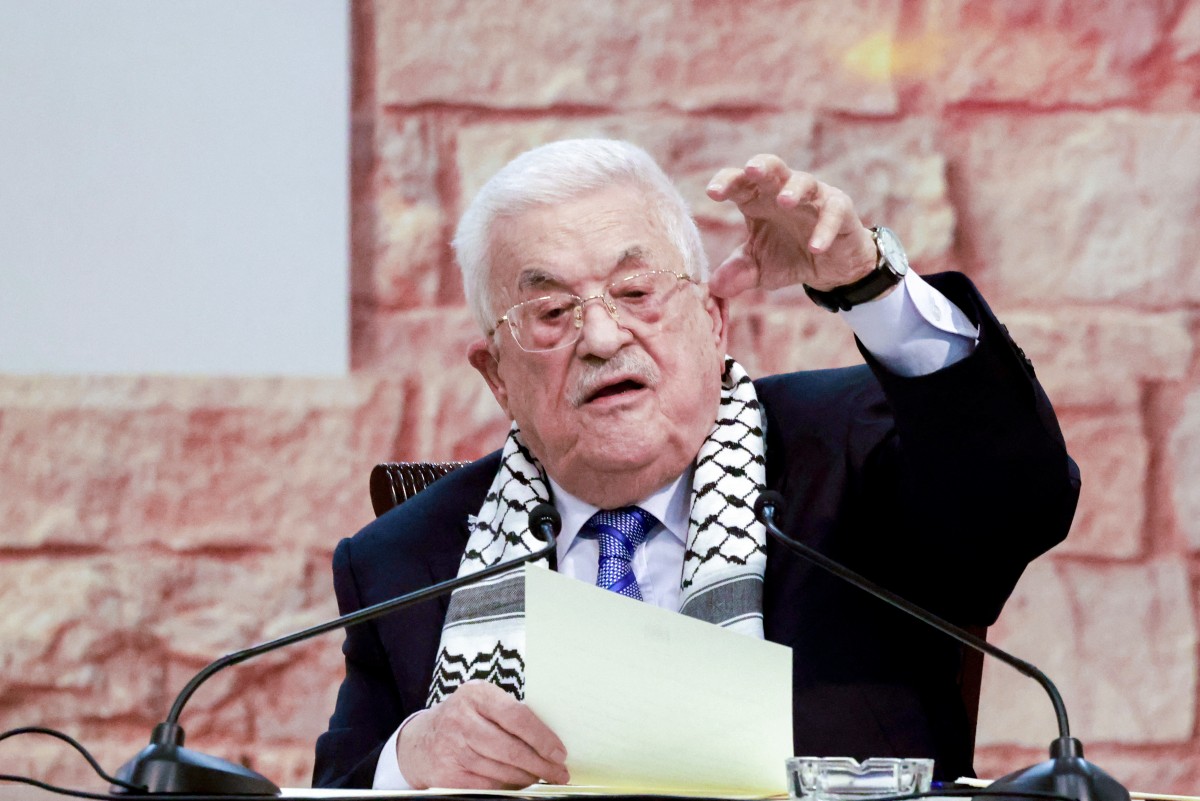
Separately, Palestinian President Mahmoud Abbas said the establishment of an independent Palestinian state is "an inevitable reality", affirming that Palestinians are moving steadily toward freedom and independence.
In a statement carried by Palestinian news agency WAFA, Abbas stressed the realization of a fully sovereign Palestinian state with East Jerusalem as its capital, alongside the return of refugees in line with international resolutions and the Arab Peace Initiative.
He said Palestinians in Gaza and the West Bank are "steadfastly confronting the most brutal war of genocide and ethnic cleansing in modern history", accusing Israel of disregarding international law, international legitimacy, and ceasefire agreements.
READ MORE: Hopes rise for next phase of Gaza truce
Abbas stressed that the Palestinian people would not surrender, leave their homeland, or accept annexation and displacement plans.
